Introduction
Overlooking the Vistula River and set against Kraków’s historic skyline, the Manggha Museum of Japanese Art and Technology stands as a vibrant bridge between Poland and Japan. Founded to honor the legacy of Feliks "Manggha" Jasieński—a visionary Polish art collector and critic whose passion for Japanese art flourished in the late 19th and early 20th centuries—the museum has grown into a dynamic hub for intercultural dialogue, artistic exchange, and architectural excellence.
Since opening its doors in 1994, Manggha has enchanted visitors with its extensive collection of Japanese art, innovative exhibitions, and award-winning architecture conceived by Arata Isozaki. Today, it continues to enrich Kraków’s cultural landscape with educational programs, festivals, and a celebrated riverside café. Whether you are seeking inspiration, learning, or relaxation, Manggha offers a uniquely immersive experience that celebrates the harmonious fusion of East and West. (Manggha Official Website; Live the World; Gazeta Krakowska; Krakow Wiki)
Photo Gallery
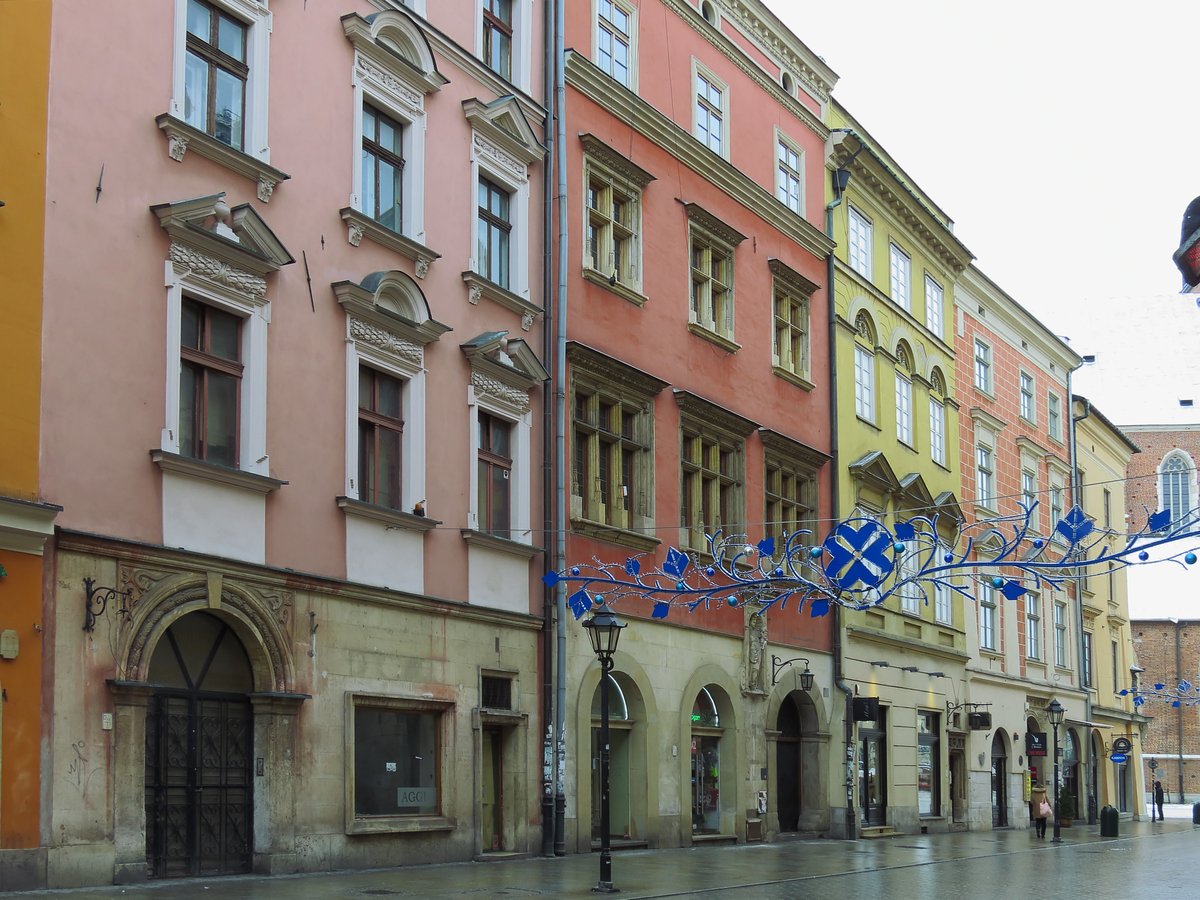
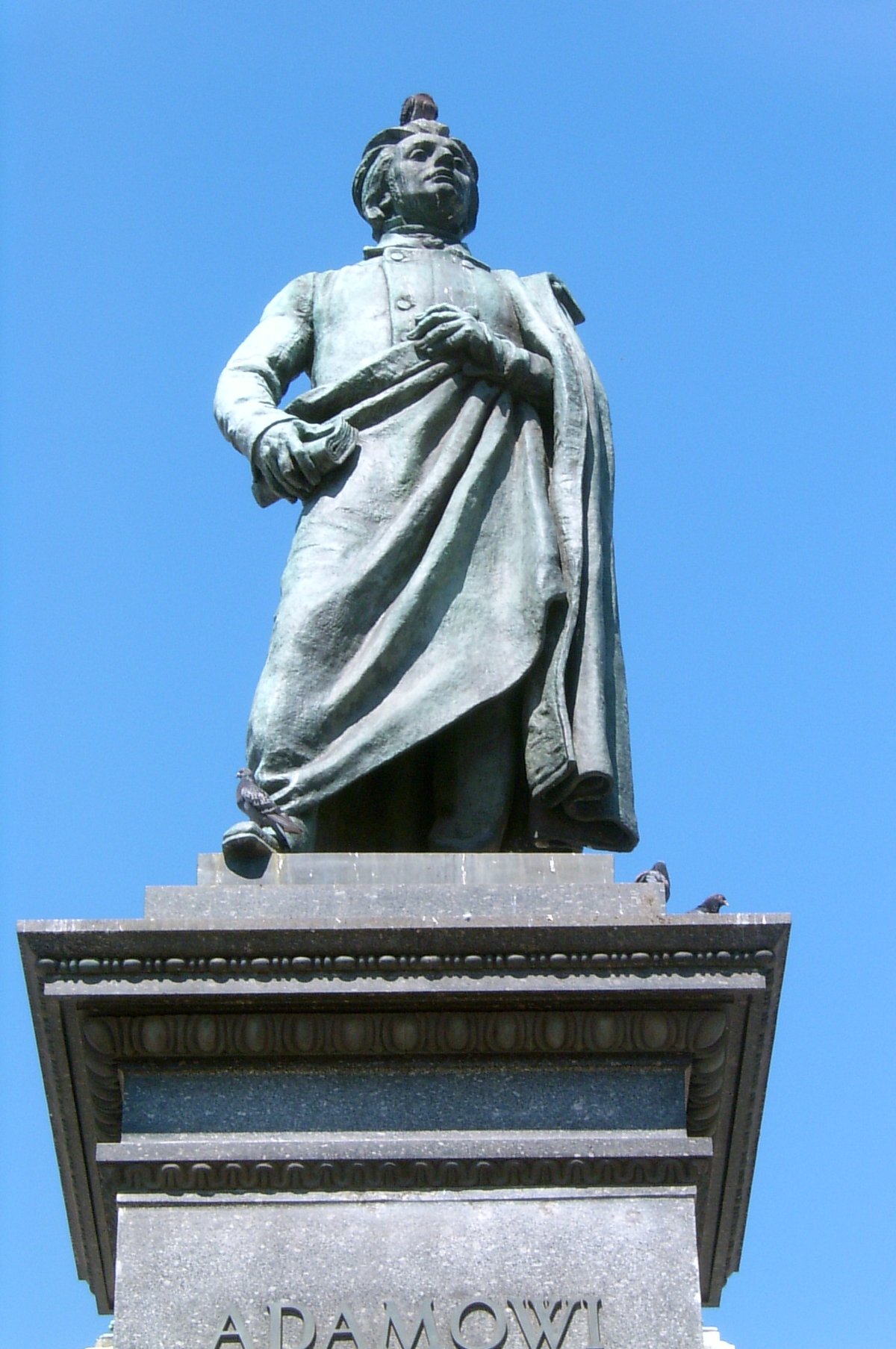
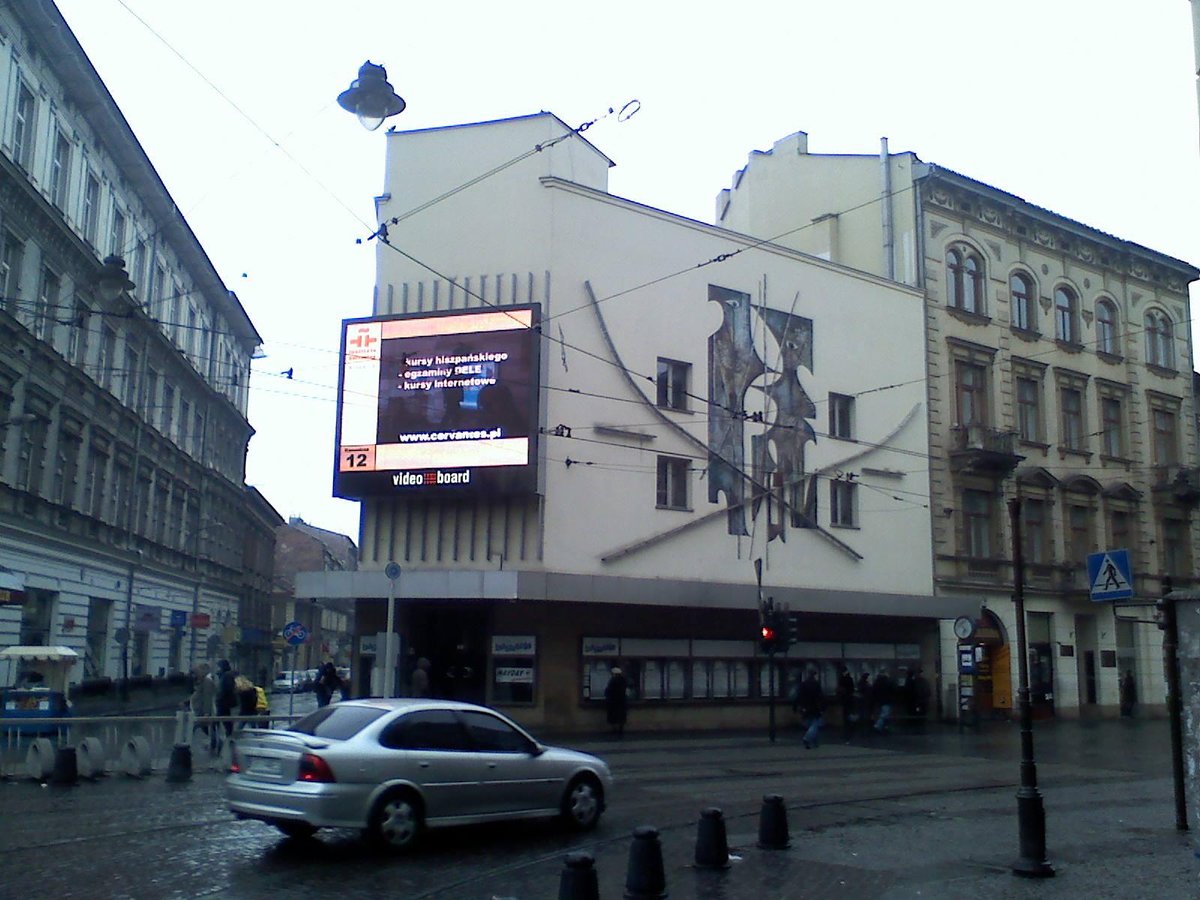
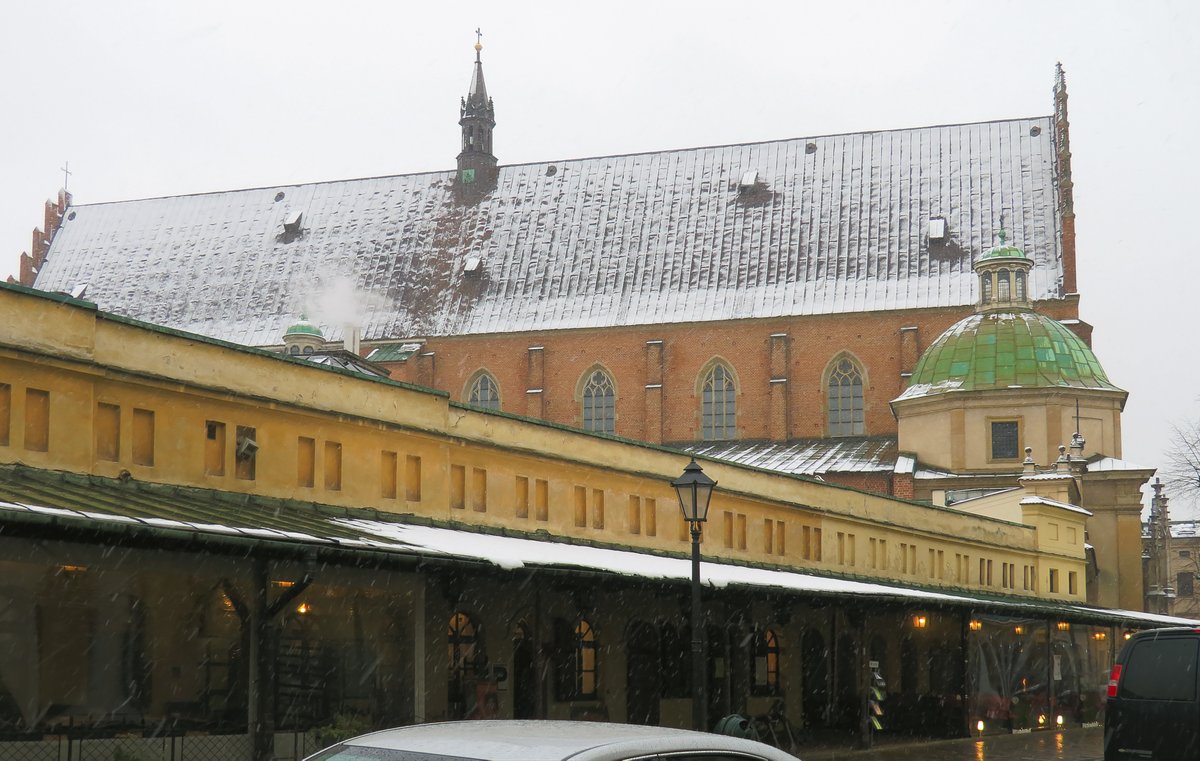
Explore Manggha in Pictures
Historical Background
The Roots of Japanese Art in Poland
The fascination with Japanese art in Poland traces back to the late 19th century, when European interest in Japonisme swept through artistic circles. Feliks "Manggha" Jasieński, a prominent art critic and collector, played a pivotal role, amassing one of Central Europe’s most significant collections of Japanese prints, ceramics, and textiles. His vision was to create a cultural bridge that would inspire Polish artists and foster mutual appreciation between the two nations. Jasieński’s donation of over 6,500 Japanese artworks to the National Museum in Kraków in 1920 laid the foundation for what would eventually become the Manggha Museum. (Academia.edu)
The Road to the Museum
The idea of a dedicated Japanese art museum gained momentum in the late 20th century, thanks to renewed interest in Jasieński’s collection and the efforts of celebrated film director Andrzej Wajda and scenographer Krystyna Zachwatowicz-Wajda. Wajda’s decision to donate his Kyoto Prize award, coupled with support from Japanese partners, enabled the realization of this vision. Construction began in 1993, and the museum opened in 1994, quickly establishing itself as a premier center for Japanese culture in East-Central Europe. In 2007, Manggha achieved full independence and expanded its programming to include exhibitions, workshops, and intercultural events. (Manggha Official Website; Live the World)
Architectural Significance
Design and Location
Designed by acclaimed Japanese architect Arata Isozaki in collaboration with local architects, the Manggha Museum is a striking architectural landmark. Its wave-inspired roof and flowing lines evoke Hokusai’s "The Great Wave off Kanagawa" and echo the meandering course of the Vistula River. The structure’s pink sandstone façade and contemporary materials reflect both Japanese tradition and Kraków’s local character. The museum’s riverside location, directly opposite Wawel Castle, strategically positions it within the cultural heart of the city. (wikiarquitectura.com)
Key Features
- Exterior: Organic, undulating curves and locally sourced stone cladding.
- Structural Innovations: Wooden frameworks and modern insulation, emphasizing both tradition and innovation.
- Natural Light: Seven skylights diffuse sunlight, creating a serene atmosphere.
- Interior: Flexible exhibition spaces, minimalist finishes, and a renowned Japanese café with terrace views of Wawel Castle.
Manggha has garnered national and international acclaim, including Poland’s prestigious “Sybilla” award, for its innovative design and cultural impact. (krakow.wiki)
Collections and Exhibitions
Permanent and Temporary Exhibitions
The museum’s core collection, donated by Jasieński, features:
- Ukiyo-e Woodblock Prints: Works by Hokusai, Utamaro, and other masters.
- Japanese Ceramics and Textiles: Including rare kimonos and tea ceremony utensils.
- Samurai Armor and Weapons: Artifacts showcasing Japan’s martial heritage.
- Contemporary Art and Technology: Rotating exhibitions explore modern Japanese design, media, and cross-cultural projects.
Manggha’s dynamic programming includes reconstructions of Jasieński’s apartment, biographical exhibits on its founders, and participatory galleries with visitor-selected objects. (Gazeta Krakowska)
Cultural and Educational Role
Intercultural Dialogue
Manggha is dedicated to fostering dialogue between Polish and Japanese cultures, hosting:
- Workshops: Origami, calligraphy, and traditional arts.
- Lectures and Panels: Covering both historical and contemporary topics.
- Festivals: Seasonal events such as cherry blossom celebrations and Japanese film weeks.
- Community Engagement: Collaborations with schools and universities, as well as Kraków’s Night of Museums.
The museum also serves as an active participant in cultural diplomacy, with international exhibitions and partnerships enhancing Polish-Japanese relations. (Academia.edu)
Visitor Information
Location and Access
- Address: ul. Marii Konopnickiej 26, 30-302 Kraków, Poland
- Proximity: Opposite Wawel Castle, close to Kraków Old Town and Vistula River boulevards.
- Transport: Accessible by tram (lines 3, 8, 13, 18), bus, or a 15–20 minute walk from Main Market Square. Limited parking is available.
Opening Hours
- Tuesday–Sunday: 10:00 AM – 6:00 PM
- Monday: Closed
- Last Admission: 30 minutes before closing
- Tip: Free admission to permanent exhibitions every Tuesday (krakow-info.com).
Tickets and Admission
- Regular: 20 PLN
- Reduced (students, seniors): 15 PLN
- Family: 35 PLN
- Group: 100 PLN
- Children under 7: Free
Tickets are available at the entrance or online via the official website.
Facilities
- Accessibility: Fully wheelchair accessible, with ramps, elevators, and accessible restrooms.
- Cloakroom and Lockers: Provided for storing coats and bags.
- Café and Gift Shop: Offers Japanese teas, snacks, and unique souvenirs.
- Guided Tours: Available in Polish, English, and Japanese by prior arrangement.
Essential Visitor Tips
- Best Time to Visit: Weekday mornings are quieter; Tuesdays are busier due to free entry.
- Duration: Allocate 1–2 hours for exhibitions; longer if attending workshops or events.
- Photography: Non-flash photography is generally permitted; check for restrictions.
- Nearby Attractions: Combine your visit with Wawel Castle, Vistula River walks, or Kraków’s Old Town.
- Events: Check the event calendar for workshops, concerts, and special exhibitions.
Frequently Asked Questions (FAQ)
Q: What are the Manggha Museum opening hours?
A: Tuesday to Sunday, 10:00 AM – 6:00 PM; closed Mondays.
Q: How much do tickets cost?
A: Regular: 20 PLN; Reduced: 15 PLN; Family: 35 PLN; Group: 100 PLN; Children under 7: Free.
Q: Is the museum accessible for visitors with disabilities?
A: Yes, with ramps, elevators, and accessible restrooms.
Q: Can I buy tickets online?
A: Yes, via the official Manggha website.
Q: Are guided tours available in English?
A: Yes, by prior arrangement for groups.
Q: Is photography allowed?
A: Generally yes, without flash; check for exhibition-specific restrictions.
Q: What nearby attractions are recommended?
A: Wawel Castle, Vistula River promenade, Kraków Old Town, and the National Museum in Kraków.
Summary Table: Key Visitor Information
| Feature | Details |
|---|---|
| Address | ul. Marii Konopnickiej 26, 30-302 Kraków, Poland |
| Opening Hours | Tue–Sun: 10:00–18:00; Closed Mondays |
| Ticket Prices | Regular: 20 PLN; Reduced: 15 PLN; Family: 35 PLN; Group: 100 PLN |
| Free Entry | Tuesdays (permanent exhibitions) |
| Accessibility | Fully accessible (ramps, elevators, accessible restrooms) |
| Facilities | Café, gift shop, cloakroom, lockers |
| Website | manggha.pl |
| Contact | (+48) 12 267 27 03 |
Listen to the full story in the app
Your Personal Curator, in Your Pocket.
Audio guides for 1,100+ cities across 96 countries. History, stories, and local insight — offline ready.
Audiala App
Available on iOS & Android
Join 50k+ Curators
Sources
- verified
- verified
- verified
- verified
- verified
Last reviewed: