Introduction
Nestled in Kraków’s historic Kazimierz district, the Kupa Synagogue stands as a living testament to the city’s rich Jewish heritage, embodying centuries of architectural beauty, cultural resilience, and spiritual tradition. Founded in the mid-17th century by the collective efforts of Kraków’s Jewish community, especially the goldsmiths’ guild, the synagogue’s name derives from the Hebrew word "kupah," meaning "charity fund." Originally established as a charitable institution to support the less affluent, the Kupa Synagogue has survived war, desecration, and postwar repurposing, and thrives today as both a cultural venue and a spiritual center.
Architecturally, the synagogue is a remarkable example of Baroque design, renowned for its square prayer hall, vibrant polychrome murals depicting biblical scenes, zodiac signs, and city panoramas, and a beautifully restored Aron Kodesh (Torah Ark). The Kupa Synagogue’s ongoing role in hosting concerts, exhibitions, and events—especially during the annual Jewish Culture Festival—underscores its significance within Kraków’s Jewish community and the wider cultural landscape.
This guide offers a detailed overview of the Kupa Synagogue’s history, architectural highlights, cultural relevance, and essential visitor information, including up-to-date visiting hours, ticket details, accessibility tips, and recommendations for exploring nearby Jewish heritage sites (ITS Poland; Introducing Krakow; Jewish Krakow).
Photo Gallery
Explore Kupa Synagogue in Pictures
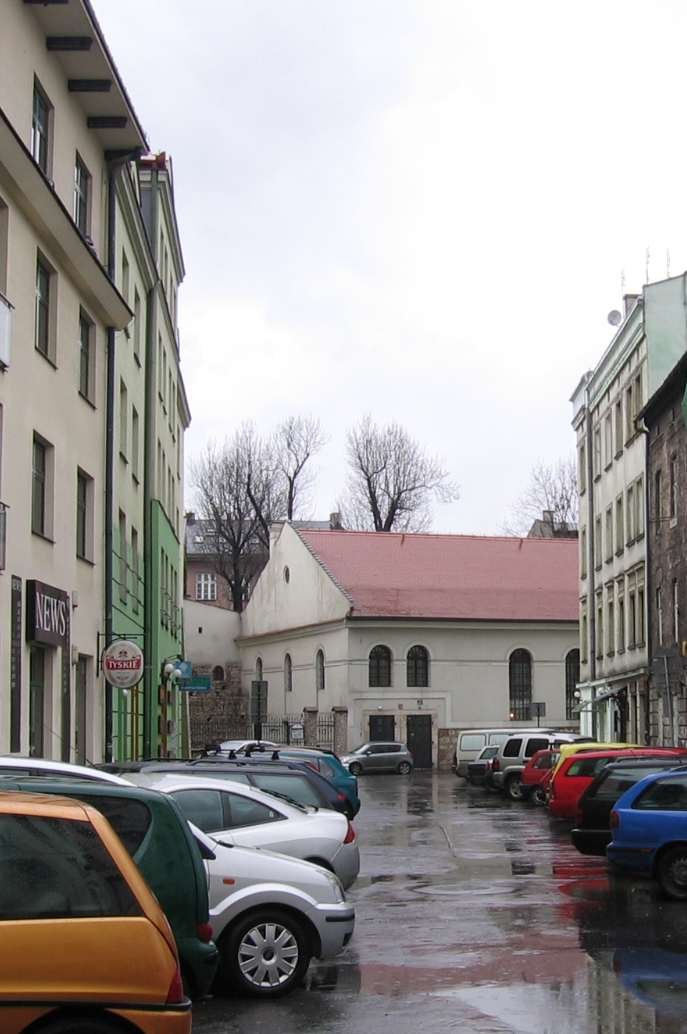
Photograph of Synagoga Kupa in Kraków, showcasing its historic Jewish architectural style and cultural heritage
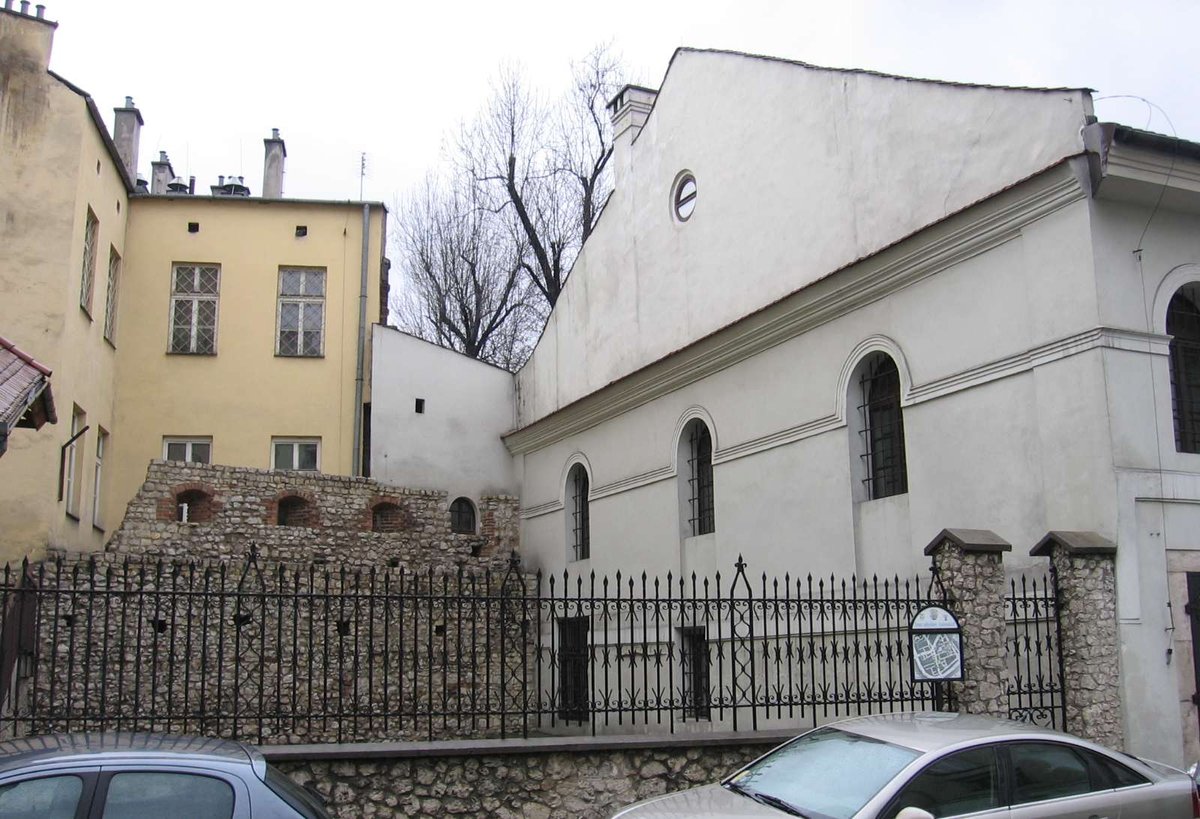
Synagoga Kupa, a historic synagogue located in Kraków, Poland, showcasing traditional architecture within the Jewish quarter.
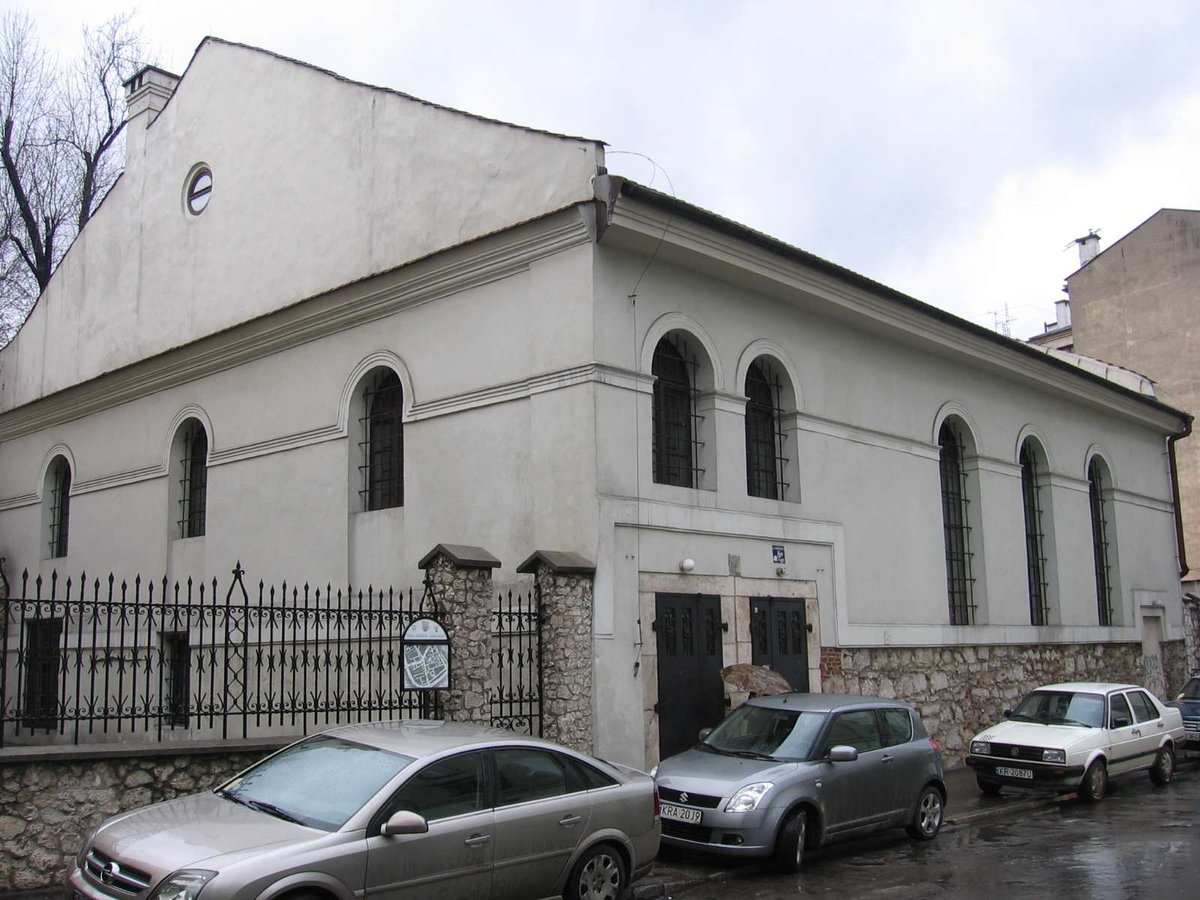
Detailed exterior photograph of Synagoga Kupa, a historic synagogue located in Krakow, showcasing its architectural features and cultural heritage.
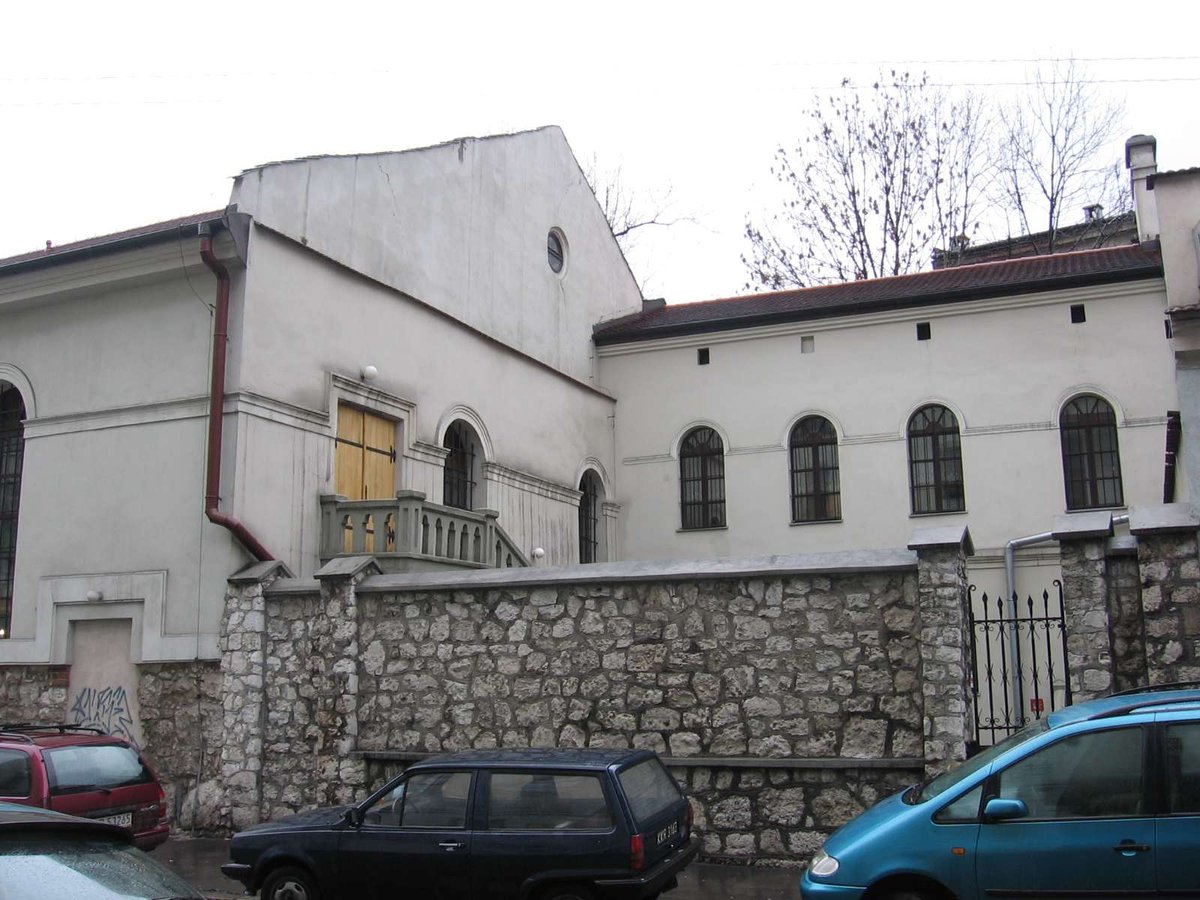
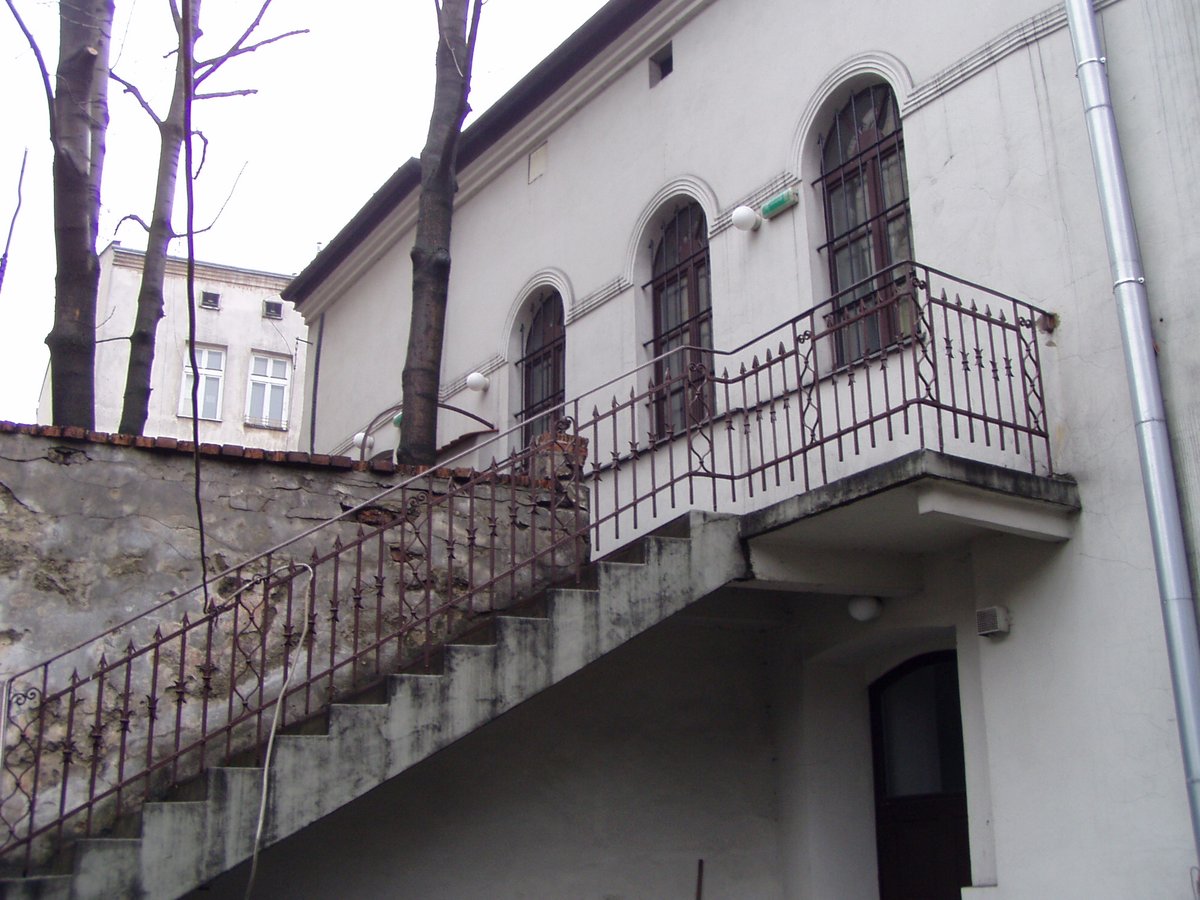
Exterior view of the historic Synagoga Kupa in Krakow, Poland, showcasing its architectural features.
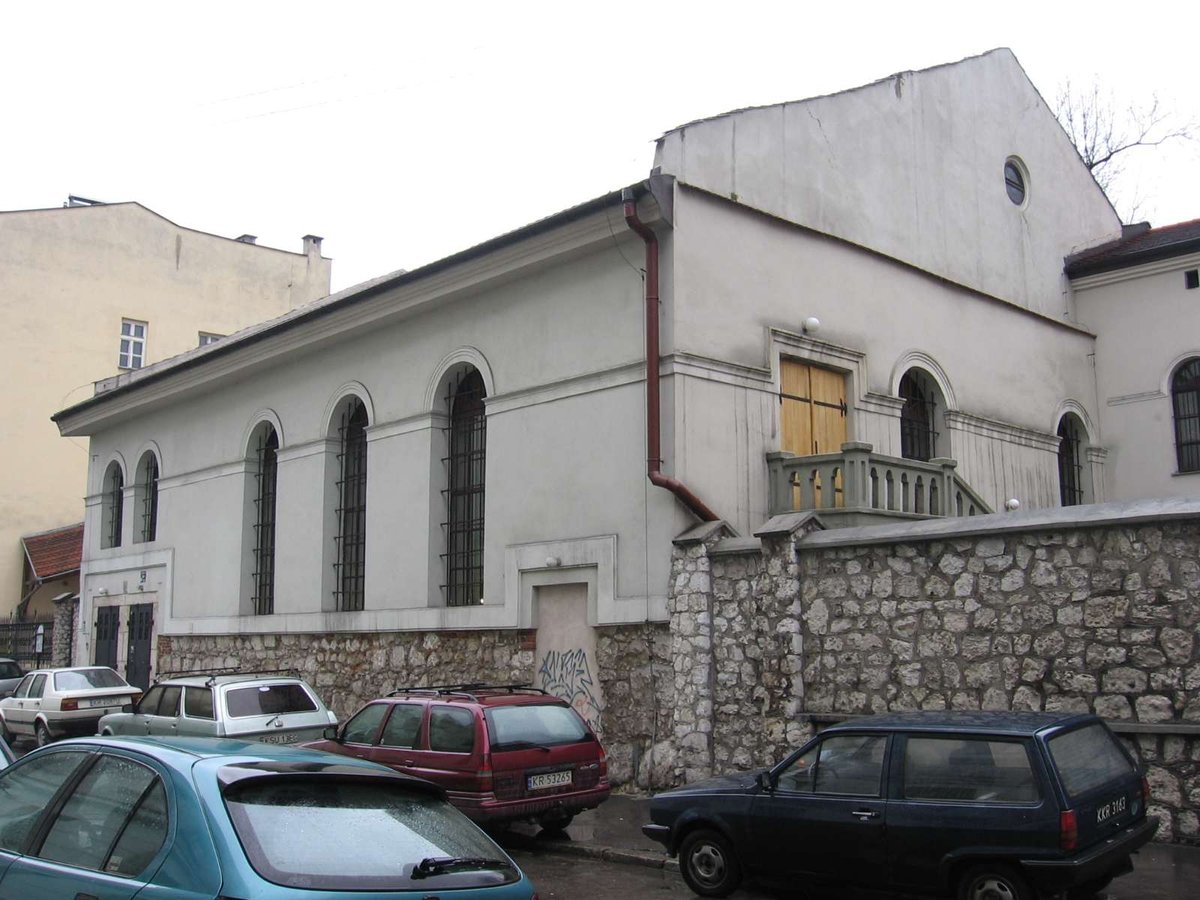
Photograph of Synagoga Kupa, a historic synagogue in Krakow, showcasing its detailed architectural features on the facade
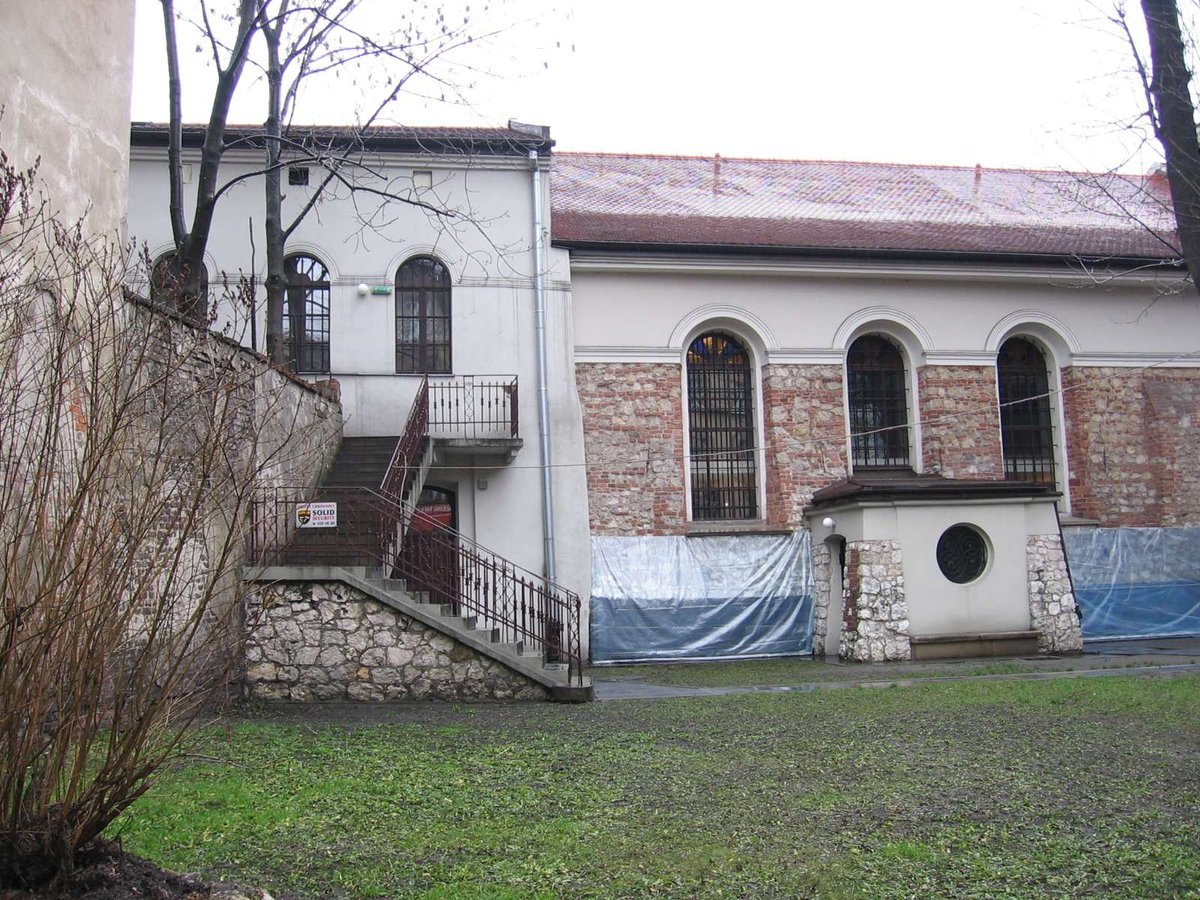
Photograph of Kupa Synagogue in Krakow, Poland, showcasing its historical architecture
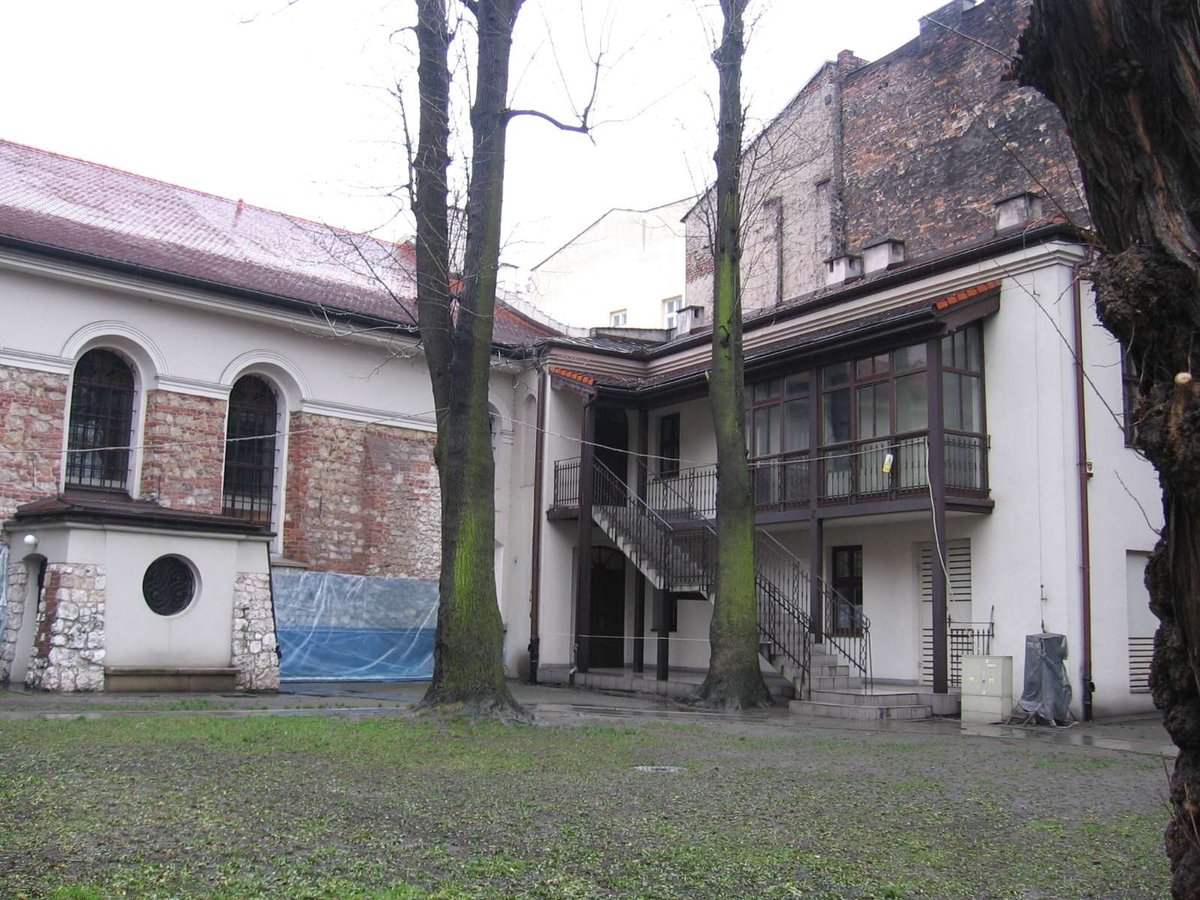
Exterior view of Synagoga Kupa in Krakow, showcasing its historic Jewish synagogue architecture
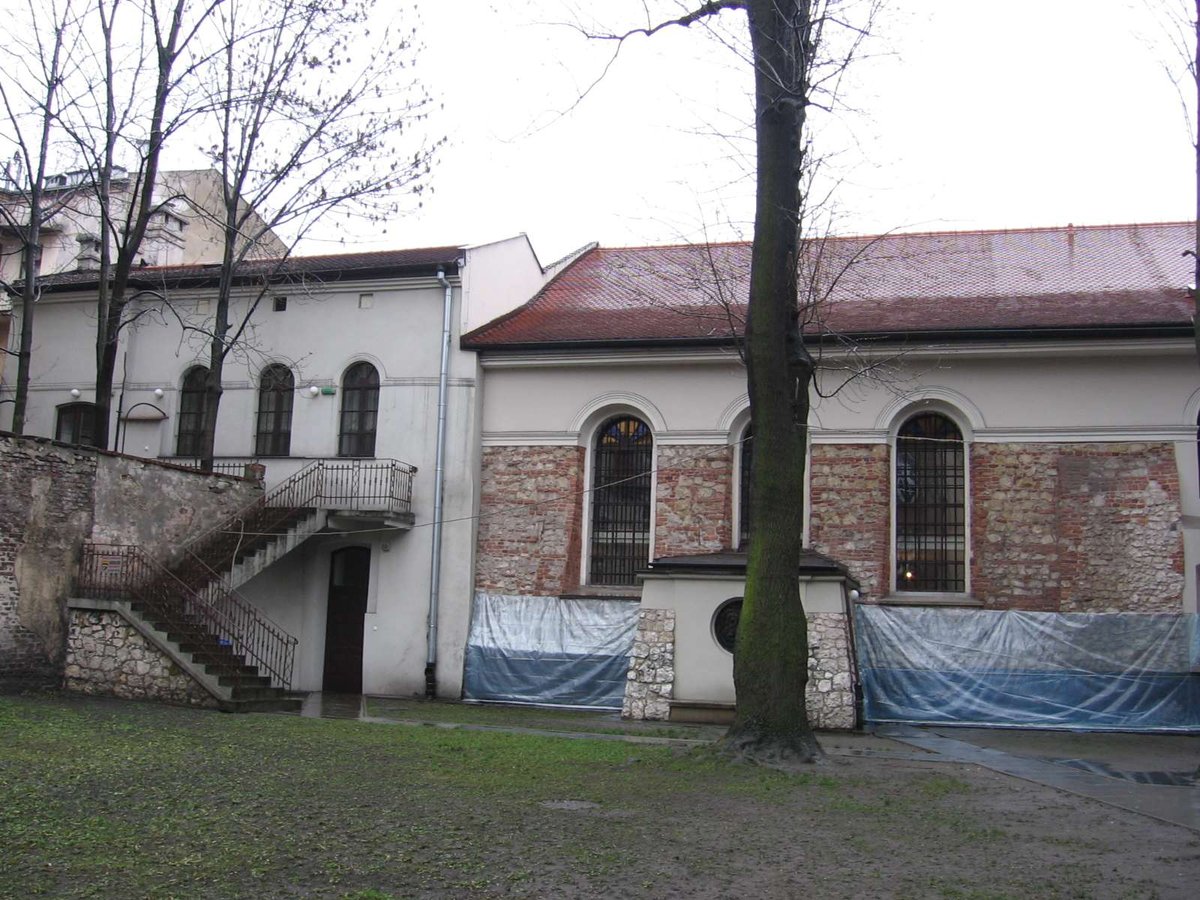
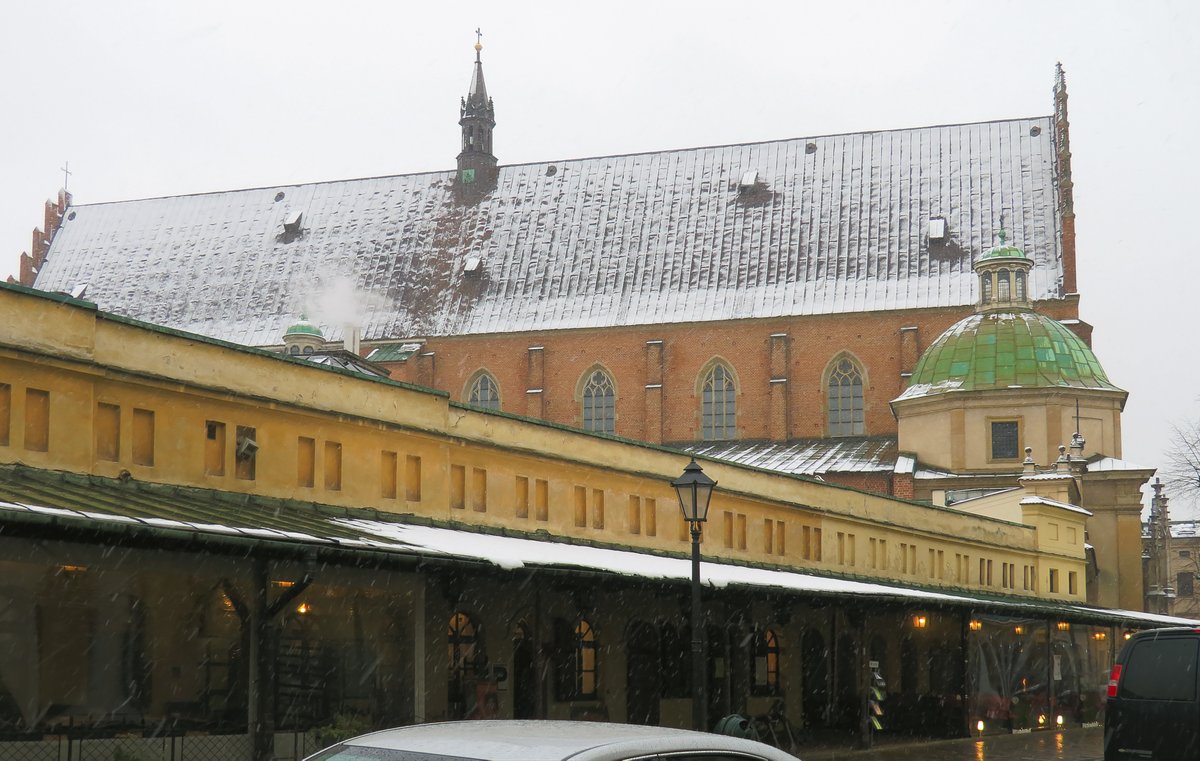
Synagogue Kupa in Krakow, Poland, a historic brick synagogue with arched windows and a tiled roof, captured on a cloudy day
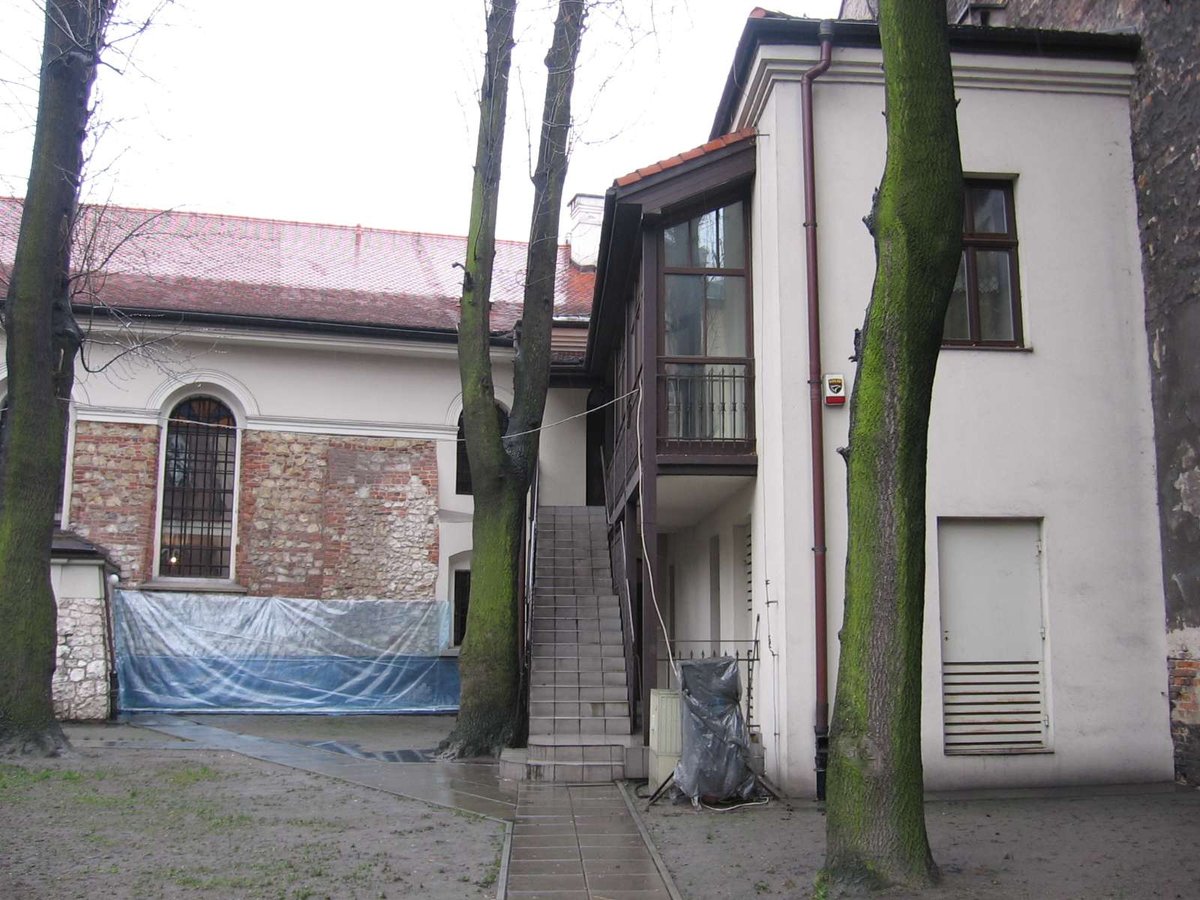
Exterior view of Kupa Synagogue in Krakow, historic Jewish synagogue building
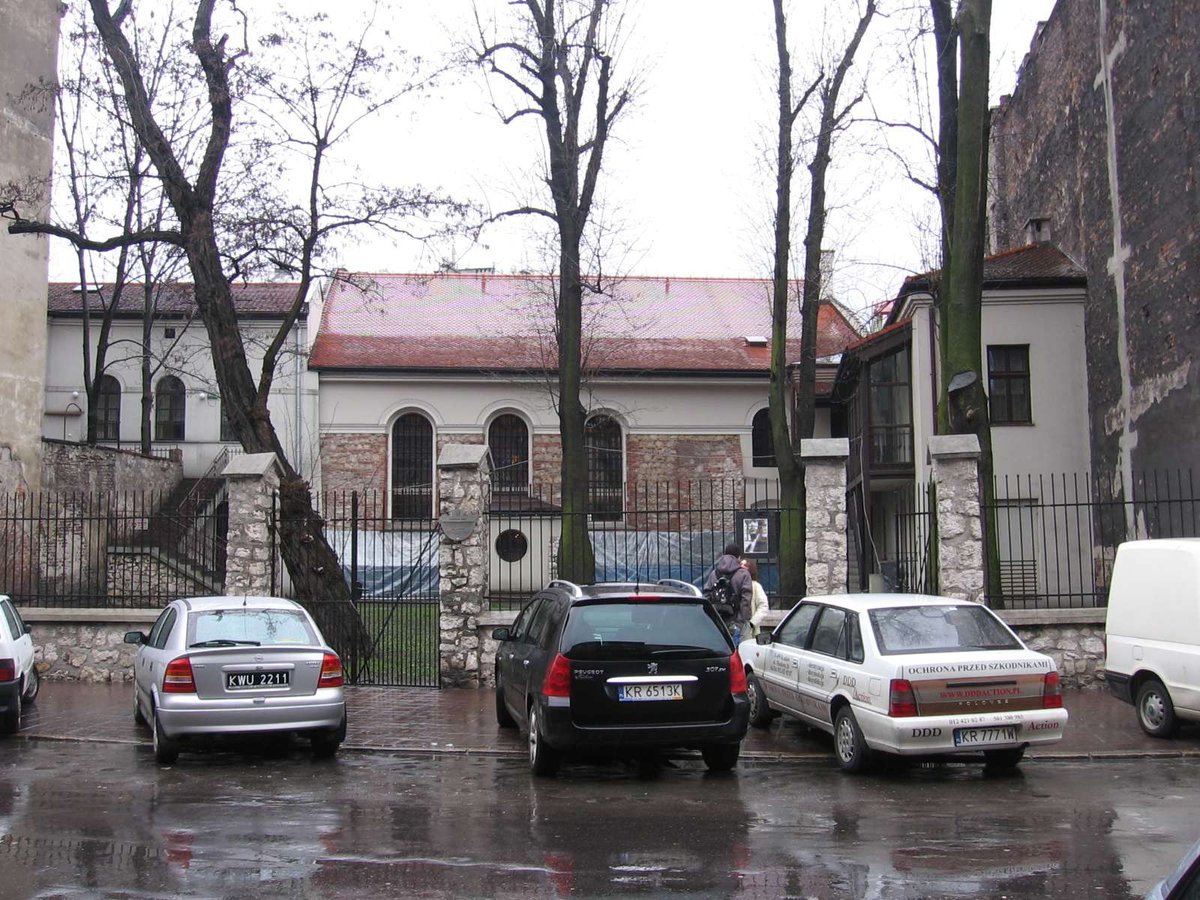
Exterior view of Kupa Synagogue, a historic Jewish synagogue located in the Kazimierz district of Krakow, Poland
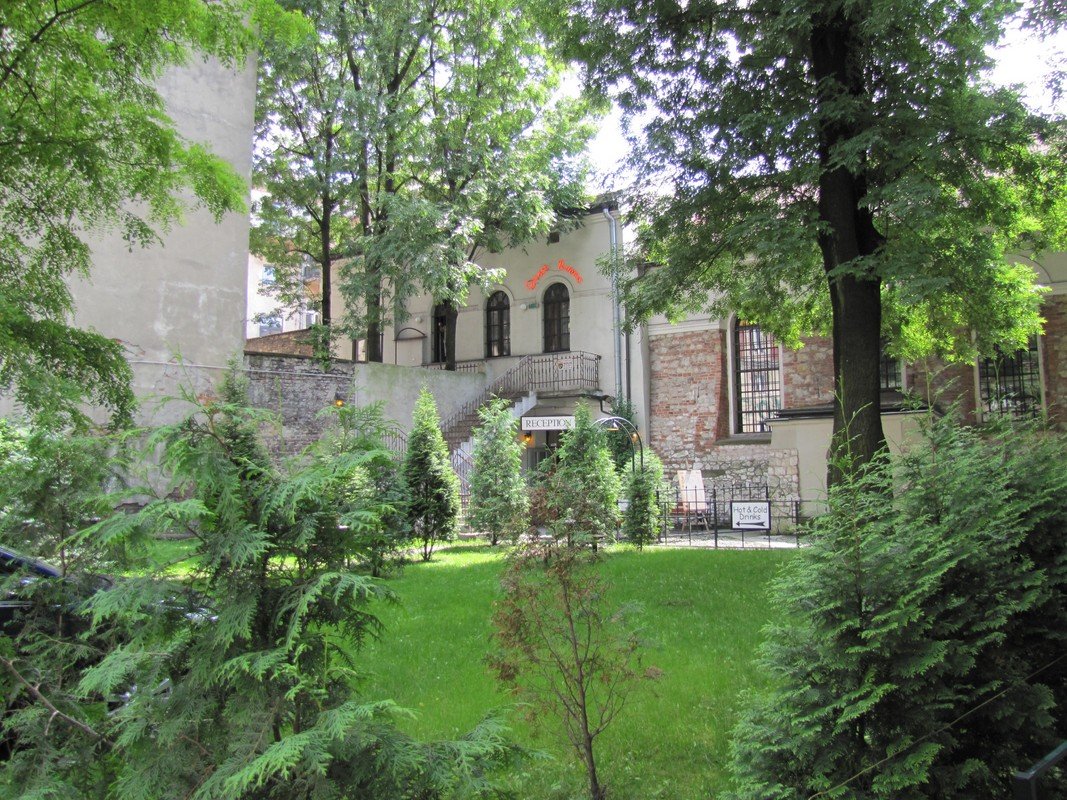
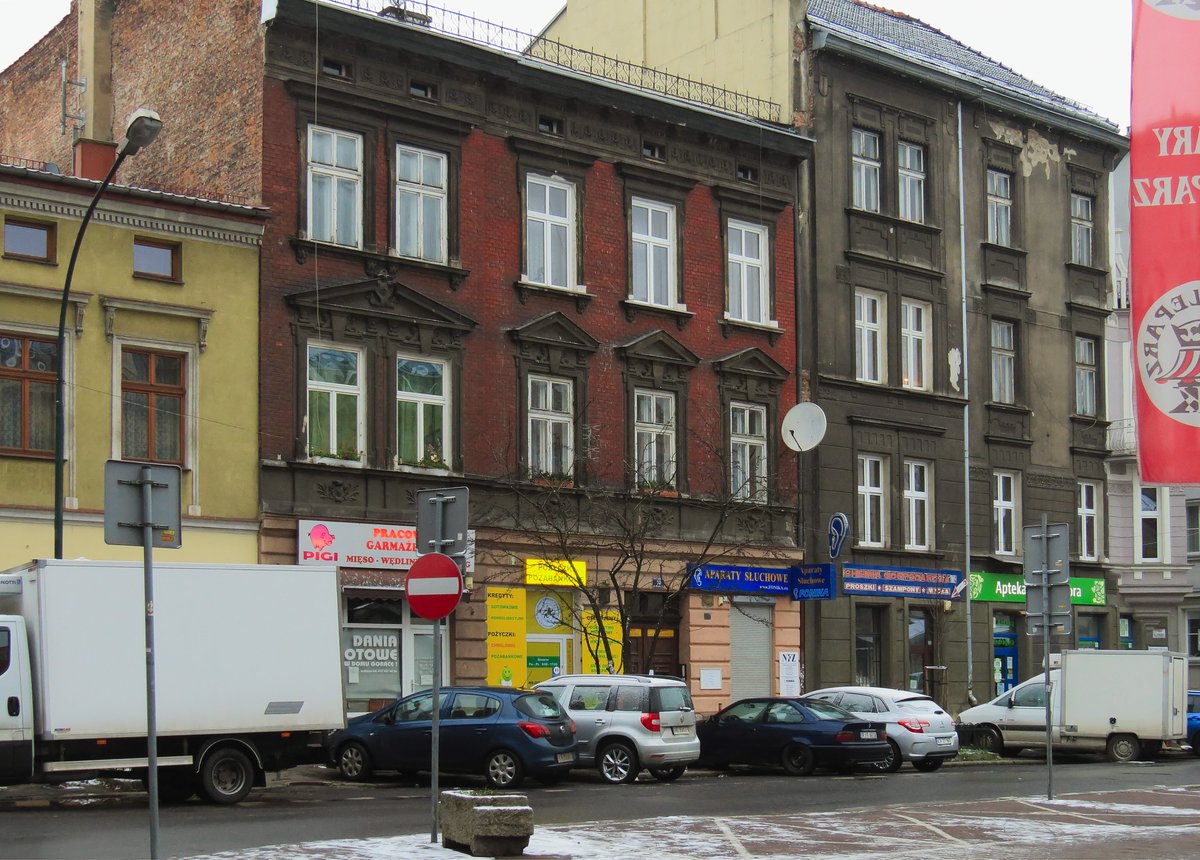
Exterior view of Kupa Synagogue located in Kazimierz district, Kraków, Poland, as seen from Miodowa street
Detailed view of the interior of Synagoga Kupa in Krakow showing traditional Jewish ceremonial elements and architectural details.
Historical Background and Community Foundations
The Kupa Synagogue was established in the 1640s–1650s through the collective support of local craftsmen and merchants, particularly the guild of Jewish goldsmiths (ITS Poland). Its charitable origins earned it the nickname "Synagogue of the Poor." Set against Kazimierz’s medieval defensive walls, it functioned as both a place of worship and a center for community aid.
Kazimierz became Kraków’s Jewish quarter in 1495, following the relocation of Jews from the Old Town. Over time, it evolved into a vibrant hub of Jewish religious, social, and cultural life, with the Kupa Synagogue playing a central role in supporting the less affluent and fostering communal unity (Secret Attractions).
Architectural Features and Artistic Heritage
The synagogue is a prime example of Baroque architecture, built on a rectangular plan with a square prayer hall set slightly below street level (zabytkikrakowa.com.pl). Its understated exterior is complemented by a richly decorated interior:
- Prayer Hall and Murals: The hall boasts a flat ceiling with geometric patterns and twelve medallions depicting biblical scenes and panoramas of holy cities like Jerusalem and Hebron. Vivid polychrome murals—some restored in the early 2000s—adorn the walls, including rare human figures and zodiac signs, which are unusual in Jewish art (cja.huji.ac.il).
- Aron Kodesh (Torah Ark): A late 17th or early 18th-century masterpiece in painted stucco, flanked by Corinthian columns and elaborate cornices.
- Women’s Gallery: Features a balustrade with painted zodiac signs and overlooks the main hall, reflecting traditional worship practices.
- Bimah Foundations: The original bimah has been reconstructed, with its outline marked in the center of the prayer hall.
- Decorative Elements: The synagogue’s artistic layers include floral motifs, Hebrew inscriptions, and symbolic showbread imagery.


Expansion, Wartime Destruction, and Restoration
In the 19th century, the synagogue was expanded with additional buildings and a garden, and its integration with Kazimierz’s city wall further defined its unique character (ITS Poland). The interior was refurbished and enhanced over time.
World War II brought desecration and severe damage; the synagogue was used for non-religious purposes under Nazi occupation and later as a bakery, slaughterhouse, and cooperative. Despite these disruptions, its core structure and many artistic treasures endured.
Comprehensive restoration began in the late 20th century, culminating in major conservation projects between 2000–2002. These efforts restored the Aron Kodesh, murals, and structural integrity, allowing the synagogue to reclaim its spiritual and cultural role (ITS Poland).
Contemporary Cultural Role
Today, the Kupa Synagogue is more than a historical monument—it is an active venue for religious services, cultural events, educational programs, and the annual Jewish Culture Festival. The festival transforms the synagogue and the wider Kazimierz district into a vibrant center of intercultural dialogue, music, art, and learning.
The synagogue also functions as a museum, offering exhibitions and guided tours that illuminate centuries of Jewish life in Kraków (Jewish Krakow).
Visiting Kupa Synagogue: Hours, Tickets, and Accessibility
Address
27 Miodowa Street, Kazimierz, Kraków
Visiting Hours
- Summer (April–October): 10:00 a.m. – 6:00 p.m.
- Winter (November–March): 10:00 a.m. – 4:00 p.m.
- Closed: Saturdays (Sabbath), Jewish holidays, and during private events.
Always check the current schedule before your visit (gwzkrakow.pl; Introducing Krakow).
Tickets and Admission
- Suggested Donation: 10–15 PLN (approx. €2.50–€3.50), payable at the entrance.
- Proceeds support preservation efforts.
- Tickets can be purchased on-site; group and guided tours should be booked in advance (gwzkrakow.pl).
Accessibility
- Some areas are accessible, but the historic structure may limit mobility for visitors with disabilities. Inquire in advance for accommodations.
Dress Code and Visitor Etiquette
- Dress modestly: shoulders and knees covered.
- Men should wear a kippah (provided at the entrance).
- Maintain respectful silence, especially during services or prayer.
- Photography is permitted but avoid flash and filming during religious functions (krakow-info.com).
Planning Your Visit: Tips and Best Times
- Visit on weekday mornings to avoid crowds.
- Check the synagogue’s calendar for events or temporary closures.
- Public transport (trams 6, 10, 13; buses 184, 610, 904) stops nearby.
- No on-site café or restrooms; facilities are available in the Kazimierz district.
Nearby Attractions and Suggested Itineraries
Kazimierz is home to several other notable synagogues and Jewish heritage sites, all within walking distance:
- Tempel Synagogue (108 m)
- Isaac Synagogue (121 m)
- Remuh Synagogue and Cemetery (130 m)
- High Synagogue (192 m)
- Old Synagogue (252 m)
Plan a walking tour to immerse yourself in Kraków’s Jewish history (introducingkrakow.com).
Educational and Intercultural Impact
As a center for intercultural education, the Kupa Synagogue offers guided tours, lectures, and exhibitions that highlight Jewish contributions to Kraków’s cultural heritage. Programs focus on themes of tolerance, coexistence, and the dangers of prejudice, making it a meaningful site for visitors of all backgrounds.
Frequently Asked Questions (FAQ)
Q: What are the Kupa Synagogue visiting hours?
A: 10:00 a.m. to 6:00 p.m. in summer; 10:00 a.m. to 4:00 p.m. in winter; closed Saturdays and Jewish holidays.
Q: How much does admission cost?
A: 10–15 PLN (approx. €2.50–€3.50) donation.
Q: Is the synagogue accessible for people with disabilities?
A: Some accessibility, but historic features may present challenges. Contact ahead for details.
Q: Are guided tours available?
A: Yes, in English and Polish; advance booking recommended.
Q: What is the dress code?
A: Modest attire required; men should wear a kippah.
Discover More
Plan your visit to the Kupa Synagogue and discover the depth of Kraków’s Jewish heritage. For the latest updates on visiting hours, tickets, and events, download the Audiala app, explore related articles on our website, and follow us on social media for insider tips and cultural highlights.
Listen to the full story in the app
Your Personal Curator, in Your Pocket.
Audio guides for 1,100+ cities across 96 countries. History, stories, and local insight — offline ready.
Audiala App
Available on iOS & Android
Join 50k+ Curators
Sources
- verified
- verified
- verified
- verified
- verified
Last reviewed: