Plan and listen to Krakus Mound with Audiala.
Audio guide in your pocket, itinerary in your browser. Built for the way you actually visit.
Introduction
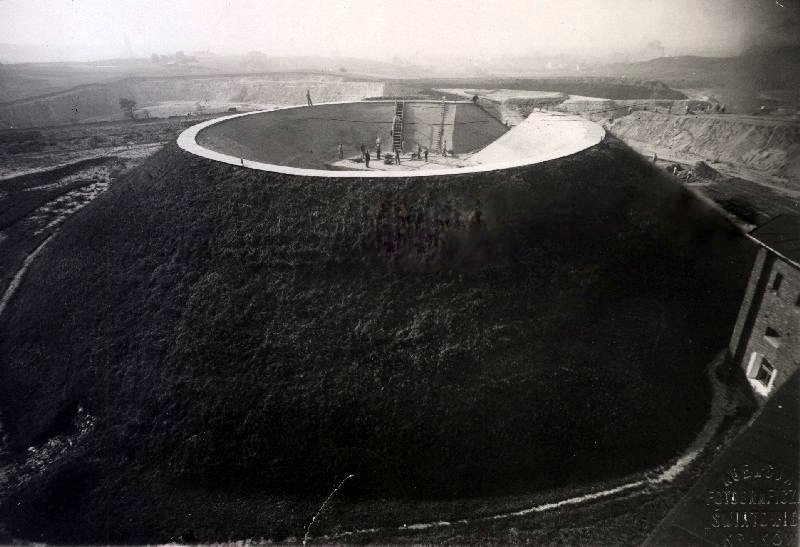
Krakus Mound, or Kopiec Krakusa, is a captivating ancient structure located in the historic city of Kraków, Poland. Believed to be one of the oldest man-made structures in the region, it dates back to the 7th century. Shrouded in legend and mystery, the mound is traditionally considered the burial site of Krakus, the legendary founder of Kraków, who is fabled to have defeated a dragon that once terrorized the area. This legend is a cornerstone of Polish folklore, embedding Krakus Mound deeply into the cultural and historical fabric of Kraków (Krakus Mound).
Archaeological excavations, beginning in the 1930s under the guidance of Polish archaeologist Janusz Kotlarczyk, have unearthed a variety of artifacts, including pottery and tools, suggesting the mound's use for both ceremonial and burial purposes. These findings have provided a glimpse into the complex history of the site, which is also aligned with the sunrise on the spring equinox, hinting at its possible use as an ancient calendar or observatory (Krakus Mound Archaeology).
Throughout the medieval period and into modern history, Krakus Mound has been a symbol of both cultural significance and strategic importance. It has served as a lookout point, a nationalist symbol during the partitions of Poland, and today, it is preserved as a national monument. The mound also plays a central role in local traditions, such as the Rękawka Festival, where locals celebrate with folk activities and reenactments (Krakus Mound History).
For visitors today, Krakus Mound offers a unique blend of history, legend, and natural beauty. Open year-round and free of charge, it is an accessible and enriching destination for history enthusiasts and casual tourists alike, providing panoramic views of Kraków and the surrounding countryside (Visitor Information).

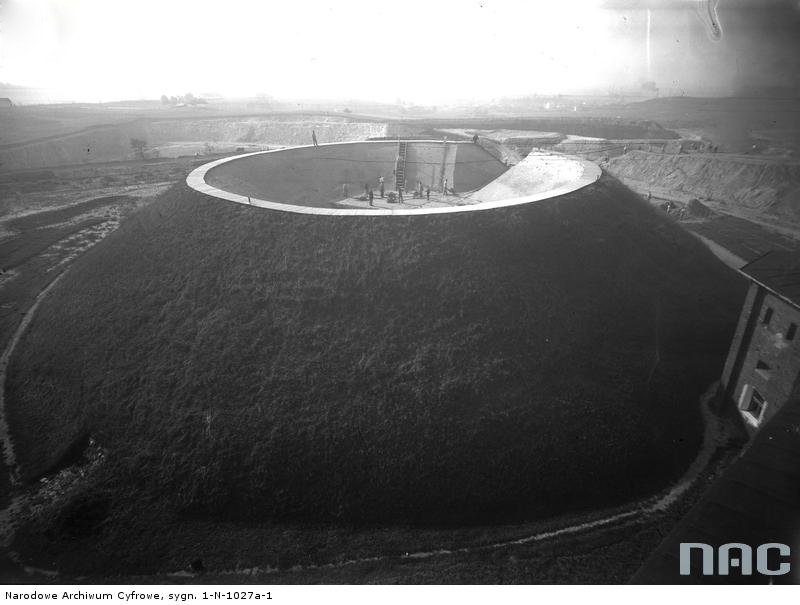
Exploring Krakus Mound - History, Visiting Hours, Tickets, and More
Origins and Legends
Krakus Mound, known as Kopiec Krakusa in Polish, is one of the oldest and most enigmatic structures in Kraków, Poland. The mound is traditionally believed to be the burial site of Krakus (or Krak), the legendary founder of Kraków. According to local legend, Krakus was a prince who defeated a dragon that terrorized the area, and the mound was constructed by the local people in his honor. This legend is deeply embedded in Polish folklore and contributes significantly to the cultural and historical significance of the site (Krakus Mound).
Archaeological Findings
Archaeological excavations have provided some insights into the mound's origins, although much remains shrouded in mystery. The first significant archaeological work was conducted in the 1930s by Polish archaeologist Janusz Kotlarczyk. His findings suggested that the mound dates back to the 7th century, making it one of the oldest man-made structures in Poland. The excavations revealed a variety of artifacts, including pottery and tools, which indicate that the site was used for both ceremonial and possibly burial purposes (Krakus Mound Archaeology).
Historical Significance
The historical significance of Krakus Mound extends beyond its legendary origins. The mound is part of a group of four prehistoric mounds in Kraków, which also includes Wanda Mound, Kościuszko Mound, and Piłsudski Mound. These mounds are believed to have served various ceremonial and possibly astronomical purposes. Krakus Mound, in particular, is aligned with the sunrise on the spring equinox, suggesting that it may have been used as an ancient calendar or observatory (Prehistoric Mounds).
Medieval and Modern History
During the medieval period, Krakus Mound continued to hold cultural and strategic importance. It was used as a lookout point due to its elevated position, providing a strategic advantage for monitoring the surrounding area. In the 19th century, the mound became a symbol of Polish nationalism during the partitions of Poland. It was during this time that the mound was restored and preserved as a national monument (Krakus Mound History).
Cultural and Ritual Significance
Krakus Mound has long been a site of cultural and ritual significance. One of the most notable traditions associated with the mound is the Rękawka Festival, which takes place on the Tuesday following Easter. This festival, whose name is derived from the Slavic word for "handful," involves the symbolic act of throwing earth onto the mound, reminiscent of the legend that the mound was built by people carrying earth in their sleeves. The festival includes various folk activities, games, and reenactments, drawing both locals and tourists (Rękawka Festival).
Preservation and Tourism
In recent years, efforts have been made to preserve Krakus Mound and promote it as a tourist attraction. The site is maintained by the city of Kraków, and various initiatives have been undertaken to ensure its preservation. Information boards and guided tours are available to educate visitors about the mound's history and significance. The site offers panoramic views of Kraków, making it a popular spot for both history enthusiasts and casual tourists (Krakus Mound Tourism).
Modern Interpretations and Research
Modern research continues to explore the origins and significance of Krakus Mound. Recent studies have employed advanced techniques such as ground-penetrating radar and 3D modeling to gain a better understanding of the mound's structure and contents. These studies aim to uncover more about the mound's construction, its purpose, and its place in the broader context of European prehistoric sites (Modern Research).
Visitor Information
For visitors, Krakus Mound offers a unique blend of history, legend, and natural beauty. The site is accessible year-round, and there is no entrance fee. Visitors can enjoy a leisurely walk to the top of the mound, where they are rewarded with stunning views of Kraków and the surrounding countryside. The site is also a popular spot for picnics and outdoor activities, making it a versatile destination for tourists of all interests (Visitor Information).
Visiting Hours
Krakus Mound is open to visitors 24 hours a day, seven days a week. It is particularly beautiful at sunrise and sunset, which also tend to be less crowded times to visit.
Ticket Prices
There is no entrance fee to visit Krakus Mound, making it an affordable attraction for all visitors.
Travel Tips
- Getting There: Krakus Mound is located in the Podgórze district of Kraków. It is easily accessible by public transport, including trams and buses. For those driving, there is parking available nearby.
- Best Time to Visit: Spring and autumn are the best times to visit due to the mild weather and beautiful foliage. The Rękawka Festival in spring is a unique cultural experience worth planning your visit around.
- Nearby Attractions: Don't miss the nearby Podgórze Market Square and the historic Liban Quarry, which is a short walk from the mound.
- Accessibility: The path to the top of the mound is fairly steep and may not be suitable for visitors with mobility issues.
- Guided Tours: Guided tours are available and can provide a deeper understanding of the mound's history and significance.
Frequently Asked Questions (FAQ)
Q: What are the visiting hours for Krakus Mound? A: Krakus Mound is open 24 hours a day, seven days a week.
Q: Is there an entrance fee for Krakus Mound? A: No, there is no entrance fee to visit Krakus Mound.
Q: How do I get to Krakus Mound? A: The mound is located in the Podgórze district of Kraków and is accessible via public transport, including trams and buses. Parking is also available nearby.
Q: Are there any special events at Krakus Mound? A: Yes, the Rękawka Festival held on the Tuesday following Easter is a major event at the mound, featuring folk activities, games, and reenactments.
Q: Is the site accessible for visitors with mobility issues? A: The path to the top of the mound is steep and may not be suitable for visitors with mobility issues.
Discover More
Discover the rich history and breathtaking views of Krakus Mound by planning your visit today. Don't forget to download the Audiala mobile app for more travel tips and insights on Kraków's historical sites. Follow us on social media for updates and more exciting content about Kraków and its treasures.
Listen to the full story in the app
The whole Krakus Mound,
told well.
Audio guides for 1,100+ cities across 96 countries. History, stories, and local insight — offline ready.
Verified, and shown.
Researched and written by the Audiala editorial team from historical records, architectural archives, and local expertise.
Researched from Wikidata, Wikipedia & official sources · fact-checked · How we make our guides →