Introduction
Nestled in the heart of Kraków’s Old Town, Collegium Maius is not only the oldest building of the Jagiellonian University but also one of the most significant academic and architectural landmarks in Central Europe. Founded in 1364 by King Casimir the Great and revitalized in 1400 through the patronage of King Władysław Jagiełło and Queen Jadwiga, Collegium Maius has borne witness to centuries of scholarly pursuit and cultural resilience. The site is celebrated for its medieval architecture, intellectual legacy, and its role as a living monument of Poland’s academic heritage (Jagiellonian University History). This comprehensive guide offers detailed information about visiting hours, tickets, accessibility, guided tours, and nearby attractions, ensuring visitors can plan an enriching experience at this Kraków historical site (Collegium Maius Official).
Collegium Maius traces its roots to the 14th-century establishment of the Kraków Academy by King Casimir the Great (Jagiellonian University History). Originally called Studium Generale, the university comprised faculties of liberal arts, medicine, and law. After a period of dormancy, the institution was revived in 1400 by King Władysław Jagiełło using funds bequeathed by Queen Jadwiga. This set the stage for the university’s rise to prominence in Central European academia (ITS Poland).
The main college, initially known as Collegium Regium, underwent significant expansion in the 15th and 16th centuries, acquiring adjacent buildings and evolving into the quadrangle form recognizable today (Medieval Heritage). By 1540, the structure had become the heart of academic life, housing lecture halls, the library, treasury, and even a disciplinary cell (University Heritage).
Architectural Significance
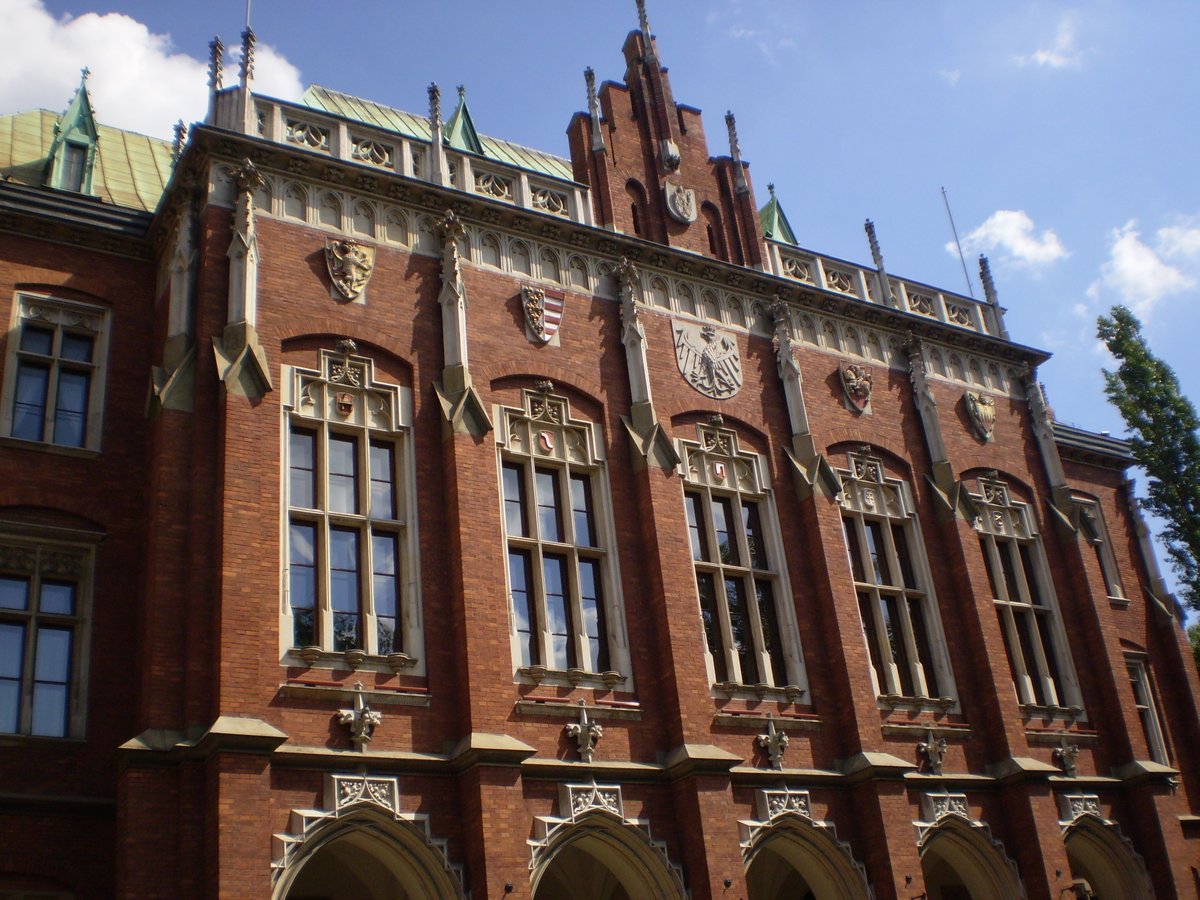
A masterpiece of late Gothic secular architecture, Collegium Maius features arcaded galleries, decorative gables, diamond vaults, and the iconic Porta Aurea (Golden Gate). Its design reflects influences from Czech, Italian, and German traditions, with similarities to Prague’s Collegium Carolinum (University Heritage). Key interior spaces—such as Plato’s lecture room, the Pythagorean lecture room with preserved didactic wall paintings, the Stuba Communis (dining hall), and the Great Hall—have survived largely unaltered (Medieval Heritage).
One of the building’s treasures is the Jagiellonian globe, among the earliest globes to depict the Americas (Astronomical Heritage). The Copernicus Room preserves rare astronomical instruments, including a 1054 astrolabe (Karnet Krakow Culture).
Collegium Maius as Academic and Cultural Center
Throughout the late Middle Ages and Renaissance, Collegium Maius served as the university’s administrative core. The rector, deans, and university elders worked here, convening for important ceremonies and safeguarding the institution’s heritage. The university’s autonomy is reflected in features like the disciplinary cell (University Heritage), while the library and treasury became repositories of knowledge and scientific instruments. The building’s significance only grew during the university’s golden age in the 15th and 16th centuries, when it attracted scholars from across Europe (Karnet Krakow Culture).
Notably, Collegium Maius was the academic home of Nicolaus Copernicus, whose revolutionary heliocentric theory transformed astronomy (ITS Poland).
Restorations and Modern Role
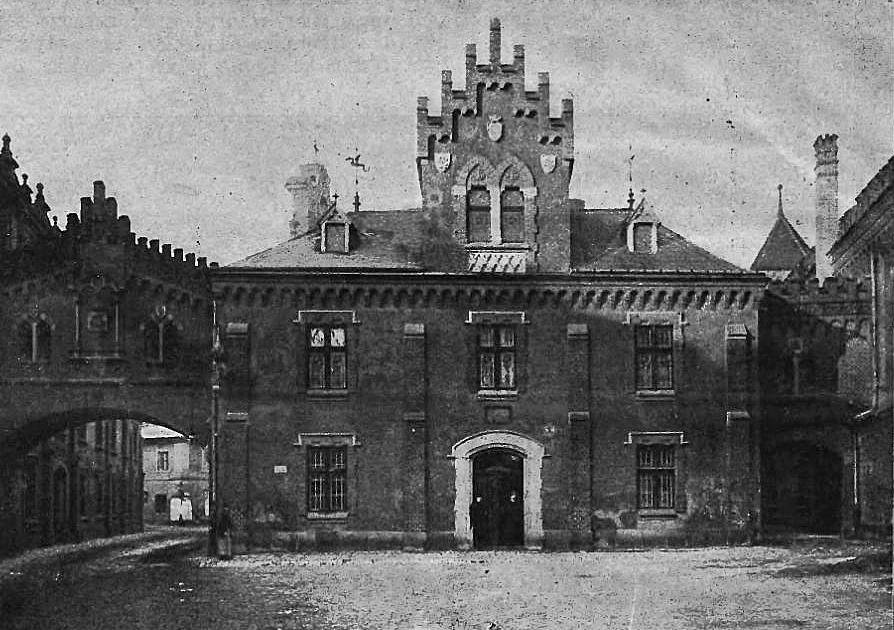
Collegium Maius retained its medieval character until the 19th century, when it underwent neo-Gothic renovations to accommodate the Jagiellonian Library (Medieval Heritage). Subsequent efforts, notably under Professor Karol Estreicher between 1949 and 1964, restored the building to its original Gothic form and prepared it for its new role as the Jagiellonian University Museum (University Heritage).
Since 1947, the museum has preserved over 1,400 paintings, 5,000 prints, a vast array of scientific instruments, manuscripts, and artifacts spanning the 15th to 21st centuries (ITS Poland). The museum hosts interactive exhibitions and educational workshops, keeping academic traditions alive.
Visiting Information: Hours, Tickets, and Tours
Visiting Hours
- Guided Tours (Main Exhibition):
- Tuesday–Friday: 10:00–13:00 (last entry 12:30)
- Extended guided tours (scientific instruments): Tuesday–Friday: 13:00 (English); Friday: 11:00 (Polish)
- Self-Guided Tours:
- Monday: 10:00–17:00 (last entry 16:30)
- Tuesday–Friday: 13:30–17:00 (last entry 16:30)
- Saturday: 10:00–15:00 (last entry 14:30)
- Free Entry: Wednesdays, 13:30–17:00 (self-guided only)
- Courtyard: Daily, 9:00–18:30
Check the official website for updates.
Ticket Prices
- Main Exhibition (Self-Guided):
- Adults: 17 PLN
- Students/Seniors: 10 PLN
- Family ticket: 45 PLN
- Children under 7: Free
- Main Exhibition (Guided):
- Adults: 26 PLN
- Students: 14 PLN
- Children under 7: Free
- Extended Exhibition (Guided):
- Adults: 31 PLN
- Students: 25 PLN
- Children under 7: Free
Free entry on Wednesdays (13:30–17:00, self-guided only). Tickets can be purchased at the museum or online via the official portal.
Guided Tours and Languages
Guided tours are highly recommended and offered in multiple languages: Polish, English, German, French, Italian, Spanish, and Russian (Collegium Maius Official). Advance booking is advised, especially for tours in languages other than Polish and English.
Facilities, Accessibility, and Visitor Experience
- Courtyard: Open daily, free of charge, 9:00–18:30. The arcaded courtyard, with its historic well and decorative cloisters, is a highlight for visitors (krakow.travel).
- Professor’s Garden: Seasonal access, offering a peaceful green retreat.
- Cafeteria: Open daily for light refreshments.
- Gift Shop: Sells books, memorabilia, and souvenirs.
- Accessibility: The courtyard and ground floor are accessible; some upper floors have limited access due to the medieval architecture. Ramps and restrooms are available. Contact the museum in advance for assistance (Collegium Maius Official).
- Photography: Allowed in the courtyard and public areas; restrictions may apply inside exhibitions.
Nearby Attractions and Suggested Itineraries
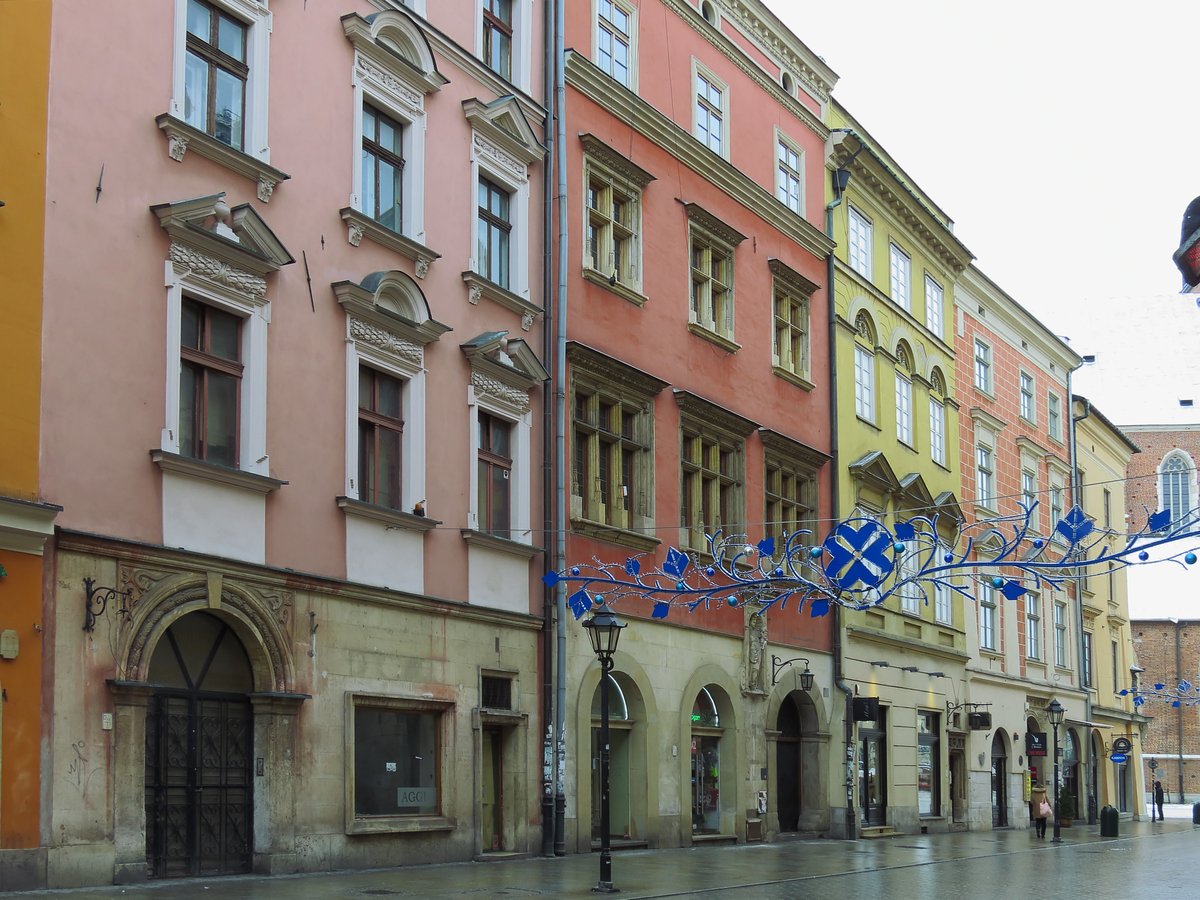
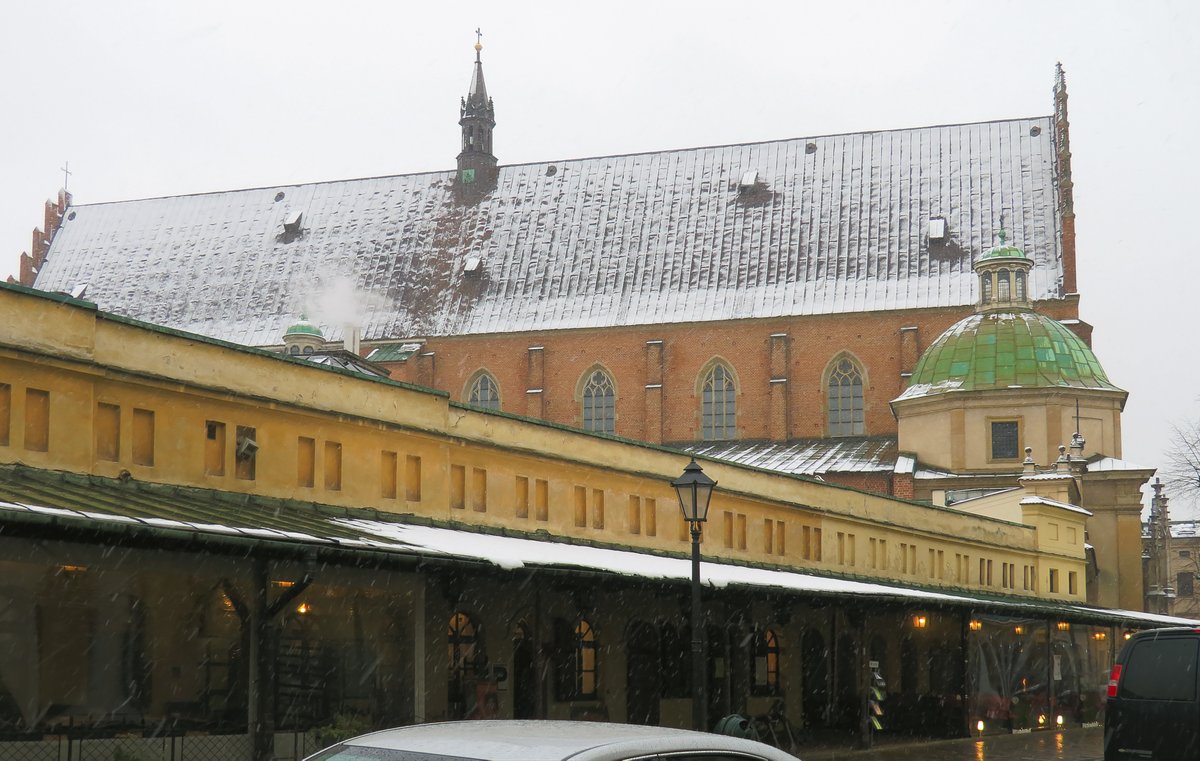
Collegium Maius is ideally situated in Kraków’s Old Town, a short walk from the Main Market Square, St. Mary’s Basilica, the Cloth Hall, and Wawel Castle (Introducing Krakow). The Professors’ Garden and Estreicher’s Alley offer additional tranquil spaces during warmer months. The museum is also accessible by tram and bus; there is no dedicated parking, so use public facilities nearby.
For a full cultural experience, combine your visit with these attractions and enjoy the vibrant cafés and restaurants of Kraków’s historic center.
Frequently Asked Questions (FAQ)
Q: What are the official Collegium Maius visiting hours?
A: Hours vary by tour type—see details above. The courtyard is open daily from 9:00 to 18:30.
Q: How can I purchase tickets?
A: At the museum or online via the official ticketing portal.
Q: Are guided tours available in multiple languages?
A: Yes; advance booking is recommended for tours in languages other than Polish and English.
Q: Is Collegium Maius accessible for visitors with disabilities?
A: The courtyard and ground floor are accessible, but some historic interiors have limited access. Contact the museum for assistance.
Q: Can I take photos inside the museum?
A: Yes, in the courtyard and public areas; check with staff for exhibition room policies.
Q: Are there free entry days?
A: Yes, Wednesdays from 13:30 to 17:00 for self-guided tours.
Listen to the full story in the app
Your Personal Curator, in Your Pocket.
Audio guides for 1,100+ cities across 96 countries. History, stories, and local insight — offline ready.
Audiala App
Available on iOS & Android
Join 50k+ Curators
Sources
- verified
- verified
- verified
- verified
- verified
- verified
- verified
- verified
- verified
- verified
Last reviewed: