Introduction
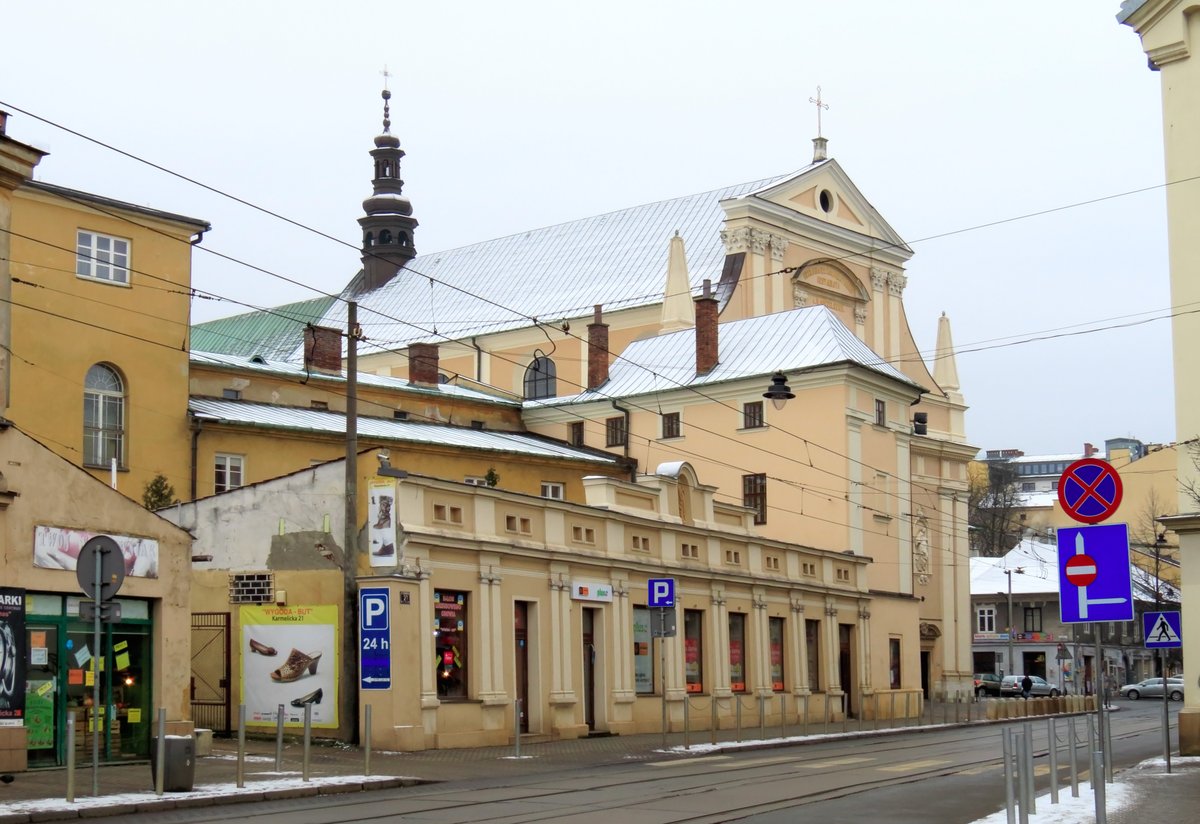
Nestled in Kraków’s Old Town, the Church of the Holy Cross (Kościół Świętego Krzyża) stands as a striking example of Poland’s medieval Gothic architecture and religious tradition. With origins dating to the late 12th or early 13th century, the church reflects Kraków’s evolution as a center of faith, culture, and community. This guide offers a thorough overview of the church’s history, architectural highlights, visiting hours, ticket policies, accessibility, and practical tips—ensuring visitors make the most of their experience at this significant Kraków historical site.
For up-to-date information, consult official tourism resources (krakow.travel, medievalheritage.eu, visitmalopolska.pl).
Origins and Medieval Development
The Church of the Holy Cross is one of Kraków’s oldest ecclesiastical buildings, with roots in the late 12th or early 13th century. Its initial establishment coincided with Kraków’s rise as a major political and religious nucleus in Poland. The church’s earliest documentation dates from 1234, suggesting an original Romanesque structure, likely built in wood before being reconstructed in stone (krakow.travel). Its dedication to the Holy Cross reflects the period’s prevalent veneration of Passion relics, shaping its religious identity for centuries.
Situated by the Okół settlement near the city’s defensive walls, the church was historically positioned as a spiritual waypoint for travelers and pilgrims entering medieval Kraków.
Architectural Evolution
Romanesque and Gothic Features
The earliest phase reveals Romanesque traits: thick stone walls, small windows, and a modest rectangular nave. Following a destructive fire in the 13th century, the church underwent a significant Gothic transformation. It was rebuilt with pointed arches, ribbed vaults, and slender columns—most notably, its unique palm vaulting in the presbytery, a rarity in Polish Gothic architecture (krakow.wiki).
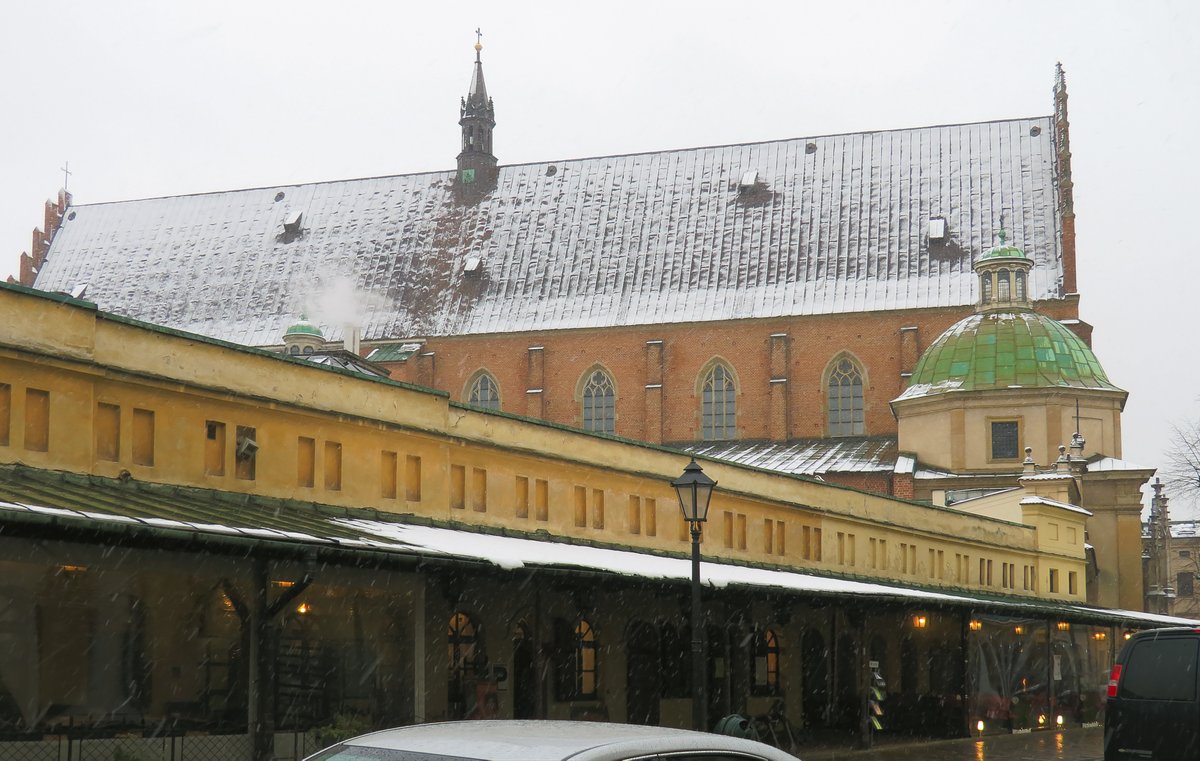
The single-nave design, polygonal chancel, and slender bell tower typify the Central European Gothic style, with brick exteriors and stone detailing. Later centuries saw Baroque interior enhancements, including new altars and polychrome decorations, but careful conservation has preserved its medieval character (thecatholictravelguide.com).
Cultural and Religious Significance
Throughout the Middle Ages and Renaissance, the church was central to Kraków’s religious life, hosting processions, penitential rites, and attracting pilgrims thanks to its relics and proximity to Jagiellonian University. In the Baroque era, it became a center for Marian and saintly devotion, and its acoustics made it a venue for sacred music.
During Kraków’s various occupations and periods of foreign rule, the church served as a symbol of national resilience and a gathering place for clandestine patriotic events. Today, it continues as an active parish, hosting Masses, concerts, and community events, and is recognized as a key heritage site (krakow.travel).
Notable Events and Figures
- Jan Długosz: The famed 15th-century Polish chronicler, closely associated with the church, contributed greatly to recording its and Poland’s religious history.
- Artistic Heritage: Home to Gothic crucifixes, polychrome murals, Renaissance confessionals, and a 15th-century sacramentary.
- Restoration: Major conservation efforts in the 19th and 20th centuries preserved its structure and revealed hidden frescoes.
- Modern Engagement: The church actively hosts religious processions, concerts, and special liturgies, maintaining its relevance in Kraków’s cultural life (thecatholictravelguide.com).
Visitor Information
Location and Accessibility
- Address: ul. Św. Krzyża 23, 31-023 Kraków.
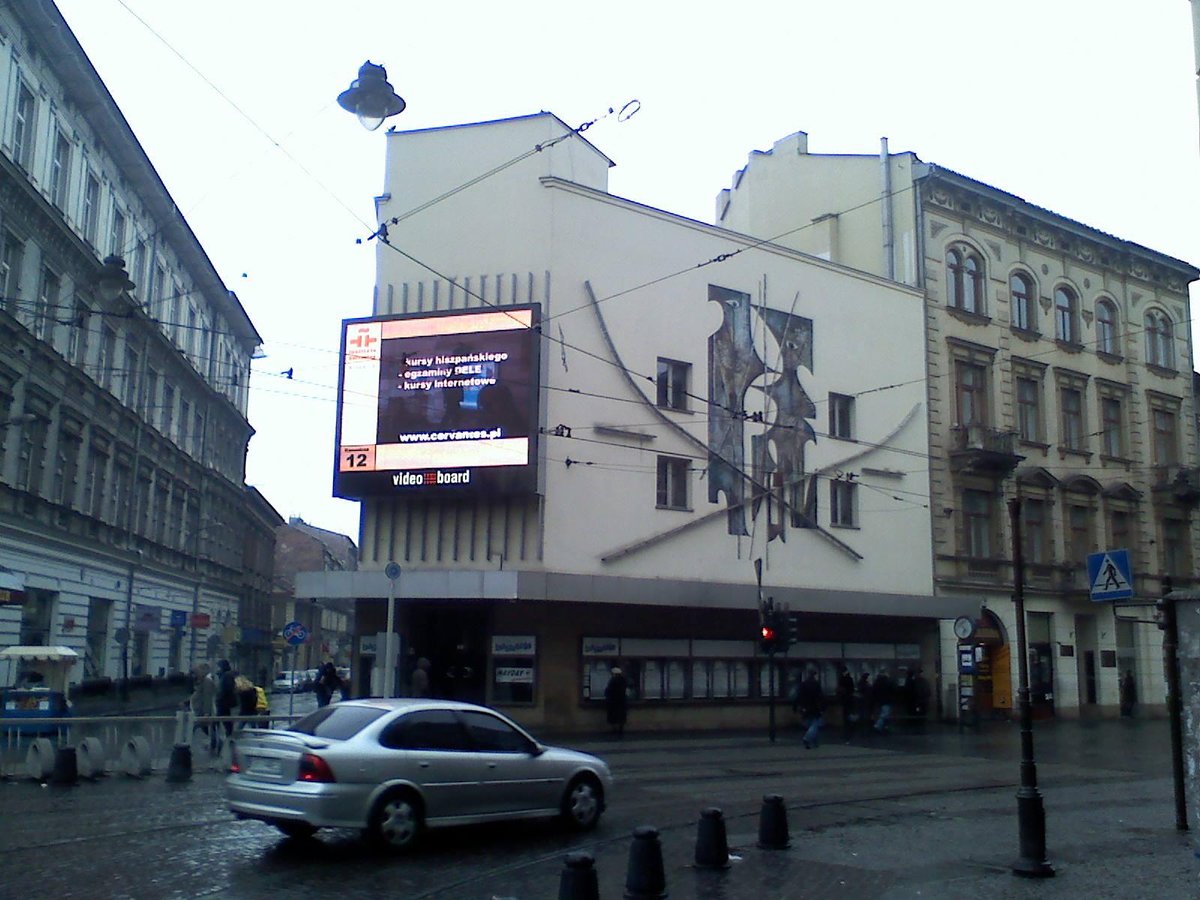
- Setting: East of the Main Market Square, adjacent to the Juliusz Słowacki Theatre, and within walking distance of major Old Town sites (visitmalopolska.pl).
- Getting There:
- On foot: Five minutes from the Main Market Square.
- Tram: Nearest stop is 'Teatr Bagatela'.
- Bus: Accessible from 'Dworzec Główny' station (evendo.com).
- Accessibility: The entrance is at street level, but some interior areas have steps or uneven medieval floors. Basic accessibility features are present; for further assistance, contact the parish or tourist info centers.
Visiting Hours and Mass Times
- General Opening: Daily, typically 7:00 AM – 7:00 PM. Access may be limited during services or special events. Check parish noticeboards or official resources for updates (krakow-info.com).
- Mass Times:
- Sundays: 7:30, 9:00, 10:30 (Latin), 12:00, 1:15, 6:00, 9:00 PM.
- Saturdays: 6:00 PM.
- Weekdays: Vary; confirm locally (krakow-info.com).
- Special Services: Latin Mass at 10:30 AM and 7:15 PM on Sundays.
Admission and Ticket Policy
- Entry: Free of charge. Donations for maintenance are encouraged.
- Guided Tours: No official tours, but the church is featured in many Kraków walking tours. Self-guided visits are supported by audio guides and mobile apps.
Architectural Highlights
- Exterior: Gothic brick façade, six-story bell tower, buttressed corners, tall gable, and large axial window.
- Interior: Single nave with ribbed vaulting, raised chancel, and palm vaulting in the presbytery.
- Chapels: St. Sophia (1533), St. Andrew (late 16th c.), Our Lady of Loreto (1642), each reflecting different artistic periods.
- Artworks: Late-Gothic crucifix, 15th/16th-century murals, Renaissance confessionals, and stained glass windows (medievalheritage.eu).
Special Events and Guided Tours
- Events: Annual religious processions, concerts, art exhibitions, and special liturgies—especially during Holy Week and the Feast of the Exaltation of the Holy Cross (evendo.com).
- Guided Experiences: Join local or themed walking tours, or use audio guides for a deeper understanding.
Nearby Attractions and Amenities
- Juliusz Słowacki Theatre: Architectural gem next door.
- Main Market Square: Historic heart of Kraków, filled with museums, shops, and cafes.
- Other Churches: St. Mary’s Basilica, St. Florian’s, and more within easy reach (visitmalopolska.pl).
- Dining: Numerous cafes and restaurants in the vicinity; reservations recommended in peak season (lonelyplanet.com).
Travel Tips and Visitor Etiquette
- Dress Code: Modest attire required—cover shoulders and knees, remove hats.
- Conduct: Maintain silence or speak softly; respect ongoing services.
- Photography: Allowed outside of Mass; avoid flash and check for posted restrictions.
- Facilities: No public toilets inside; nearby public restrooms may require a small fee and cash.
- Language: Most signage is in Polish; some staff speak English.
- Currency: Poland uses złoty (PLN); small change may be needed for shops or restrooms.
- Best Visit Times: Weekday mornings for quiet; avoid major services and holidays for exploration.
- Safety: Watch personal belongings and use licensed taxis or ride-hailing apps (lonelyplanet.com).
Frequently Asked Questions (FAQ)
Q: Is there an entrance fee or ticket required?
A: No; entry is free, but donations are appreciated.
Q: What are the visiting hours?
A: Typically 7:00 AM – 7:00 PM daily. Check official sources for updates, especially during holidays.
Q: Are guided tours available?
A: No official tours, but many city tours include the church. Audio guides are available via mobile apps.
Q: Is the church accessible for people with disabilities?
A: Yes, but some areas have steps or uneven floors. Contact ahead for specific needs.
Q: Can I take photographs?
A: Yes, outside of Mass and without flash; always respect posted signs.
Q: Are there English-language Masses?
A: Not at this church, but other Kraków churches offer English services (krakow-info.com).
Q: What else can I see nearby?
A: Juliusz Słowacki Theatre, Main Market Square, St. Mary’s Basilica, and more.
Listen to the full story in the app
Your Personal Curator, in Your Pocket.
Audio guides for 1,100+ cities across 96 countries. History, stories, and local insight — offline ready.
Audiala App
Available on iOS & Android
Join 50k+ Curators
Sources
- verified
- verified
- verified
- verified
- verified
Last reviewed: