Introduction
Nestled in the heart of Kraków’s Old Town, the Bishop Erazm Ciołek Palace is a masterpiece of Gothic-Renaissance architecture and a vital part of Poland’s cultural heritage. Built in the early 16th century for Bishop Erazm Ciołek—an esteemed diplomat and patron of the arts—the palace has been meticulously restored and now houses significant collections of medieval, Renaissance, and Baroque art as a branch of the National Museum in Kraków. Its ornate façades, historic interiors, and proximity to major landmarks make it an essential destination for anyone interested in Polish history, architecture, or religious art.
This comprehensive guide presents everything you need to plan your visit, from opening hours and ticket details to exhibition highlights, accessibility, and nearby attractions. Whether you are a passionate art lover, a history enthusiast, or a traveler seeking Kraków’s hidden gems, the Bishop Erazm Ciołek Palace promises an enriching and memorable experience.
For the latest updates, always check the official National Museum Kraków website, as well as trusted resources like Krakow Travel and Krakowsphere.
Origins and Construction
Commissioned in 1505 by Bishop Erazm Ciołek (1474–1522), the palace is one of Kraków’s earliest Renaissance buildings. Its construction merged two Gothic houses, resulting in a unique blend of late Gothic and Italian Renaissance elements. Notable features include a Renaissance gate adorned with a crowned eagle and the initial “S” for King Sigismund the Old, reflecting royal support. The arcaded courtyard and robust Gothic pillars illustrate the architectural transition of the era.
Architectural Evolution and Historical Uses
Over the centuries, the palace has undergone several transformations. In the 19th century, under Austrian rule, it served as a police station and prison, which led to significant changes and loss of original interiors. After extensive restoration, it reopened as a museum in 1996 and is now managed by the National Museum in Kraków. The restoration preserved its historical character, earning recognition for heritage conservation (Krakowsphere).
Cultural and Artistic Significance
As one of the first Renaissance structures in Kraków, the palace played a pivotal role in introducing new architectural styles to the city. Its association with Bishop Erazm Ciołek and its function as a residence for various dignitaries highlight its cultural importance. Today, it houses two major exhibitions that showcase the breadth of Polish and Eastern Christian art from the medieval to the Baroque periods.
Permanent Collections
Art of Old Poland: 12th–18th Centuries
This exhibition features sacred art from churches, monasteries, and convents across the Małopolska region. Highlights include:
- Madonna from Krużlowa: An exquisite early 15th-century wooden sculpture known for its delicate Gothic craftsmanship.
- Christ in the Garden of Gethsemane: A stone sculpture by Wit Stwosz, the famed artist behind St. Mary’s Basilica’s high altar.
- Gothic Altarpieces and Panel Paintings: Intricately carved and vividly painted works depicting saints and biblical scenes.
- Funerary Traditions Room: Objects related to Sarmatian funerary customs, such as coffin portraits and ornate vestments.
(Krakow Travel, MNK The Ciołek - About the branch)
Orthodox Art of the Old Polish Commonwealth
This exceptional collection of icons and liturgical objects from the former Polish–Lithuanian Commonwealth is among the most important in Central and Eastern Europe. It features:
- Byzantine and Ruthenian Icons: Spanning the 15th to 18th centuries.
- Iconostasis Panels and Processional Crosses: Illustrating Eastern Christian traditions.
- Liturgical Textiles and Metalwork: Showcasing the richness of Orthodox religious life.
(MNK The Ciołek - About the branch)
Decorative Elements and Interior Highlights
- Tomicki Hall: Dating from the 1520s, this hall features Renaissance coffered ceilings, stucco decorations, and heraldic motifs.
- Hall of Virtues: A Baroque masterpiece with expressive frescoes depicting allegorical figures and gilded moldings.
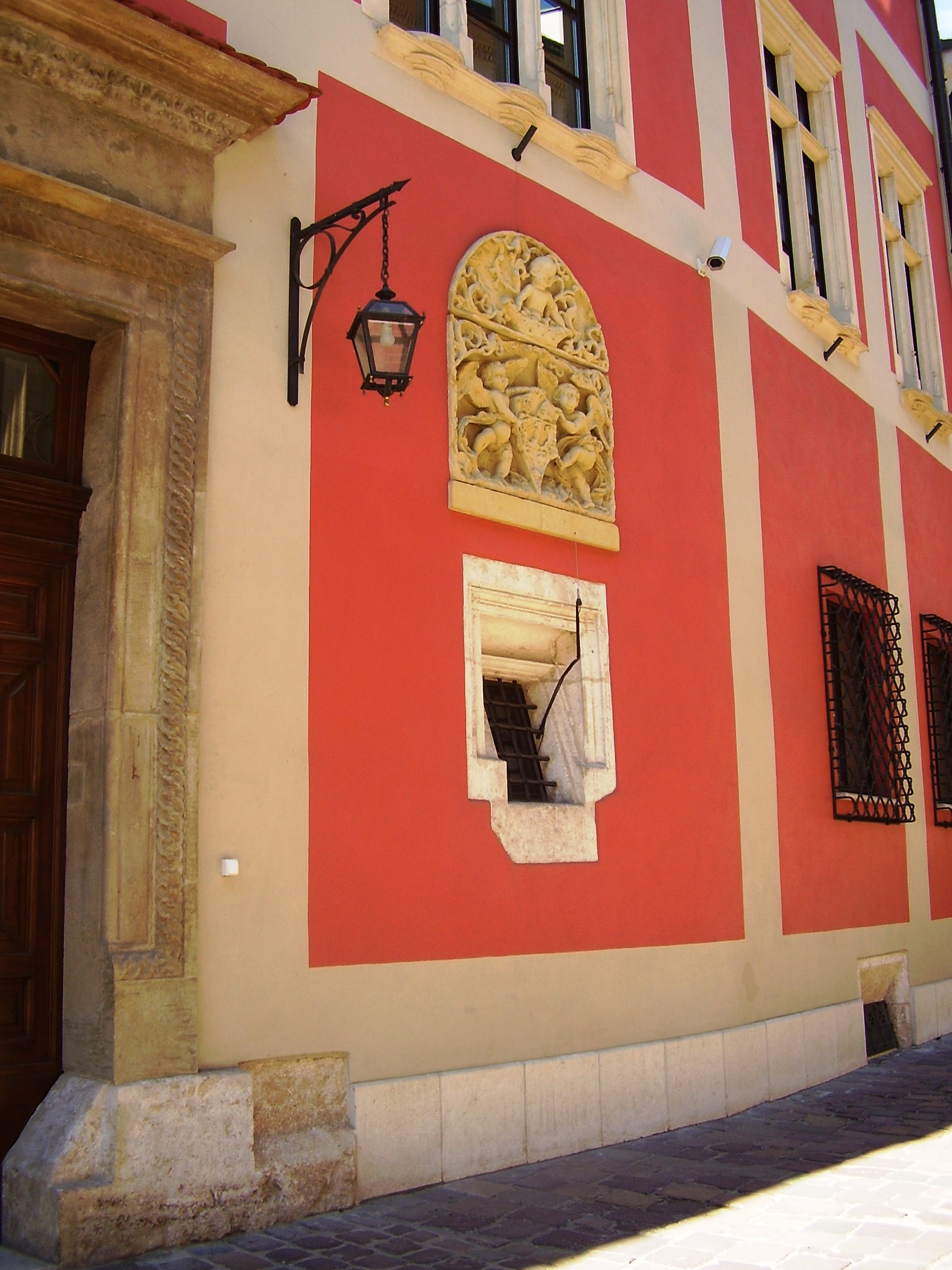
- Façade: The Baroque polychrome exterior, with cream-colored latticework on a pink background, is a rare surviving example in Kraków.
Visiting Information: Hours, Tickets, Accessibility
- Opening Hours: Tuesday to Sunday, generally 10:00 AM – 5:00 or 6:00 PM. Closed on Mondays and some holidays. Always check the official website for the most current information.
- Tickets: Standard 18–20 PLN, concessions 10–14 PLN, family tickets available, and free entry on Tuesdays. Combination tickets with other National Museum branches may be offered.
- Accessibility: Wheelchair access is available (main entrance and ground floor); some upper floors may require assistance. Contact the museum for detailed accessibility arrangements.
- Facilities: Restrooms, cloakroom, and a museum shop are available on-site.
(Krakow Travel, MNK The Ciołek - Tickets, information)
Guided Tours and Visitor Services
- Guided Tours: Available in Polish and English by prior arrangement. Audio guides may also be offered.
- Interpretive Materials: Multilingual labels, digital guides, and detailed exhibition signage.
- Photography: Permitted without flash in most exhibition areas.
(MNK The Ciołek - Tickets, information)
How to Get There
- Address: ul. Kanonicza 17, Kraków, Poland.
- Public Transport: Tram lines 3, 8, 13, 18 (stop at Wawel), bus lines 114, 124.
- Walking: A 10-minute walk from the Main Market Square.
- Parking: Paid parking available nearby, but the Old Town is a limited traffic zone.
(MNK The Ciołek - Tickets, information)
Nearby Attractions
Combine your visit with these nearby Kraków landmarks:
- Wawel Castle and Cathedral
- Main Market Square (Rynek Główny)
- St. Mary’s Basilica
- Vistula River banks
Visitor Tips and Photography
- Best Times to Visit: Weekdays are less crowded; free entry on Tuesdays.
- Duration: Allow at least 1–1.5 hours for a full experience.
- Photography: Look for the palace’s ornate façade, arcaded courtyard, and dramatic interiors for memorable photos (without flash).
- Family Visits: Children with an interest in art and history will find the collections engaging.
Educational Programs and Special Events
The palace offers:
- Workshops and Lectures: On art history, icon painting, and conservation.
- School and Family Programs: Interactive activities and guided tours tailored to various age groups.
- Temporary Exhibitions: Regularly changing displays on special themes or artists.
Check the museum’s website for schedules.
Frequently Asked Questions (FAQ)
Q: What are the opening hours of the Bishop Erazm Ciołek Palace?
A: Tuesday to Sunday, typically 10:00 AM – 5:00 or 6:00 PM. Closed Mondays.
Q: How much do tickets cost?
A: Standard 18–20 PLN, concessions available, and free admission on Tuesdays.
Q: Is the museum accessible to visitors with disabilities?
A: The main entrance and ground floor are accessible; contact the museum for further assistance.
Q: Can I take photographs?
A: Yes, non-flash photography is permitted in most areas.
Q: Are guided tours offered?
A: Yes, in Polish and English, by prior arrangement.
Q: What are other nearby attractions?
A: Wawel Castle, Main Market Square, and St. Mary’s Basilica are all within walking distance.
Listen to the full story in the app
Your Personal Curator, in Your Pocket.
Audio guides for 1,100+ cities across 96 countries. History, stories, and local insight — offline ready.
Audiala App
Available on iOS & Android
Join 50k+ Curators
Sources
- verified
- verified
- verified
- verified
Last reviewed: