
Engineering Marvels and Heritage
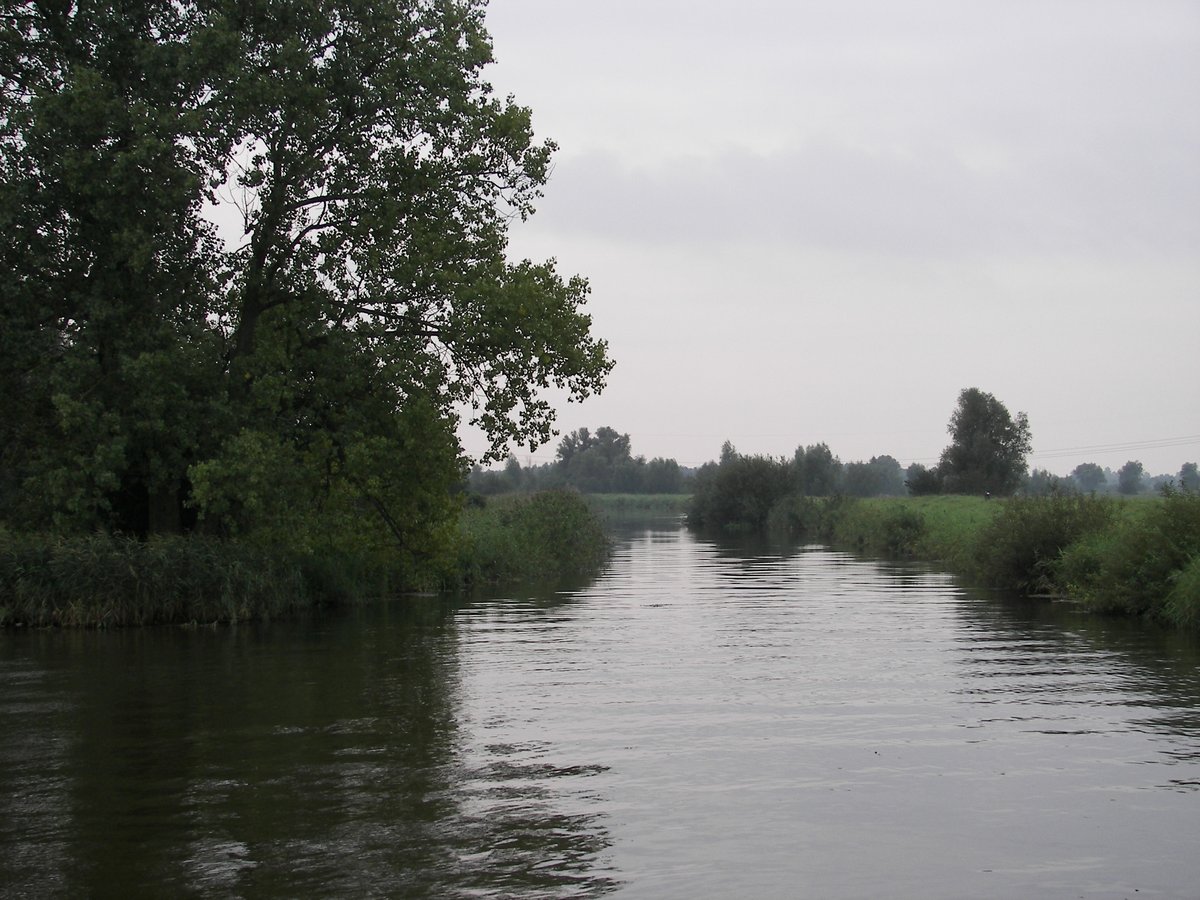
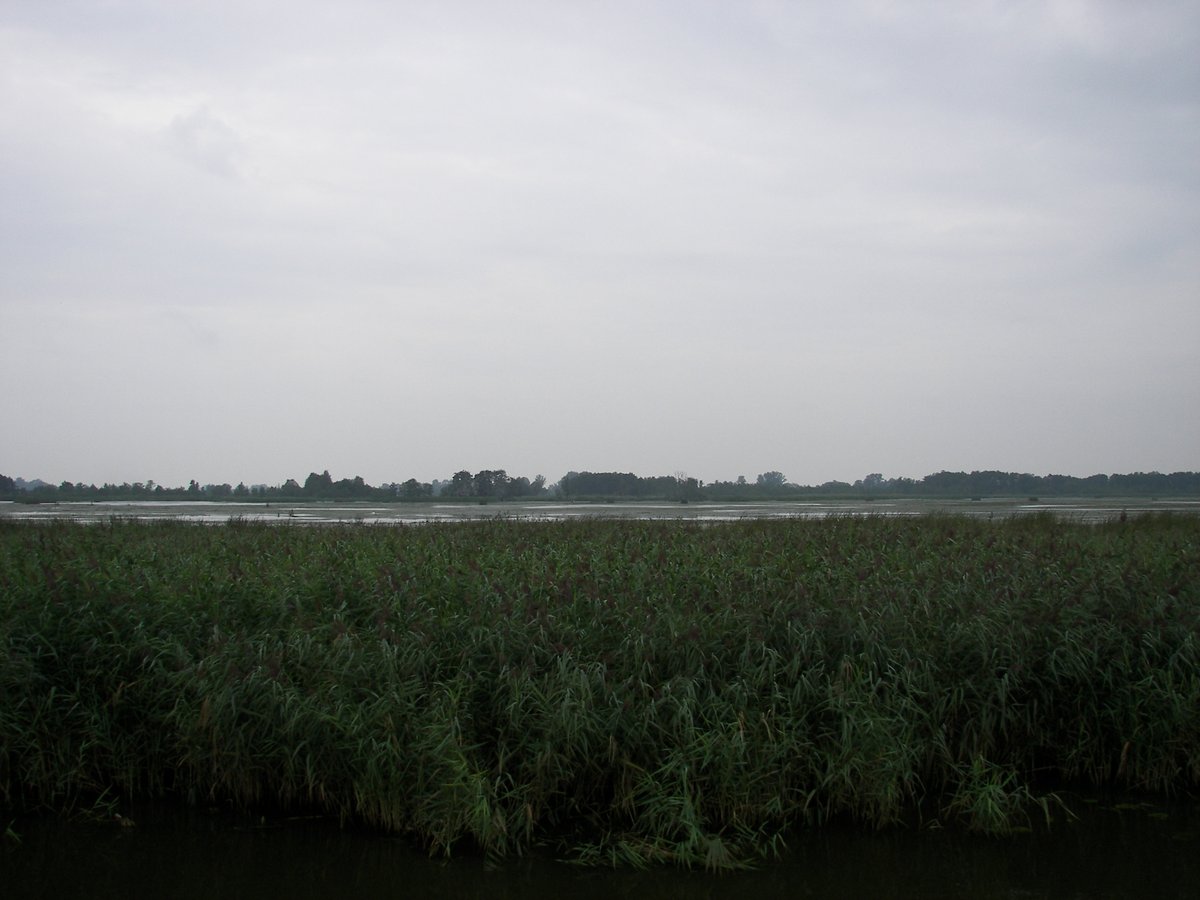
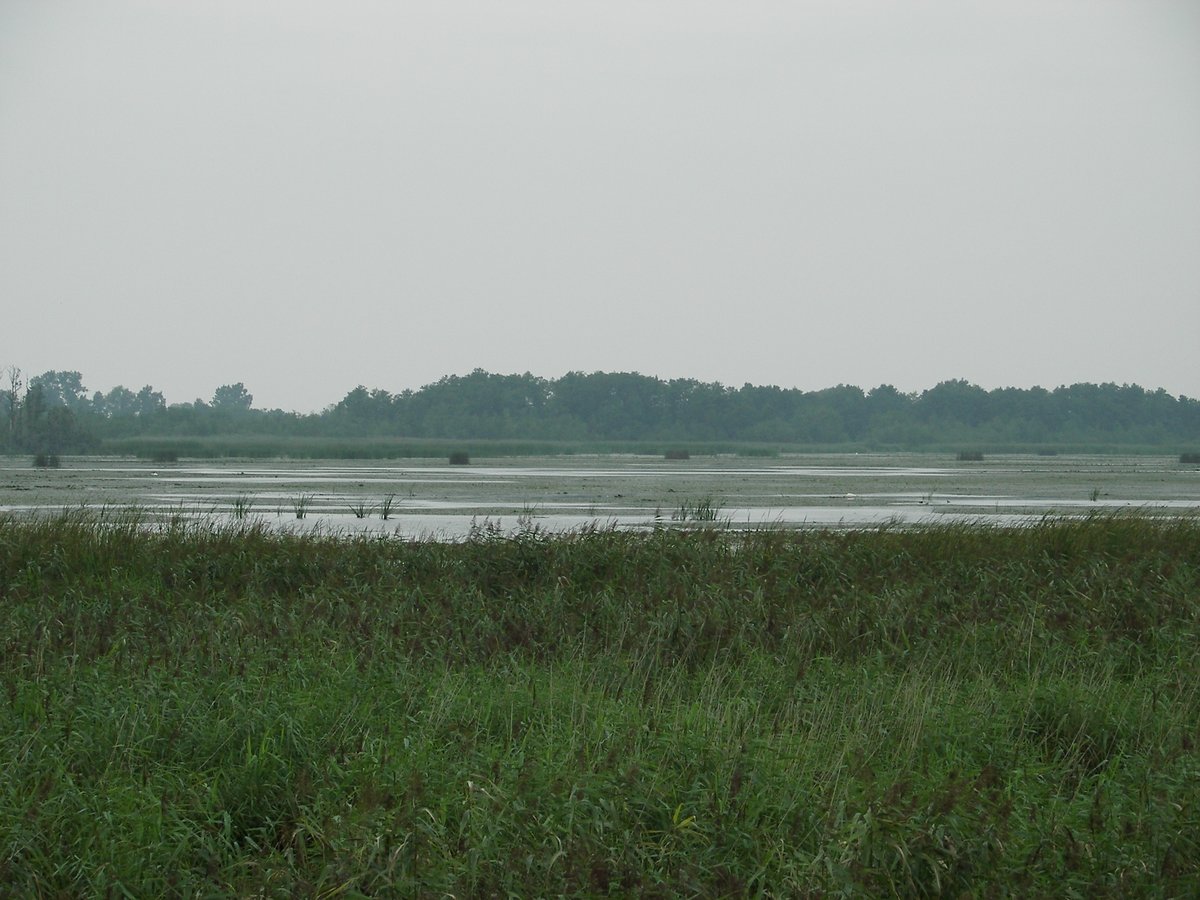
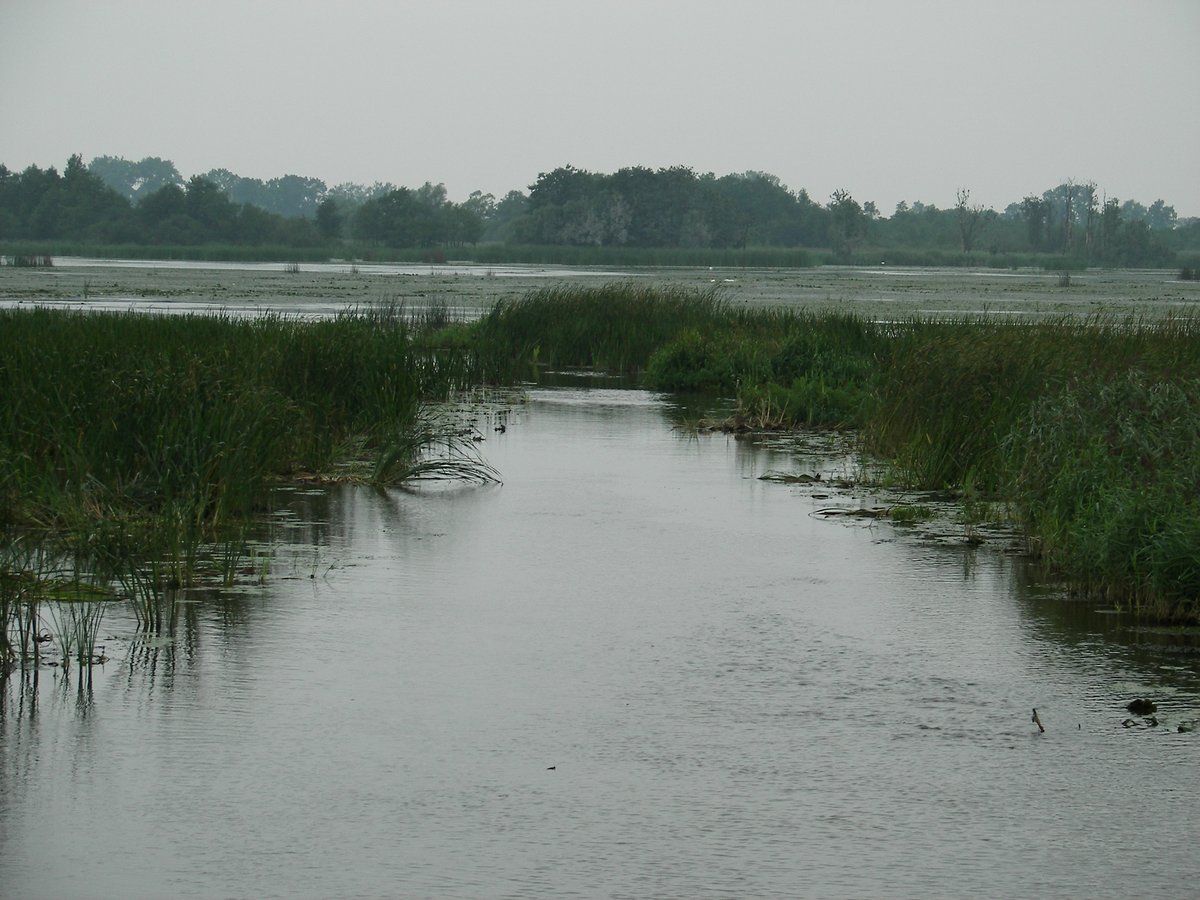
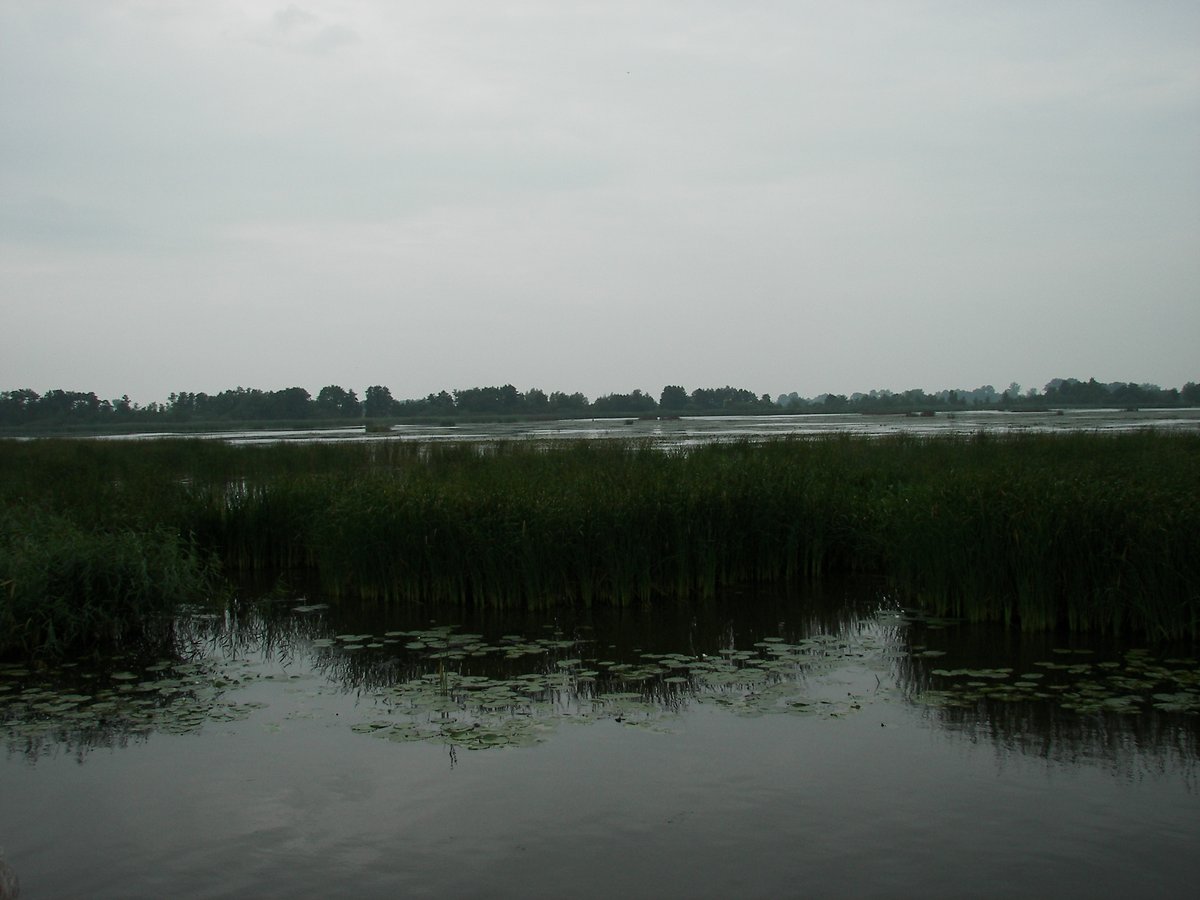
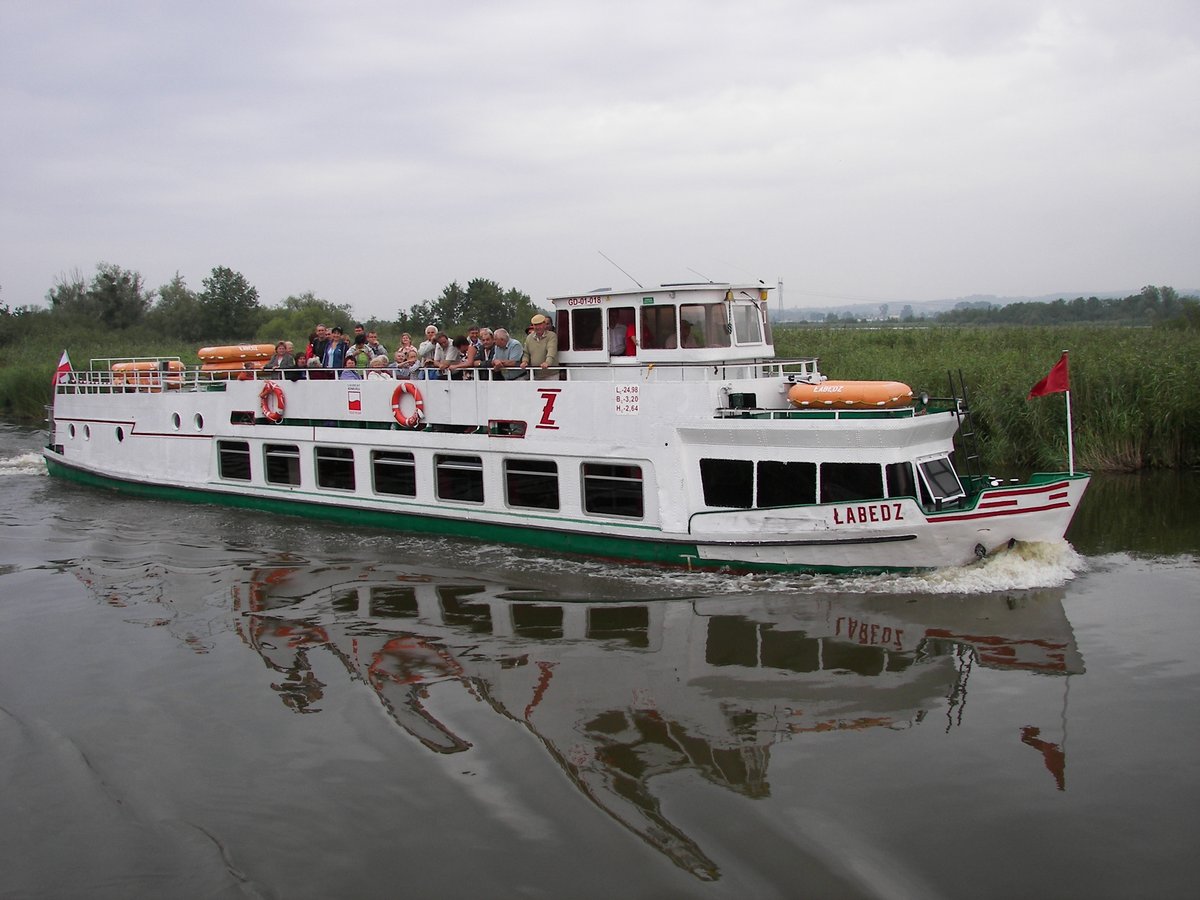
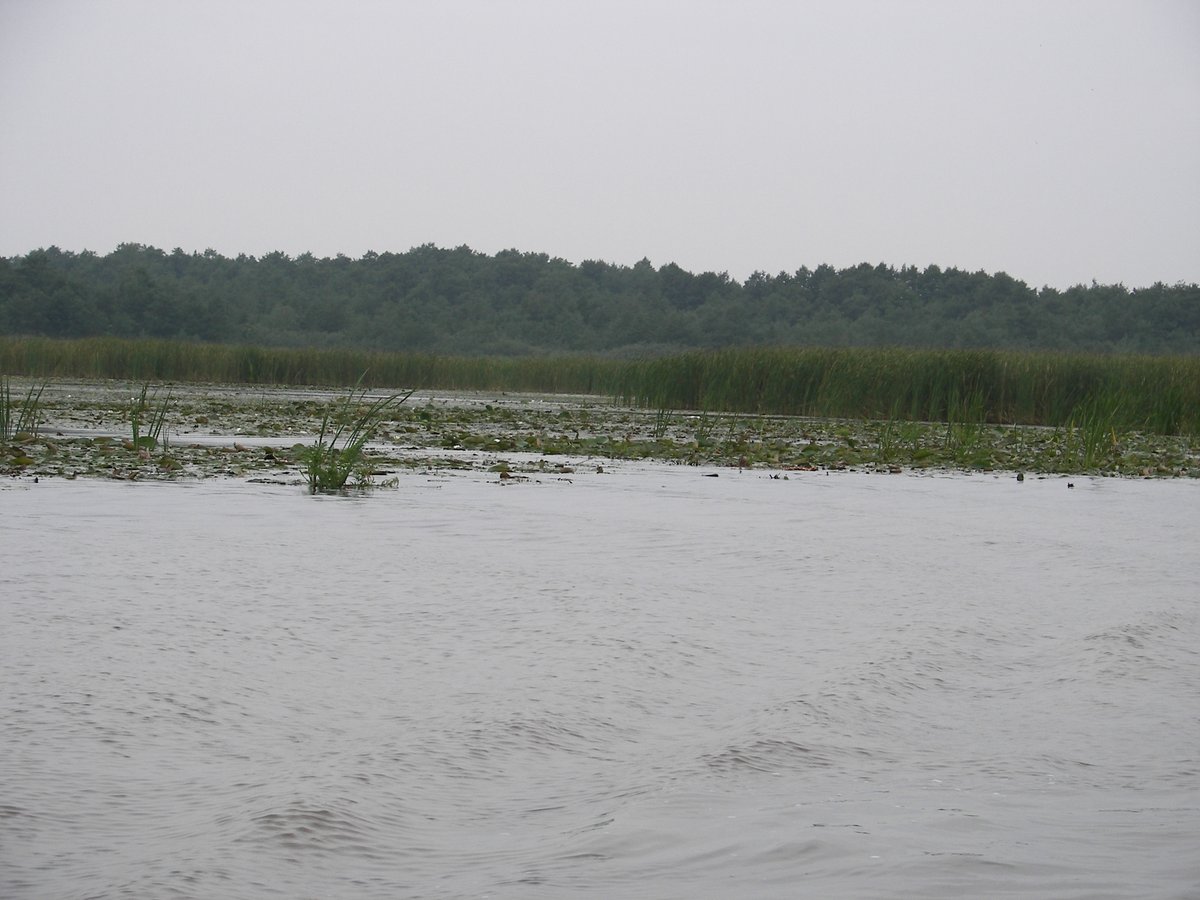
The Elbląg Canal's five slipways—Buczyniec, Kąty, Oleśnica, Jelenie, and Całuny—enable vessels to traverse the region’s steep inclines. These water-powered mechanisms, largely intact from the 19th century, are a rare functioning example of industrial heritage (exploreyourlife.eu). The canal stretches for over 80 km (150 km including branches), linking a network of lakes, rivers, and natural reserves, including the biologically diverse Lake Drużno.
The canal not only preserves historical navigation techniques but also serves as a living museum, offering visitors the chance to witness working 19th-century machinery and experience a unique method of “sailing on grass.”
Visitor Information
Visiting Hours
- Season Late April to October
- Hours Typical boat cruises operate between 9:00 AM and 6:00 PM (may extend during peak season)
- Note Check the official canal or local tourism websites for specific seasonal updates and event schedules (mikestravelguide.com).
Tickets and Pricing
- Canal Area Access Free
- Boat Cruises 30–180 PLN per adult, depending on route length and type of tour
- Discounts Available for children, seniors, groups
- Ticket Purchase Online via operators (e.g., Statkiem po trawie), at embarkation points in Elbląg, Ostróda, and Buczyniec, or through hotels and tourist centers
Getting There
- By Air Gdańsk Lech Wałęsa Airport (~70 km away)
- By Train Regional and intercity services connect Elbląg and Ostróda to major Polish cities
- By Car S7 expressway links Gdańsk and Warsaw to Elbląg and Ostróda
- Local Transport Buses, trams, taxis, and bike rentals available in Elbląg and Ostróda (polishculture-nyc.org)
Accessibility
- Many embarkation points and visitor facilities accommodate guests with limited mobility
- Some slipways and historic sites have stairs or uneven terrain—contact operators for tailored routes and assistance
Guided Tours
- Languages Polish, English, and others
- Options Full-length and short cruises, themed tours (history, nature), private charters
- Booking Advance booking recommended, especially in high season
Highlights and Attractions
- Inclined Planes The operational slipways, especially Buczyniec, with a museum and viewing platform
- Machine Rooms Authentic 19th-century machinery in action
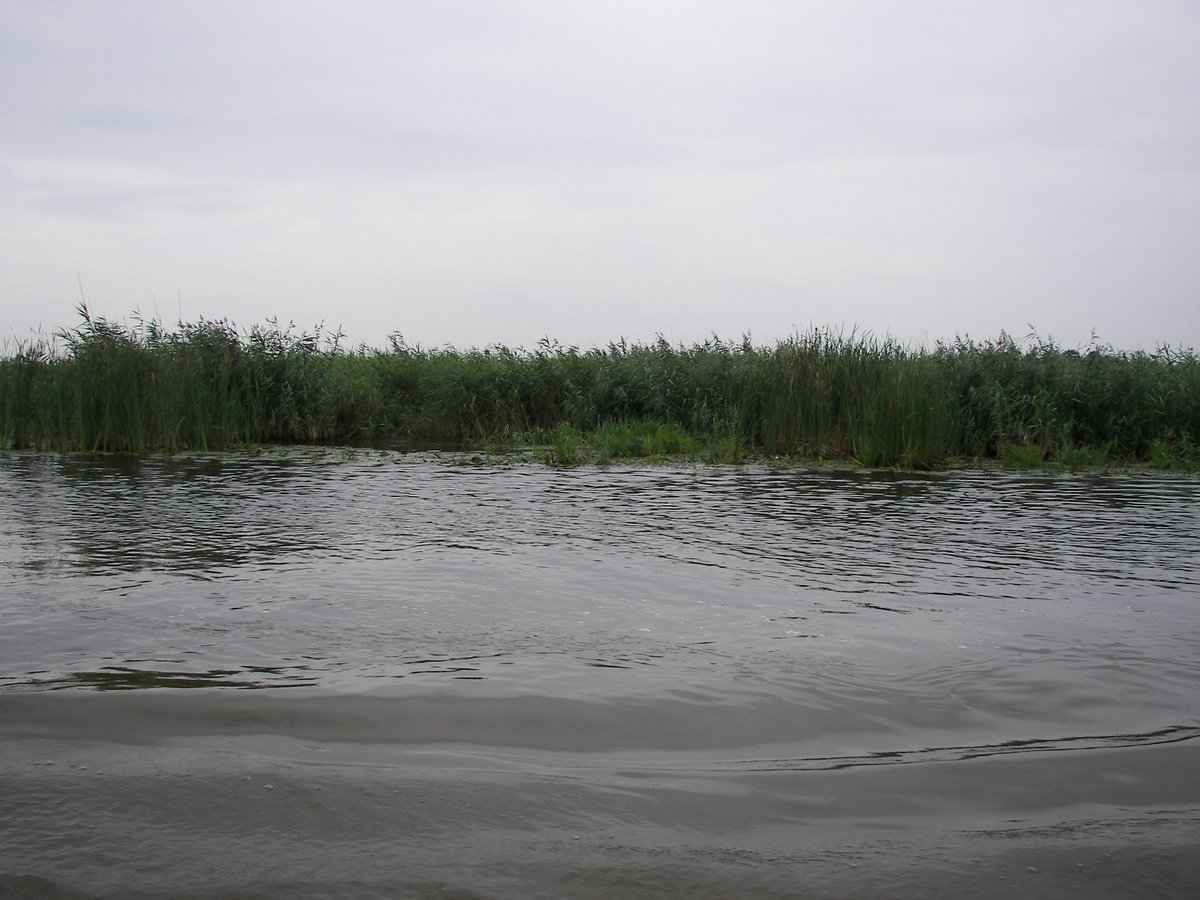
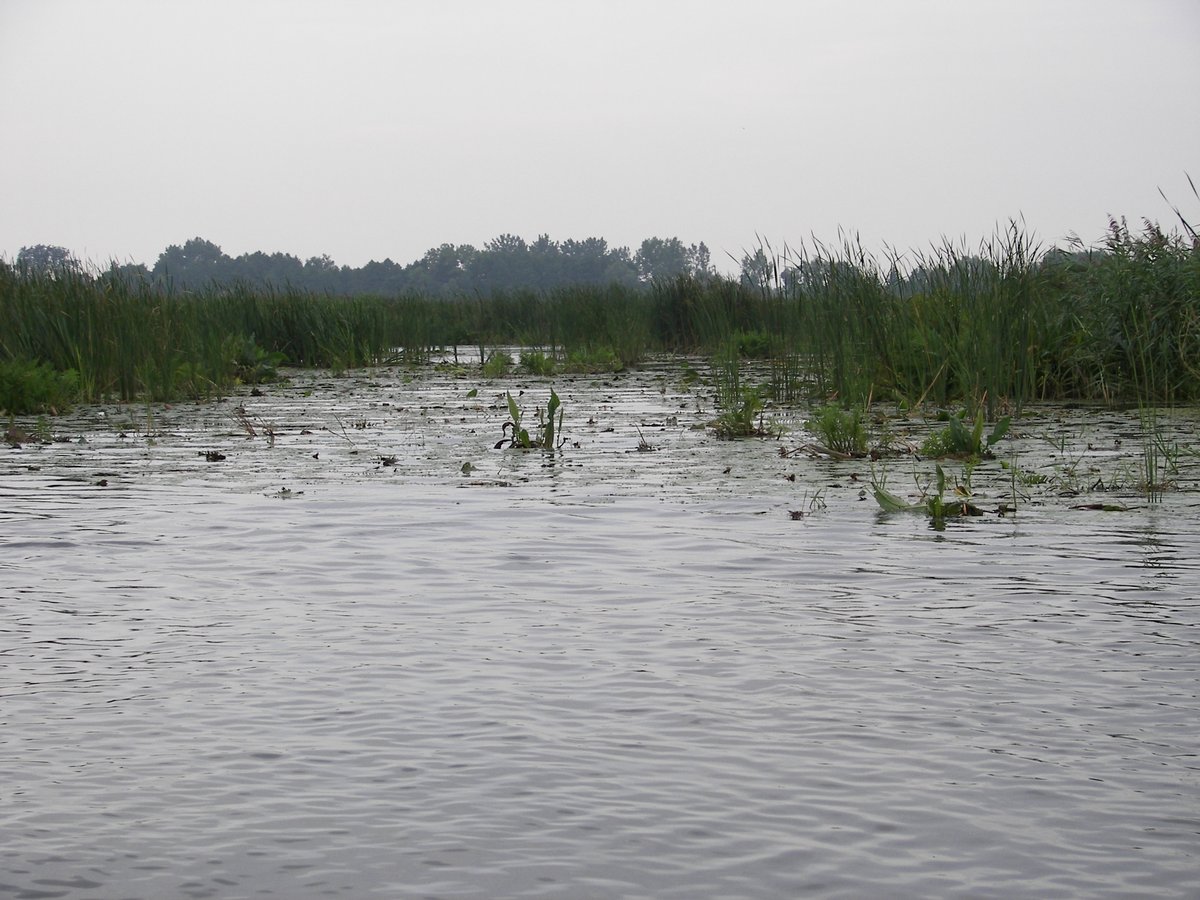
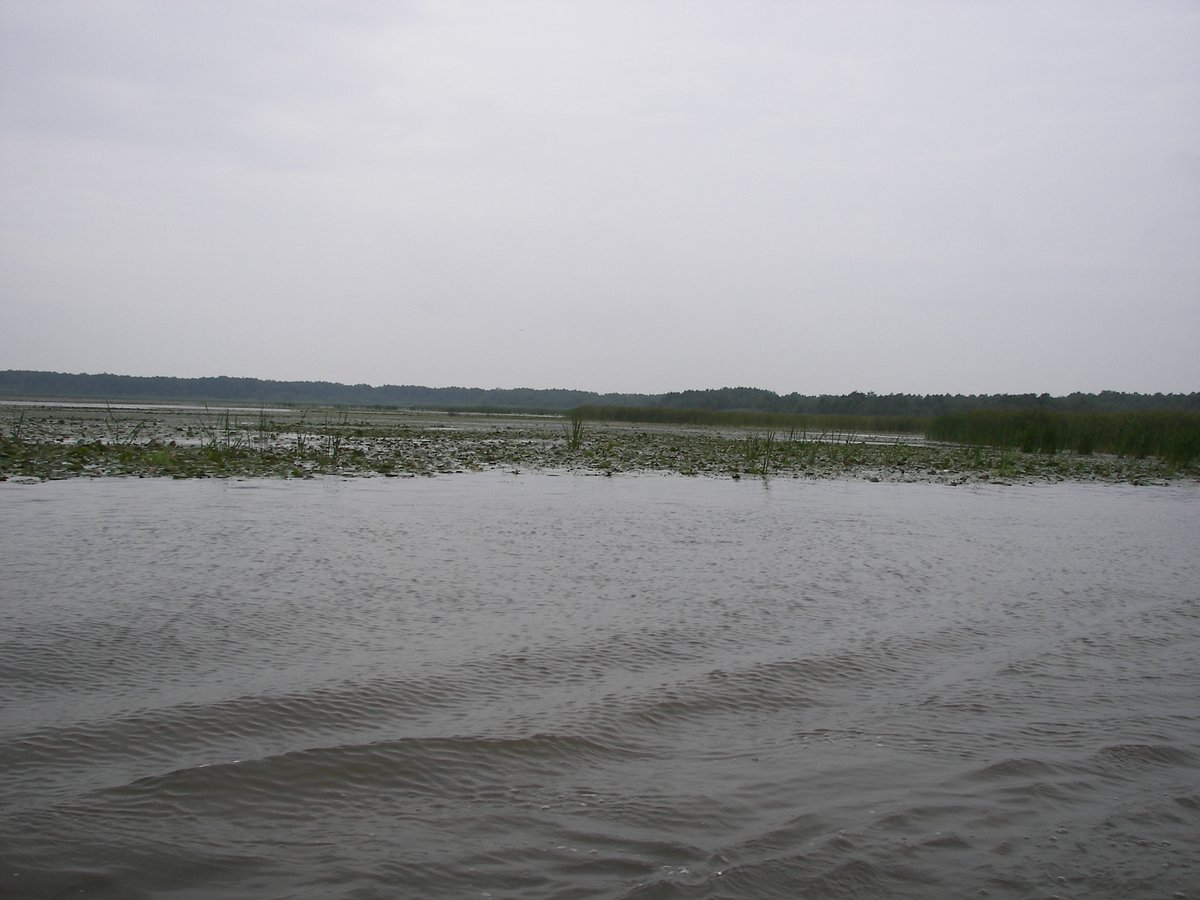
- Lake Drużno Nature Reserve A haven for birdwatchers and nature lovers, accessible via boat or observation towers
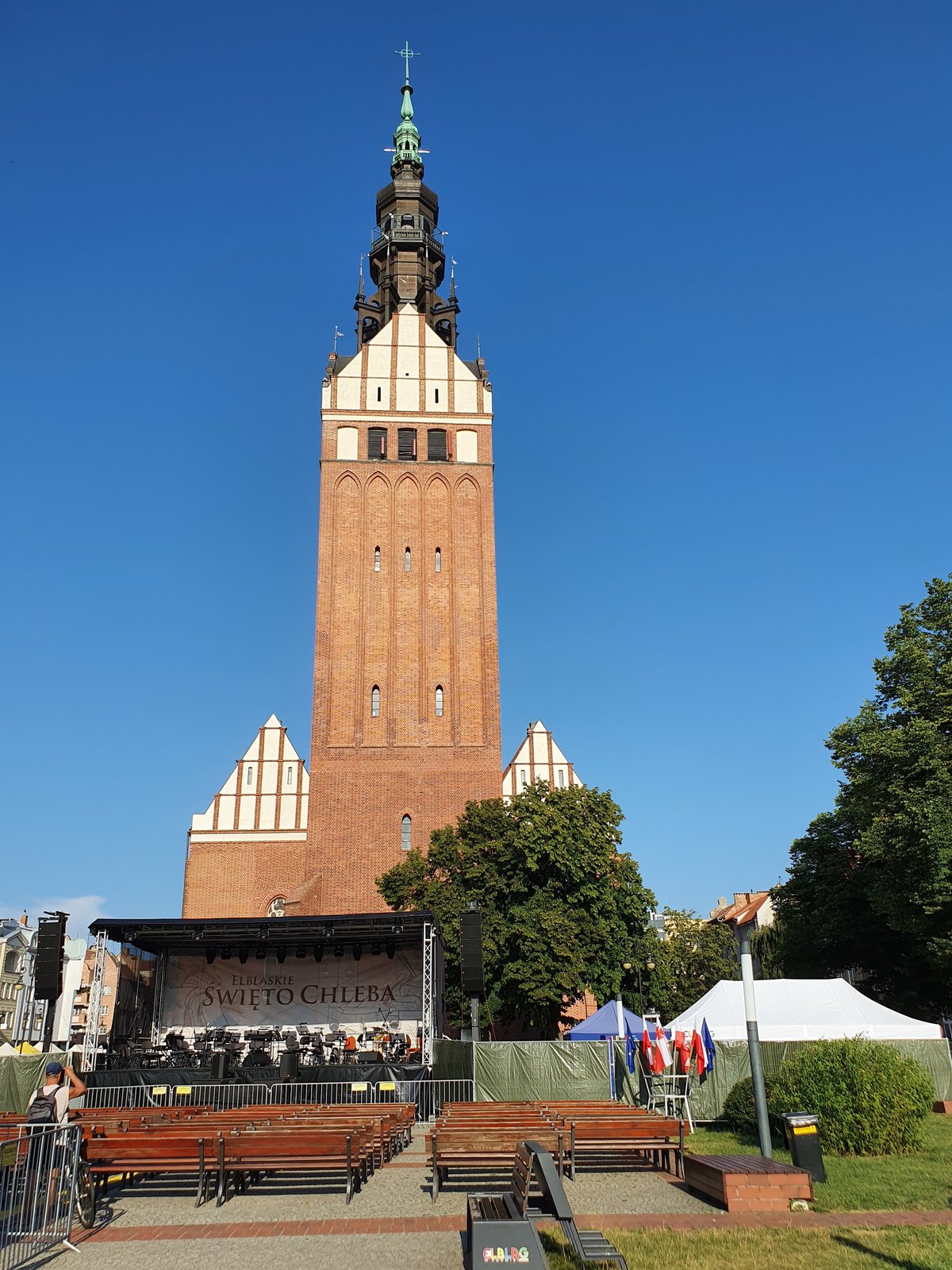
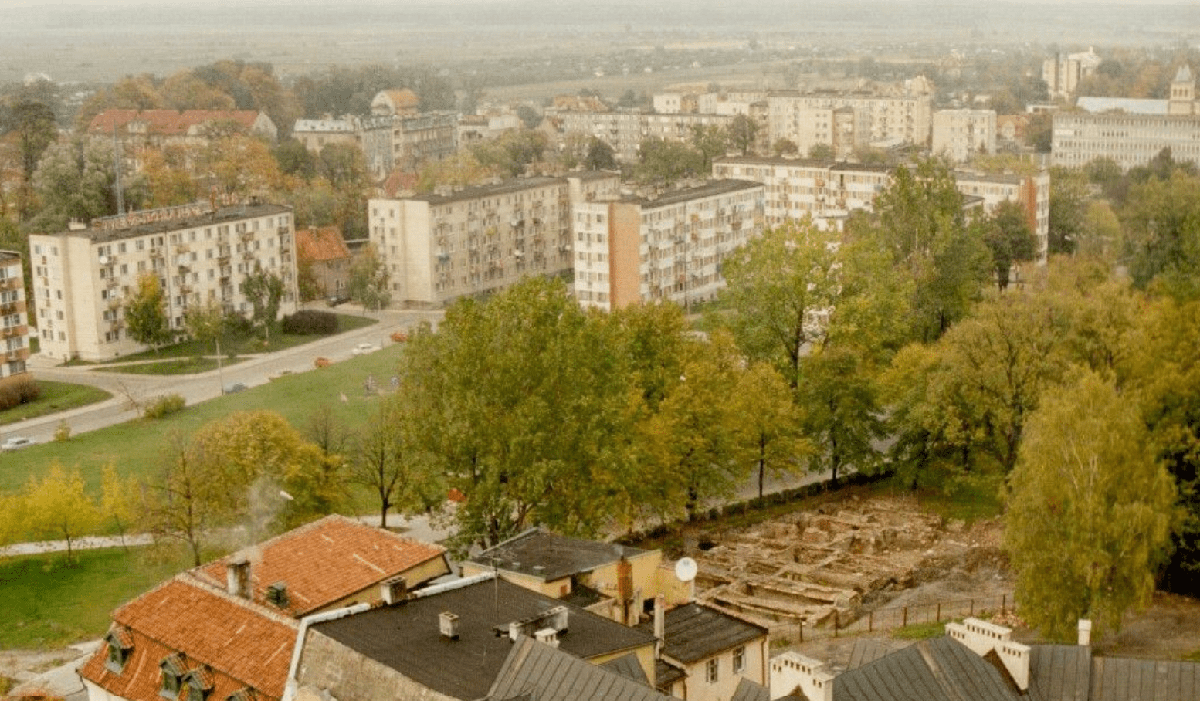
- Elbląg Old Town Rebuilt post-WWII, featuring Gothic churches, museums, and lively cafes (exploregdansk.info)
- Ostróda Lakeside town with a marina, castle, and canal access
- Cycling and Walking Trails The Elbląg Canal Greenway and Green Velo route offer scenic journeys along the canal (PolskaBee)
Events and Seasonal Experiences
- Boat Festivals & Cultural Events Held throughout late spring and summer—check local calendars for dates
- Historical Reenactments Annual events celebrate the canal’s heritage
- Guided Nature Tours Available during migration seasons in Lake Drużno
Environmental and Sustainability Initiatives
- Eco-Marinas and Green Infrastructure Support electric and low-emission boating, recycling, and environmental education (Invest Warmia and Mazury)
- Biodiversity Protection Regulations limit boat traffic in sensitive areas; partnerships with conservation groups protect habitats (PolskaBee; Biblioteka Nauki)
- Sustainable Mobility Over 20 bike trails and public transport options reduce car dependency
Community and Economic Impact
- Tourism as an Economic Driver The canal’s popularity supports local hotels, guesthouses, restaurants, and tour operators
- Cultural Revitalization Festivals and restoration projects enhance community pride and social cohesion
- Challenges Addressed through diversification of attractions, off-season events, and infrastructure upgrades (Biblioteka Nauki)
Travel Tips and Nearby Sights
- Accommodation Ranges from luxury hotels to rural lodges—book ahead in peak season
- Local Cuisine Try classic Polish dishes at canal-side eateries (try-travel.com)
- Suggested Itineraries Combine a canal cruise with visits to Elbląg Old Town, Ostróda, and Lake Drużno
Frequently Asked Questions (FAQ)
Q: What are the Elbląg Canal visiting hours?
A: Cruises typically run from 9:00 AM to 6:00 PM, from late April to October; check for seasonal updates.
Q: How do I buy tickets?
A: Online through official operators, at ticket offices in Elbląg, Ostróda, Buczyniec, or via hotels.
Q: Are the cruises accessible?
A: Most boats accommodate guests with limited mobility; confirm details when booking.
Q: Can I explore the canal without a boat cruise?
A: Yes, via cycling, walking trails, or self-guided car tours.
Q: Are guided tours available in English?
A: Yes—advance booking is recommended.