Early Foundations
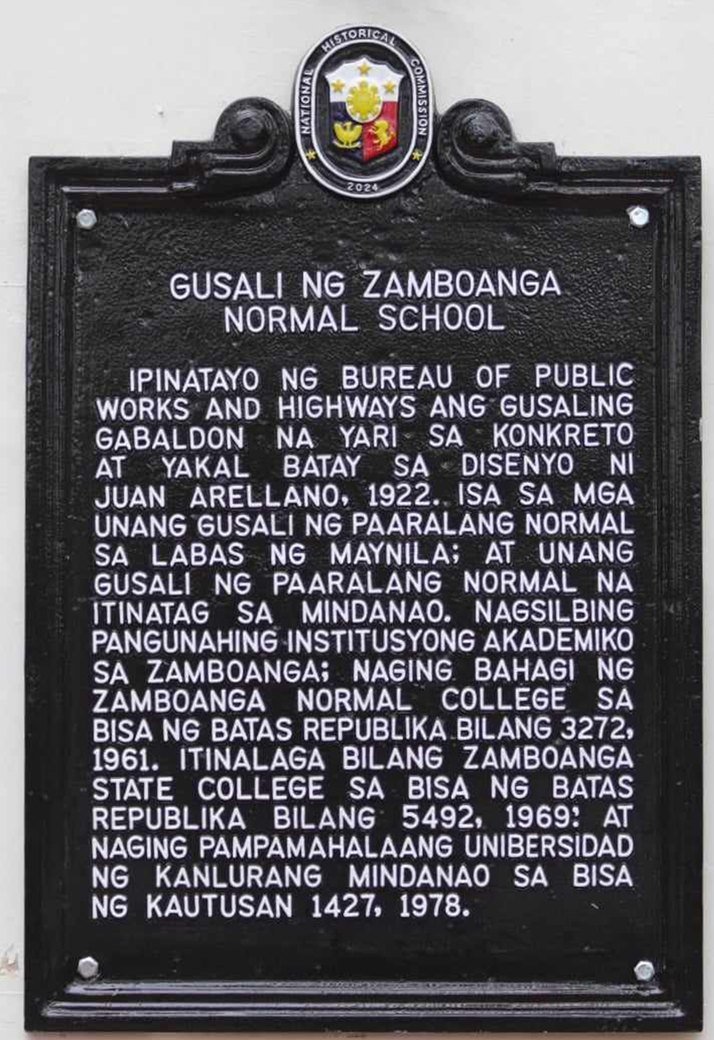
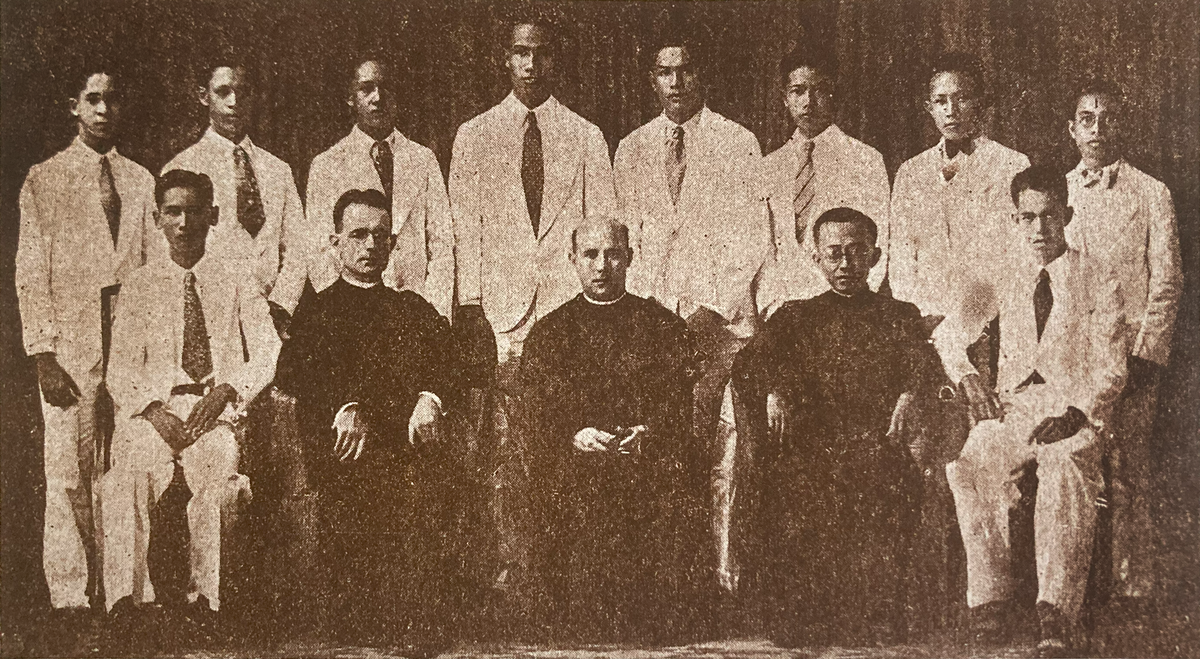
ZPPSU traces its roots to July 1905 as a trade school under American colonial administration, established to provide technical education to Zamboanga and Mindanao residents. Over decades, it expanded its academic offerings in response to regional needs, becoming a crucial institution for skill development and economic recovery, especially after World War II (Wikiwand).
Legislative Milestones
- 1954 Became Zamboanga City Regional School of Arts and Trades (RA No. 846)
- 1959 Renamed Zamboanga School of Arts and Trades (RA No. 2300)
- 1975-1992 Expanded to offer Bachelor’s degrees and became Zamboanga City Polytechnic College (RA No. 7474)
- 2001 Elevated as Zamboanga City State Polytechnic College (RA No. 9142)
- 2021 Achieved university status as ZPPSU under Republic Act No. 11187 (Supreme Court E-Library)
2. Academic Programs and Institutional Structure
ZPPSU serves over 13,000 students, with a diverse faculty and staff supporting a wide range of programs:
- College of Engineering and Technology
- College of Information and Computing Science
- College of Teacher Education
- School of Business Administration
- College of Arts, Humanities, and Social Sciences
- Graduate School
- (Planned) College of Governance and Public Policy
The university regularly updates its curriculum to meet the changing needs of the Zamboanga Peninsula and the wider Mindanao region (ZPPSU Official Website).
3. Research, Community Engagement, and Modernization
Research and Extension
Guided by its PROCURE Vision (Productive and Credible Culture of Research and Extension), ZPPSU leads initiatives in:
- Sustainable development
- Technology transfer
- Gender and development
- Humanitarian services
Community engagement includes partnerships with local organizations, applying research into practical solutions (ZPPSU Research and Extension).
Infrastructure and Modernization
Major upgrades include:
- ICT and Smart Campus Development
- Mechatronics, Robotics, and Instrumentation Engineering Building
- Implementation of a modern Learning Management System (LMS)
These facilities support a robust academic and research environment (ZPPSU Infrastructure Program).
4. Visiting ZPPSU: Hours, Tours, and Entry
- Visiting Hours Monday to Friday, 8:00 AM – 5:00 PM
- Entry Fee Free; all visitors must register at the main entrance with valid identification
- Guided Tours Available by request through the Office of Student Affairs or Admissions Office; advance booking is recommended for groups and academic delegations
Note: No tickets are required for general campus visits. Special event access may require prior arrangement (ZPPSU Official Website).
5. Campus Accessibility and Travel Tips
Getting There
- By Air Zamboanga International Airport is about 4 km from campus (taxi/tricycle available)
- By Land Jeepneys, multicabs, and tricycles pass R.T. Lim Boulevard
- By Sea Zamboanga City Port is 2 km away
Accessibility
- Wheelchair ramps and elevators are available in major buildings
- Pedestrian-friendly campus with clear signage
- Parking available for visitors
6. Facilities and Services for Visitors
- Academic Buildings Specializing in engineering, computing, business, arts, and education
- Laboratories and Workshops Modern facilities for hands-on technical training
- Library Digital and print collections
- Medical and Dental Clinics Basic health services on campus
- Student Center and Canteens Dining and student services
- Wi-Fi Available in public areas
7. Nearby Attractions and Cultural Experiences
Enhance your visit by exploring Zamboanga City’s cultural and historical sites:
- Fort Pilar National Shrine 17th-century Spanish fortress (Wikiwand)
- Paseo del Mar Waterfront park with dining and entertainment
- El Museo de Zamboanga Regional history exhibits
- Cawa-Cawa Boulevard Sunset views and street food
- Yakan Weaving Village Indigenous textile crafts
- Canelar Barter Trade Center Malaysian and Indonesian goods
ZPPSU also participates in citywide festivals such as the Hermosa Festival, offering visitors a chance to experience local culture (Nalug.net; Mindanews).
8. Safety, Health, and Local Customs
- Dress Code Dress modestly; follow campus etiquette
- Photography Allowed in public spaces; request permission for classrooms and events
- Health On-campus clinics; nearby hospitals for emergencies; travel insurance recommended
- COVID-19 Protocols Check ZPPSU website for updates
- Language Filipino, Chavacano, and English widely spoken
9. Frequently Asked Questions (FAQs)
Q: What are the ZPPSU visiting hours?
A: Monday–Friday, 8:00 AM to 5:00 PM
Q: Is there an entrance fee or do I need tickets?
A: No, entry is free; visitors must register at the gate
Q: Are guided tours available?
A: Yes, coordinate with the Office of Student Affairs or Admissions in advance
Q: Is the campus accessible for persons with disabilities?
A: Yes, most buildings feature ramps and elevators
Q: What nearby attractions should I visit?
A: Fort Pilar National Shrine, Paseo del Mar, Yakan Weaving Village, and more
Q: Where can I find accommodations?
A: Options include Cityinn Hotel, Ever O Business Hotel, Garden Orchid Hotel & Resort, and Marcian Business Hotel (Booking.com)
Q: How can I get the latest visitor updates?
A: Follow the official ZPPSU website and use apps like Audiala
10. Planning Your Visit: Final Tips
- Best Time to Visit January to April (dry season); consider timing your visit with city festivals for a richer experience
- Safety Zamboanga City is generally safe; take standard precautions, especially at night
- Cultural Etiquette Respect local traditions, especially during religious or cultural events
- Connectivity Strong mobile coverage and free Wi-Fi in key campus areas