Plan and listen to Fort Pilar with Audiala.
Audio guide in your pocket, itinerary in your browser. Built for the way you actually visit.
Introduction
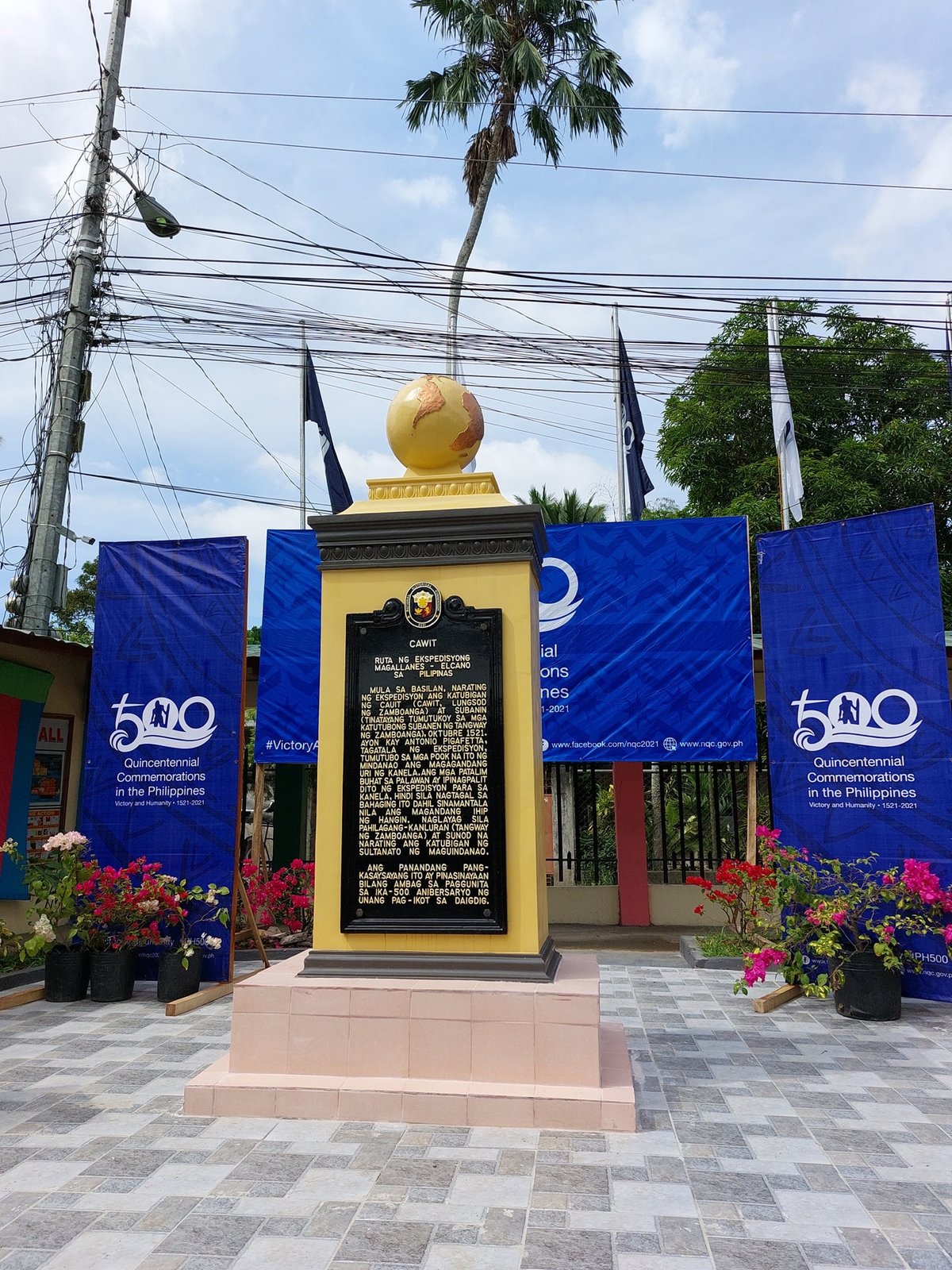
Fort Pilar, officially known as Real Fuerza de Nuestra Señora del Pilar de Zaragoza, is a cornerstone of Zamboanga City's rich historical and cultural tapestry. Built in the 17th century, this Spanish-era fortress has withstood centuries of conflict, transformation, and devotion, evolving from a bastion of military defense into a revered Marian shrine and a leading cultural destination. Today, Fort Pilar welcomes visitors from across the Philippines and beyond, offering a unique blend of heritage, faith, and educational experiences within the vibrant setting of Zamboanga City (Zamboanga City Government).
This comprehensive guide explores Fort Pilar’s history, architectural features, visiting hours, ticketing, visitor amenities, nearby attractions, and essential travel tips—equipping you for a meaningful and memorable visit.
Origins and Construction
Established in 1635, Fort Pilar was constructed under the direction of Jesuit priest-engineer Father Melchor de Vera and Spanish colonial authorities. The fort's location at the southern tip of the Zamboanga Peninsula was strategically chosen to guard against Moro pirate raids and secure Spanish interests in Mindanao (7641islands.ph; Vigattin Tourism). Built using more than 27,000 coral blocks, the fort’s walls—up to 6 meters high and 2 meters thick—showcase the era’s engineering expertise and resilience (GeoPinas).
Originally named El Real Fuerza de San José, Fort Pilar was one of only four bastioned forts constructed by the Spanish in the Philippines, highlighting its military and administrative importance (Vigattin Tourism).
Fort Pilar’s Strategic and Cultural Significance
Military Role
Throughout the Spanish colonial era, Fort Pilar was a vital military outpost, serving as a defense against maritime raids and as a refuge for the local populace during times of conflict. The fort’s robust design enabled it to withstand sieges, natural disasters, and even damage during World War II (Audiala).
Center of Multicultural Exchange
Beyond its military function, Fort Pilar emerged as a hub of cultural interaction, facilitating trade and exchanges among Spanish, Chinese, Malay, and indigenous communities. The fort also played a significant role during the American occupation, transitioning from a military stronghold to a symbol of civic and cultural identity (Zamboanga City Government).
Transition to a Marian Shrine and Museum
Marian Shrine
A defining transformation occurred in 1734, when the eastern wall of the fort was dedicated as an open-air shrine to Our Lady of the Pillar (Nuestra Señora del Pilar), who remains the patroness of Zamboanga City (Catholic Bishops’ Conference of the Philippines). The shrine is a focal point for religious devotion, drawing thousands of pilgrims especially during the Fiesta Pilar every October. The site has gained a reputation for miraculous events, including city-wide protection during calamities (Philippine Information Agency).
Fort Pilar Museum
Within the fort, the National Museum of the Philippines operates the Western Mindanao regional branch. The museum features:
- Ethnographic collections highlighting Mindanao’s diverse indigenous groups, including the Sama Dilaut (Badjao), Yakan, and Subanen (Lonely Planet).
- Archaeological finds such as artifacts from the Griffin Shipwreck, a Spanish galleon lost in 1764 (Hike to Travels).
- Religious and military relics, reflecting the fort’s dual history as both sanctuary and fortress.
- Contemporary art exhibitions, including peace and cultural advocacy displays (National Museum).
Practical Visitor Information
Visiting Hours and Ticketing
- Fort Pilar Shrine: Open daily from 5:00 AM to 7:00 PM.
- National Museum of Zamboanga: Open Tuesday to Sunday, 9:00 AM to 5:00 PM; closed on Mondays and certain holidays.
- Admission Fee: Entrance to both the fort and museum is free for Filipino citizens. A nominal fee applies to foreign visitors (The Poor Traveler; HikersBay).
- Guided Tours: Available upon request through the museum or City Tourism Office. Advance booking is recommended, especially for groups (Guide to the Philippines).
Accessibility and Amenities
- Mobility: The fort’s grounds are mostly flat and accessible; however, some historic structures have uneven surfaces or steps.
- Restrooms and Benches: Facilities are available on-site, with shaded areas for rest.
- Souvenir Shops and Local Food: Street vendors and small eateries are located nearby, especially at Paseo del Mar (The Poor Traveler).
- Language: Chavacano, Filipino, and English are commonly spoken; museum panels are multilingual (Out of Town Blog).
Nearby Historical Sites and Attractions
- Paseo del Mar: Waterfront park known for sunset views and local street food (Philippine Beaches).
- ZSCMST Bird Sanctuary: A 25-hectare wetland next to the fort, ideal for birdwatching (The Poor Traveler).
- Plaza Pershing and Zamboanga City Hall: Architectural and civic landmarks within walking distance.
- Other attractions: The annual Zamboanga Hermosa Festival in October features processions, regattas, and cultural performances (Zamboanga Hermosa Festival).
Visitor Tips: Safety, Customs, and Transportation
- Dress Modestly: Especially at the Marian shrine; shoulders and knees should be covered.
- Photography: Permitted in outdoor areas; some museum exhibits may restrict photography—check for signage.
- Transport: Jeepneys and tricycles are the most common and affordable ways to get around. Taxis are available, but less common (HikersBay).
- Best Time to Visit: December to May for good weather; October for festive celebrations.
- Health: Carry bottled water, use insect repellent, and ensure routine travel vaccinations (HikersBay).
- Safety: The area is generally safe and well-patrolled. Solo travelers, including women, report minimal risk of harassment.
Frequently Asked Questions (FAQ)
Q: What are the Fort Pilar visiting hours?
A: Shrine: 5:00 AM–7:00 PM daily. Museum: 9:00 AM–5:00 PM, Tuesday to Sunday.
Q: Is there an admission fee?
A: Entrance is free for Filipinos; foreigners pay a small fee.
Q: Are guided tours available?
A: Yes, inquire at the museum or City Tourism Office for schedules.
Q: Is the site accessible for visitors with mobility issues?
A: Most of the grounds are accessible, though some areas have uneven surfaces.
Q: Can I take photos at Fort Pilar?
A: Yes, in outdoor areas; restrictions apply inside some museum galleries.
Listen to the full story in the app
The whole Fort Pilar,
told well.
Audio guides for 1,100+ cities across 96 countries. History, stories, and local insight — offline ready.

Verified, and shown.
Researched and written by the Audiala editorial team from historical records, architectural archives, and local expertise.
Researched from Wikidata, Wikipedia & official sources · fact-checked · How we make our guides →