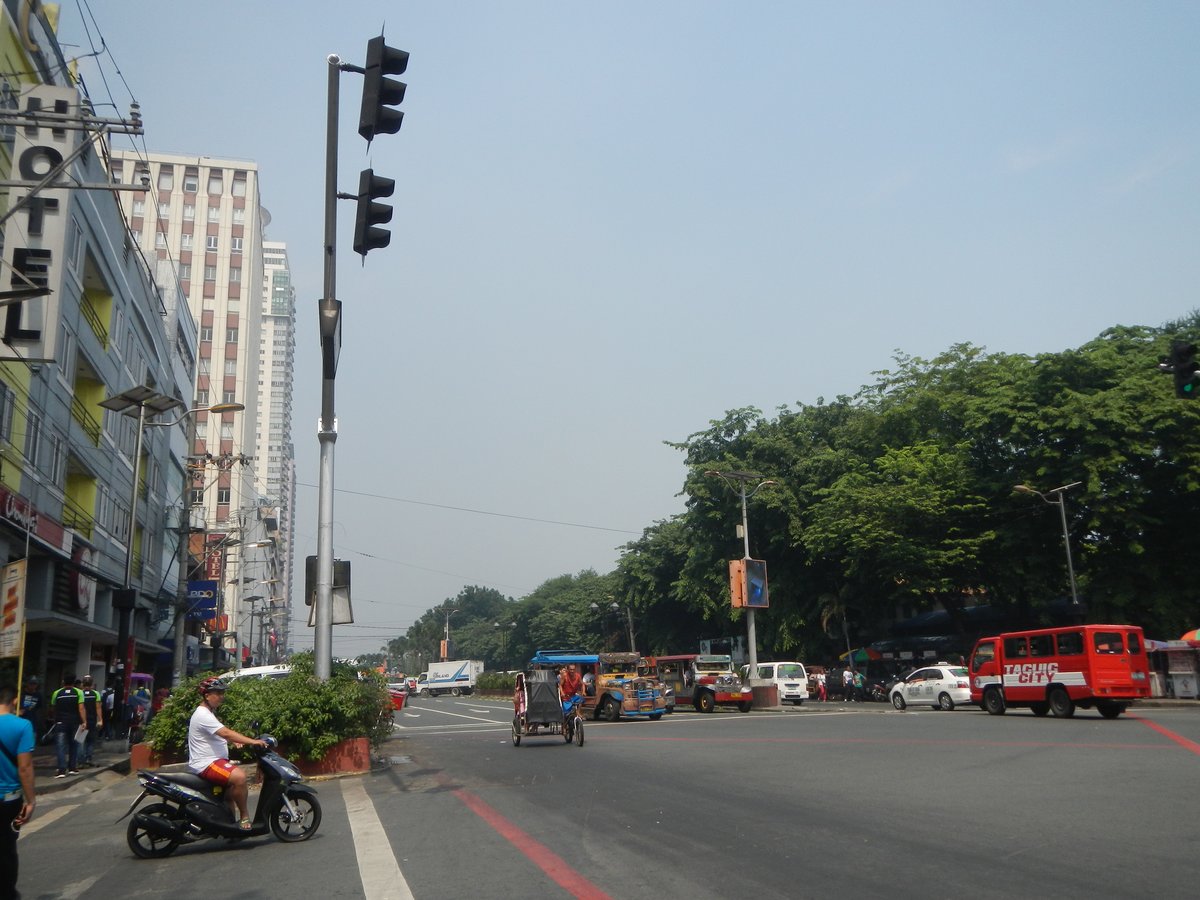
A beach made from crushed rock sounds like a joke, yet Manila Bay Beach in Pasay's orbit, on the Manila waterfront in the Philippines, draws people for exactly that contradiction. You come for the white curve of Dolomite Beach and the famous sunset, then stay because the place feels faintly strange: sea wall, embassy, traffic, gull-gray water, and a strip of pale sand that shouldn't work but somehow does. Few urban waterfronts show you so plainly how a city tries to rewrite its edge.
Records show this shore along Roxas Boulevard was never just about leisure. Before the dolomite arrived in 2020, this bayfront had already been a natural shoreline, an American-planned scenic boulevard, a diplomatic enclave, a battlefield, and later a promenade where Manileños came to catch the evening light.
The sand is the newest layer. The older story sits right behind it in concrete, bullet scars, and street names: the U.S. Embassy compound, Baywalk, and the long engineered rim of Manila Bay that links Manila to Pasay and farther south to the reclaimed coast around the Cultural Center of the Philippines.
Visit because the place makes you look twice. One minute you hear waves slap the revetment and buses grind along Roxas Boulevard; the next, you realize this odd little beach is really a front-row seat to the history of power, vanity, war, and repair on Manila Bay.
Researched by the Audiala editorial team from historical records, architectural archives, and local expertise.
What to see
The Dolomite Strand at Sunset
The surprise is how abruptly Roxas Boulevard drops away: jeepneys rattle behind you, then a 500-meter band of pale crushed dolomite opens toward the water like someone laid a white stage across the edge of Manila Bay. Come an hour before sunset, when the stone holds the day's heat under your feet, the breeze carries less traffic than salt, and the sky starts doing what this shore has always done best, turning orange-red over the anchored ships until the whole engineered beach stops looking like a government project and starts feeling like a front-row seat to the city's oldest spectacle.
The Entrance Boulder and Mandamus Markers
Most people snap the selfie and move on. Slow down at the entrance boulder, about 8 feet long and 5 feet 7 inches high, because this odd chunk of stone tells the real story: one marker frames the bay as a photo spot, another points to the rehabilitation project, and nearby signage ties the whole place back to the Philippine Supreme Court order of December 18, 2008, the legal shove that forced agencies to clean this shore at all. That changes the mood. You're not just looking at white gravel beside the sea; you're standing inside a lawsuit made visible.
Walk South Toward the Quieter Baywalk
Skip the crowded gate at peak sunset and keep walking south, toward the yacht club and the CCP side, where the promenade starts to breathe and the noise thins into wind, wave slap, and the click of phone cameras. The farther stretches reveal the place more honestly: interlocked paving, lamp posts, bike lanes, the engineered shore protection under the pretty white surface, and a horizon wide enough to make Metro Manila feel briefly, suspiciously, calm.
Plan your visit
Getting There
The name trips people up: the beach visitors mean sits on Roxas Boulevard in Manila, beside the US Embassy, not down in Pasay proper. From LRT-1, Pedro Gil is the easiest rail stop, about a 4-6 minute walk west via Pedro Gil Street to Roxas Boulevard; from NAIA Terminal 3, the practical route is UBE Express to Robinsons Manila, then a 689-meter walk that takes roughly 10 minutes at city pace.
Opening Hours
As of 2026, the best current working hours are daily from 6:00 AM to 6:00 PM, with Thursdays closed for maintenance. Recent visitor listings add one useful detail: the gate stops admitting new visitors at 6:00 PM, even though sunset usually lingers until about 6:15-6:30 PM, so arrive early if you're chasing that copper-colored Manila Bay light.
Time Needed
Give it 20-30 minutes if you just want a look, a few photos, and the odd pleasure of seeing white dolomite against brown bay water and six lanes of traffic. Most people spend 45-90 minutes at sunset, and 1.5-2 hours makes sense only if you pair it with Baywalk, Rizal Park, Manila Ocean Park, or a meal farther south toward the CCP and Pasay bayfront.
Accessibility
PWDs, seniors, and pregnant visitors were specifically promised a special lane by site managers, and the paved Baywalk approach is the easiest route for wheelchairs or strollers. The dolomite itself is a different story: loose, glare-bright, and harder to cross than a smooth promenade, with little shade and no reliable recent confirmation of accessible toilets on site.
Cost & Tickets
As of 2026, entry is free and current practical guides do not show any online pre-registration, timed booking, or paid fast-track lane. Older appointment systems from 2021-2022 still haunt blog posts, but they appear to be history now; bring cash only if you plan to park nearby or eat in Malate or down toward Pasay.
Photo Gallery
A large rock formation serves as a focal point on the artificial white sand of Manila Bay Beach, set against a backdrop of modern high-rise architecture in Pasay, Philippines. · Ralff Nestor NacorA bustling afternoon scene at Manila Bay Beach in Pasay, Philippines, showing the vibrant promenade filled with vendors and visitors enjoying the sandy coastline. · PNA photo by Avito C. DalanGovernment officials conduct an inspection of the Manila Bay Beach project in Pasay, Philippines, amidst ongoing development work. · patrickroque01A peaceful afternoon view of the sandy Manila Bay Beach in Pasay, Philippines, with distant ships visible on the horizon. · P1898A historical marker at the Manila Baywalk Dolomite Beach in the Philippines, outlining the project's origins and its role in the Manila Bay rehabilitation program. · Ralff Nestor NacorThe entrance to the Manila Bay Beach in Pasay, Philippines, featuring the iconic signage and a Department of Environment and Natural Resources coordinating office tent. · Ralff Nestor NacorVisitors walk along the sandy shores of Manila Bay Beach in the Philippines, framed by the modern high-rise skyline of Pasay. · patrickroque01
History
Where The Bay Kept Changing Its Mind
Manila Bay Beach looks brand-new because, in one sense, it is. Records show the dolomite beach opened to public attention on September 19, 2020, during the long rehabilitation campaign tied to the Supreme Court's December 18, 2008 mandamus ordering agencies to restore Manila Bay to waters fit for contact recreation.
But this strip of shore is older than the sand under your shoes. Most scholars trace the modern shape of the waterfront to Daniel Burnham's June 28, 1905 plan for a grand bayfront boulevard, and the coast was then remade again and again through reclamation, diplomacy, war, nightlife, and state cleanup drives that reached deep into the Manila-Pasay shoreline.
The turning point
Francis Bowes Sayre Sr. And The Shore That Betrayed Its Own Promise
Francis Bowes Sayre Sr., documented as U.S. High Commissioner to the Philippines from 1939 to 1942, embodied the contradiction of this waterfront. What was at stake for him was personal as much as political: he represented a promised transition to Philippine independence, yet he did so from a grand seaside chancery on reclaimed land that advertised American prestige in stone, lawns, and sea air.
An NHCP site record attributes the chancery behind today's beach to that late-colonial moment, though the exact 1940 opening detail still needs tighter archival proof. Then the turning point arrived with war. During the Battle of Manila in February 1945, this bayfront stopped being a ceremonial address and became a killing ground, with documented atrocities around the Bayview Hotel and Plaza Ferguson between February 9 and 13, while the chancery passed from American symbol to Japanese occupation site to liberated compound within days.
That reversal is why the beach matters. Stand here now with the salt smell, the hiss of traffic, and the orange light over the bay, and the place reads as a public lookout; in 1945, the same frontage meant terror, military power, and survival.
Before The White Sand
According to local historical accounts, Malate once faced a real bathing shore before American-era reclamation pushed the waterline outward and made room for Cavite Boulevard, later Dewey Boulevard, now Roxas Boulevard. By 1912, published images show construction along the projected bay road, and that matters because Manila Bay Beach sits on a coast already engineered into an imperial postcard more than a century before anyone spread dolomite over it.
Cleanup Or Cosmetic Fix?
Records show the state's rehabilitation frame did not begin with a photo-friendly beach. The legal backbone runs from the 2008 Supreme Court decision through the February 15, 2011 execution resolution, with earlier official efforts in 1993 and 1995 aimed at cleaning and remaking Manila Bay. The open argument is modern and sharp: DENR presents the beach as part of coastal defense and rehabilitation, while UP marine scientists argue the dolomite cover is temporary, erosion-prone, and far less important than fixing sewage, river outfalls, and water quality.
Tips for visitors
Sunset Timing
Aim for 4:45-5:30 PM, not 6:00 PM sharp. The gate can close to new entrants at 6:00 PM, and the best light comes when the bay turns brass and the traffic noise starts to soften, just before sunset.
Watch Your Lens
Phone photos are fine, and current visitor guidance says photoshoots are allowed. But the beach sits beside the US Embassy, so don't point drones, tripods, or prolonged camera setups toward security-sensitive areas unless you enjoy attracting attention for the wrong reason.
Street Smarts
Keep your phone in hand only when you're using it, especially near traffic and crowd bottlenecks, because snatching and petty theft are recurring complaints along Roxas Boulevard. After dark, skip haggling roadside rides and book Grab instead; for parking, pay only uniformed attendants and ask for a receipt.
Food Rules
Food isn't allowed inside the beach area, though water is. Eat after your visit: The Aristocrat on Roxas Boulevard is the classic mid-range move, Cafe Adriatico in Malate gives you old-Manila atmosphere, and Seascape Village in Pasay is where the bayfront gets serious about seafood and your bill starts climbing.
Pair It Properly
This works better as one stop in a bayfront sequence than as a destination on its own. Start with Dolomite Beach for the curiosity, walk north toward Rizal Park if you want history, or head south toward CCP, PICC, and Seascape in Pasay if you want the evening to feel less like a photo stop and more like a night out.
Bring Less
No on-site lockers showed up in current research, and even the toilets sound unreliable, with recent reports of portable units out of order. Pack light, carry water, and use Robinsons Manila, Manila Ocean Park, or other nearby buildings for bathrooms and any real reset before the heat gets to you.
Where to Eat
local_dining
Don't Leave Without Trying
Boodle feastSisigKare-kareSinigangButter garlic crabBaked scallopsSteamed pampano in soy sauceSalmon belly sinigang sa miso
The Aristocrat Restaurant
local favorite
Filipino€€star4.2(4434)
Order: Crispy kare-kare and inihaw platter
A legendary Manila institution known for its rich, comforting Filipino dishes. The 24-hour service means you can satisfy cravings anytime.
A reliable chain for classic Filipino comfort food, perfect for groups or late-night eats. The Malate branch is a local favorite with a long-standing reputation.
checkFor a classic bayfront seafood experience, buy from Seascape Village Bay Market and have it cooked at a partner restaurant.
checkTry the boodle feast at Blackbeard’s Seafood Island for a shared Filipino seafood spread.
checkIf you want Filipino food beyond seafood, TCC Filipino Restaurant by the Bay offers grilled platters and comfort dishes.
checkFor a quick coffee stop, BLVCK CAFE in SM By the Bay is a great choice for sunset views.
Food districts:SM By the Bay / MOA SeasideSeascape Village
Restaurant data powered by Google
Frequently asked
Is Manila Bay Beach worth visiting?
Yes, if you treat it as a sunset promenade and a piece of political theater rather than a real swimming beach. The surprise is the setting: pale crushed dolomite underfoot, embassy walls behind you, and Manila Bay turning red-orange at dusk. Go for the view, the people-watching, and the argument the place still starts.
How long do you need at Manila Bay Beach?
Most people need 45 to 90 minutes. Half an hour covers the entrance, the beach strip, and a few photos; closer to two hours makes sense if you stay for sunset or fold it into a longer Baywalk walk toward Luneta or the CCP side.
How do I get to Manila Bay Beach from Pasay?
From Pasay, the easiest route is usually north by bus or jeep along Roxas Boulevard, then off near Pedro Gil, Robinsons Manila, or the U.S. Embassy side. If you're coming from Baclaran, local guides suggest a Divisoria jeep via Mabini or Harrison, then a short walk west; from PITX, buses bound for Lawton or Quiapo via Roxas Boulevard also work.
What is the best time to visit Manila Bay Beach?
Late afternoon for sunset is the best time if you want the classic view, but early morning is better if you want space and less heat. The site is exposed, with little shade, and the rainy season can leave the shore streaked with debris and water hyacinth instead of clean white stone.
Can you visit Manila Bay Beach for free?
Yes, entry is free. Current visitor guidance points to daily opening from 6:00 AM to 6:00 PM with Thursday maintenance closures, and recent sources say no online booking is needed anymore.
What should I not miss at Manila Bay Beach?
Don't stop at the selfie boulder and leave. Walk farther down the 500-meter strip, watch the light change over the bay, and look back at the old U.S. Embassy chancery and site markers that hint at the shoreline's older life as a colonial frontage, battlefield, and legal cleanup project.
Sources & attribution105
Researched and written by the Audiala editorial team from historical records, architectural archives, and local expertise. Last updated April 2026.
Lawphil — Supreme Court Manila Bay decision ordering agencies to clean up, rehabilitate, preserve, and restore the bay.
Lawphil — Execution-phase resolution for the Manila Bay mandamus and agency monitoring.
Lawphil — Administrative order citing the Manila Bay rulings and rehabilitation framework.
DENR — Permanent reopening notice with hours, access rules, and official framing of the beach.
GMA News — News coverage of the permanent public reopening and official rehabilitation claims.
GMA News — Report on the September 19, 2020 public opening tied to coastal cleanup.
Wikipedia — Background on the older Malate bayfront and shoreline context near the site.
Wikipedia — Historic context on Malate and its earlier shoreline before reclamation.
Big Stone in Manila Baywalk Dolomite Beach, May 2025 — Ralff Nestor Nacor — CC BY-SA 4.0 (https://creativecommons.org/licenses/by-sa/4.0/) — Source: https://commons.wikimedia.org/wiki/File:Big_Stone_in_Manila_Baywalk_Dolomite_Beach,_May_2025.jpg
City of Manila Baywalk Dolomite — P1898 — CC BY 4.0 (https://creativecommons.org/licenses/by/4.0/) — Source: https://commons.wikimedia.org/wiki/File:City_of_Manila_Baywalk_Dolomite.jpg
Ang Manila Baywalk Dolomite Beach Marker (Tagalog) — Ralff Nestor Nacor — CC BY-SA 4.0 (https://creativecommons.org/licenses/by-sa/4.0/) — Source: https://commons.wikimedia.org/wiki/File:Ang_Manila_Baywalk_Dolomite_Beach_Marker_(Tagalog).jpg
Manila Bay beach (Roxas Boulevard, Manila; 09-19-2020) wiki — patrickroque01 — CC BY-SA 4.0 (https://creativecommons.org/licenses/by-sa/4.0/) — Source: https://commons.wikimedia.org/wiki/File:Manila_Bay_beach_(Roxas_Boulevard,_Manila;_09-19-2020)_wiki.jpg
Mandamus Agencies Marker in Manila Baywalk Dolomite Beach — Ralff Nestor Nacor — CC BY-SA 4.0 (https://creativecommons.org/licenses/by-sa/4.0/) — Source: https://commons.wikimedia.org/wiki/File:Mandamus_Agencies_Marker_in_Manila_Baywalk_Dolomite_Beach.jpg
Manila Bay beach project ongoing (Roxas Boulevard, Manila; 09-19-2020) — patrickroque01 — CC BY-SA 4.0 (https://creativecommons.org/licenses/by-sa/4.0/) — Source: https://commons.wikimedia.org/wiki/File:Manila_Bay_beach_project_ongoing_(Roxas_Boulevard,_Manila;_09-19-2020).jpg
Manila Bay beach front (Roxas Boulevard, Manila; 09-19-2020) wiki — patrickroque01 — CC BY-SA 4.0 (https://creativecommons.org/licenses/by-sa/4.0/) — Source: https://commons.wikimedia.org/wiki/File:Manila_Bay_beach_front_(Roxas_Boulevard,_Manila;_09-19-2020)_wiki.jpg
Strictly necessary cookies keep the site working. Analytics (PostHog, Google Analytics) measures how each visitor uses our pages. Marketing loads YouTube videos and walking-route maps without a tap and lets Google Analytics set advertising cookies. We never sell your data. You can change this any time from the footer.
Analytics and marketing cookies are optional and only load if you agree. Details under Customize.
Privacy
Cookie preferences
Pick what you're okay with. You can change this any time from the footer.
Strictly necessary
Always on
Sign-in, language, navigation. Always on.
Product analytics
PostHog (EU) and Google Analytics record which pages you view and how you use them, under a random identifier stored in your browser. Helps us see which pages work and which need fixing. Google's ad personalisation stays off. No selling.
Marketing
Loads YouTube videos and the walking-route maps (OpenFreeMap) without a tap; without it, they load only when you tap them. If analytics is also on, Google Analytics may set advertising cookies. Ad personalisation stays off.