Place
Philippines Updated Mar 2026
The first surprise in Nagcarlan, Philippines is that one of its quietest places sits underground: a brick-vaulted crypt where footsteps echo and candle wax sweetens the air. Above it, tricycles buzz past fruit stalls and church bells mark the hour like they always have. People come here for the Nagcarlan Underground Cemetery, but they stay for the feeling that history is still breathing just beneath daily life.
 Photo: Ramon FVelasquez · CC BY-SA 3.0
Built from cited sources · see the method · How we make our guides →
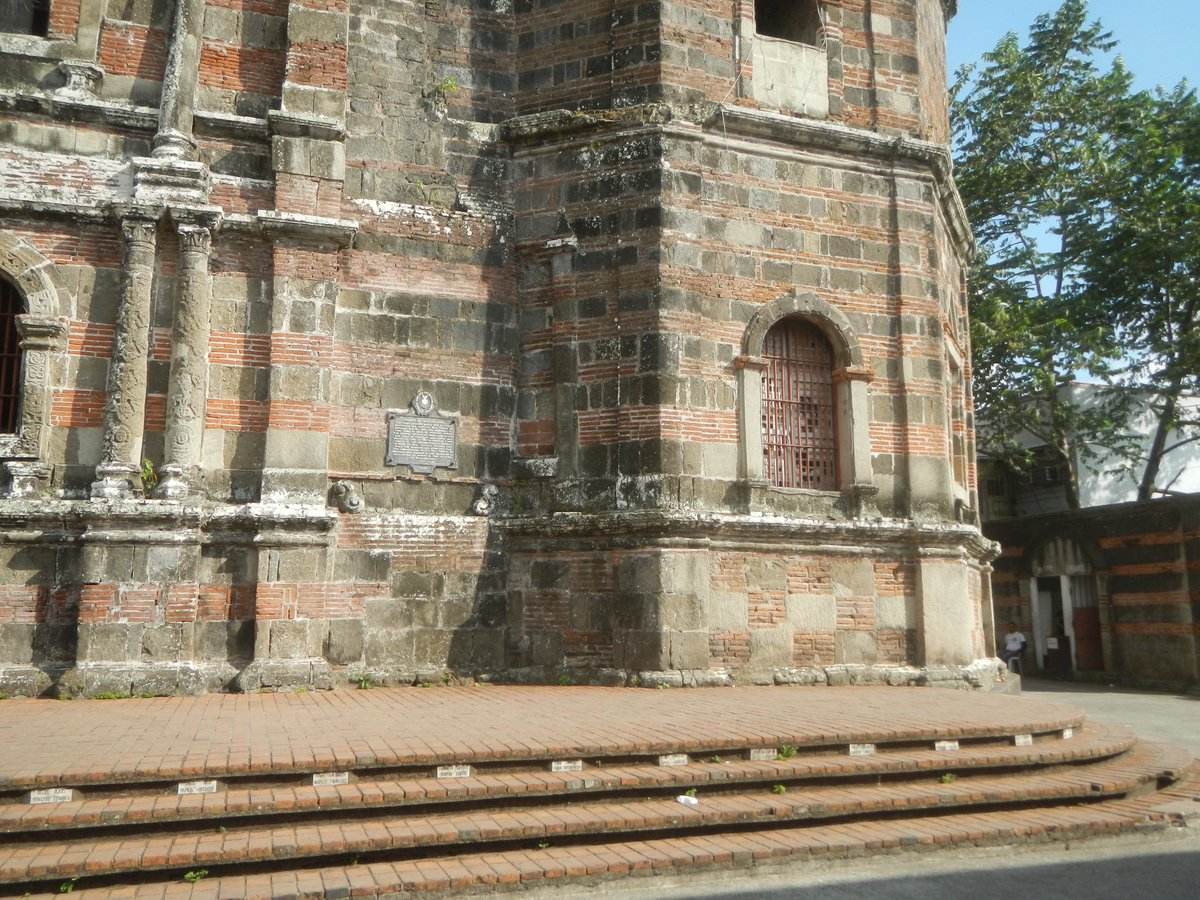
Nagcarlan’s center is compact and deeply storied: the Saint Francis of Assisi Parish Church, the old plaza, and the cemetery are all within an easy walk. The Underground Cemetery, completed in 1845 under Fr. Vicente Villanueva, is not just an architectural curiosity; it also served as a clandestine meeting place for Katipunan revolutionaries during the 1896 uprising. You feel that double identity everywhere in town—devotion on the surface, resistance in the margins.
This is a place of market mornings and mountain weather, where coffee, lanzones, jackfruit, and bananas from nearby foothills shape both economy and conversation. Around October and November, faith becomes visible in processions and candlelit vigils, especially during Undas when thousands visit the cemetery. If you’re used to louder destinations, Nagcarlan recalibrates your pace: less spectacle, more texture, more listening.
Beyond the poblacion, the landscape opens into crater-lake calm and uphill barangays edging toward Mount Banahaw and Mount San Cristobal. That mix—colonial stonework, revolutionary memory, and agricultural highland life—is Nagcarlan’s real pull. It changes your sense of Laguna from a transit province into a place where memory, belief, and terrain are tightly stitched together.
Not every monument, just the ones we'd walk you past ourselves.

Where to wander, by quarter — each with its own rhythm.
Before you go
Revolutionary leader · 1863–1897
Linked to Nagcarlan through Katipunan meetings at the Underground Cemetery
Local accounts and historical interpretation tie Bonifacio and fellow Katipuneros to secret use of the Nagcarlan Underground Cemetery during the 1896 Revolution. The hidden chamber’s cool air and thick walls made it a practical place for guarded conversations. He would likely recognize the site today as proof that resistance often survives in quiet, unlikely rooms.
Where locals actually book dinner — not the tourist menus.
Small things that change how the city treats you.
The city, as it actually looks.


Yes—especially if you enjoy history, quiet towns, and places with real local life. Nagcarlan’s 1845 Underground Cemetery is a National Cultural Treasure and gives the town a depth you won’t get in resort destinations. Pair it with the old parish church, plaza walk, and a side trip to Lake Calibato for a compact but memorable visit.
One to two days is enough for most travelers. A day trip can cover the Underground Cemetery, Saint Francis of Assisi Parish Church, plaza, and market. Stay overnight if you want a slower pace or to add Lake Calibato and foothill barangays.
The usual budget route is Manila to Santa Cruz, then a local transfer to Nagcarlan by jeepney or tricycle. It takes several hours total depending on traffic and transfer timing. If you prefer flexibility, a private car is straightforward via Laguna roads.
Expect a modest fee, commonly around PHP 20–50. Rates can change, so carry small cash in case there is no digital payment option. Opening hours are typically around 8 AM to 5 PM.
Generally yes, Nagcarlan is a quiet provincial municipality with a conservative, community-centered atmosphere. Use normal precautions: secure valuables, arrange transport before late evening, and respect religious spaces. During Undas, watch crowds and traffic near the cemetery.
October to early November is culturally rich because of the Saint Francis of Assisi feast and Undas observances. If you want fewer crowds, choose regular weeks outside Nov 1–2 and go early in the day for cooler weather. Festival dates are rewarding but significantly busier.
Yes, many visitors do both in a single day with an early start. Begin in Poblacion for the cemetery, church, and plaza, then hire a tricycle or habal-habal to Calibato. Confirm return transport in advance since lake areas are quieter.
5 places to discover
Saved and recently read places — kept on this device only.
Photos may have been resized or cropped.
