

Early Development
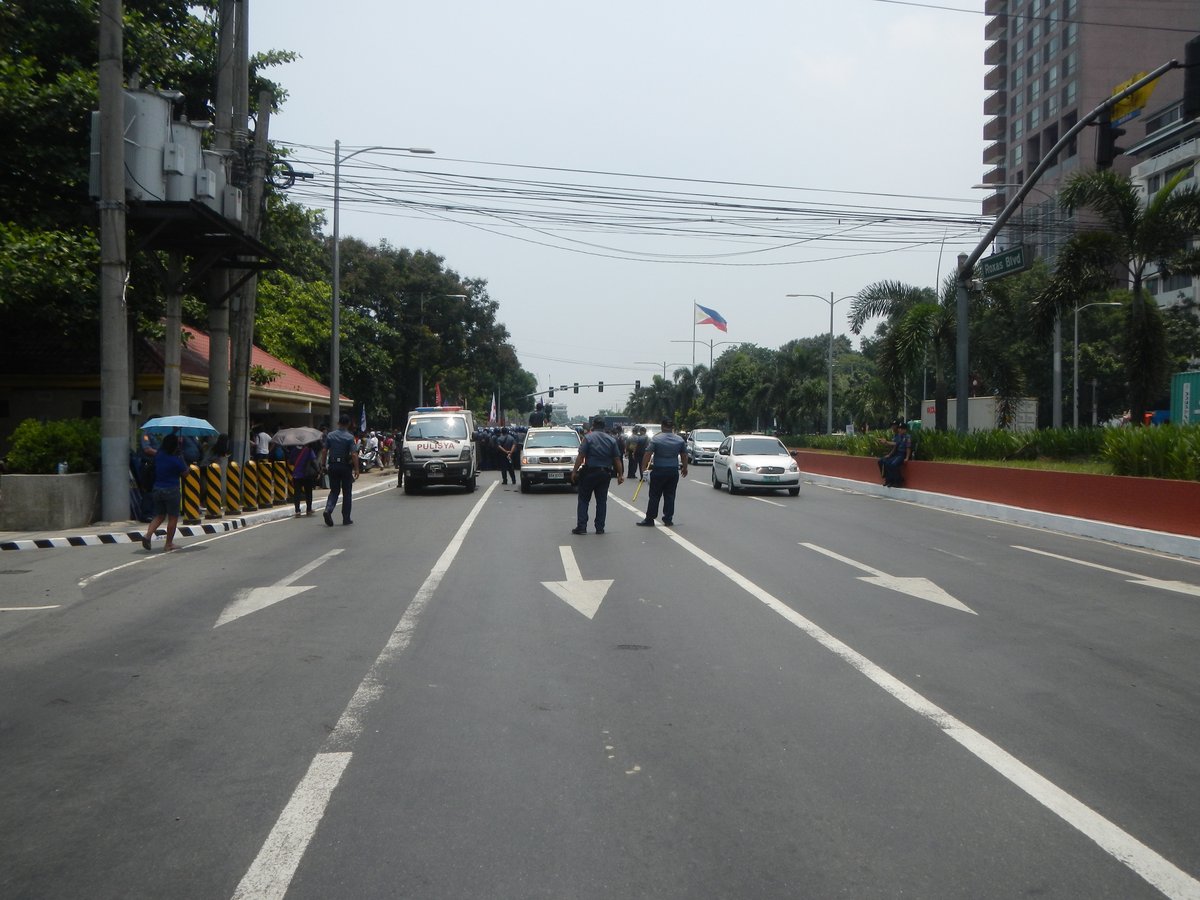
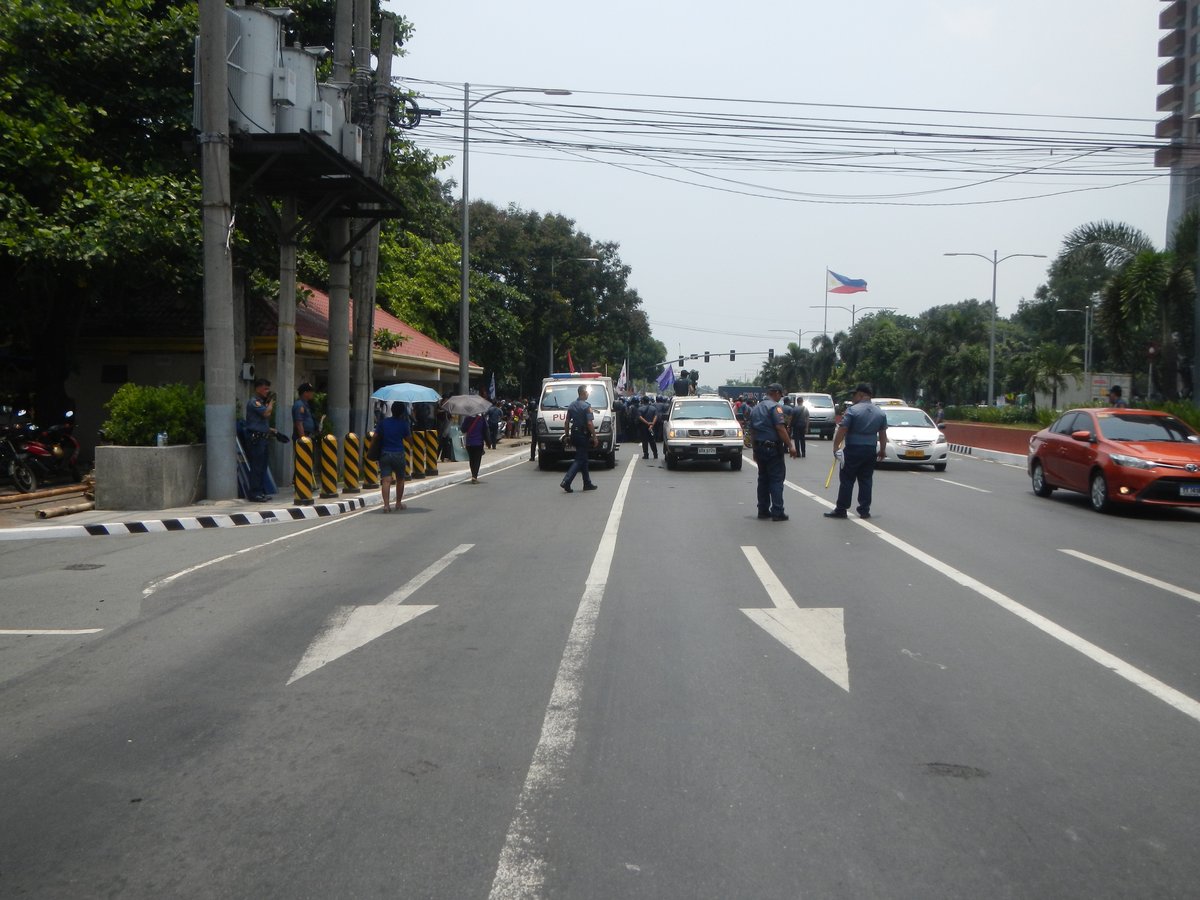
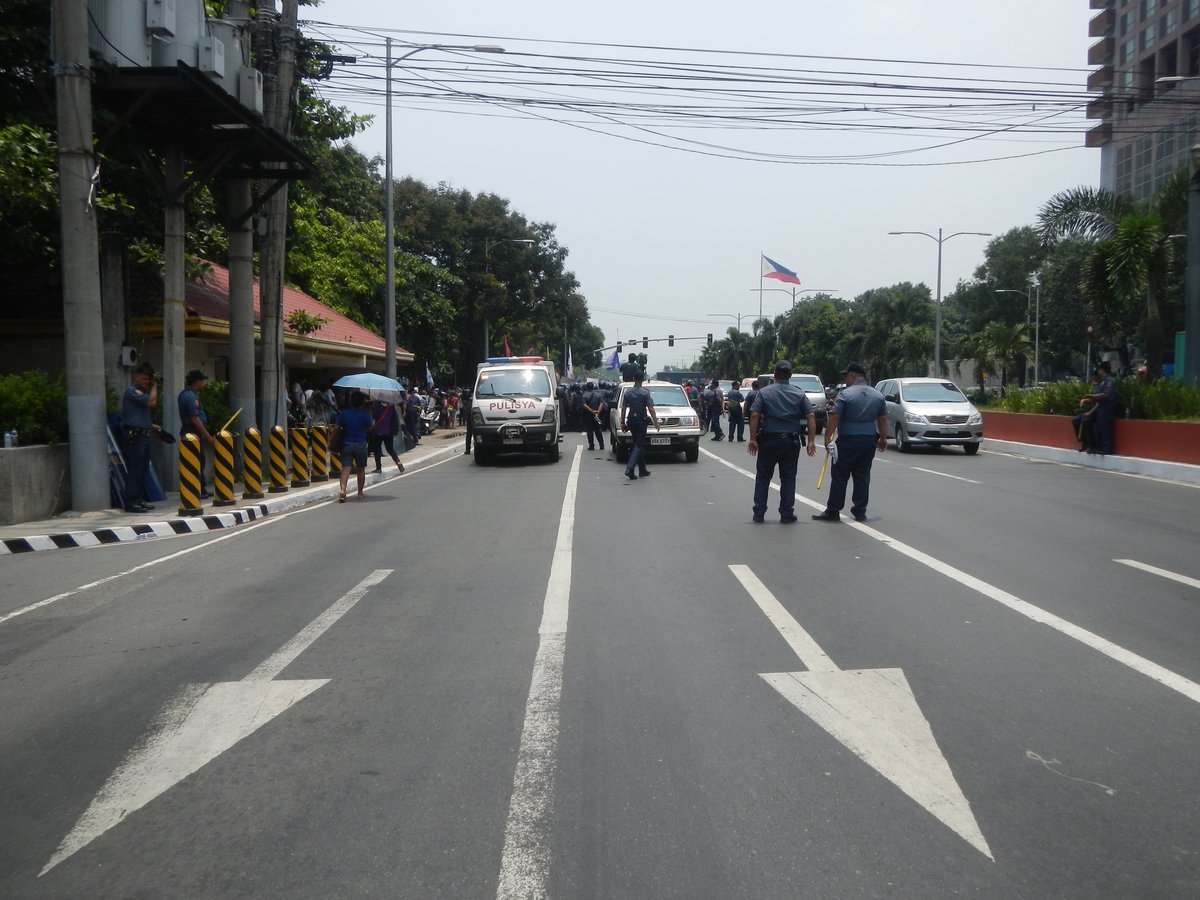
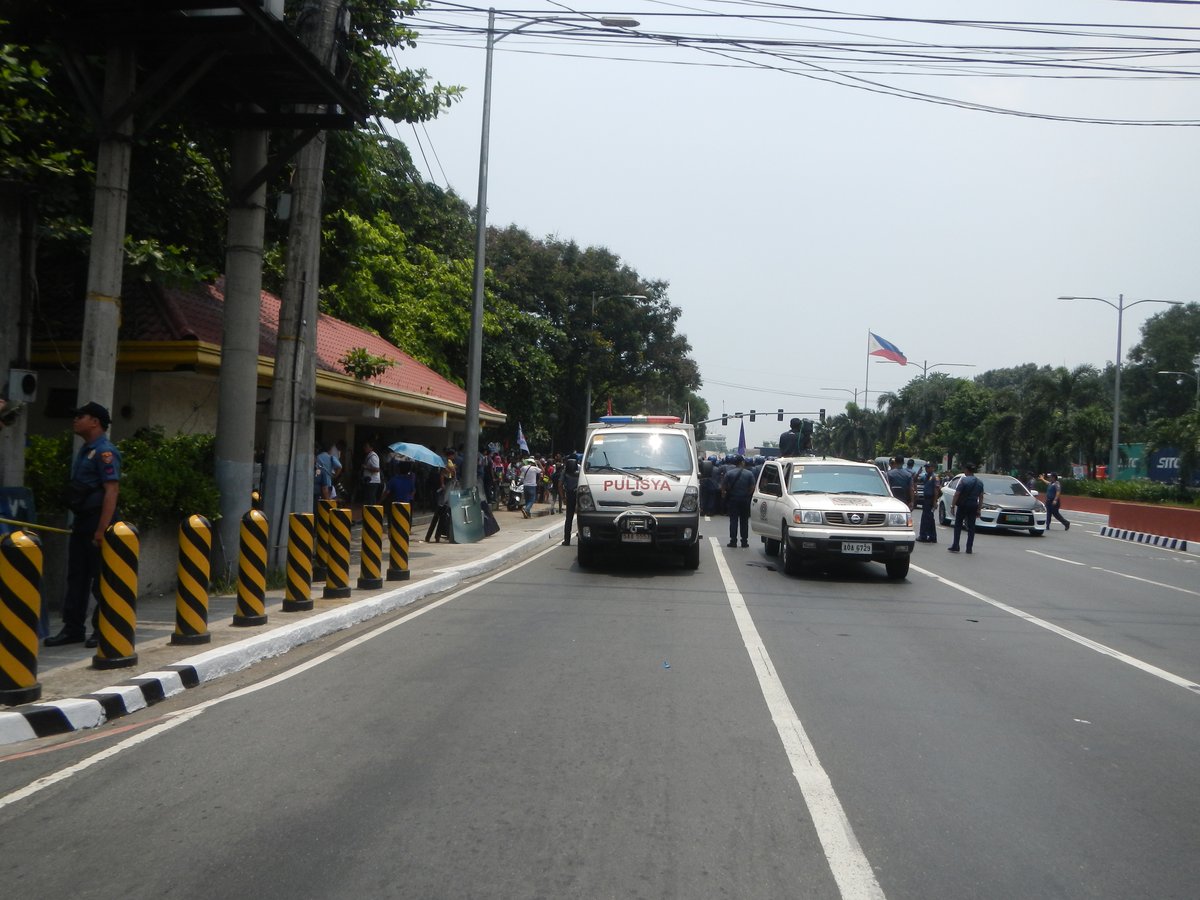
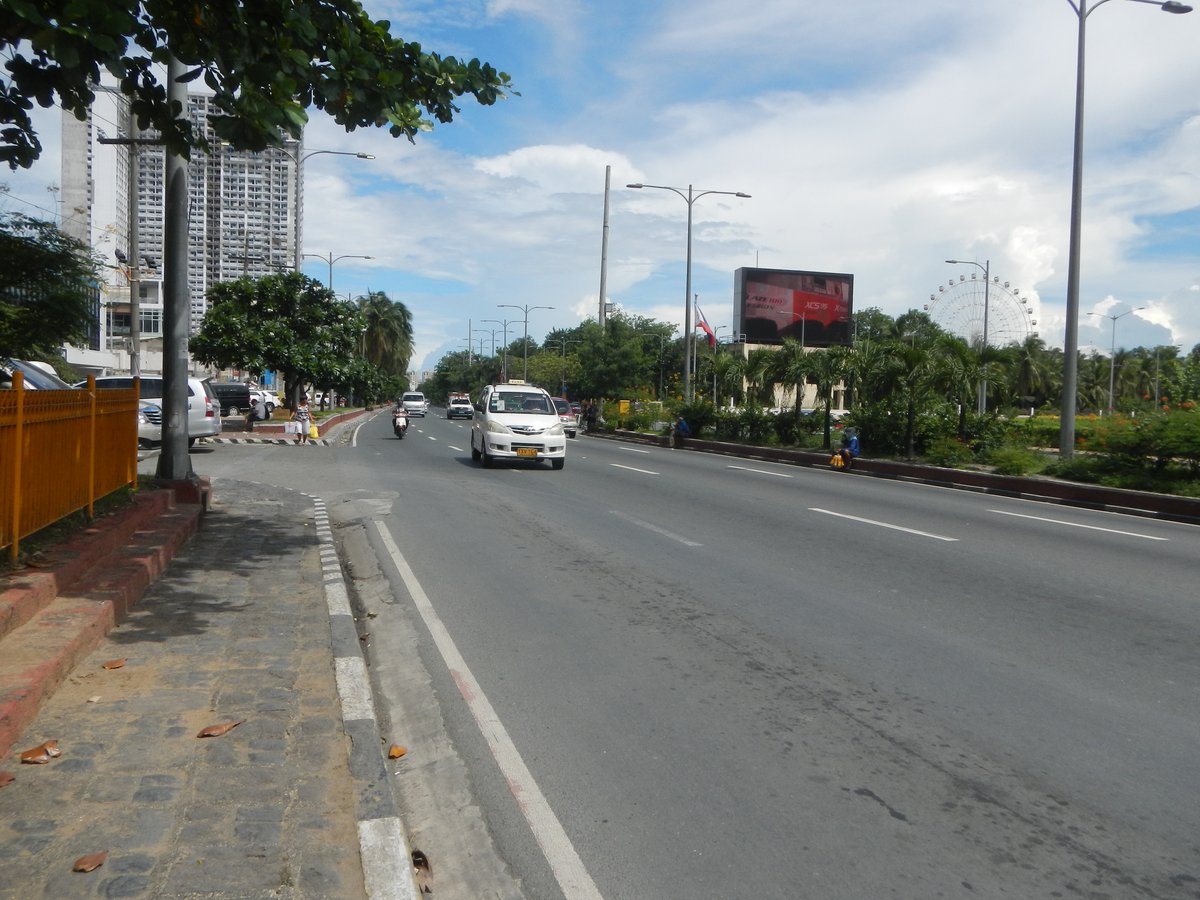
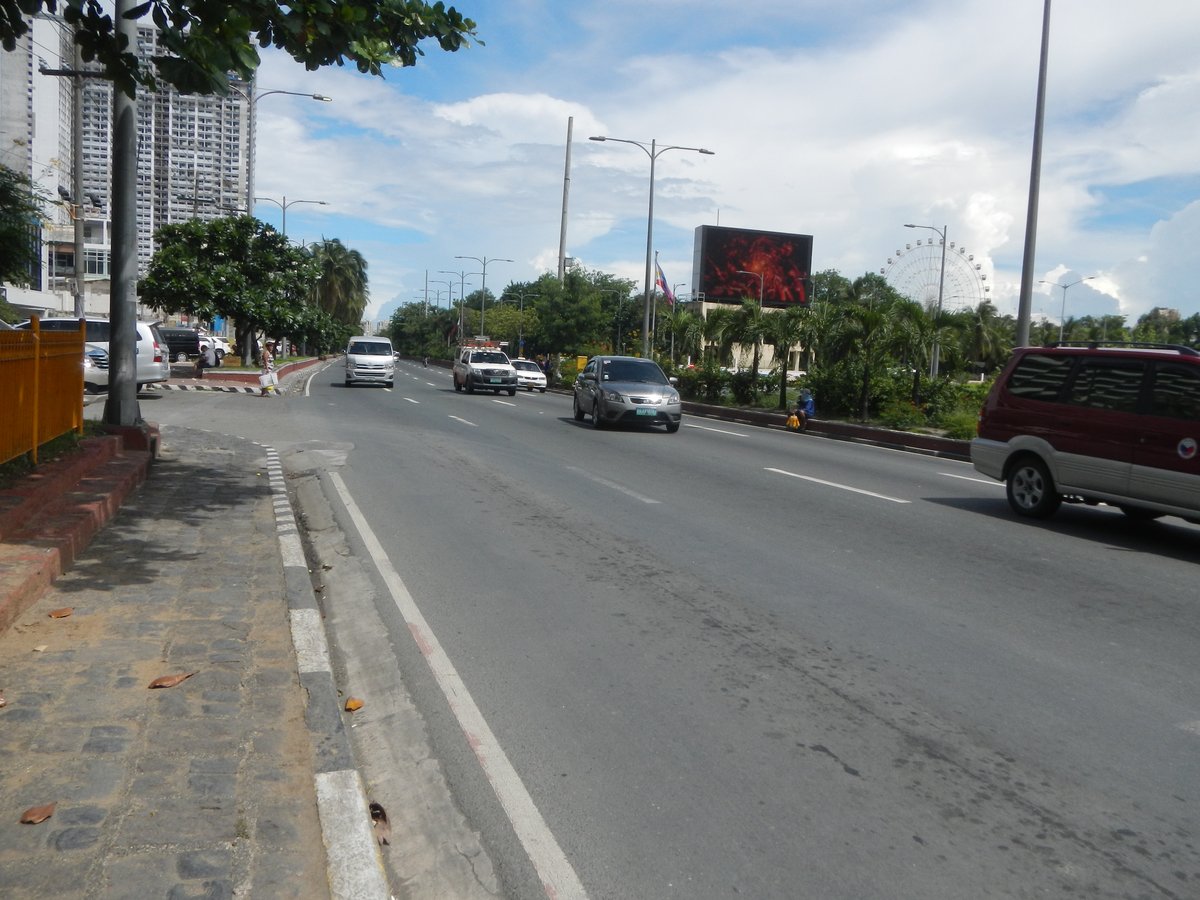
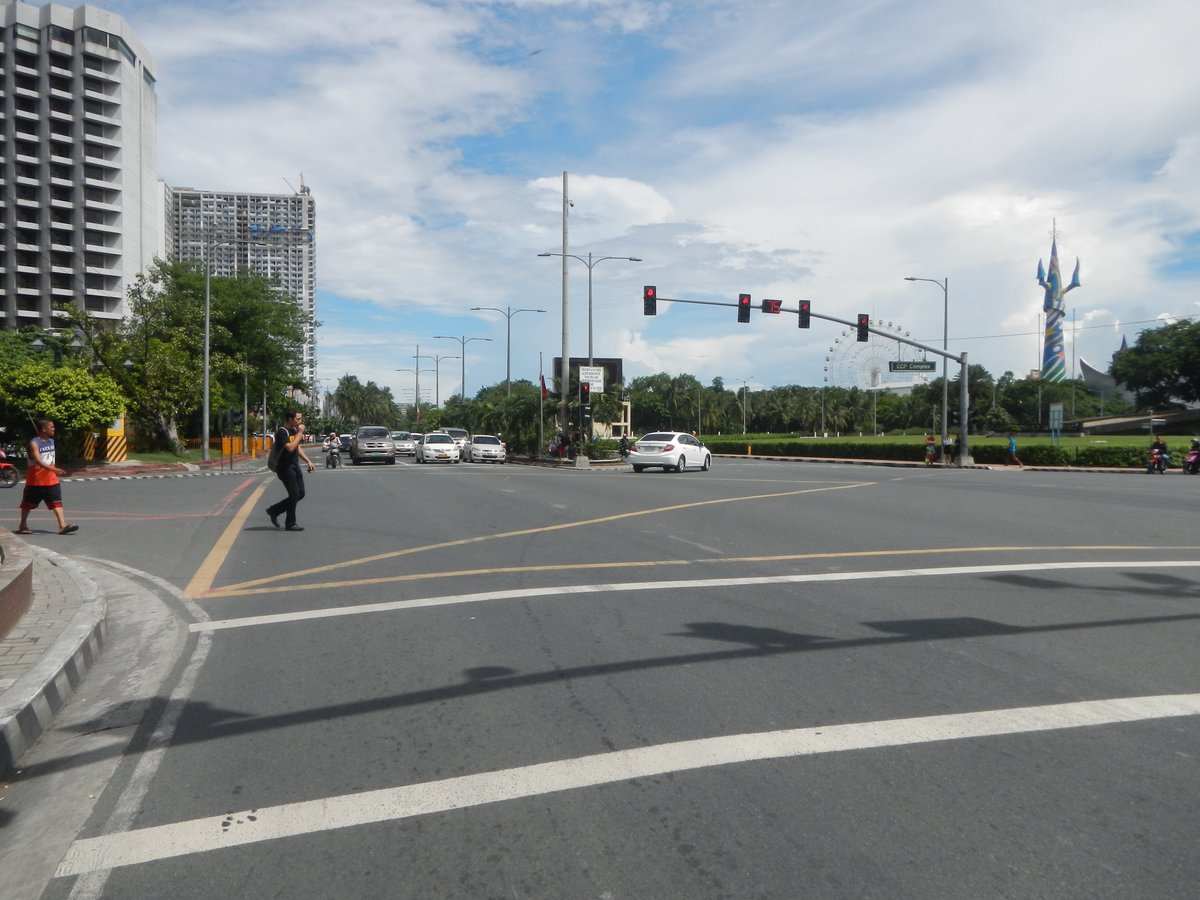
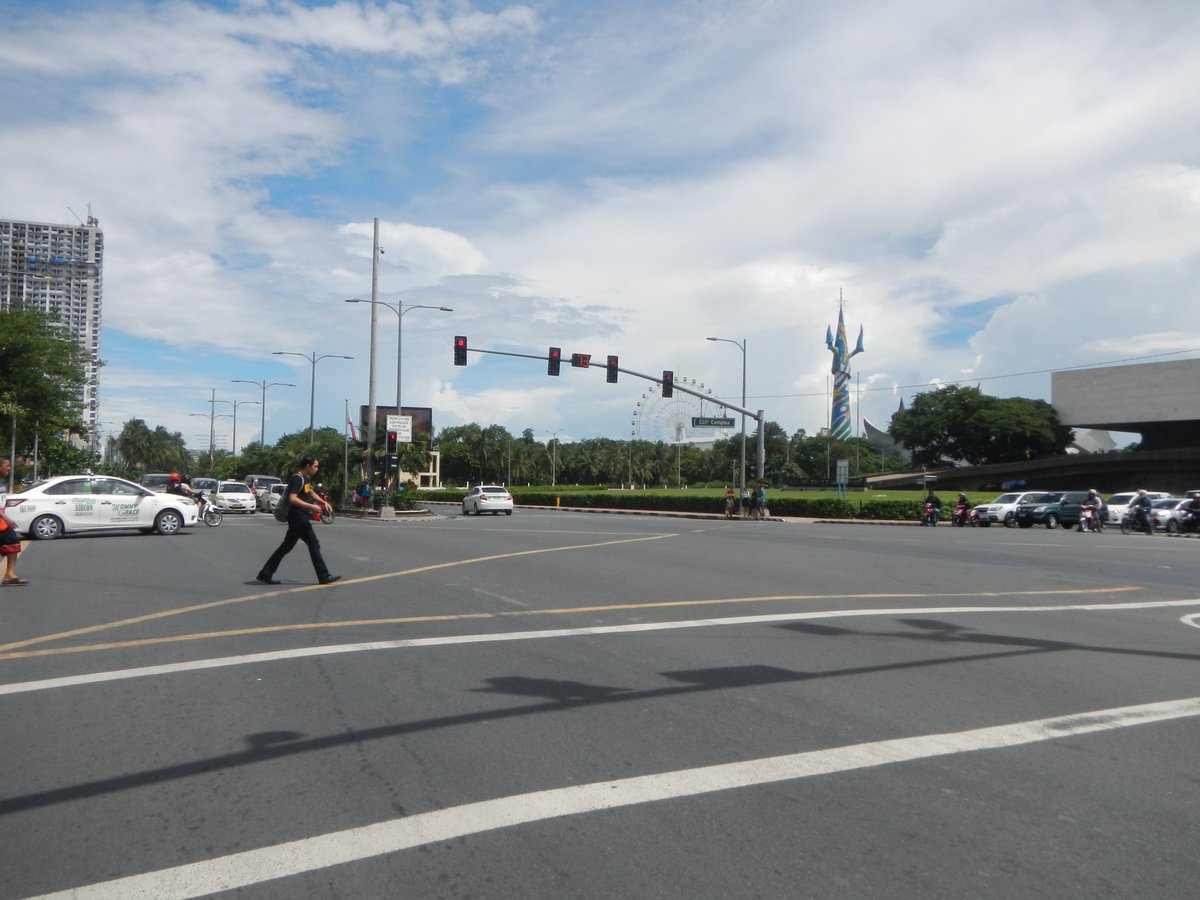
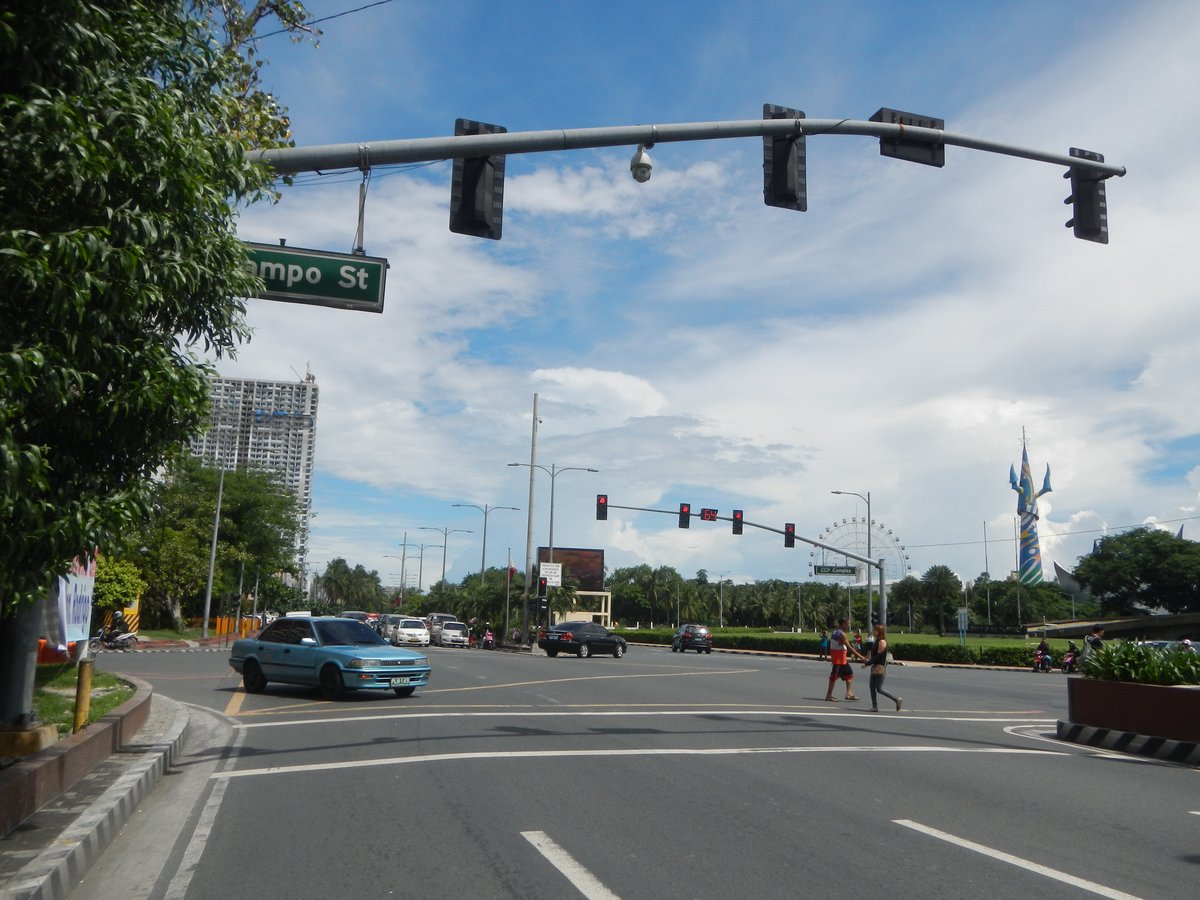
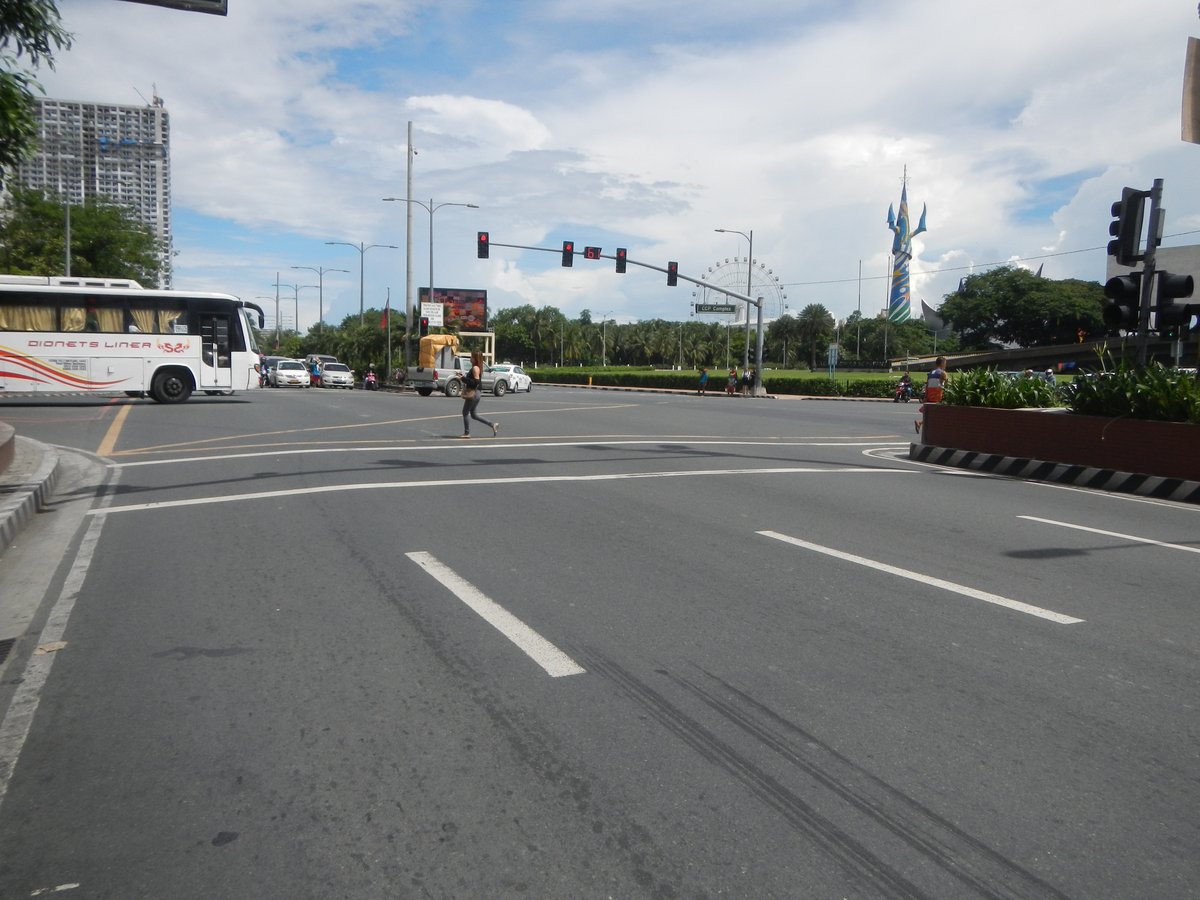
Roxas Boulevard began as Cavite Boulevard in the early 1900s, conceptualized by Daniel Burnham. The design featured broad, tree-lined avenues and monumental structures, intended to showcase Manila’s waterfront. The boulevard was built on reclaimed land and planted with acacia and palm trees for shade and beauty (Vigattin Tourism).
Name Changes and Historical Transformations
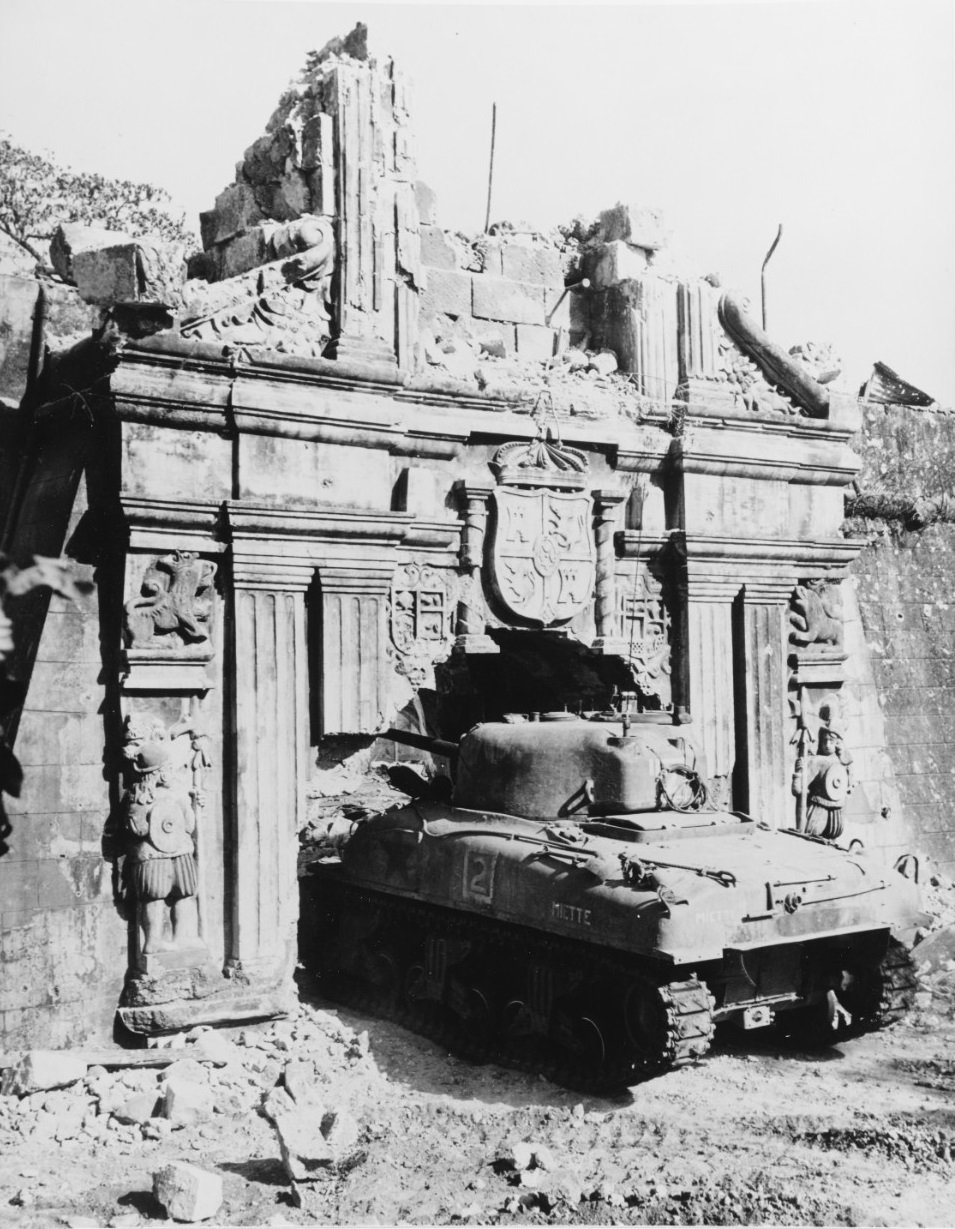
The boulevard’s name evolved with the Philippines’ political history: from Cavite Boulevard to Dewey Boulevard (after Admiral George Dewey) post-1898, to Heiwa (“Peace”) Boulevard during the Japanese occupation in World War II, and finally to Roxas Boulevard in 1963, in honor of President Manuel Roxas (Wikiwand). During WWII, it served as a runway, with many trees cut down for military use.
Modernization
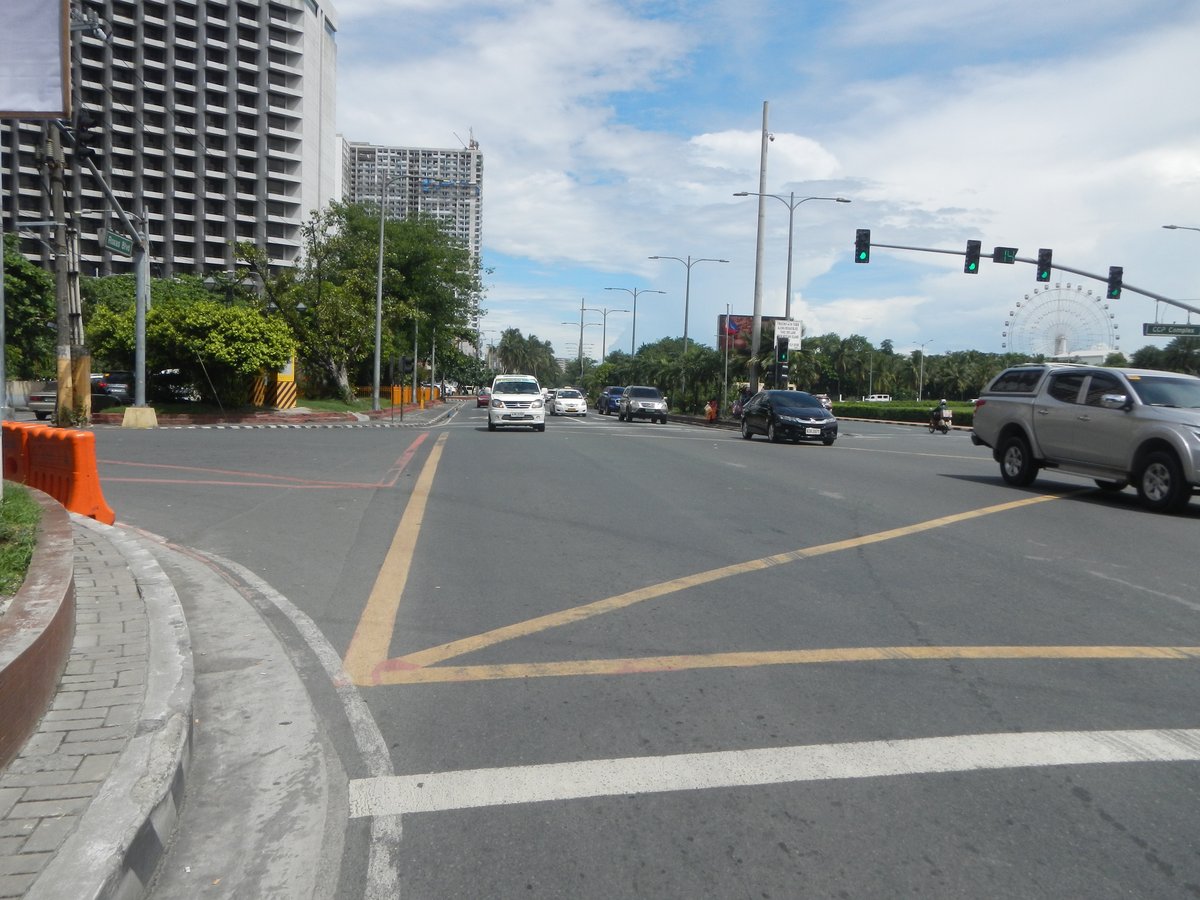
Postwar years saw Roxas Boulevard expand into an eight-lane thoroughfare, linking Manila, Pasay, and Parañaque. The 1970s and 1980s saw the rise of the CCP, Philippine International Convention Center, and luxury hotels, cementing its role as a cultural and entertainment center.
Architectural and Heritage Landmarks
Rizal Park (Luneta Park)
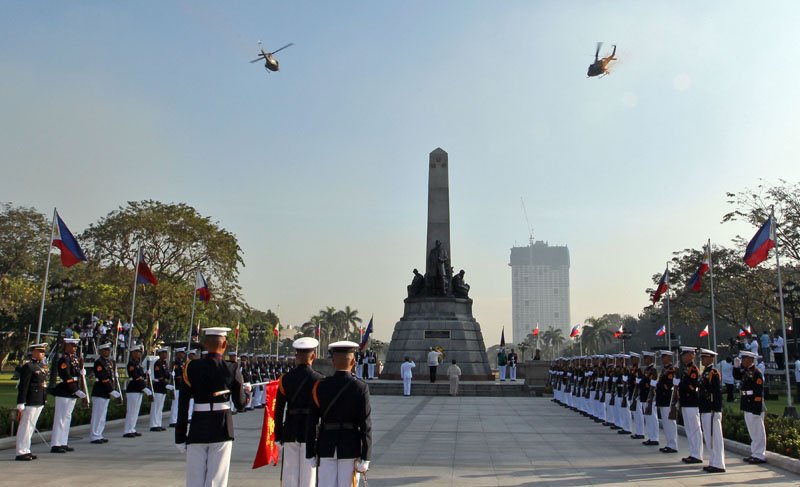
Rizal Park, at Roxas Boulevard’s northern end, is a 58-hectare urban oasis honoring Dr. José Rizal. The park is open daily, 5:00 AM–9:00 PM, and entry is free. Explore the Rizal Monument, themed gardens, and the National Library. The park is wheelchair accessible and hosts nightly fountain shows (Hike to Mountains).
Cultural Center of the Philippines (CCP) Complex
A premier venue for Filipino arts and culture, the CCP Complex (open 9:00 AM–9:00 PM) hosts performances, exhibitions, and festivals. Ticket prices vary by event and are available on the CCP website. The complex is fully wheelchair accessible.
Palacio de Memoria
This restored pre-war mansion blends Spanish Revival and Filipino Art Deco architecture. Open Thursday–Sunday, 11:00 AM–6:00 PM (PHP 150 entrance), it houses antique collections and the Loggia restaurant. The site is wheelchair accessible with assistance.
Baclaran Church
Near Roxas Boulevard’s southern end, Baclaran Church is a major pilgrimage site famed for its Wednesday novena. Open daily, 5:00 AM–9:00 PM, entry is free, and the church is wheelchair accessible (Baclaran Church history and visiting information).
Museo Pambata
This interactive children’s museum features exhibits on Philippine history and culture. Open Tuesday–Sunday, 9:00 AM–5:00 PM; entrance is PHP 200 for adults and PHP 150 for children. It is wheelchair accessible.
Manila Ocean Park
A marine-themed park with an Oceanarium, sea lion shows, and interactive exhibits. Open daily, 10:00 AM–9:00 PM; tickets start at PHP 500. Bundles and online purchase are available. The park is wheelchair accessible.
Manila Baywalk
A popular promenade for sunsets, jogging, and street food, Baywalk is open 24 hours and is wheelchair accessible.
Modern Entertainment, Shopping, and Dining
Star City
This amusement park within the CCP Complex is open Wednesday–Sunday, 12:00 PM–9:00 PM; tickets start at PHP 400. Star City is wheelchair accessible.
SM Mall of Asia
Located near Roxas Boulevard, this mega-mall features shopping, dining, an IMAX theater, skating rink, and the MOA Eye Ferris wheel. Open daily, 10:00 AM–10:00 PM, and fully wheelchair accessible.
City of Dreams Manila
An integrated resort with hotels, casino, and DreamPlay center. Open daily, with venue-specific hours. Entry to the casino requires valid ID; attractions have ticket fees. The resort is wheelchair accessible.
Dining
From the Loggia at Palacio de Memoria to Baywalk street food and upscale dining at SM Mall of Asia, Roxas Boulevard’s culinary scene is diverse. Notable venues include Islas Pinas, Brasserie on 3, and China Blue by Jereme Leung.
Visiting Hours, Tickets, and Accessibility
- Boulevard Access Roxas Boulevard is a public promenade, open 24/7.
- Key Sites Most attractions open between 5:00 AM and 9:00 PM.
- Tickets Outdoor areas like Rizal Park and Baywalk are free; museums and parks may charge fees. Buy tickets in advance online for busy attractions.
- Accessibility Most sites provide ramps and accessible facilities; check specific venues for details.
Getting Around and Transportation
- Public Transport Jeepneys run along and across Roxas Boulevard; LRT Line 1 (Vito Cruz, Gil Puyat, Libertad, Baclaran stations) serves the area. Taxis and ride-hailing apps are widely available (Guide to the Philippines, Audiala).
- Walking/Biking Baywalk is pedestrian-friendly, ideal for sunset strolls.
- Parking Limited near major landmarks; early visits are advisable.
Best Time to Visit
- Season November–April (dry season) offers the best weather.
- Sunset Views Late afternoon to early evening is ideal for Manila Bay’s famous sunsets.
- Special Events December–February features festive lights; Pasinaya Festival and other cultural events often occur on weekends.
Safety, Security, and Practical Tips
- Stay alert in crowded areas, especially for pickpockets.
- Use only registered taxis or ride-hailing apps.
- Dress modestly when visiting churches or government sites.
- Carry some cash for small purchases, but credit cards are widely accepted in hotels and malls (Guide to the Philippines).
Accommodation
Options range from luxury hotels like Sofitel Philippine Plaza and The Heritage Hotel Manila to budget hostels in nearby Pasay and Makati (Trip.com, Audiala).
Festivals and Events
- Pasinaya Festival The country’s largest multi-arts festival, held annually at the CCP (Pasinaya Festival details).
- National Holidays Expect parades, fireworks, and cultural shows along the boulevard during major celebrations.
Frequently Asked Questions (FAQ)
Q: What are Roxas Boulevard’s visiting hours?
A: The boulevard is open 24/7. Attractions such as Rizal Park and CCP generally operate from 5:00 AM to 9:00 PM.
Q: Do I need tickets for Roxas Boulevard attractions?
A: Most outdoor spaces are free; museums and parks may charge entrance fees.
Q: Is the area wheelchair accessible?
A: Yes, most major sites offer wheelchair access.
Q: What is the best way to get to Roxas Boulevard?
A: Via LRT Line 1, jeepneys, taxis, or ride-hailing apps.
Q: When is the best time to visit?
A: The dry season (November–April), especially late afternoon for sunset views.
Internal and External Links
- Explore more about Manila Bay attractions, Pasay City travel guide, and Philippines cultural festivals.
- Cultural Center of the Philippines official site
- Pasinaya Festival details
- SMDC Sands Residences and Panorama Manila
- Baclaran Church history and visiting information
- Rizal Park Wikipedia page
- Guide to the Philippines
- Audiala travel app
- The Partying Traveler
Summary and Recommendations
Roxas Boulevard is a microcosm of Manila’s past and present, blending historical depth, cultural vibrancy, and modern amenities. Its landmarks, festivals, and culinary scene offer something for every traveler. Plan your visit around recommended hours, use accessible transport, and immerse yourself in the local culture and events for a fulfilling experience. For up-to-date information and exclusive recommendations, download the Audiala app and explore Manila’s heart along Roxas Boulevard (Audiala, Vigattin Tourism).