

Historical and Cultural Significance
Dedication to Ninoy Aquino
Named after Senator Benigno “Ninoy” Aquino Jr., the stadium commemorates his pivotal role in the country’s democratic journey. The dedication ceremony in 1989, attended by national leaders and the Aquino family, established the venue as a symbol of resilience and hope (CNN Philippines).
Legacy in Philippine Sports and Events
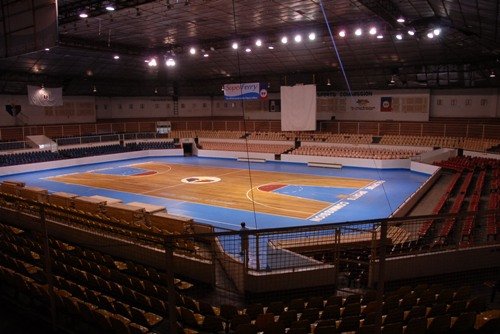
Since its inauguration, the stadium has hosted major events such as the Southeast Asian Games, Philippine Basketball Association (PBA) games, collegiate leagues, and concerts. Its continued use for a diverse array of activities underscores its importance in the nation’s sporting and cultural life (Philippine News Agency, SPIN.ph).
Adaptive Role in National Crises
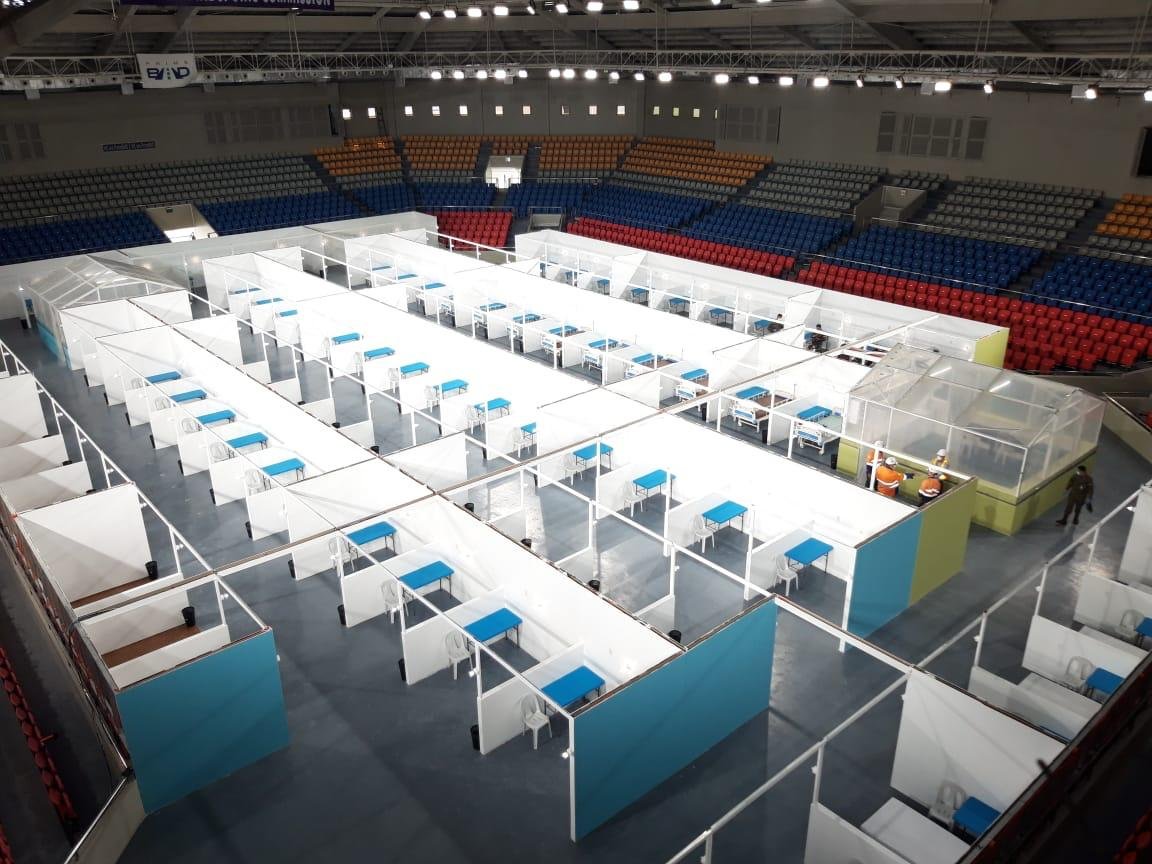
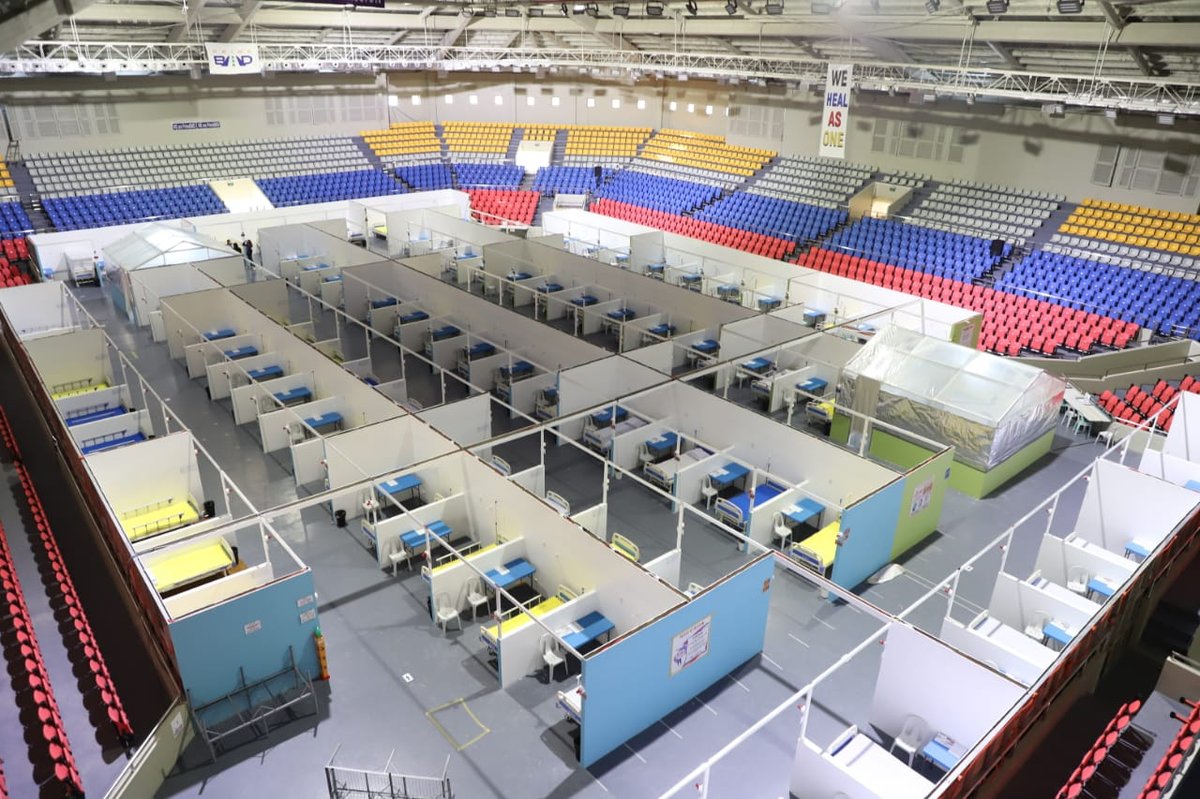
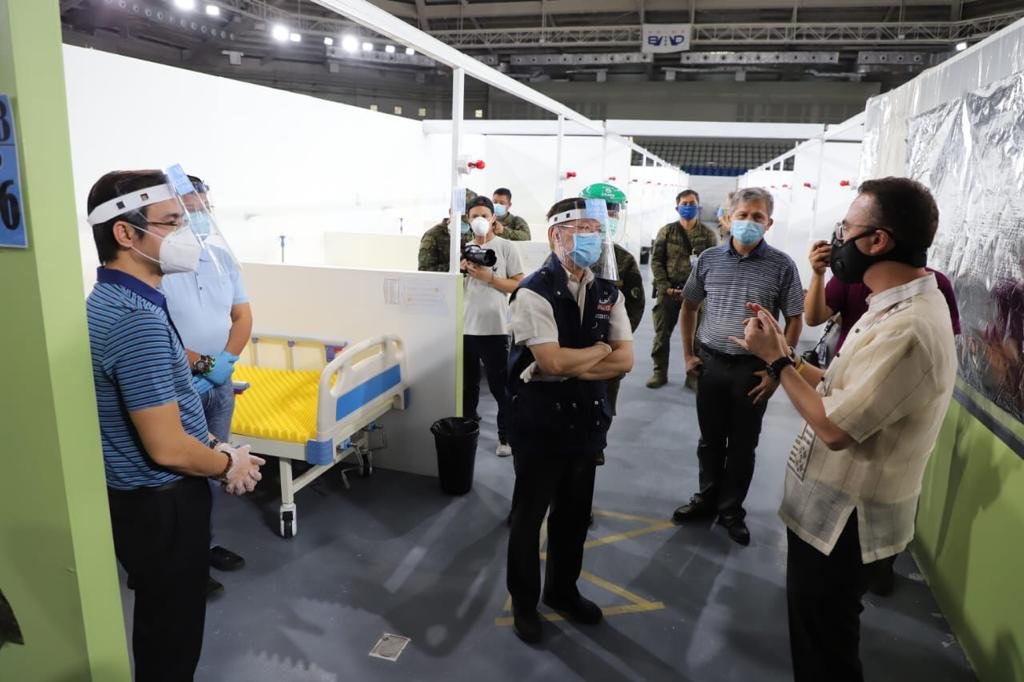
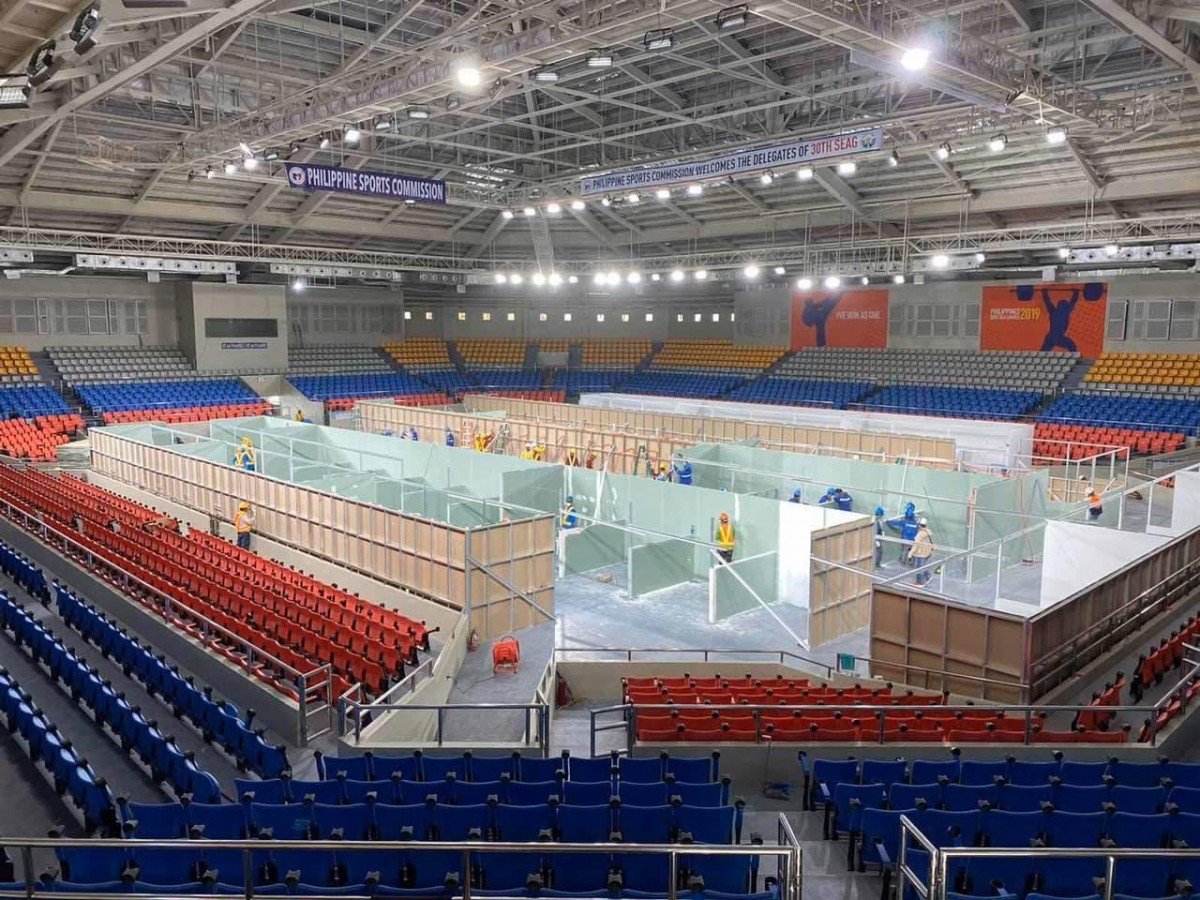
During the COVID-19 pandemic, Ninoy Aquino Stadium was converted into a quarantine facility, highlighting its adaptability and value to the community (Rappler).
Architecture and Modernization
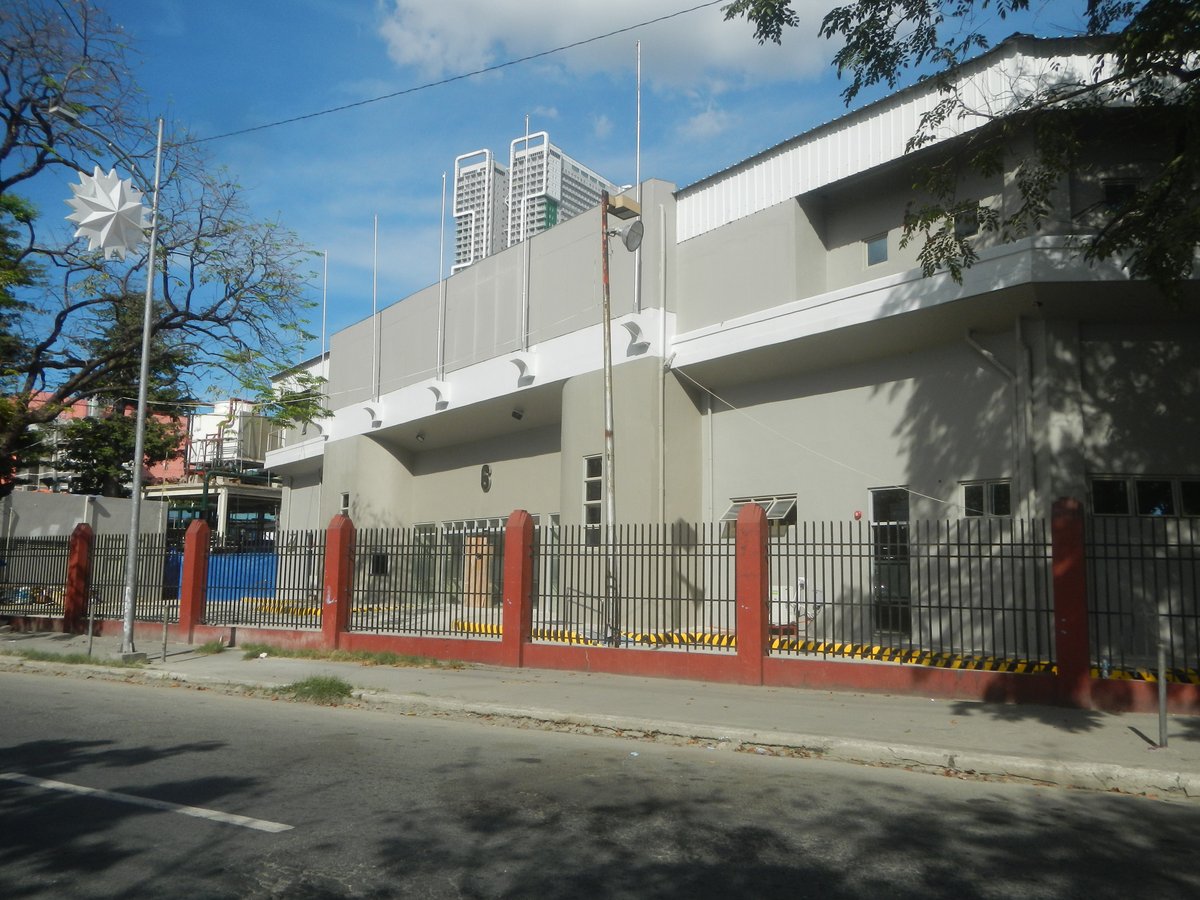
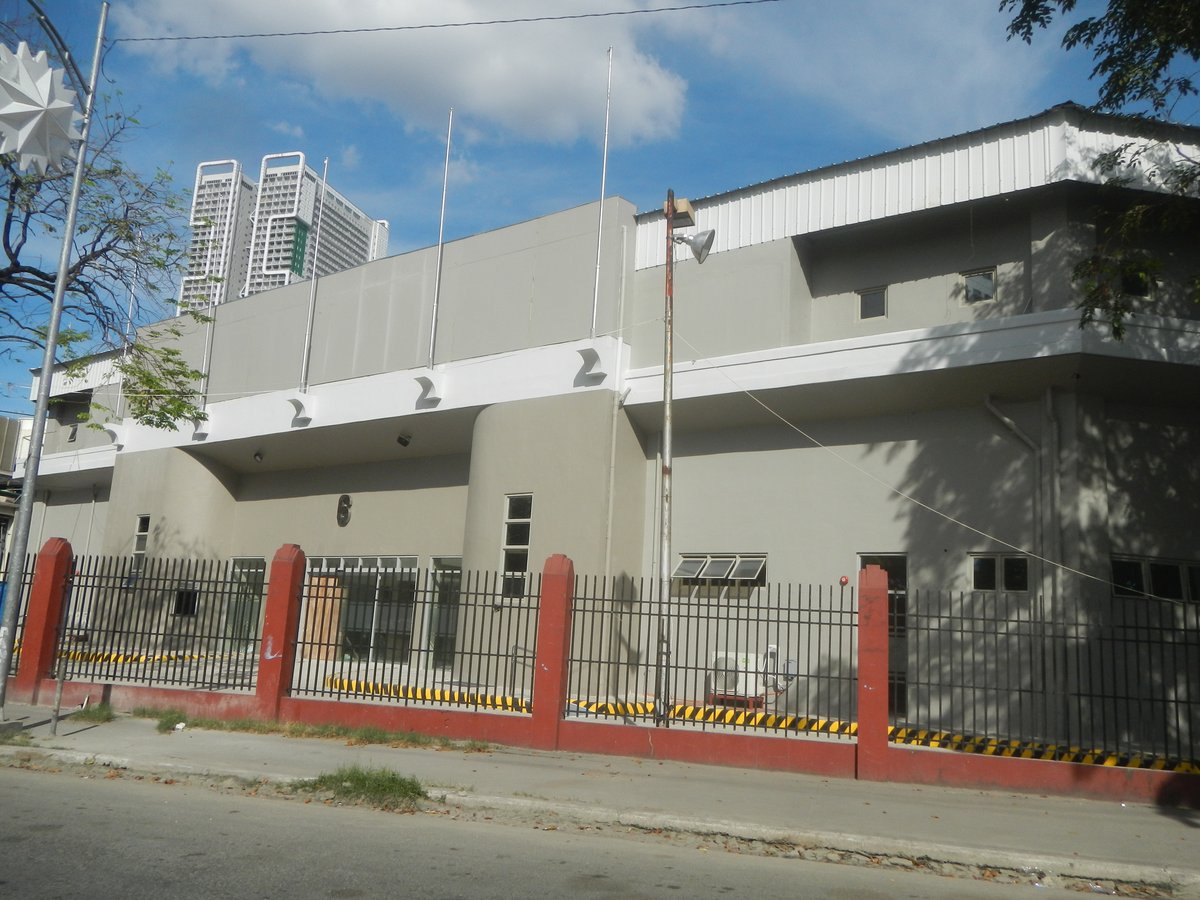
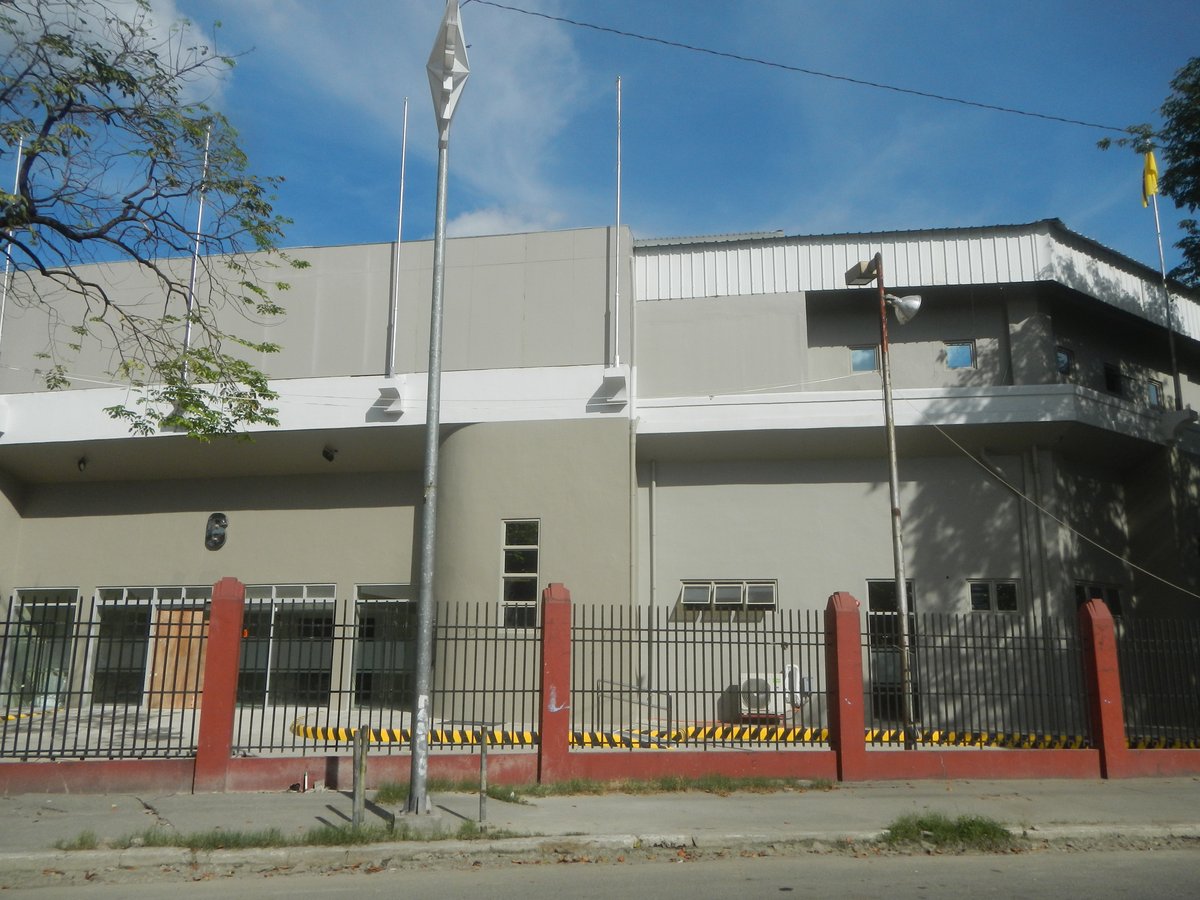
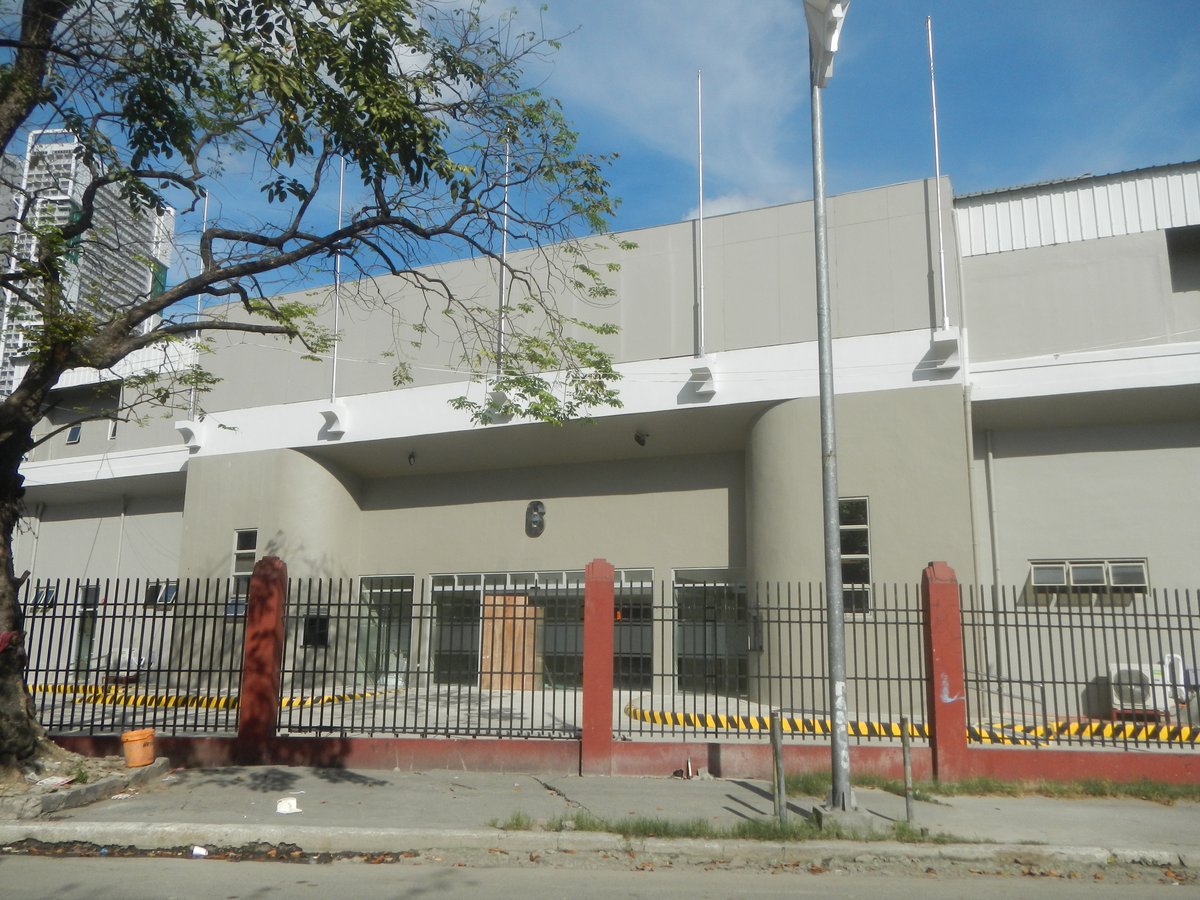
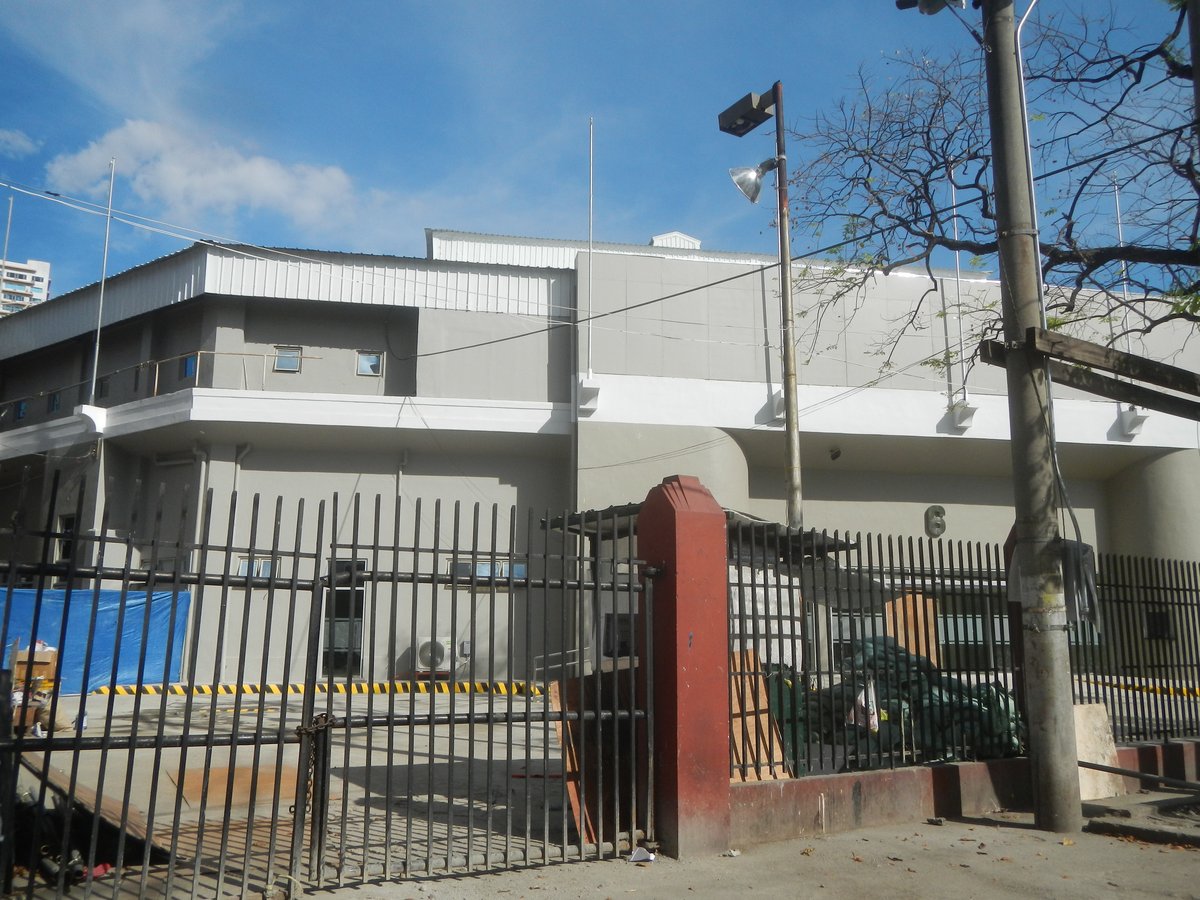
The stadium, originally built in a functionalist style, underwent significant renovations prior to the 2019 Southeast Asian Games. Upgrades included new seating, improved lighting and sound systems, enhanced locker rooms, and improved accessibility features, ensuring comfort and inclusivity for all visitors (ABS-CBN News, BusinessMirror).
Visiting Hours and Ticket Information
Visiting Hours
- General Hours Typically open from 8:00 AM to 10:00 PM on event days.
- Non-Event Days Access may be limited; check ahead for walk-in availability.
- Box Office Usually operates from 9:00 AM to 6:00 PM, Monday through Saturday. Hours may extend on event days (TicketMax).
Tip: Always verify visiting hours on official event pages or through the stadium’s social media before your visit.
Ticket Information
- Where to Buy Tickets are available online via TicketMax and TicketNet, or at the stadium box office.
- Pricing Varies by event, typically ranging from PHP 200 to PHP 2,500. Major events may sell out quickly, so advance purchase is advised.
- Event Schedules Check official league or event organizer websites (PBA, UAAP, NCAA) for up-to-date schedules.
Location and Accessibility
- Address Pablo Ocampo Sr. Avenue (formerly Vito Cruz), Malate, Manila, within the Rizal Memorial Sports Complex.
- Public Transport
- LRT-1 Vito Cruz station is a 10-minute walk away.
- Jeepneys/Buses Multiple routes serve Pablo Ocampo Sr. Avenue and Taft Avenue.
- Taxis/Ride-Hailing Widely available throughout Metro Manila.
- Parking Limited slots within the complex; early arrival is recommended, especially on event days (Mapcarta).
Facilities and Amenities
- Seating Tiered arrangement for optimal viewing; lower box and patron sections offer premium views (TicketMax).
- Accessibility Ramps and designated seating for persons with disabilities; elevators and accessible restrooms.
- Food and Beverages Concession stands inside; a range of dining options in the Malate district (Trip.com).
- Restrooms Upgraded facilities throughout the venue.
- Wi-Fi Not guaranteed; consider a local SIM or mobile data plan.
Event Highlights and Visitor Experience
- Sports Hosts basketball (PBA, UAAP, NCAA), volleyball, badminton, martial arts, and more (Wikipedia).
- Concerts and Festivals Venue for large music events and cultural shows (Starmometer).
- Community Events Advocacy campaigns, graduation ceremonies, and special gatherings.
While guided tours are not routinely offered, visitors can capture memorable photos of the stadium’s facade, main court, and commemorative plaques. The vibrant event atmosphere and friendly local crowd add to the experience.
Nearby Manila Historical Sites
Ninoy Aquino Stadium is centrally located near many of Manila’s top historical and cultural attractions:
- Rizal Park Iconic national park dedicated to Dr. Jose Rizal.
- Intramuros The historic walled city, a must-visit for heritage tours.
- National Museum Complex Features the National Museum of Fine Arts, Anthropology, and Natural History.
- Manila Baywalk Scenic waterfront area.
- Cultural Center of the Philippines Hub for performing arts.
- Metropolitan Museum of Manila, Plaza Rajah Sulayman, and Manila Zoo All within a short distance (Tourist Secrets).
Practical Tips and Frequently Asked Questions
Tips for Visitors
- Arrive Early Especially for major events, to secure parking and good seats.
- Dress Comfortably Light clothing with a jacket (venue is air-conditioned).
- Travel Light Only bring essentials; security checks are strict.
- Stay Hydrated Buy drinks inside; outside food and drink may not be allowed.
- Public Transport Recommended during big events due to limited parking.
- Safety Bag checks at entrance; emergency exits are well-marked.
Frequently Asked Questions
Q: What are the usual visiting hours?
A: 8:00 AM to 10:00 PM on event days; check ahead for non-event access.
Q: How do I buy tickets?
A: Online via authorized platforms or at the box office; advance purchase is best for popular events.
Q: Is the stadium accessible for persons with disabilities?
A: Yes, there are ramps, elevators, and designated seating.
Q: Are guided tours available?
A: Not routinely, but visitors can explore key areas during events.
Q: What nearby historical sites should I visit?
A: Rizal Park, Intramuros, National Museum Complex, and Manila Baywalk.
Q: Is there parking?
A: Yes, but spots are limited. Public transport is recommended during peak times.