
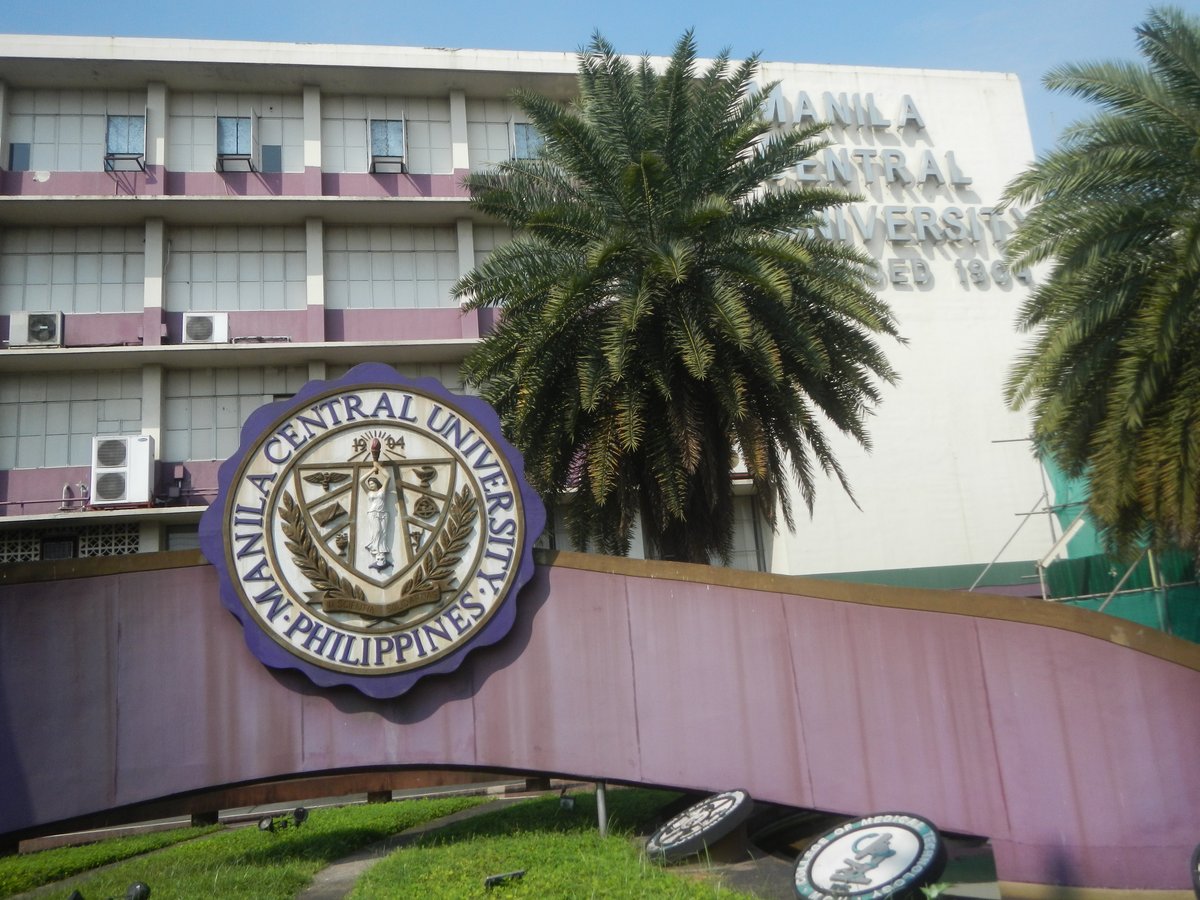
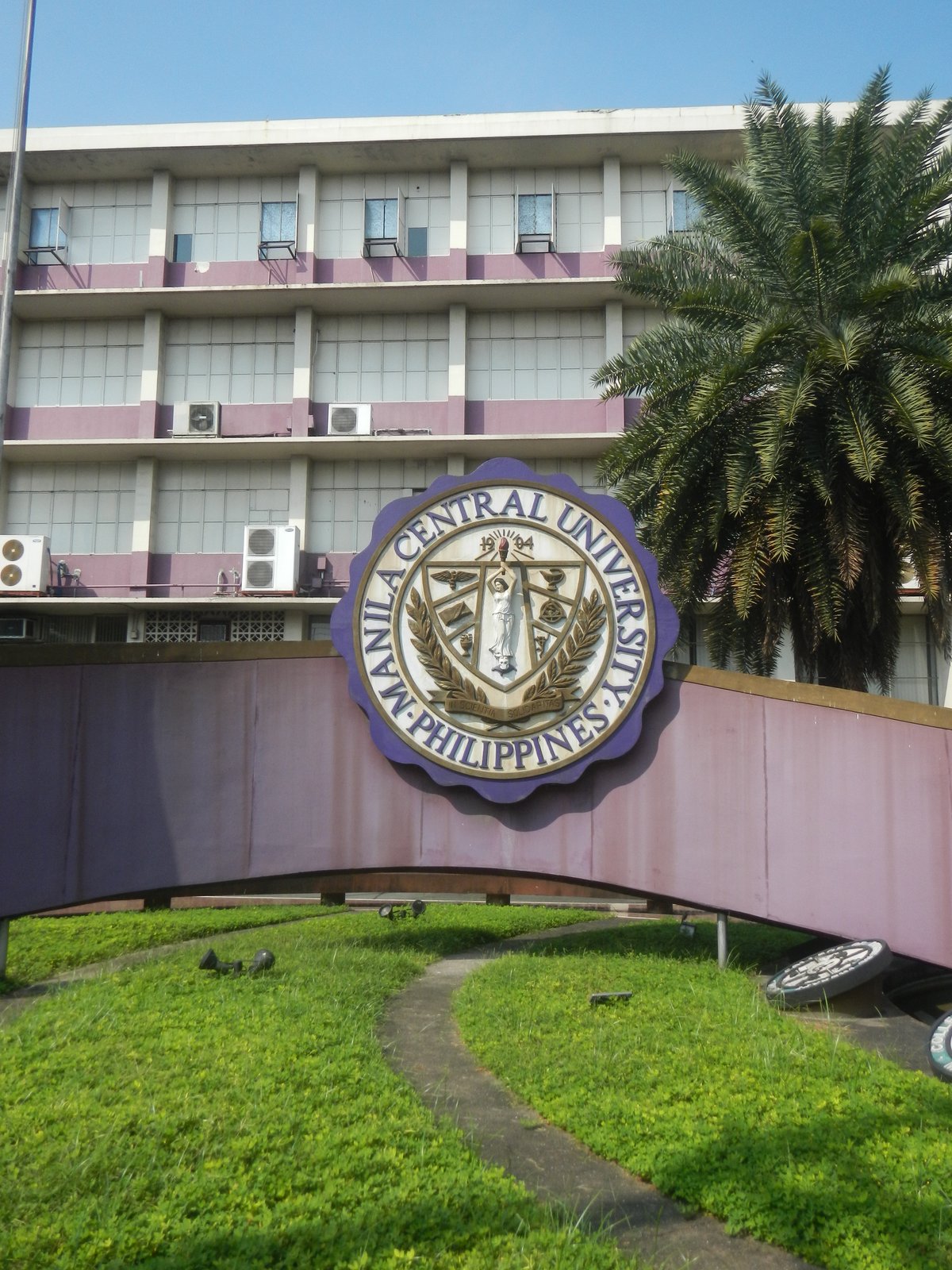
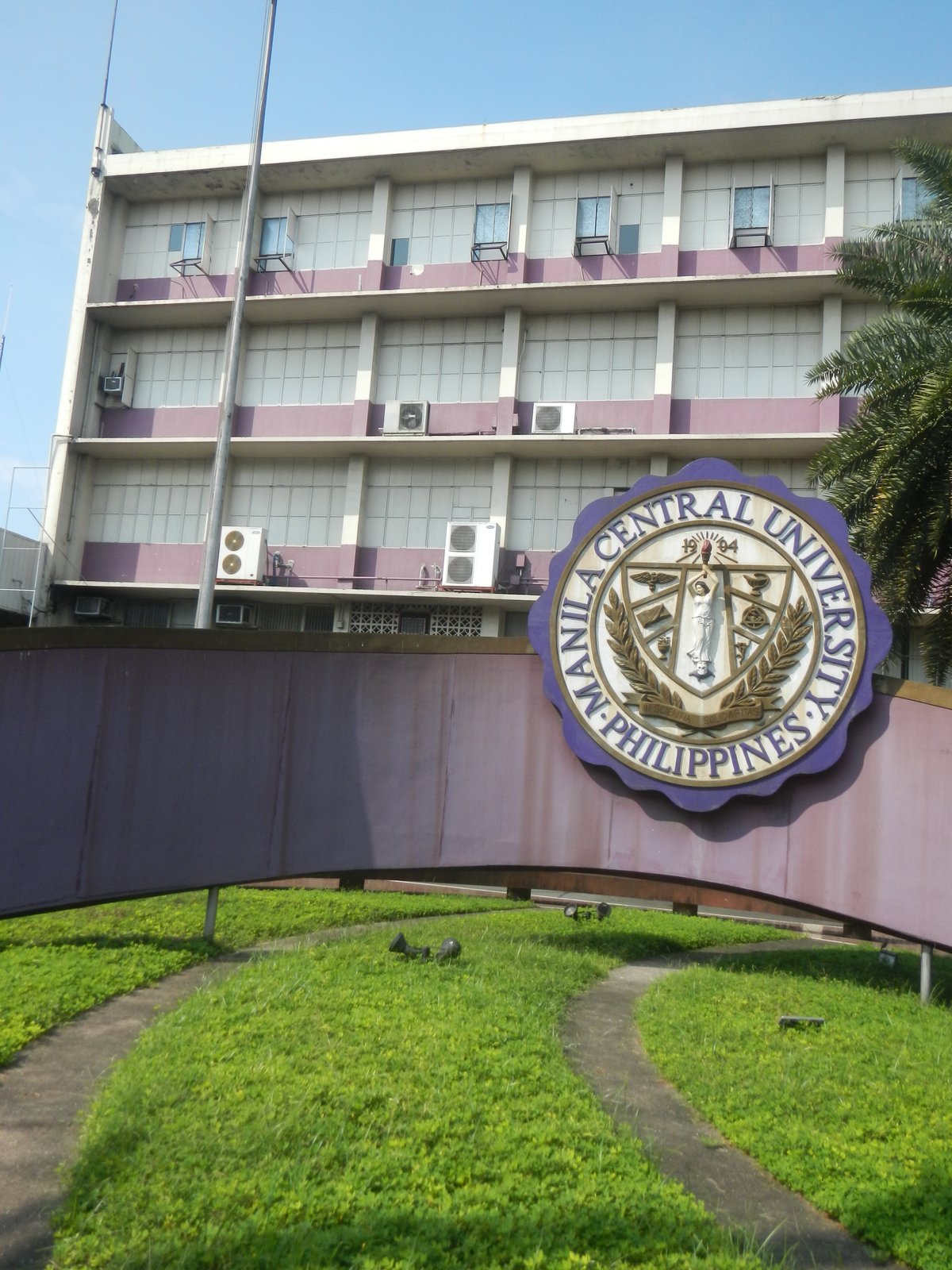
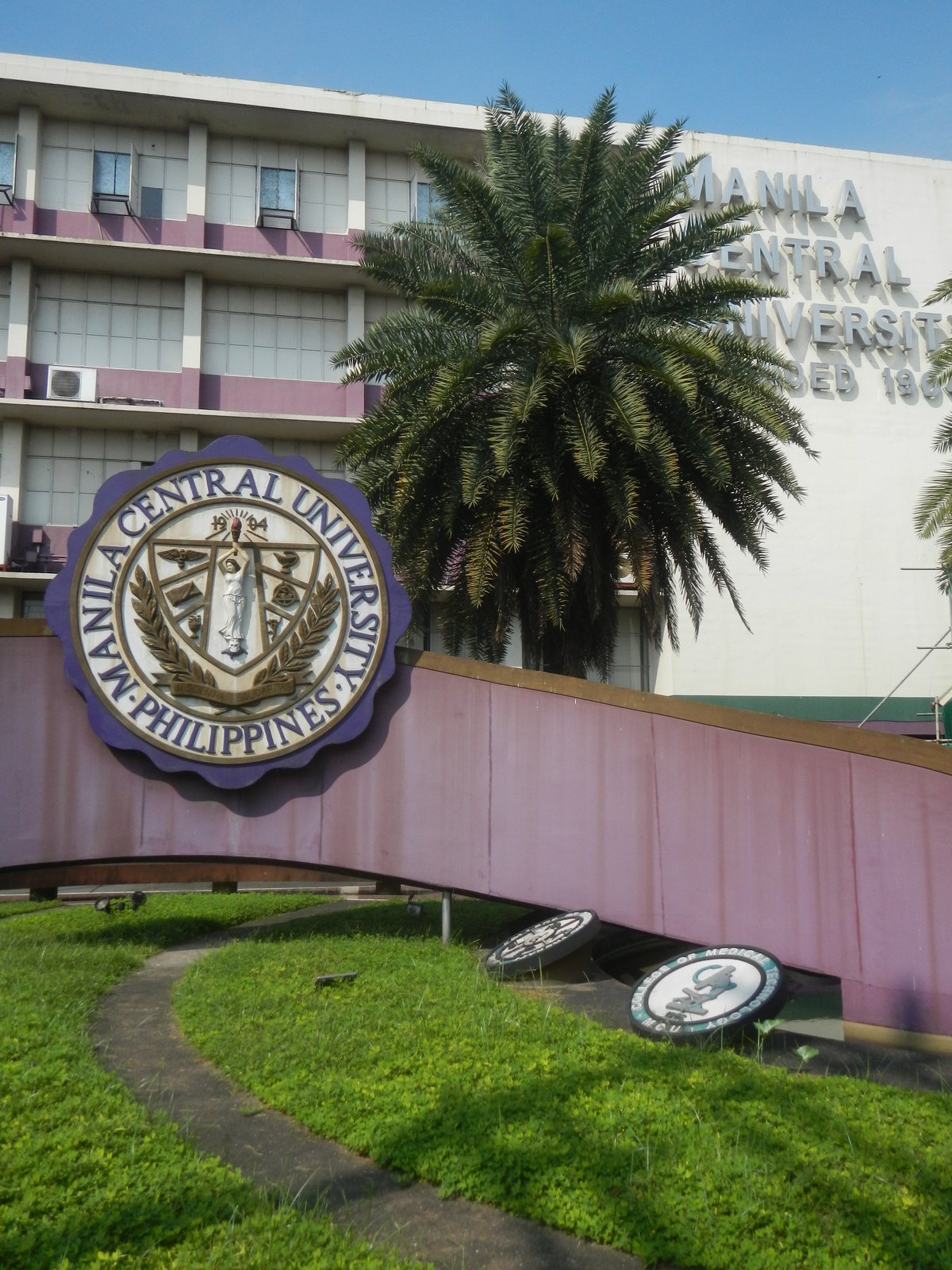
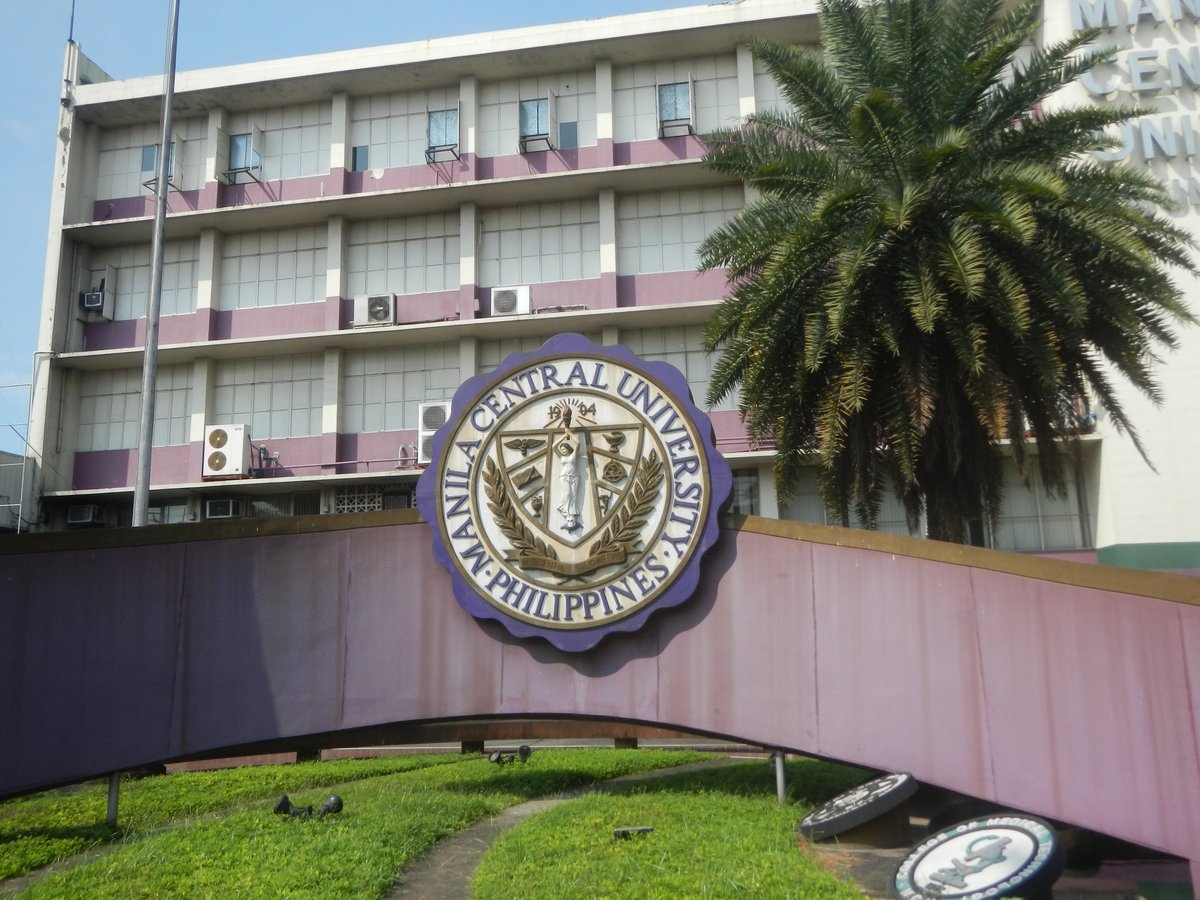
Founding and Early Years (1904–1920)
Founded by Dr. Alejandro M. Albert in 1904, MCU began as the first Filipino-managed pharmacy school. This was a significant achievement during the American colonial era, emphasizing the rise of Filipino autonomy in education. MCU’s pioneering spirit continued in 1920 with the launch of the country’s first four-year Bachelor of Science in Nursing program, setting a national precedent (alluniversity.info).
Expansion and Academic Diversification (1920s–1940s)
In the decades that followed, MCU expanded its curriculum to include education, commerce, and law. It became the first co-educational institution in Caloocan, opening its doors to both male and female students at a time when gender-segregated education was the norm (vigattintourism.com). Despite suffering heavy damage in World War II, MCU’s resilient community rebuilt and restored academic activities soon after (alluniversity.info).
Post-War Recovery and Growth (1945–1960s)
The post-war era marked a period of rapid recovery and campus expansion. MCU joined the University Athletic Association of the Philippines (UAAP) in 1952, symbolizing its commitment to holistic student development. Alumni from this period have contributed substantially to healthcare, business, and education throughout the country (alluniversity.info).
Modernization and Community Engagement (1970s–Present)
MCU has continuously modernized its academic offerings, adding programs in engineering, business, and liberal arts. It has achieved national and international accreditations and forged partnerships that further enhance its curriculum. The university is also recognized for its active community involvement, organizing health missions, educational seminars, and social outreach programs (alluniversity.info).
Notable Milestones
- 1904 First Filipino-managed pharmacy school
- 1920 First four-year Bachelor of Science in Nursing program in the Philippines
- 1920s First co-educational institution in Caloocan (vigattintourism.com)
- 1952 UAAP membership
- Post-war Rapid reconstruction and expansion
- Recent decades National and international accreditations
Visiting Manila Central University
Visiting Hours
MCU is generally open to visitors from Monday to Saturday, 8:00 AM to 5:00 PM. Always check the MCU website or contact their administration for updates, especially during holidays or special events.
Admission and Tickets
There is no entrance fee for visiting the MCU campus. Visitors must register at the main entrance or visitor center. Access to certain facilities, like the hospital or specialized laboratories, may require prior permission or appointments.
Guided Tours
Guided tours are available upon request, especially for groups such as prospective students, researchers, and academic institutions. Arrange tours in advance by contacting MCU’s public relations or admissions office.
Accessibility
MCU’s campus is wheelchair accessible. Ramps, elevators, and designated parking spaces for persons with disabilities are provided in main buildings and near campus entrances.
Getting There
MCU is located along EDSA in Monumento, Caloocan City, and is accessible by:
- LRT-1 Monumento Station A few minutes' walk from the campus
- Jeepneys and buses Routes pass by EDSA and the surrounding area
- Private vehicles On-site parking is available, though may be limited during peak times
Nearby Attractions
- Bonifacio Monument (Monumento Circle) Historic landmark commemorating Andrés Bonifacio
- Caloocan Cathedral (San Roque) The city's oldest Catholic church
- Thai To Taoist Temple Pagoda A symbol of Caloocan’s multicultural heritage
- Museo ng Katipunan For a deeper dive into revolutionary history
Visual Highlights
Insert high-quality images of:
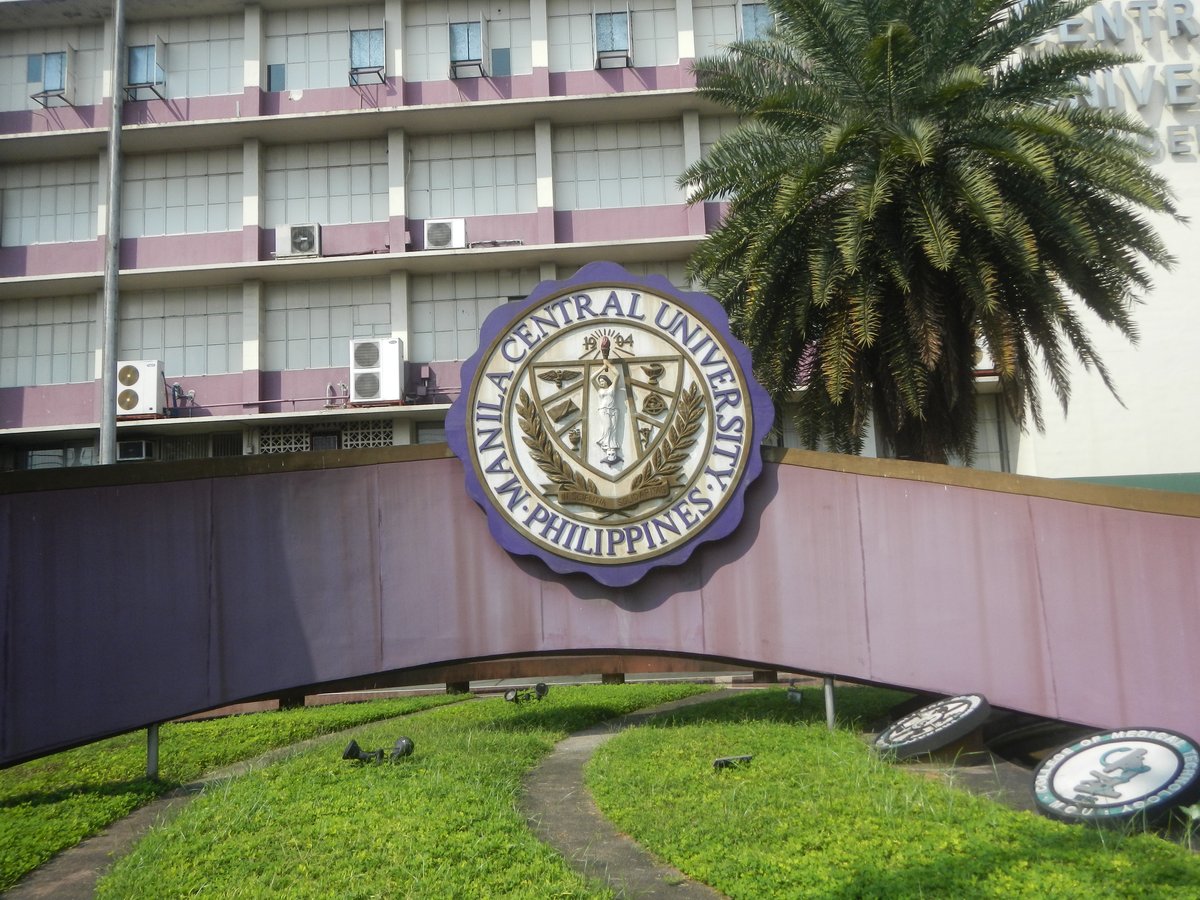
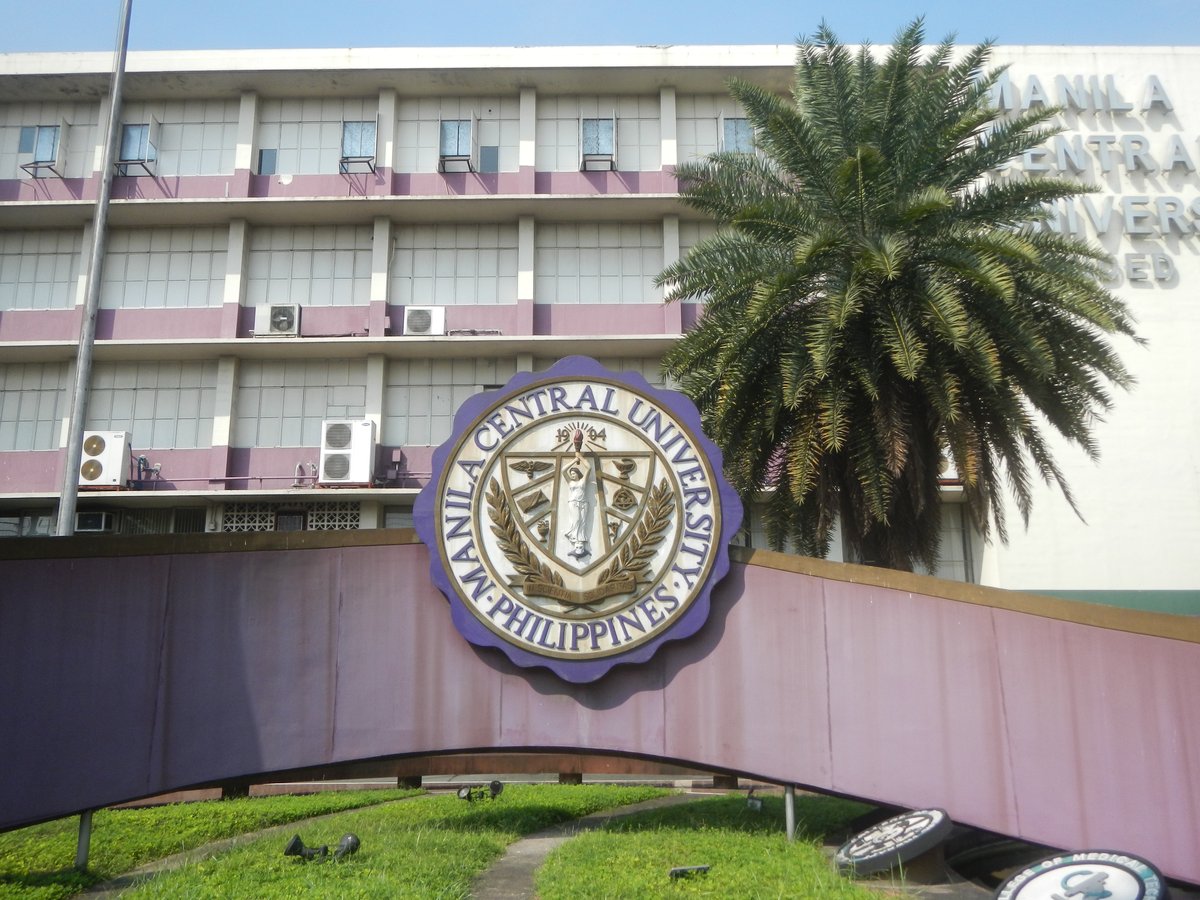
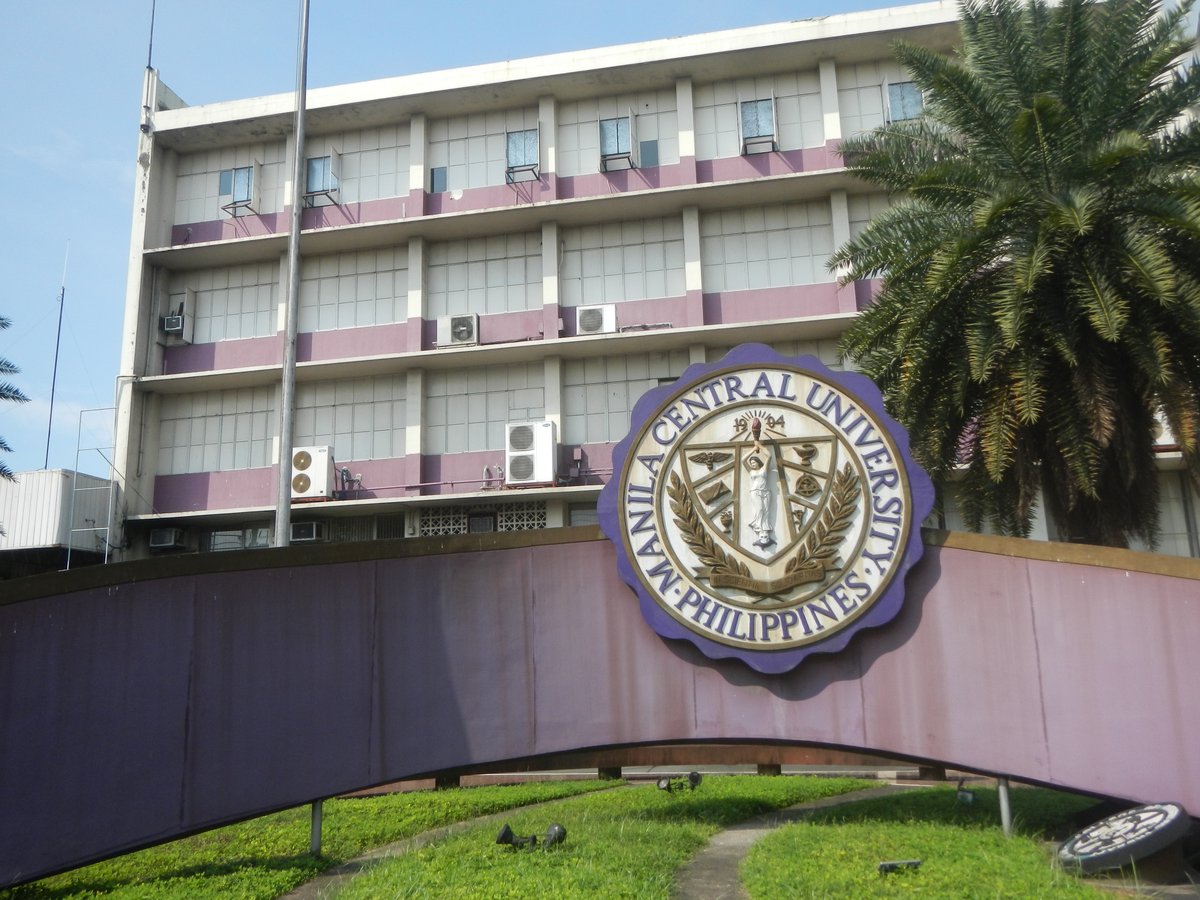
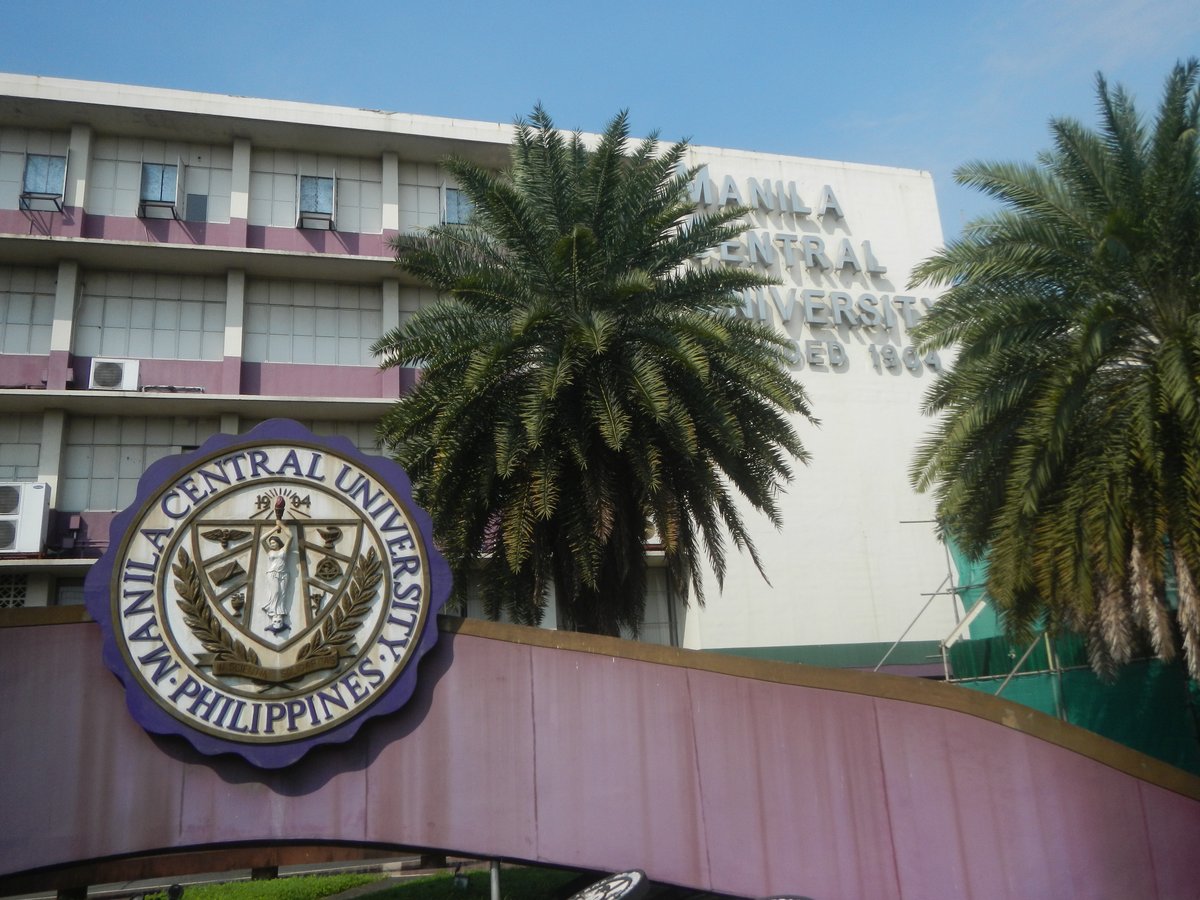
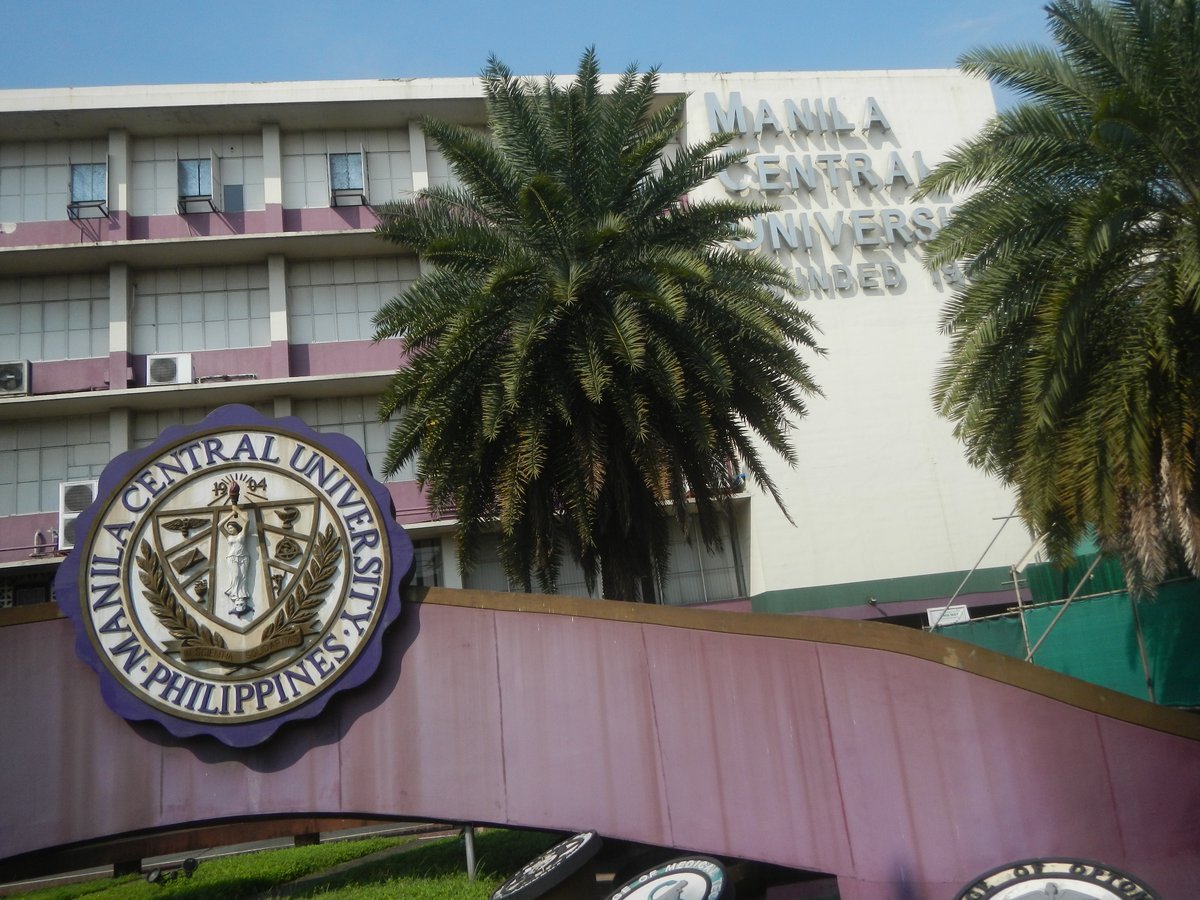
- MCU’s historic main building (alt: “Manila Central University historic main building”)
- MCU Hospital
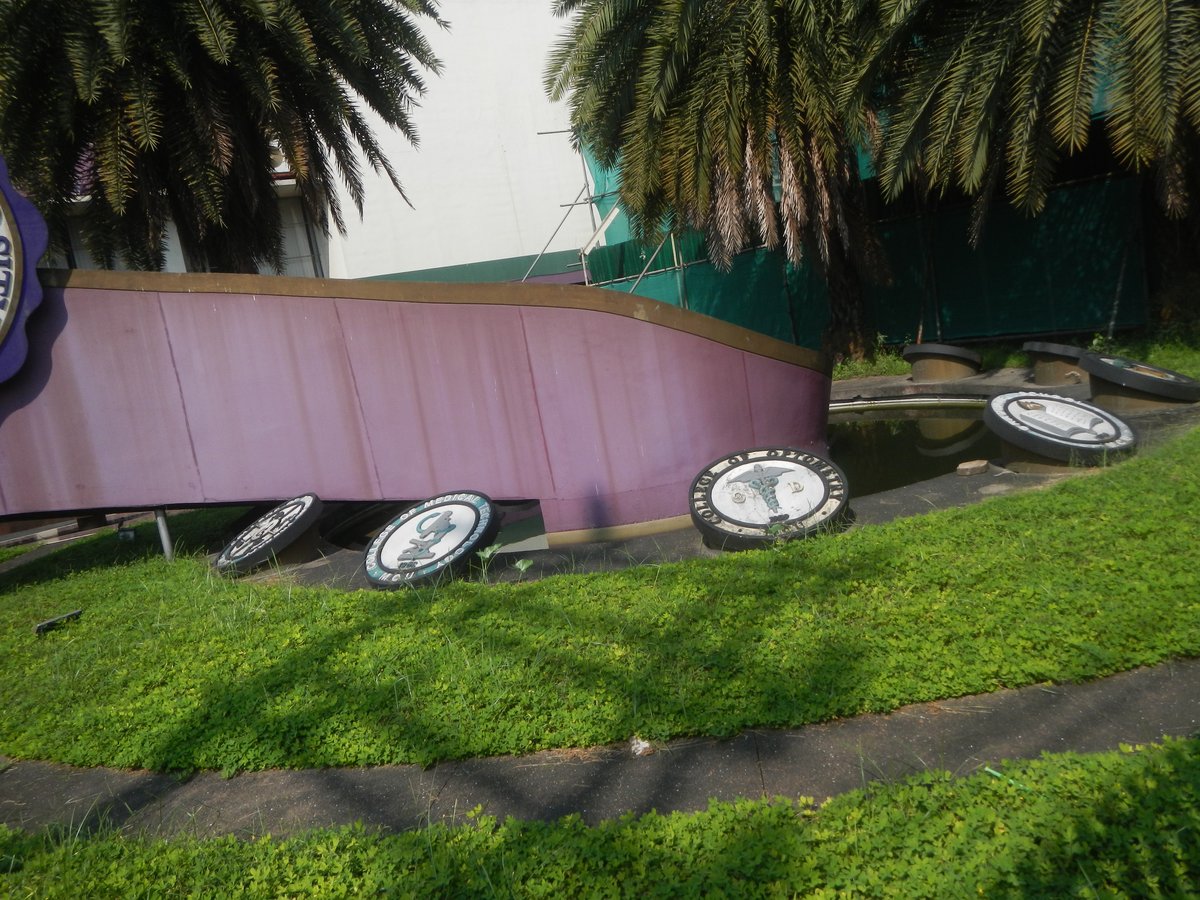
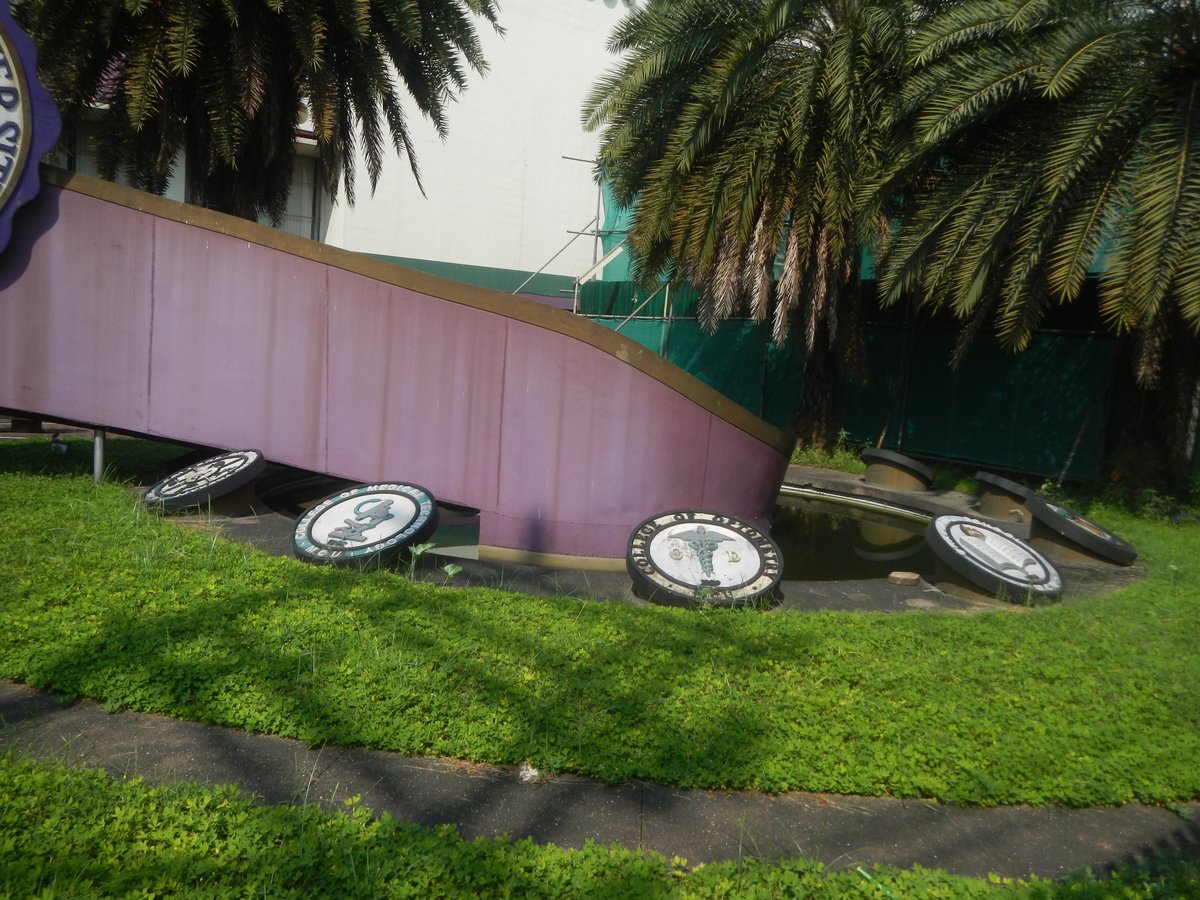
- The iconic university entrance gate
- Bonifacio Monument near MCU campus
Frequently Asked Questions (FAQs)
Q: What are the MCU visiting hours?
A: Monday to Saturday, 8:00 AM to 5:00 PM.
Q: Is there an entrance fee to visit MCU?
A: No, but visitors should register at the entrance.
Q: Are guided tours available?
A: Yes, upon prior arrangement with the university.
Q: How do I get to MCU using public transport?
A: MCU is accessible via EDSA, near LRT-1 Monumento Station, with jeepneys and buses servicing the area.
Q: Is MCU accessible for visitors with disabilities?
A: Yes, the campus is wheelchair accessible.
The Bonifacio Monument at Monumento Circle is one of the Philippines’ most important historical landmarks. Designed by National Artist Guillermo Tolentino and unveiled in 1933, it honors Andrés Bonifacio and the Katipunan movement, symbolizing the nation’s struggle for independence (Tourism Philippines).
Visiting Hours and Admission
- Open to the public 24 hours a day
- No entrance fee
- For guided tours or special exhibitions, contact the Caloocan City Tourism Office
Getting There
- LRT-1 Monumento Station Closest rail access
- Buses/Jeepneys Serve Monumento Circle
- By Car Limited parking available around the circle
Facilities and Amenities
- Public restrooms nearby
- Dining options and street food vendors
- Accessible walkways and ramps for persons with disabilities
Visitor Etiquette
- Dress modestly, especially on national holidays or during ceremonies
- Respect campus and monument rules regarding photography, especially in sensitive areas
Safety
Both the Monumento area and MCU campus are generally safe, with 24/7 security and CCTV monitoring.
Practical Visitor Tips
- Combine Visits MCU and Monumento Circle are within walking distance; maximize your historical and cultural experience by exploring both.
- Interactive Resources Virtual tours, interactive maps, and photo galleries are available on the MCU website and Caloocan City Official website.
- Dining On-campus dining at MCU offers affordable Filipino meals; nearby A. Bonifacio Avenue has a variety of restaurants, including the historic Boy Ching Woo Restaurant.