Visitor Information
Visiting Hours
La Loma Cemetery is open daily from 6:00 AM to 6:00 PM. Early morning visits are recommended for a more tranquil experience and to avoid the midday heat.
Tickets and Admission
General admission to La Loma Cemetery is free. Certain guided tours or special events may require reservations or tickets. For organized tours, contact local heritage groups or the cemetery administration.
Accessibility and Travel Tips
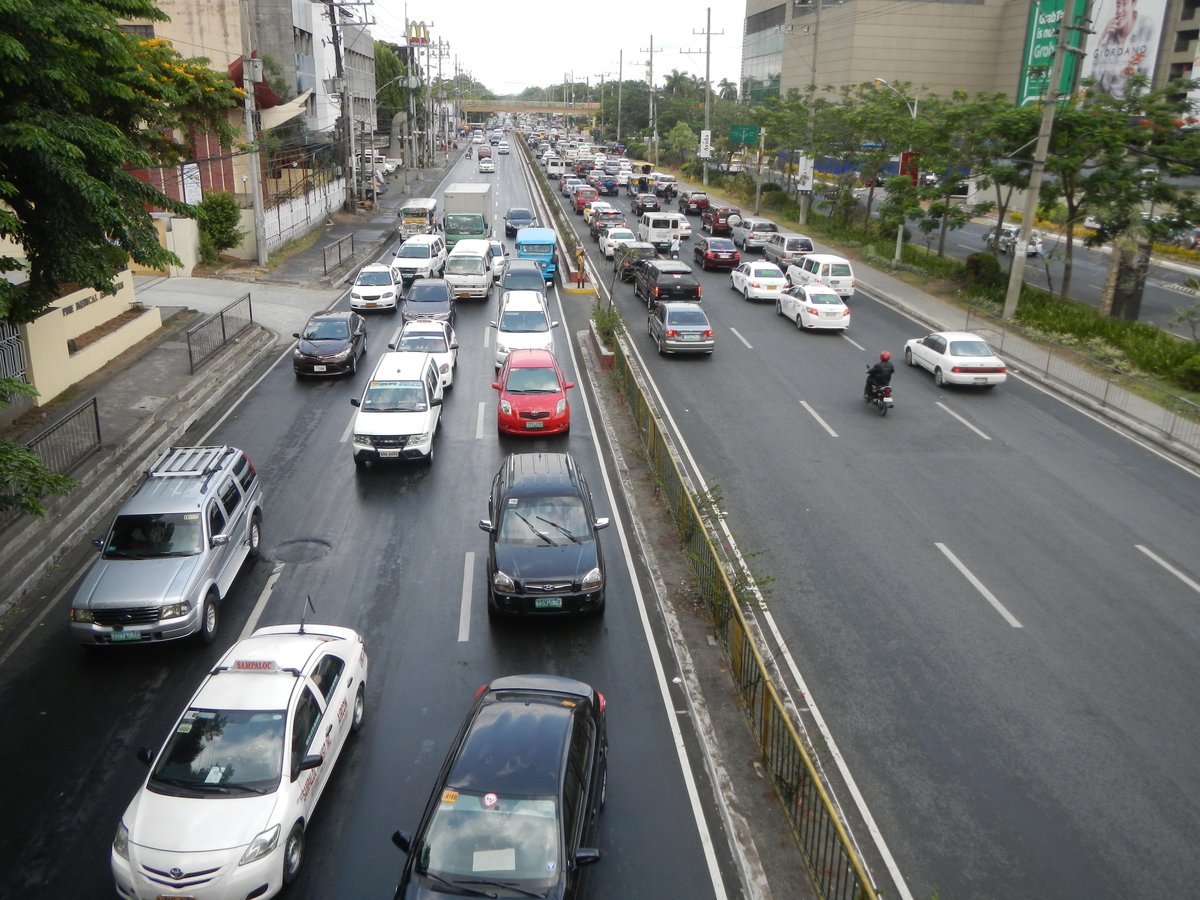
- Getting There Easily accessible via public transportation (jeepneys, buses) passing through Caloocan and Manila. Ride-hailing apps and taxis are also convenient.
- Mobility The main avenues are paved, but older sections may have uneven terrain. Comfortable walking shoes are advisable.
- Safety Remain vigilant of your belongings. Avoid visiting after dark.
Guided Tours and Special Events
Cultural and historical tours are occasionally offered, especially during All Saints’ Day and All Souls’ Day. These provide insights into the cemetery’s architecture, notable burials, and commemorative traditions.
Photographic Highlights
- Capilla de San Pancracio The iconic Spanish colonial chapel.
- Historic Mausoleums Tombs reflecting Manila’s evolving architecture.
- Dambana ng Paghilom Shrine A powerful memorial to victims of the Philippine drug war.
Nearby Attractions
Other sites of interest include the Caloocan Cathedral, Manila North Cemetery, and the historic district of Binondo.
Historical Background
Origins and Establishment
La Loma Cemetery emerged as a response to overcrowding at Manila’s Paco Cemetery. Approved in 1864 and opened in 1884, it was initially reserved for Manila’s Catholic populace (National Museum of the Philippines).
Role During the Spanish Colonial Era
As a Catholic cemetery, La Loma reflected both religious and social hierarchies, with burial rights denied to suspected rebels and non-conformists (Bigwas).
Architectural and Artistic Heritage
Spanning 54 hectares, the grounds feature tree-lined avenues, ornate mausoleums, and communal plots in the Spanish colonial tradition. The Capilla de San Pancracio stands as a rare example of 19th-century ecclesiastical architecture, recently restored to its original yellow ochre finish (Rappler).
Endurance Through Wars
La Loma survived the devastation of the 1945 Battle of Manila and earlier conflicts, including the Philippine-American War, where the chapel served as a fortification for Filipino fighters (Bigwas).
Cultural Recognition
In 2017, the Capilla de San Pancracio was declared a National Cultural Treasure. Restoration works, completed in 2022, emphasize the importance of material authenticity and community engagement (National Museum of the Philippines).
Notable Burials
La Loma is the final resting place of important national figures, including:
- Cayetano Arellano (first Chief Justice)
- Felipe and Marcela Agoncillo (diplomat and flag seamstress)
- Victorino Mapa (second Chief Justice)
- Maria Lorena Barros (feminist activist)
(Spot.ph, DMCI Communities)
Contemporary Relevance
Today, La Loma continues to serve as an active cemetery and cultural site, bridging the city’s colonial, wartime, and modern histories.
Preservation and Community Engagement
Restoration of the Capilla de San Pancracio has set new standards for heritage conservation in the Philippines, emphasizing transparency, authenticity, and public education (Rappler). Community involvement is integral to ongoing preservation efforts.
Cultural Practices and Visitor Etiquette
- Dress Modestly Avoid revealing attire.
- Maintain Silence Especially near prayers and rituals.
- Respect Memorials Do not sit or lean on tombstones unless part of a tradition.
- No Littering Use designated bins.
- Photography Allowed in most areas; always ask before photographing people or ceremonies (Spot.ph).
During Undas (All Saints’ and All Souls’ Days), expect large crowds, heightened security, and festive yet solemn observances.
Facilities and Services
- Administration Office Near the main entrance along C-3 Highway, provides visitor assistance and grave location services (Diocese of Kalookan).
- Columbarium/Ossuary Options for cremation and affordable interment are available.
- Restrooms and Water Stations Located near the entrance and at key points within the cemetery.
- Security Personnel are on-site, especially during busy periods.
Frequently Asked Questions (FAQ)
Q: What are the cemetery’s visiting hours?
A: 6:00 AM to 6:00 PM daily.
Q: Is there an entrance fee?
A: No, general admission is free.
Q: Are guided tours available?
A: Yes, through local heritage groups and on special occasions.
Q: Is the cemetery accessible for persons with disabilities?
A: The main avenues are paved, but older sections may be uneven; contact administration for assistance.
Q: Can I take photographs?
A: Yes, but be respectful and seek permission when necessary.
Q: Is parking available?
A: Limited, especially during Undas. Public transportation is recommended.