

Origins of Katipunan Station: Name and Historical Context
Katipunan Station is named after the "Kataastaasan, Kagalanggalangang Katipunan ng mga Anak ng Bayan" (KKK), the secret revolutionary society led by Andres Bonifacio that sparked the Philippine Revolution against Spanish rule. The station’s name honors this group’s legacy of courage and the enduring Filipino pursuit of independence (FilipiKnow; Village Pipol). The spirit of the Katipunan is celebrated through local monuments, educational activities, and the area’s ongoing role in shaping national consciousness.
Katipunan Avenue: A Corridor of Heritage
Running parallel to the station, Katipunan Avenue has evolved from a post-war suburb to a lively thoroughfare linking major educational institutions, public art, and historic markers. It serves as a living timeline of Quezon City’s urban and cultural development (Facts.net; Lakansining; Quezon City Government).
The Katipunan Heritage Trail
The Katipunan Heritage Trail is a curated path connecting monuments and sites associated with the Katipunan movement and its heroes, such as Andres Bonifacio and Melchora “Tandang Sora” Aquino. Beginning at or near Katipunan Station, the trail offers visitors a meaningful journey through the roots of Philippine independence (Quezon City Government; Esquire).
Architectural and Urban Significance
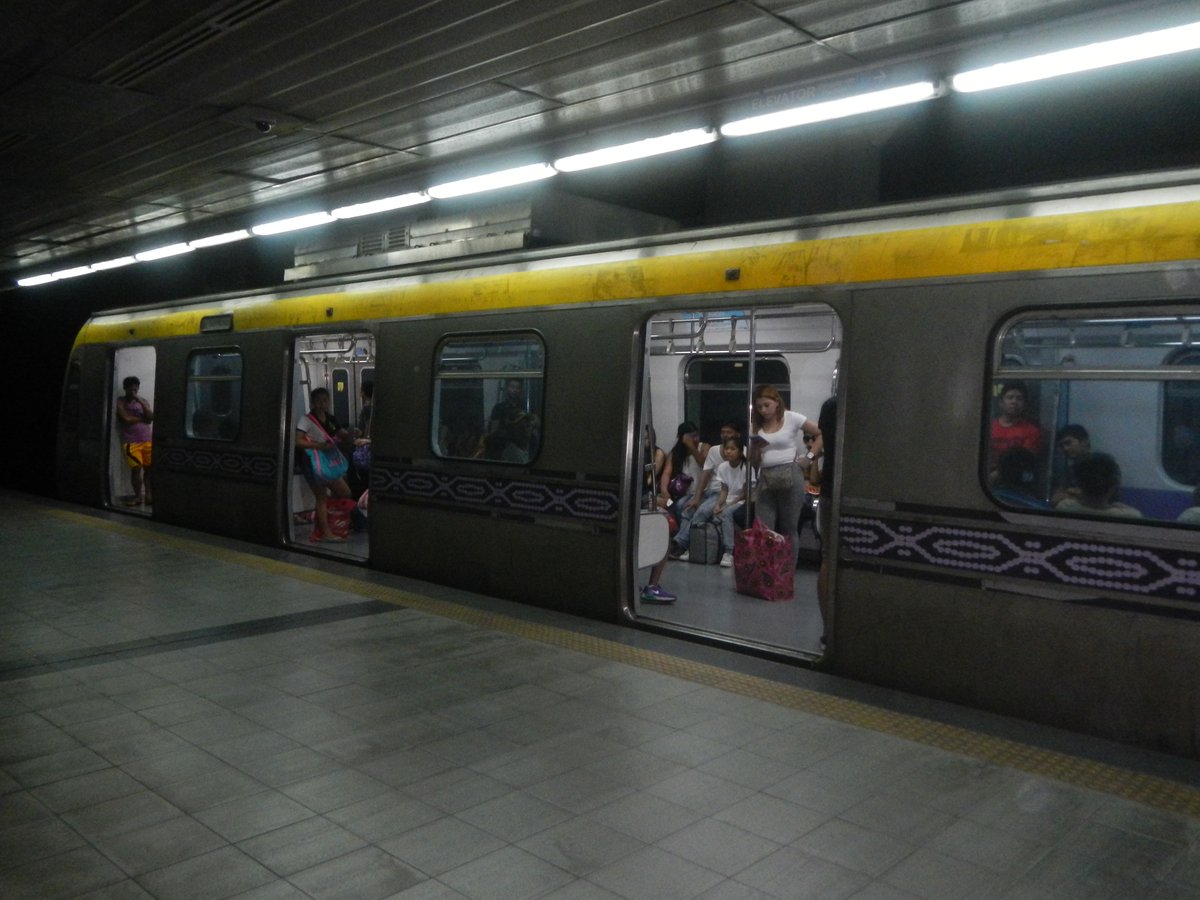
Katipunan Station is unique as the only fully underground station on the LRT-2 line, providing commuters with protection from the elements and integrating seamlessly with the academic and residential landscape. Its design supports the area’s character while ensuring efficient transit access (TechPilipinas; GoldPricePH).
Katipunan Station Visiting Hours and Ticketing Information
- Operating Hours 5:00 AM – 11:00 PM daily (confirm via LRT-2 official website for updates).
- Ticketing Purchase single-journey tickets or reloadable Beep Cards at station counters or vending machines. Fares typically range from ₱15 to ₱30, depending on distance.
- Beep Card Recommended for frequent travelers—usable across all LRT, MRT, and select bus lines (Onlooq).
Accessibility Features
Katipunan Station strives to be accessible, with ramps, elevators (at one entrance), tactile paving for the visually impaired, and PWD restrooms (which may require staff assistance for access). However, infrastructure limitations remain: only one elevator-equipped entrance and some pathway obstructions (Rappler).
Travel Tips for Visitors
- Best Time to Visit Avoid peak hours (7:00–9:00 AM and 5:00–8:00 PM) for a smoother commute and less crowded station experience.
- Navigation Signage is bilingual and staff are generally helpful. Plan routes in advance, especially for persons with mobility needs.
- Ticketing Use a Beep Card to minimize queuing and speed up entry/exit.
Guided Tours and Special Events
Local tourism offices, universities, and heritage groups offer guided walks of the Katipunan Heritage Trail, especially during national holidays like Independence Day and Bonifacio Day. Events include lectures, parades, and cultural fairs honoring the revolutionary past (Quezon City Government; Esquire).
Cultural and Educational Impact
With its proximity to top universities, Katipunan Station is surrounded by a community pulsing with creativity, activism, and scholarship. Public art installations, student-led events, and civic commemorations reinforce the area’s role as a center for both academic pursuit and national remembrance (Lakansining).
Commemoration and Public Memory
The station and its environs serve as living monuments to Filipino heroism and unity, hosting year-round activities that keep the legacy of the Katipuneros alive.
Practical Information for Visitors
- Location Aurora Boulevard, Aurora Heights, Quezon City.
- Access Direct via LRT-2; close to Ateneo de Manila University, Miriam College, and UP Diliman.
- Resources LRT-2 official website, Quezon City Government, local tourism offices.
Transportation and Visitor Information
Rail and Public Transit Connections
- LRT-2 Line Katipunan Station sits between Anonas and Santolan stations.
- Transfers The closest major interchange is Araneta Center-Cubao Station, connecting to MRT-3.
- Last-mile Options Jeepneys, buses, tricycles, and UV Express vans are readily available outside the station (Onlooq).
Navigation Tips
- Entrances/Exits Two main entrances along Aurora Boulevard; only one has elevator access.
- Station Layout Underground concourse with clear signage; restrooms (including PWD) available with staff assistance.
- Security Bag inspections and CCTV are in place; keep belongings secure.
Nearby Attractions and Quezon City Sites
- Ateneo de Manila University Renowned campus with the Ateneo Art Gallery.
- University of the Philippines Diliman Features the Oblation statue, Sunken Garden, and various museums.
- Quezon Memorial Circle Urban park and shrine dedicated to President Manuel L. Quezon.
- Bonifacio and the Katipunan Revolution Monument Honors revolutionary heroes; often site of public events.
- Art in Island 3D interactive art museum in nearby Cubao.
- U.P. Town Center Shopping, dining, and entertainment complex.
- Maginhawa Street Known for diverse eateries and food markets.
- Marikina River Park & La Mesa Eco Park Green spaces for recreation (TrekZone; Spot.ph).
Cultural and Social Insights
Academic and Youthful Pulse
Katipunan Station’s location in Quezon City’s academic heart brings together students, educators, and professionals, fostering a lively, cosmopolitan atmosphere (Primer).
Culinary Diversity and Lifestyle
The area is famous for its wide array of dining options, from the Japanese-inspired Tetsuo to local cafés and food hubs. Many venues offer study-friendly environments, free Wi-Fi, and affordable menus (Spot.ph).
Urban Living and Community Events
A surge in condominiums caters to students and young professionals. The community is dynamic, with frequent cultural festivals, pop-up markets, and university-led events.
Historical Resonance
The station and its surroundings are rich in historical symbolism, with public art and commemorative sites emphasizing the district’s role in the nation’s independence movement (Esquire).
Etiquette
The area is progressive and friendly, especially towards students and visitors. English is widely spoken, but Filipino greetings are appreciated. Remain vigilant in crowded areas and observe local customs such as queuing and modest dress on campus.
Practical Visitor Tips
- Operating Hours 5:00 AM–11:00 PM; avoid peak hours for a more comfortable visit.
- Fare ₱15–₱30 single-journey; Beep Card for convenience.
- Accessibility Use elevator-equipped entrance if needed; staff can assist with restroom access.
- Safety The district is generally safe, especially near universities and commercial areas. Usual urban precautions apply.
- Accommodation Hotels, serviced apartments, and condominiums are available nearby; book early during university enrollment or major events (Spot.ph).
- Connectivity Free Wi-Fi in many cafés and malls; strong mobile data; ATMs and banks are widely available.
- Local Events University fairs, art exhibits, and food bazaars are common; guided tours of the Heritage Trail are periodically offered (Esquire).
Frequently Asked Questions (FAQ)
Q: What are Katipunan Station’s operating hours?
A: 5:00 AM–11:00 PM daily.
Q: How much are tickets?
A: Fares range from ₱15–₱30; Beep Cards are accepted.
Q: Is the station accessible for persons with disabilities?
A: Partially—one entrance has an elevator, tactile paths exist, and PWD restrooms are available with assistance.
Q: What are the must-visit nearby attractions?
A: Ateneo de Manila University, UP Diliman, Quezon Memorial Circle, Bonifacio and Katipunan Revolution Monument, U.P. Town Center.
Q: Are there guided tours of the area?
A: Yes, especially along the Katipunan Heritage Trail; check with tourism offices or universities.