










Exploring the Masonic Clock in Taguig - History, Visiting Hours, and More
Origins and Construction
The Masonic Clock in Taguig was erected in the early 20th century, during a period marked by the flourishing of Masonic lodges in the Philippines. The Masonic fraternity, known for its philanthropic and educational endeavors, sought to create a monument that would symbolize their enduring presence and commitment to the community.
The construction of the Masonic Clock was initiated by the members of the Masonic Lodge in Taguig. The project was funded through donations from Masonic members and other benefactors who believed in the fraternity's mission. The clock was designed to be both a functional timepiece and a symbol of the Masonic values of brotherhood, charity, and truth.
Architectural Design
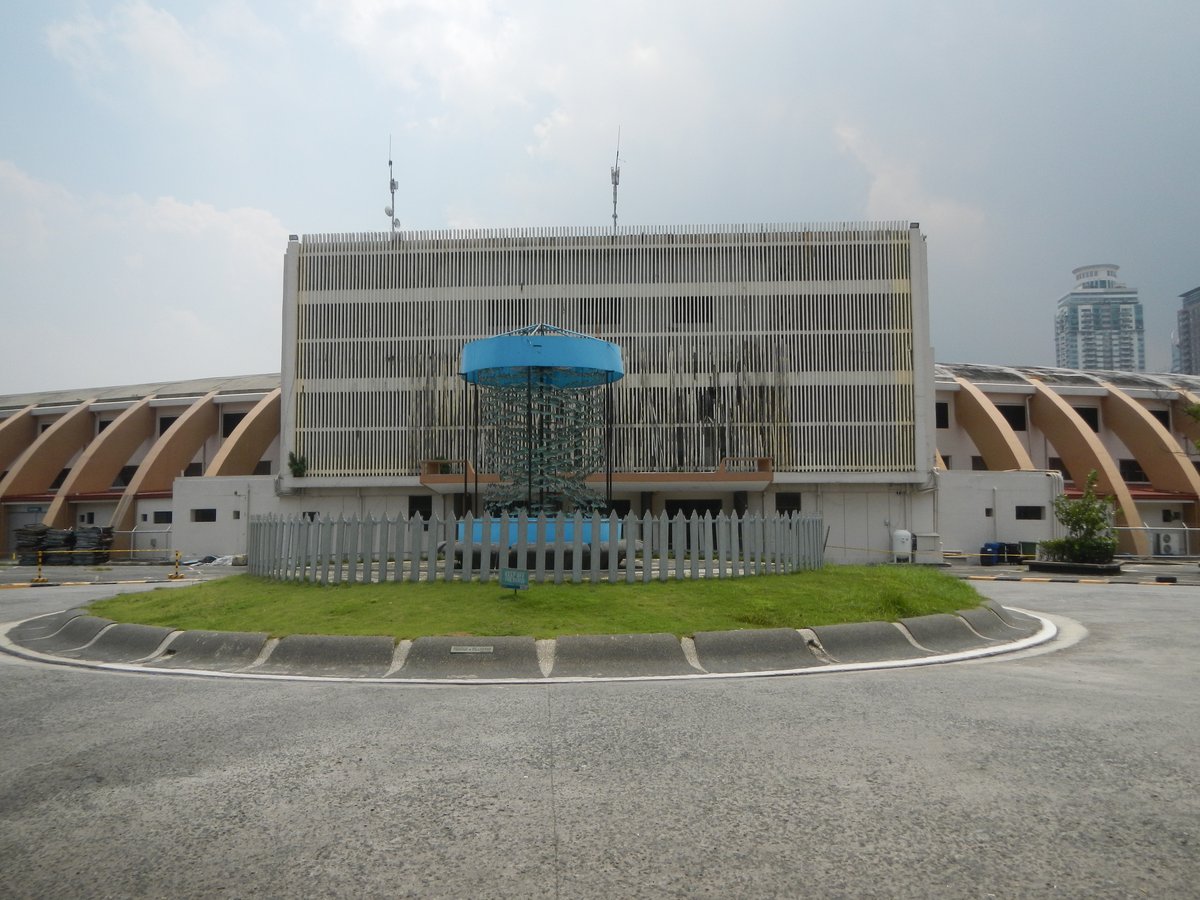
The architectural design of the Masonic Clock reflects the principles of Freemasonry. The clock tower is adorned with Masonic symbols, including the square and compass, which are emblematic of the fraternity's values. The design also incorporates elements of neoclassical architecture, which was popular during the time of its construction. The use of columns, pediments, and other classical features gives the clock an air of timeless elegance.
The clock mechanism itself was imported from Europe, ensuring precision and reliability. The choice of a European clock mechanism underscores the Masons' commitment to quality and their connection to the broader Masonic tradition, which has strong roots in Europe.
Historical Significance
The Masonic Clock holds significant historical value, not only for the Masonic fraternity but also for the local community in Taguig. It stands as a testament to the contributions of the Masons to the development of the area. During the early 20th century, the Masons were instrumental in various civic projects, including the establishment of schools, hospitals, and other public infrastructure.
The clock also serves as a reminder of the Masons' role in the fight for Philippine independence. Many prominent Filipino revolutionaries, including Dr. Jose Rizal and Andres Bonifacio, were members of the Masonic fraternity. The clock, therefore, symbolizes the Masons' commitment to freedom and justice.
Restoration and Preservation
Over the years, the Masonic Clock has undergone several restoration efforts to preserve its historical and architectural integrity. The most recent restoration project was completed in 2019, funded by the local government of Taguig and the Masonic Lodge. The restoration included repairing the clock mechanism, cleaning and restoring the architectural features, and improving the surrounding landscape to enhance the clock's visibility and accessibility.
The restoration efforts have ensured that the Masonic Clock remains a prominent landmark in Taguig. It continues to attract visitors, both local and international, who are interested in the history and heritage of the Masonic fraternity.
Visitor Information
Visiting Hours and Tickets
Visiting hours for the Masonic Clock are from 8:00 AM to 6:00 PM daily. There is no entrance fee to visit the clock, making it an accessible attraction for all.
Travel Tips
The Masonic Clock is located in the heart of Taguig, making it easily accessible by public transportation. The best time to visit is during the early morning or late afternoon when the lighting is ideal for photography. Visitors are encouraged to take a guided tour to fully appreciate the historical and architectural significance of the clock.
Nearby Attractions
While visiting the Masonic Clock, you can also explore other historical sites in Taguig, such as the Bonifacio Global City and the Taguig City Museum. These attractions provide a deeper understanding of the area's rich history and cultural heritage.
Cultural Impact
The Masonic Clock has had a lasting cultural impact on the community of Taguig. It is a popular site for local events and celebrations, particularly those organized by the Masonic Lodge. The clock is also a favorite spot for photographers and history enthusiasts who appreciate its architectural beauty and historical significance.
In addition to its cultural impact, the Masonic Clock serves an educational purpose. It is often included in local history tours and educational programs, helping to raise awareness about the contributions of the Masonic fraternity to the development of Taguig and the Philippines as a whole.
FAQ Section
What are the visiting hours for the Masonic Clock in Taguig?
The Masonic Clock is open to visitors from 8:00 AM to 6:00 PM daily.
Is there an entrance fee to visit the Masonic Clock?
No, there is no entrance fee to visit the Masonic Clock.
Are there guided tours available for the Masonic Clock?
Yes, guided tours are available and highly recommended to fully appreciate the historical and architectural significance of the clock.