

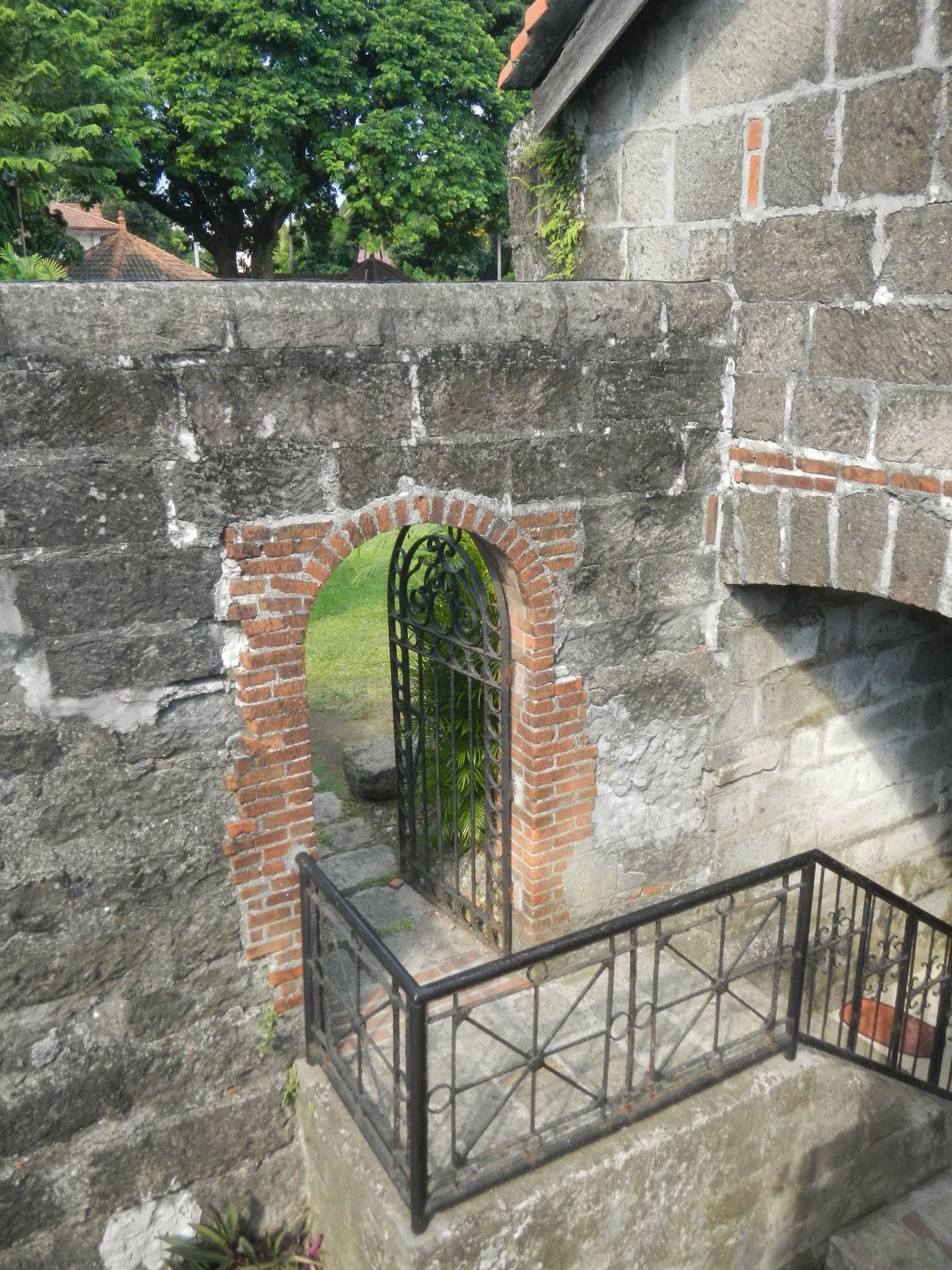
History of Torre de Nuestra Señora de Guia
Origins and Construction
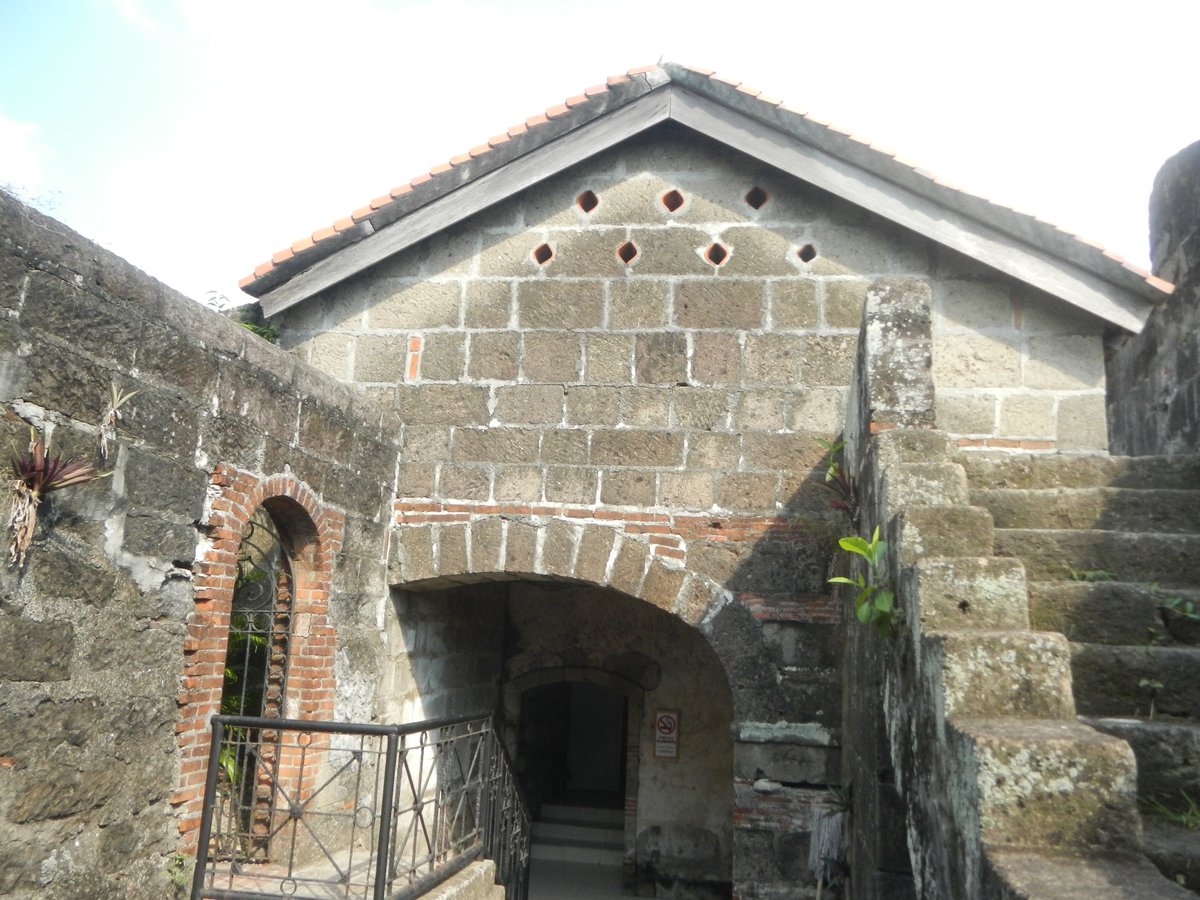
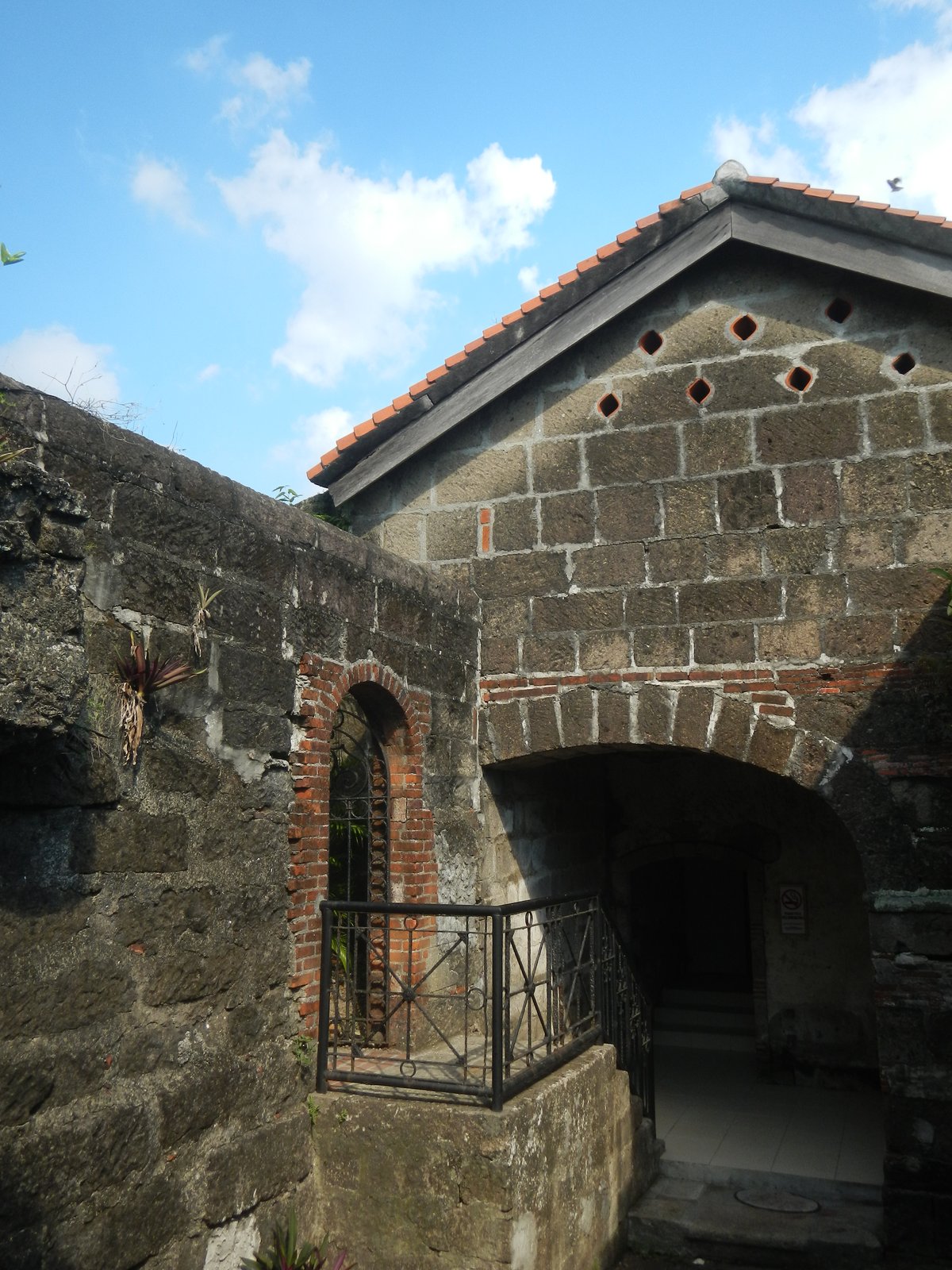
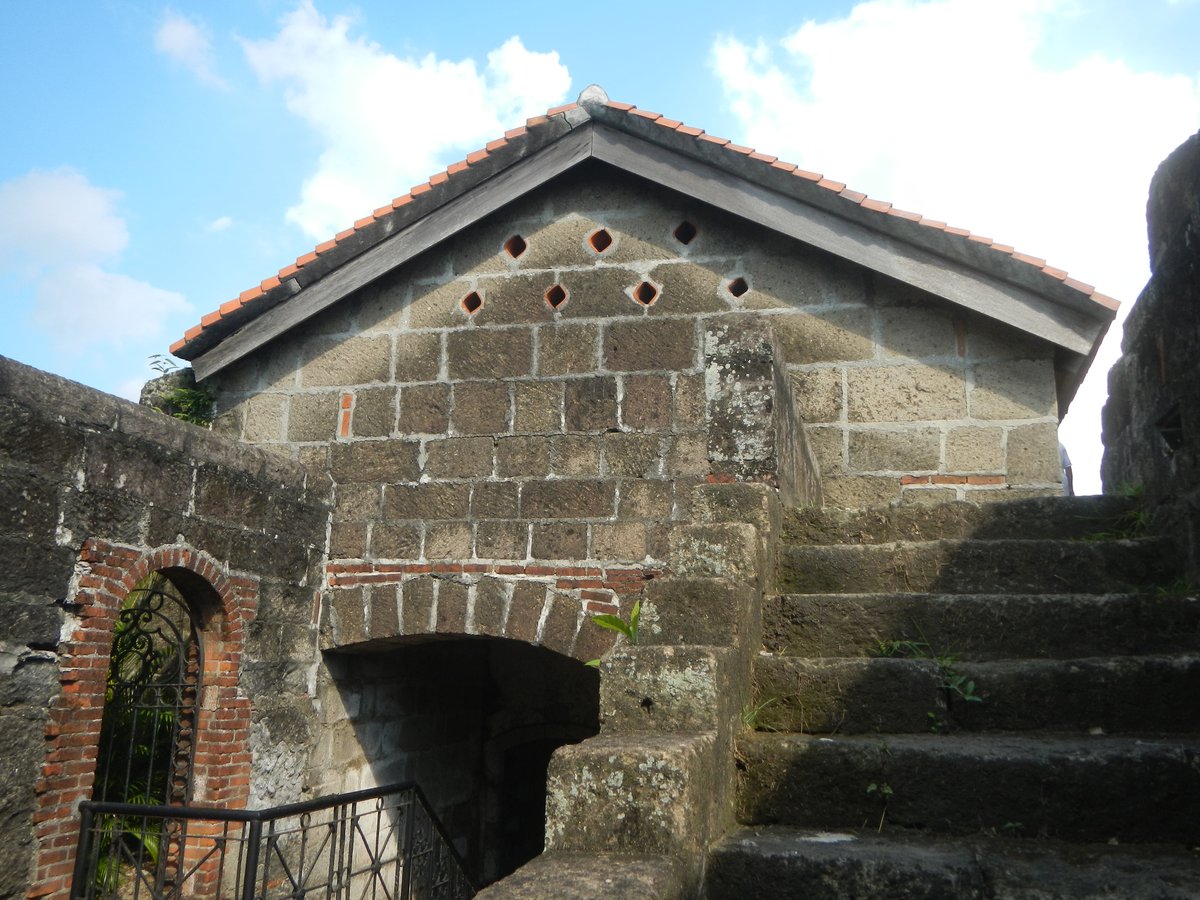
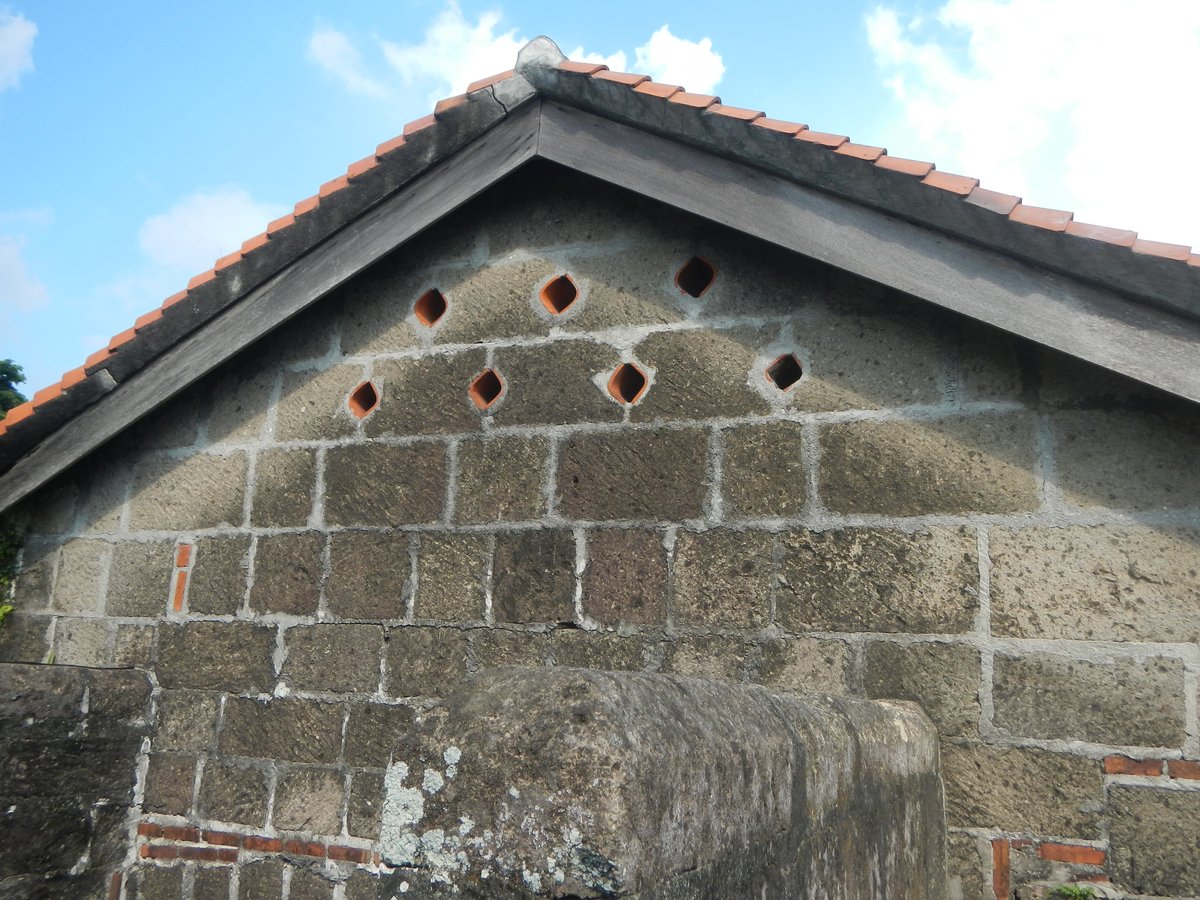
The construction of the Torre de Nuestra Señora de Guia was commissioned by Governor General Santiago de Vera between 1584 and 1590. The primary purpose of the tower was to serve as a watchtower overlooking Manila Bay, providing a strategic vantage point for monitoring incoming ships and potential threats (Intramuros). Jesuit priest Antonio Sedeño was assigned to oversee the project, which posed structural challenges due to its sandy foundation. Despite these difficulties, the tower was successfully completed and integrated with the Baluarte de San Diego.
Integration with Baluarte de San Diego
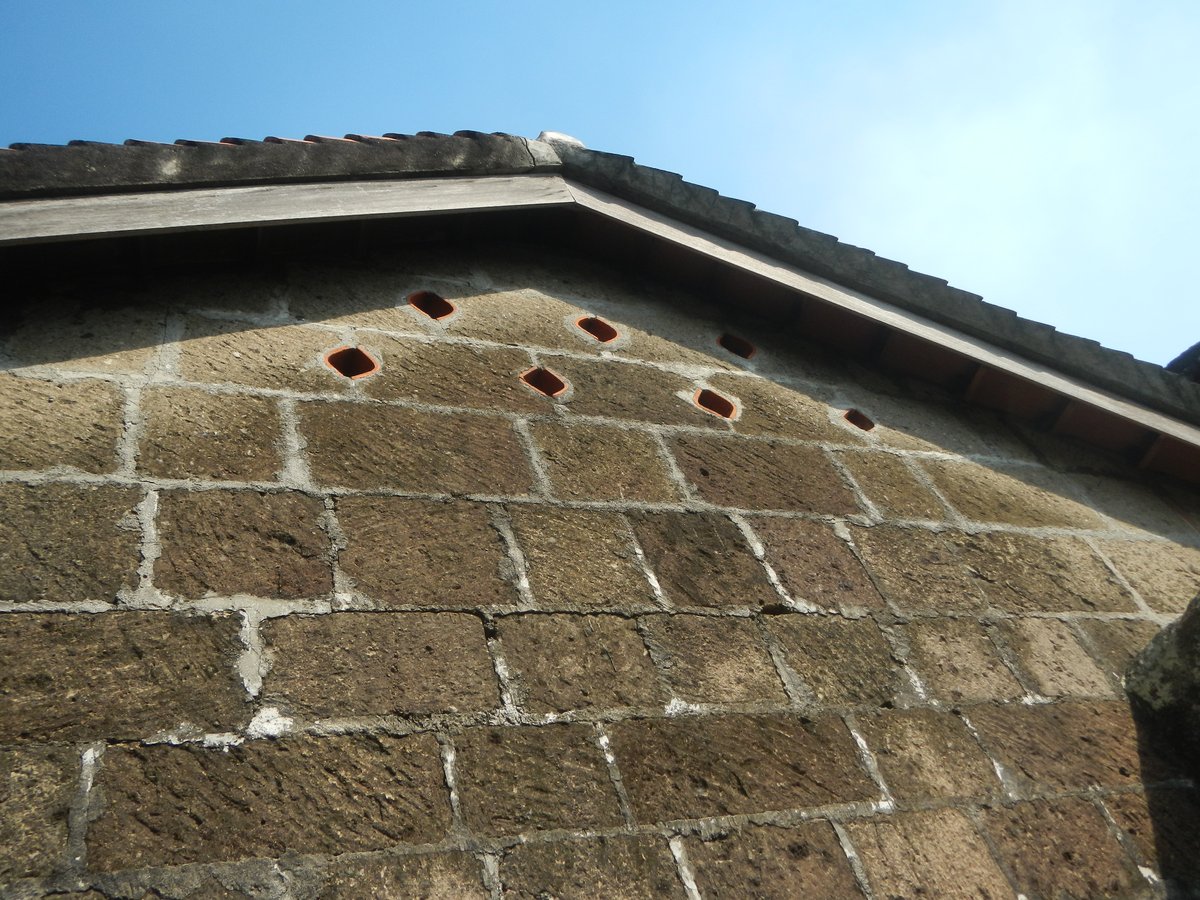
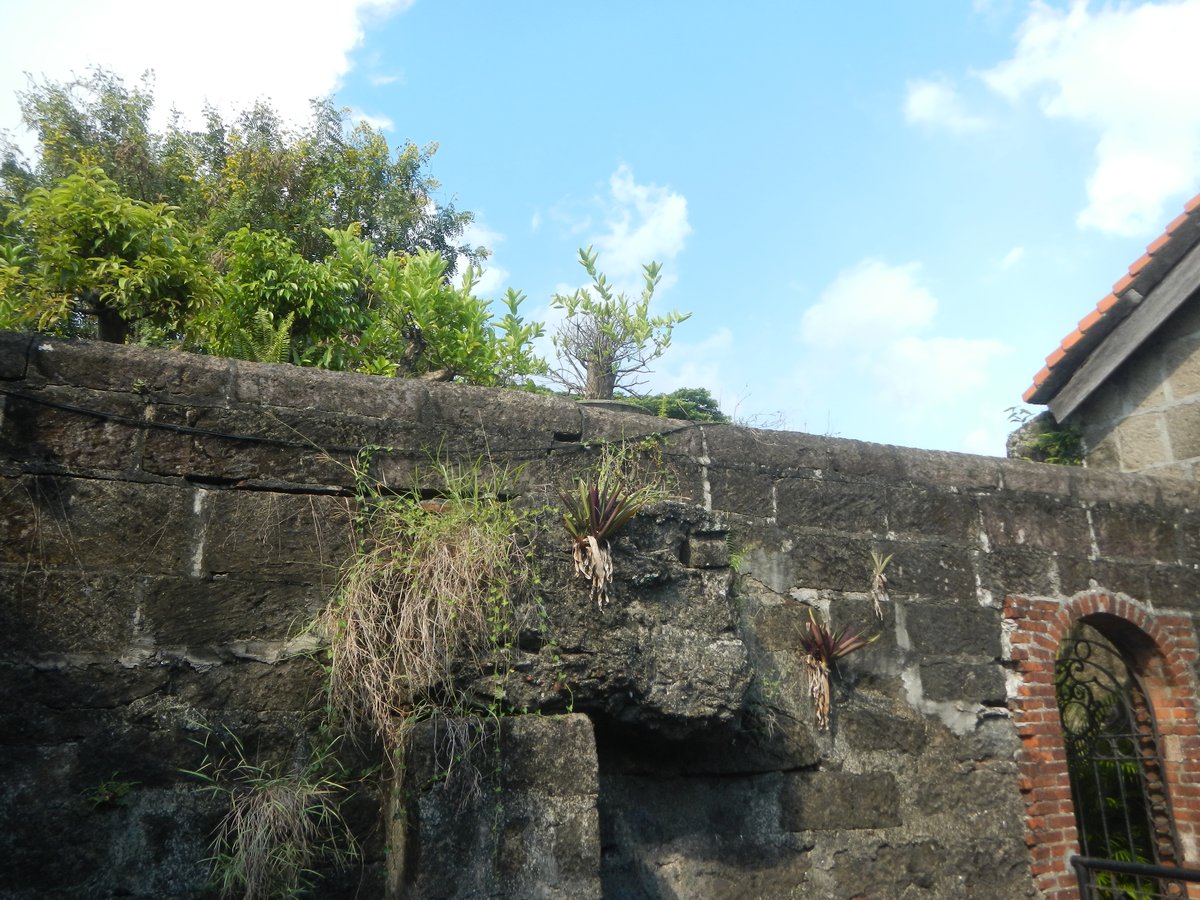
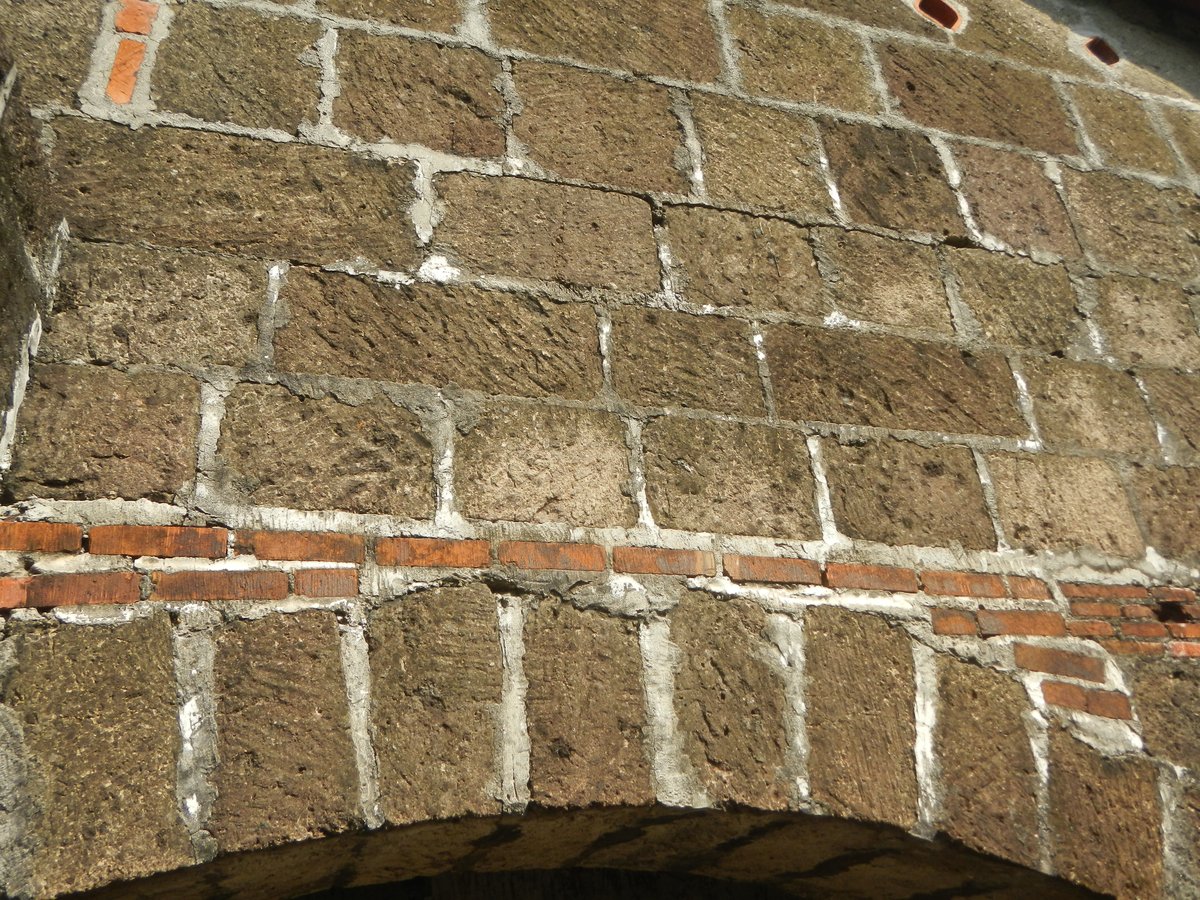
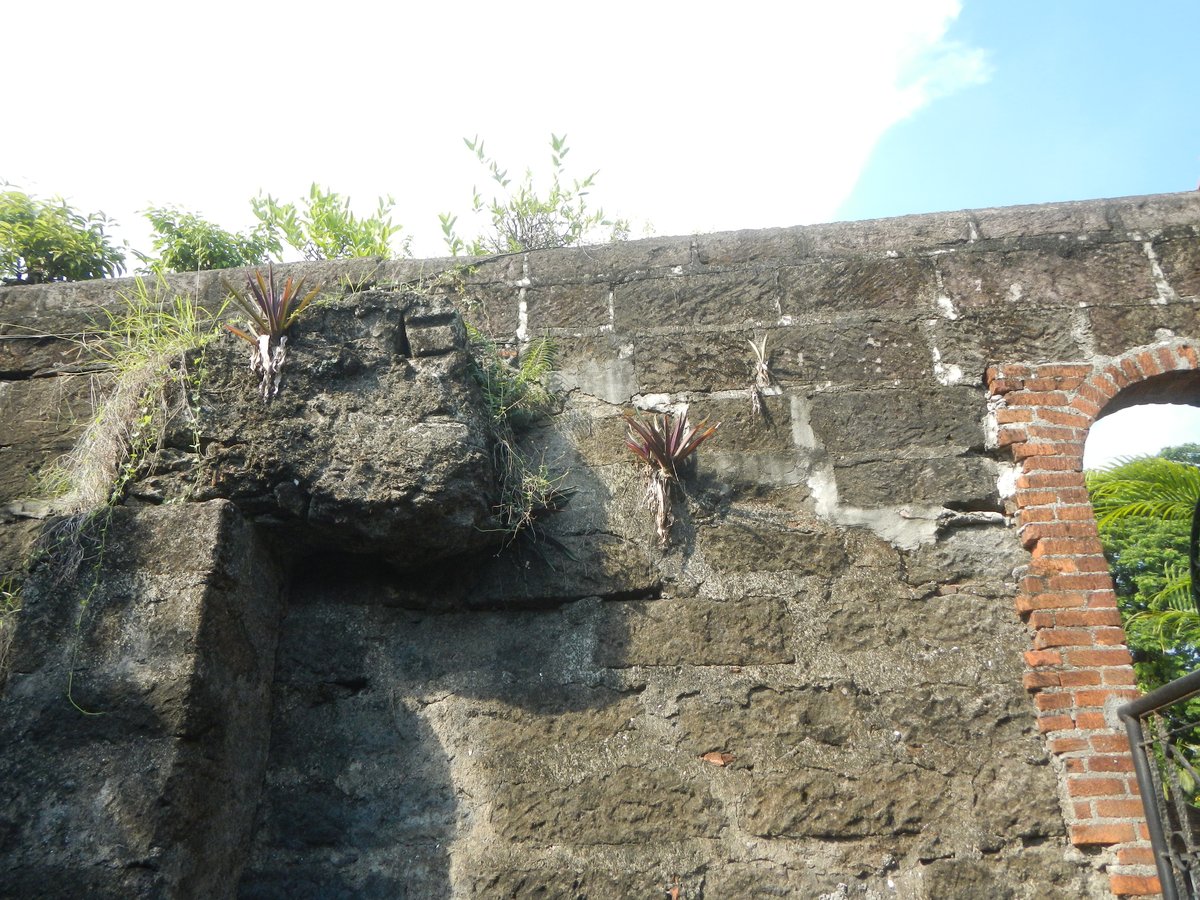
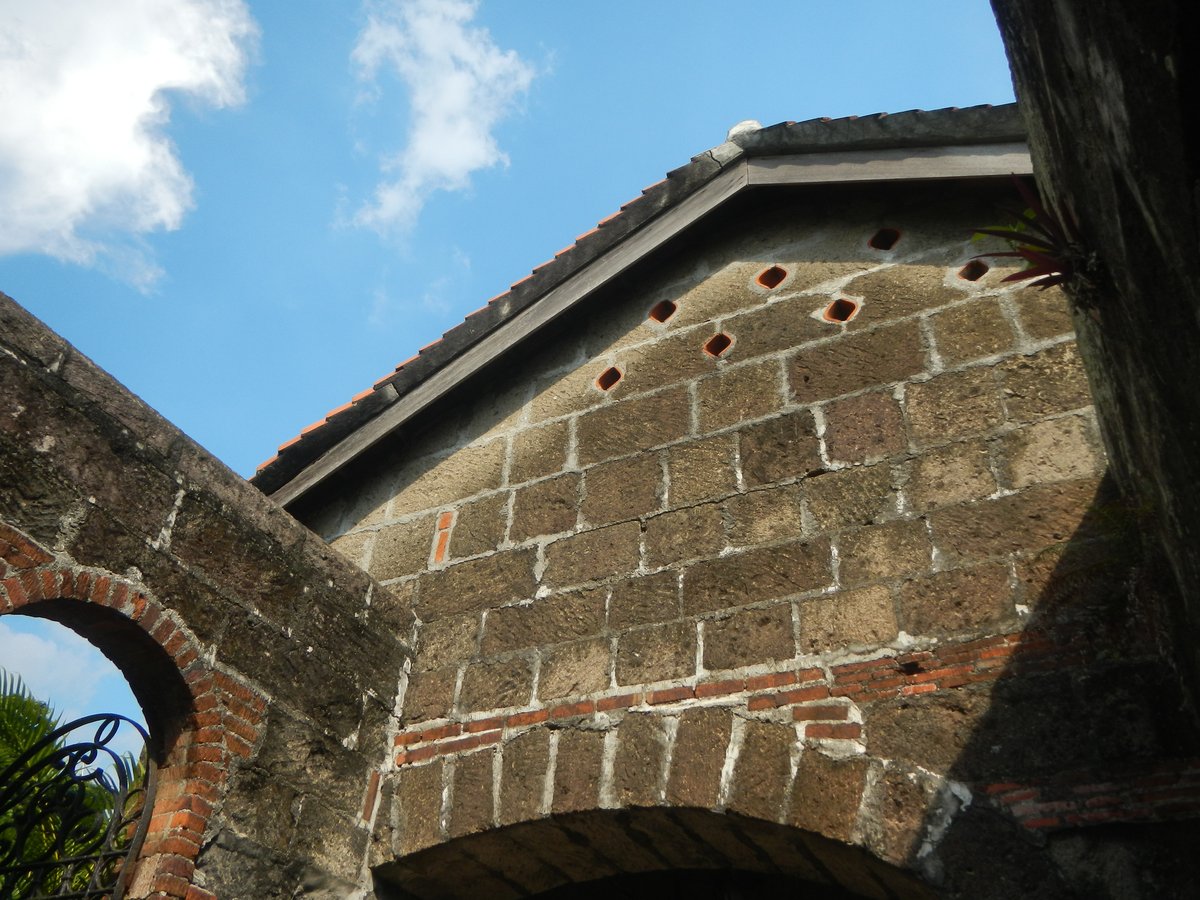
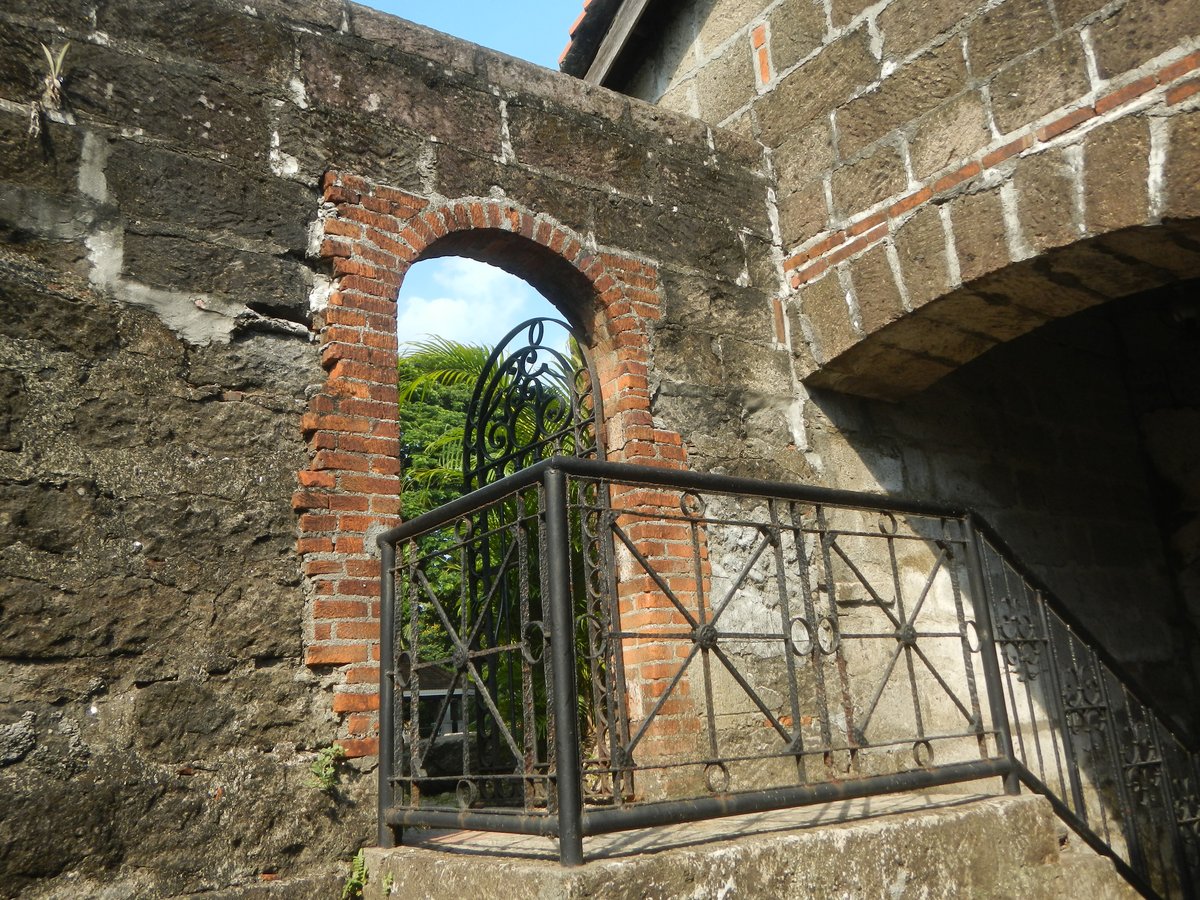
In 1590, Manila's wooden fortifications were rebuilt in stone, and by 1593, the upper portion of the Torre de Nuestra Señora de Guia was demolished. The base of the tower was then integrated with a new spade-shaped bulwark known as the Baluarte de San Diego (Intramuros). This integration marked a significant transformation in the fortification strategy of Manila, making the Baluarte de San Diego a formidable symbol of Spanish power in the region.
The Icon of Nuestra Señora de Guia
The Torre de Nuestra Señora de Guia is intrinsically linked to the image of Nuestra Señora de Guia, or Our Lady of Guidance. This image is the oldest among all those venerated in the Philippines. On May 19, 1571, one of Miguel Lopez de Legaspi's soldiers discovered a beautiful statue of the Virgin Mary at the seashore, now the site of the Ermita Church (NSDGA). This veneration led to the title 'Guia' or 'guide,' emphasizing her role in guiding and protecting sailors and travelers.
Royal Decree and Patronage
In 1578, King Philip II of Spain issued a royal decree declaring Nuestra Señora de Guia as the 'Sworn Patroness' of Manila. This decree was a recognition of the continual favors and miracles attributed to her, particularly in aiding navigators and sailors. The Ermita Church, where the statue was enshrined, became one of the foremost Marian shrines in the Philippines (Wikipedia).
Cultural and Religious Significance
The image of Nuestra Señora de Guia holds immense cultural and religious significance in the Philippines. It is believed that the statue was brought to the Philippines in 1521 by Magellan's ships. The devotion to Our Lady of Guidance has been a cornerstone of Filipino spirituality, especially among sailors and navigators who sought her protection before embarking on voyages (NSDGA).
Visitor Information
Visiting Hours and Ticket Prices
The Torre de Nuestra Señora de Guia is accessible through the Baluarte de San Diego, which is open to visitors every day from 8:00 AM to 6:00 PM. Admission fees are as follows:
- Adults: PHP 75
- Students and Seniors: PHP 50
- Children under 7: Free
Travel Tips
- Best Time to Visit The best time to visit is during the cooler months from December to February to avoid the intense heat.
- What to Wear Comfortable clothing and shoes are recommended as you will be walking on uneven surfaces.
- Photography Don't forget your camera! There are plenty of picturesque spots to capture.
Nearby Attractions
While visiting the Torre de Nuestra Señora de Guia, consider exploring other nearby attractions:
- Intramuros The historic walled city of Manila.
- San Agustin Church A UNESCO World Heritage Site.
- Fort Santiago Another significant historical landmark.
Guided Tours and Events
Guided tours are available and highly recommended to get an in-depth understanding of the site's history. Special events are occasionally held at the Baluarte de San Diego, so check the official website for any upcoming activities.
FAQ
Q: What are the visiting hours for Torre de Nuestra Señora de Guia? A: The site is open daily from 8:00 AM to 6:00 PM.
Q: Are guided tours available? A: Yes, guided tours are available and can be booked through the official website.
Q: How much are the tickets? A: Tickets are PHP 75 for adults, PHP 50 for students and seniors, and free for children under 7.
Legacy and Preservation
The legacy of the Torre de Nuestra Señora de Guia and the image of Our Lady of Guidance continues to be preserved and celebrated in the Philippines. The Baluarte de San Diego, which incorporates the base of the original tower, stands as a National Cultural Treasure of the Philippines. It serves as a historical landmark that reflects the rich colonial history and the enduring faith of the Filipino people (Intramuros).
The Ermita Church, despite suffering damage over the centuries, remains a significant site of pilgrimage and devotion. The image of Nuestra Señora de Guia continues to be a symbol of guidance, protection, and faith for many Filipinos, particularly those who navigate the seas (NSDGA).
Discover More
Planning a visit to the Torre de Nuestra Señora de Guia? Download our mobile app Audiala for more travel tips and updates. Don't forget to check out our other related posts and follow us on social media for the latest news on Manila's historical sites!