


Historical Evolution of Baclaran LRT Station
Origins and Early Development
Baclaran Station opened in 1984 as the southernmost terminal of LRT-1, addressing Metro Manila’s chronic traffic problems and improving access to the city center (Philnews.ph). Its position on the Pasay–Parañaque boundary made it a strategic interchange for the region’s growing population. Baclaran Church also helped make the station a destination for daily commuters and religious pilgrims, especially on Wednesdays, locally known as “Baclaran Day” (Trip.com).
Expansion and Role in Pasay’s Urbanization
The station’s establishment spurred commercial activity in the surrounding district. LRT-1 was later extended northward, while Baclaran remained the southern terminus for decades. The station’s role fostered the growth of marketplaces and a vibrant cultural scene, and improved links to jeepneys, buses, and taxis. Its presence has helped shape Pasay as an urban and commercial zone within Metro Manila (Philnews.ph).
Modernization and the Cavite Extension Project
Infrastructure Upgrades and Accessibility
Modernization at Baclaran Station includes Beep cards and contactless payment options, enhanced security, and facilities designed for persons with disabilities (PWDs). Digital passenger information displays and redesigned infrastructure support higher passenger volumes (Spot.ph).
The Cavite Extension: Project Phases and Impact
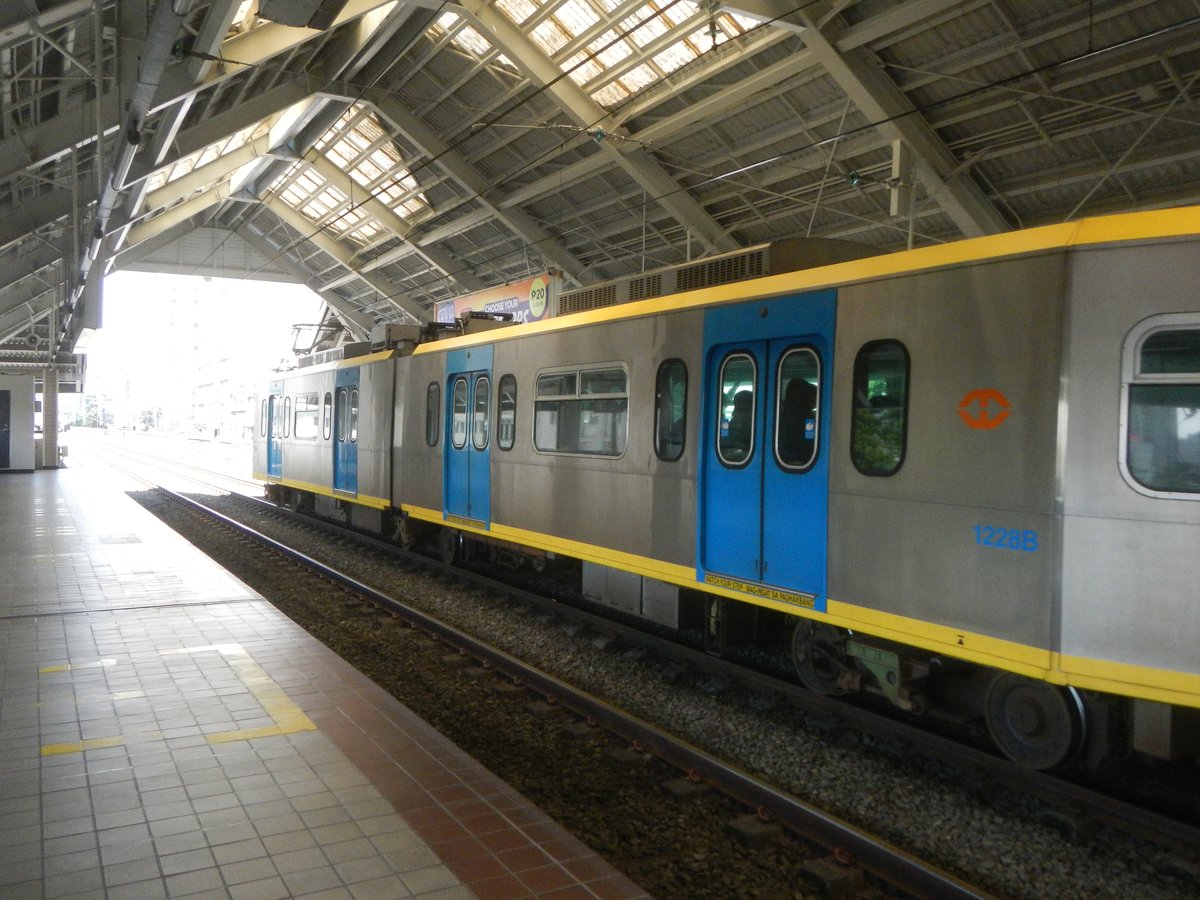
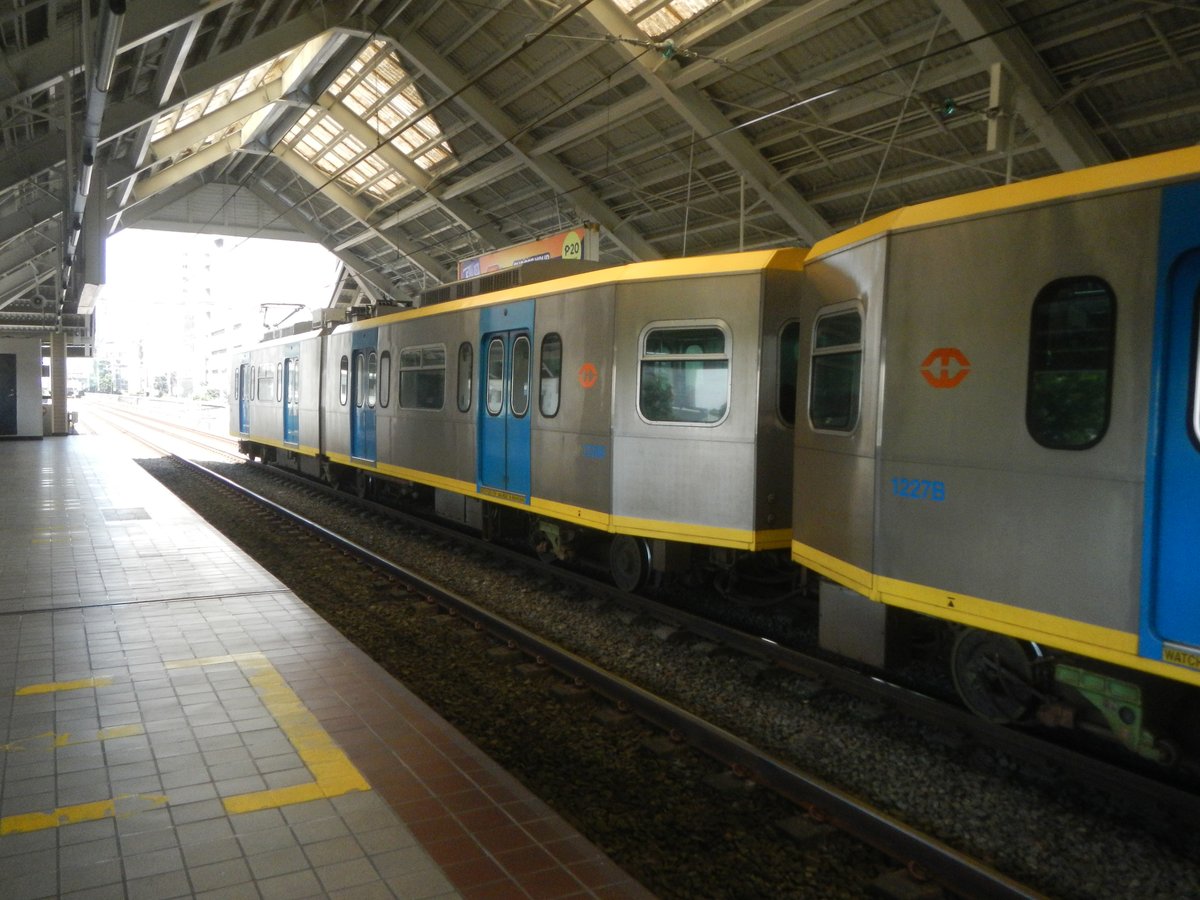
The LRT-1 Cavite Extension will add 11.8 kilometers to the line, with eight new stations connecting Baclaran to Bacoor, Cavite (Spot.ph; Philstar).
- Phase 1 includes five stations from Redemptorist to Dr. Santos, with completion and partial operations targeted for late 2024.
- Phase 2 will add three stations, extending the network to Niog, Bacoor.
When complete, LRT-1 will span 32.4 kilometers and have 28 stations. The line is expected to support up to 800,000 passengers daily and reduce travel time between Pasay and Cavite from 1.5 hours to approximately 25–30 minutes (Spot.ph). Right-of-way issues, construction overlaps, and urban integration challenges have been addressed to support project delivery (Philstar).
What to See
Baclaran Church is a major Marian shrine and pilgrimage destination. Nearby sights include Baclaran Market, known for affordable shopping and local delicacies (The Pinoy Traveler); Mall of Asia, accessible by connecting transport and described as among Asia’s largest malls (Mapcarta); and Pasay landmarks such as the old Pasay City Hall and Rizal Memorial Sports Complex. The CCP Complex is also accessible from the church area.
Baclaran Church: Guide for Visitors
Baclaran Church is open daily from 4:00 AM to 10:00 PM and is busiest during the Wednesday “Baclaran Day” novena (Trip.com). Entry is free, donations are welcome, and no tickets are required.
The church is wheelchair accessible, with ramps and designated seating. Amenities include food stalls, souvenir shops, gardens, and rest areas. Visitors are advised to dress modestly, remain quiet inside, and be mindful of pickpockets in crowded areas.
Practical Visiting Information
Visiting Hours and Ticket Information
Baclaran LRT Station is typically open daily from 4:30 AM to 10:00 PM. Schedules may change on holidays or during maintenance (Philnews.ph; LRTA Official Website).
Single-journey tickets and reloadable Beep cards are available at vending machines and ticket counters. Fares range from PHP 15 to PHP 45, depending on distance (Moneymax). Beep cards offer discounted fares and can be used across LRT-1, LRT-2, and MRT-3 (Beep Card Information). Beep cards and select mobile wallets are accepted for contactless payment.
Station Facilities and Accessibility
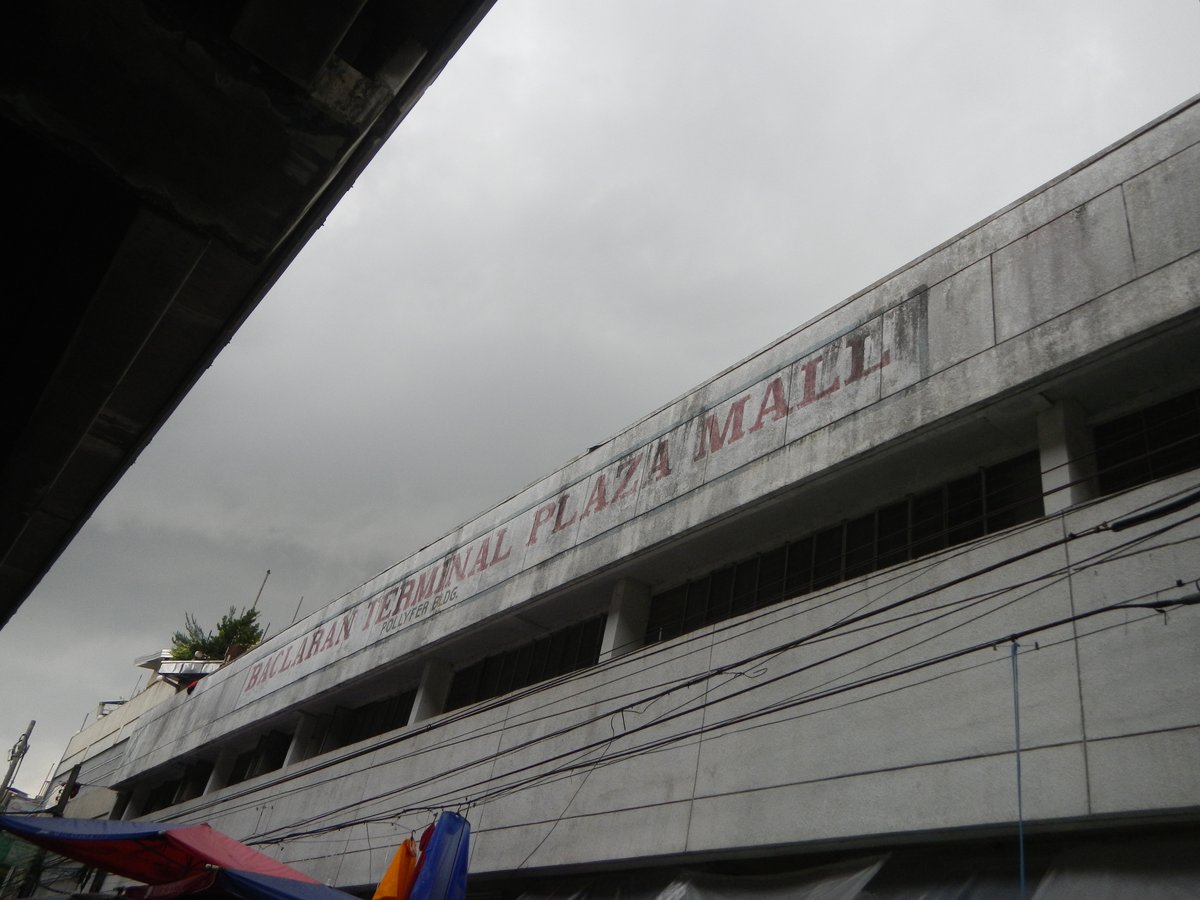
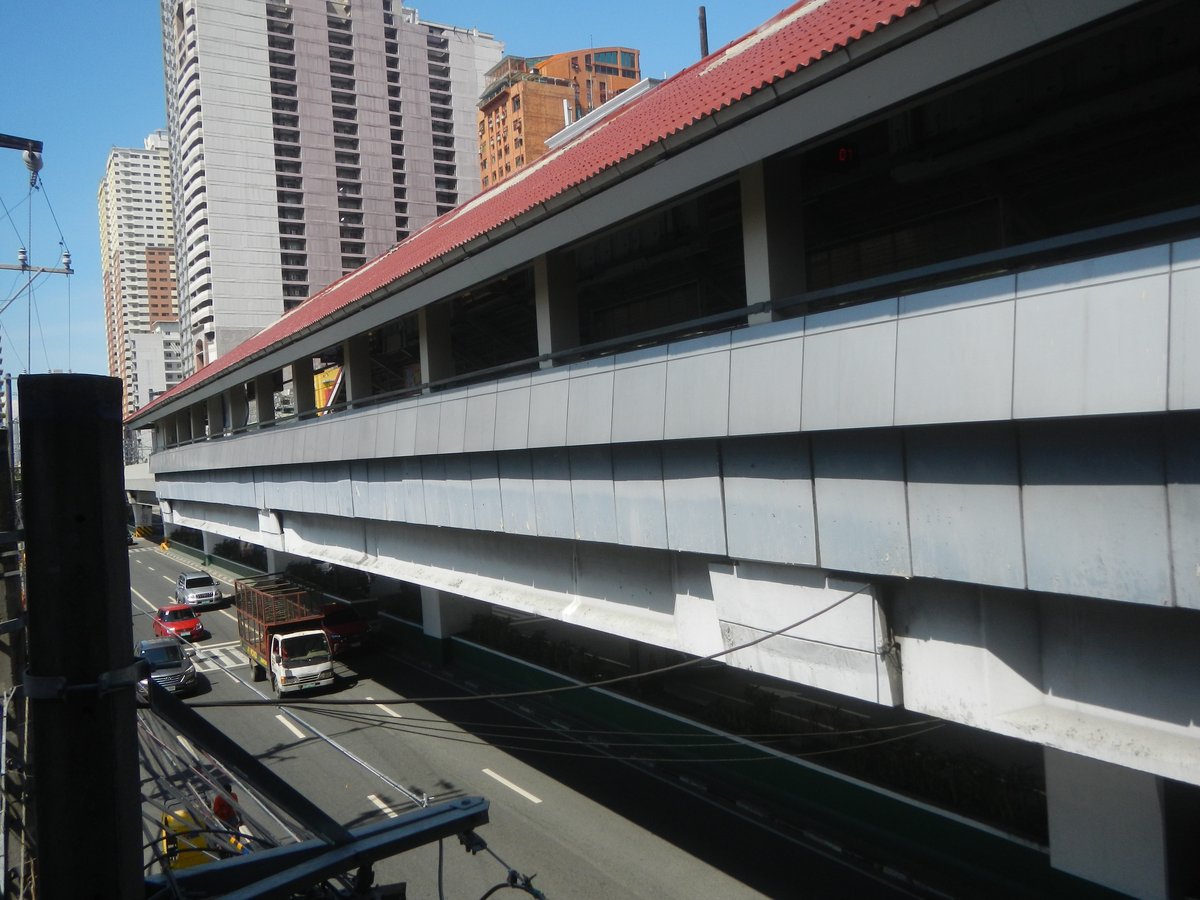
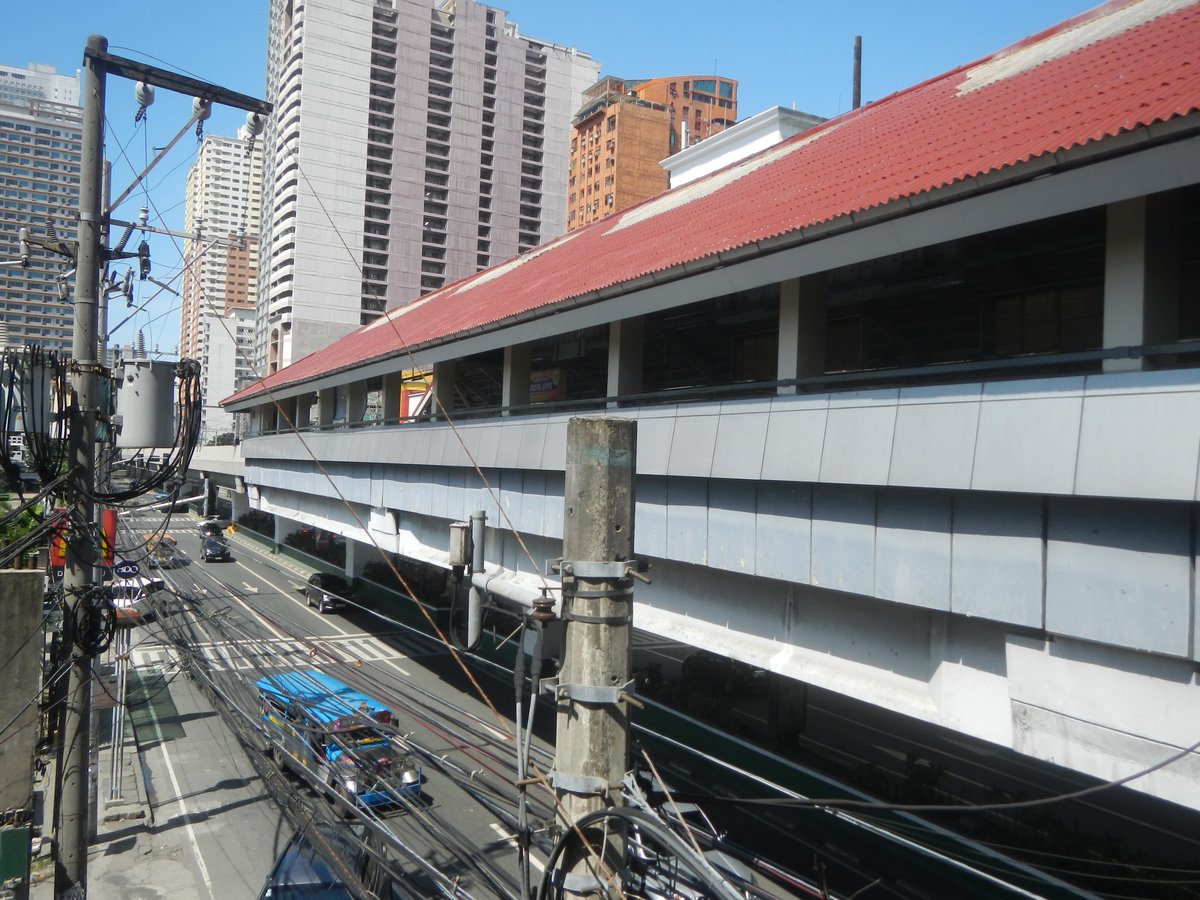
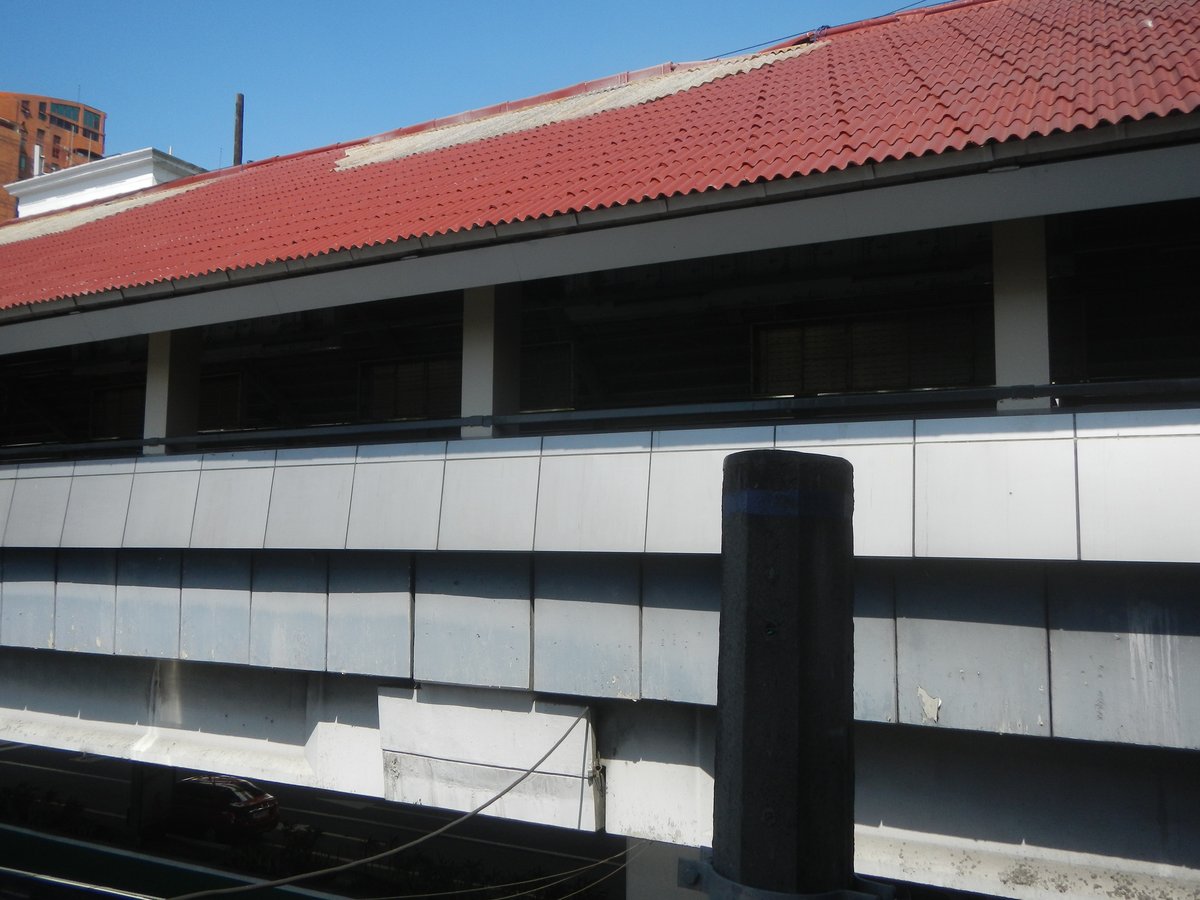
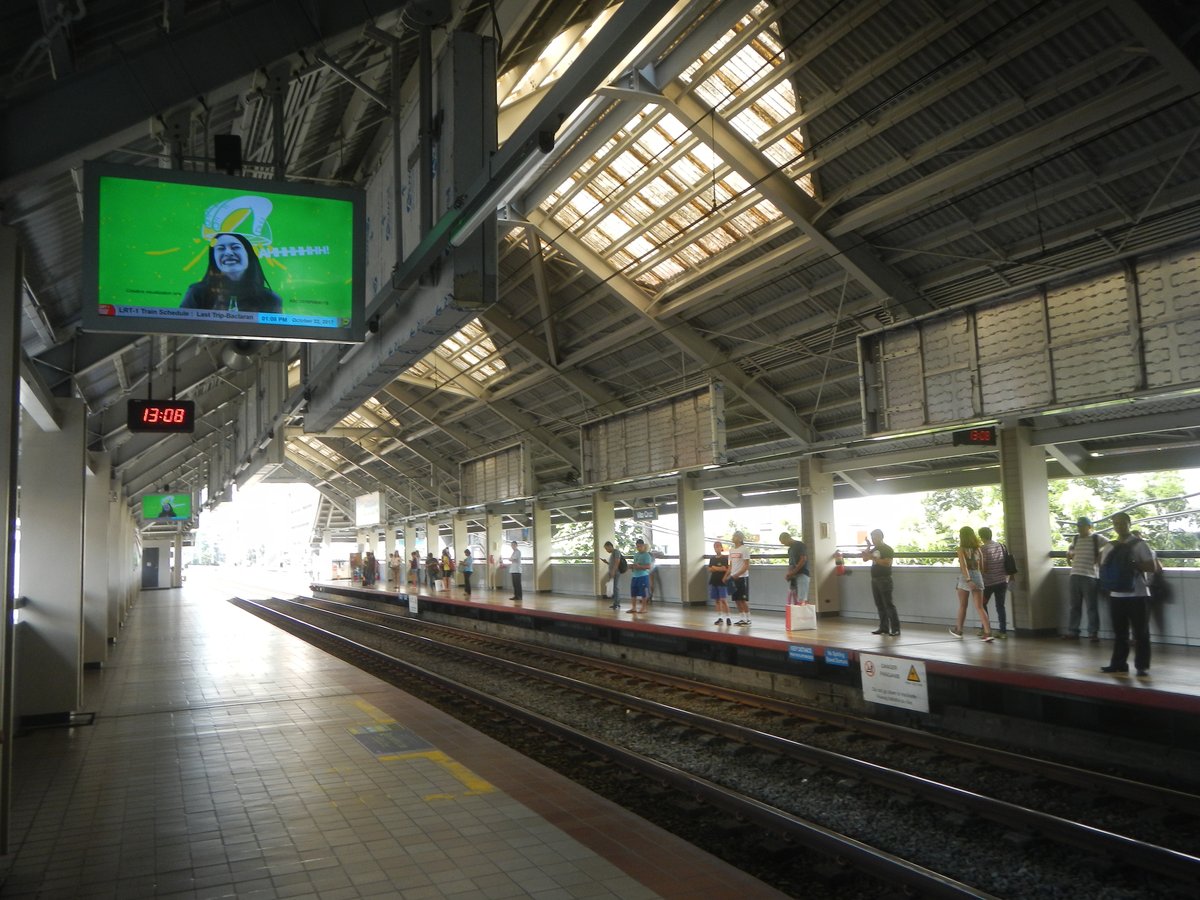
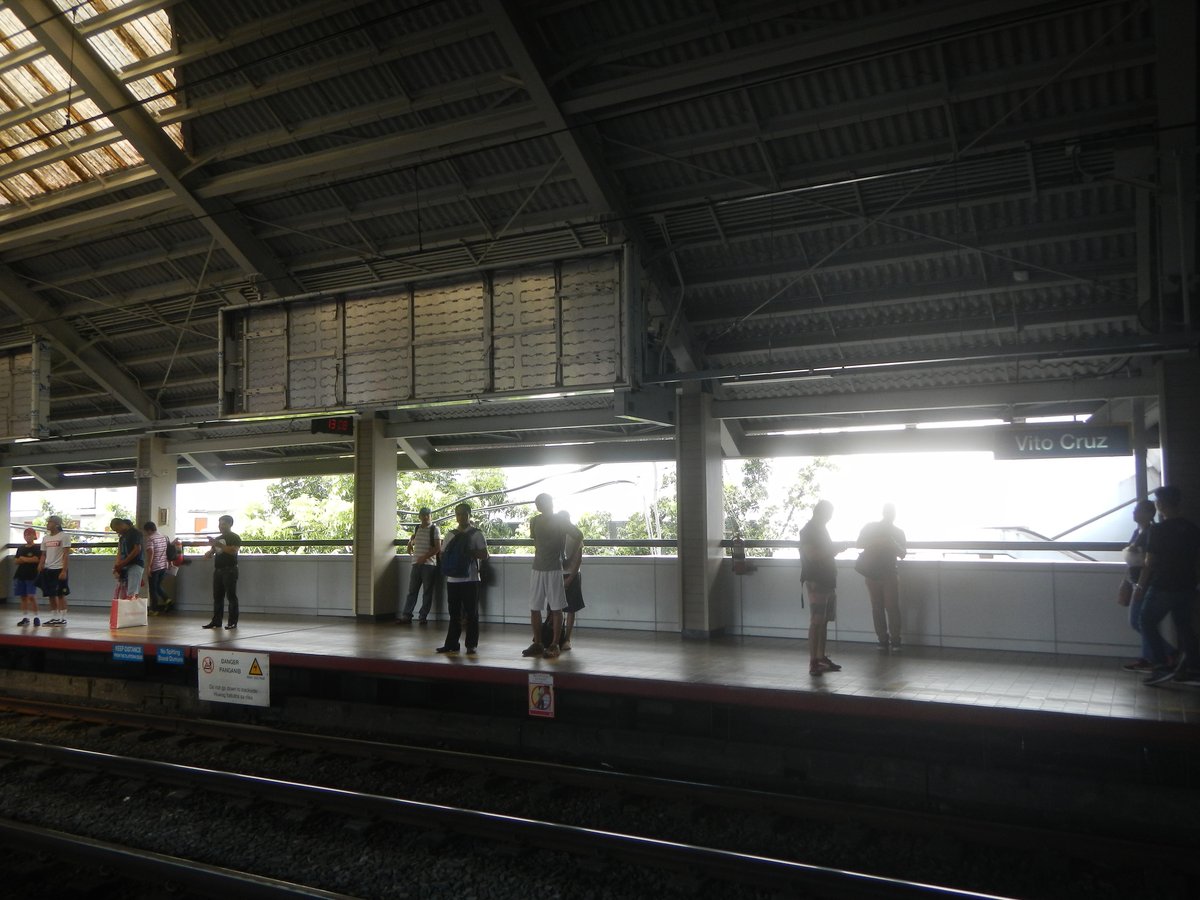
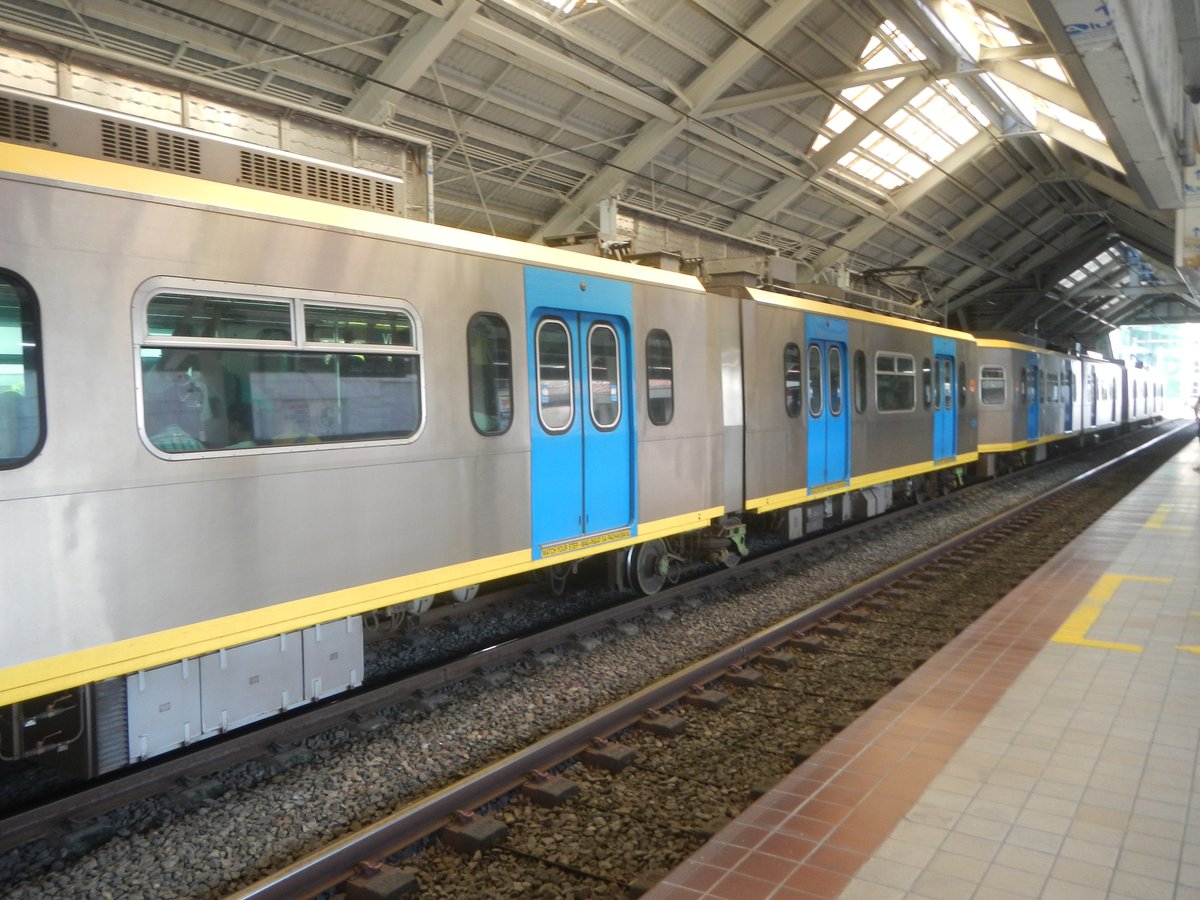
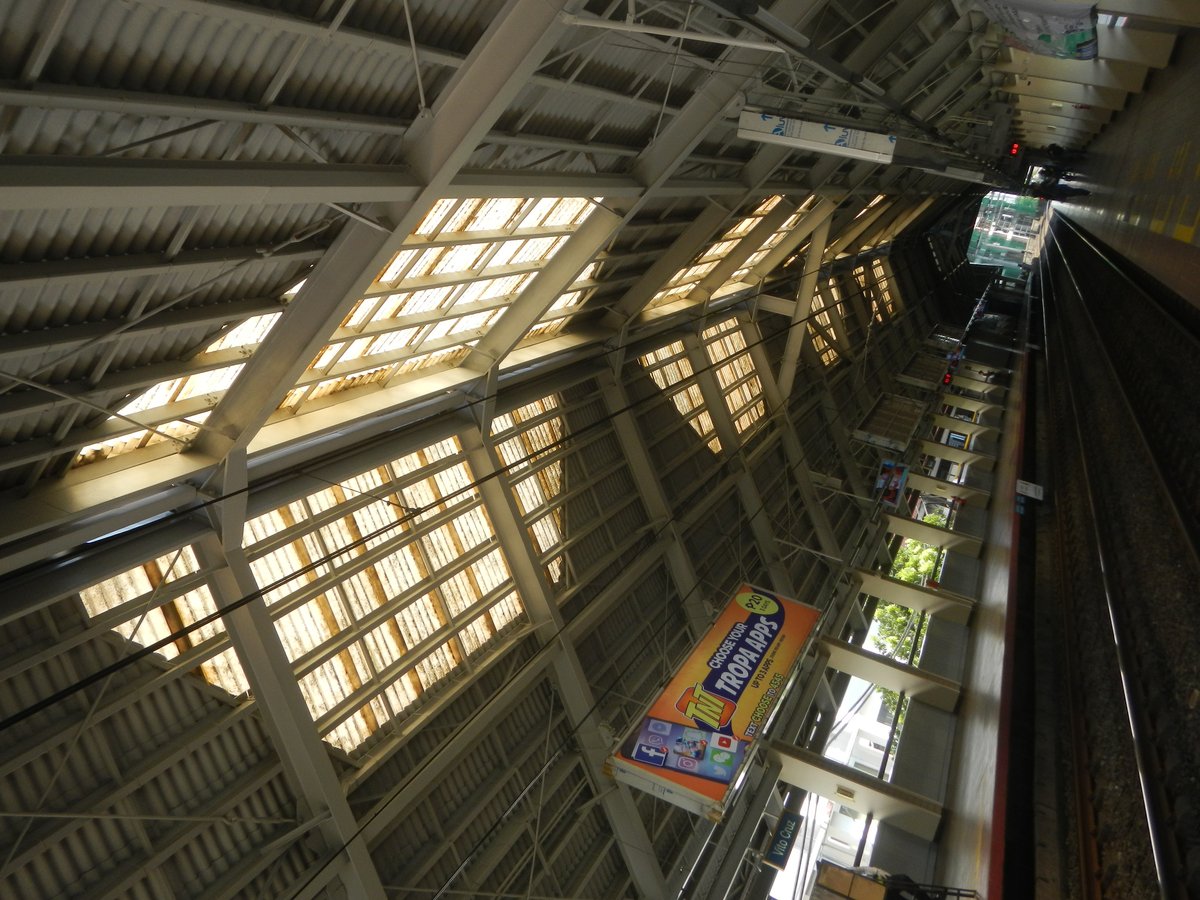
Baclaran Station is elevated, with two side platforms and multiple entry and exit points along Taft Avenue Extension (Touristlink; Moovit).
Facilities and services include:
- Ticketing booths and vending machines
- ATMs and convenience stores
- A lost-and-found counter
- Restrooms near the ticketing area and platforms, with enhanced hygiene protocols
- Elevators, ramps, tactile paving, and designated seating for PWDs, seniors, and visually impaired passengers
- Bag inspections, metal detectors, CCTV, and on-site personnel
- Digital display boards and public address announcements for real-time passenger updates (Spot.ph)
Visitor Tips and FAQs
Practical Travel Tips
- Use a Beep card for faster boarding and fare savings.
- Expect heavy foot traffic during rush hours (6:00–9:00 AM and 5:00–8:00 PM) and on Wednesdays.
- Watch for pickpockets, especially in crowded areas.
- Elevators, ramps, and tactile guides are available for passengers who need them.
Connectivity and Nearby Attractions
- Buses and jeepneys Routes connect Baclaran to Metro Manila, Cavite, and southern Luzon (Touristlink).
- Taxis and ride-hailing Transfers to NAIA and other destinations are available; the airport is approximately 3.2 km away.
- PITX The intermodal terminal is accessible within 15–20 minutes (Moneymax).
- MRT-3 and PNR MRT-3 Taft Avenue Station and PNR EDSA Station are a short commute away, enabling transfers across the city (Moovit).
- From NAIA Taxis, jeepneys, and buses connect the airport and Baclaran LRT Station.
- To other districts EDSA Station on MRT-3 provides transfers to Makati, Ortigas, and Quezon City.
Summary and Recommendations
Baclaran LRT Station combines transport links, modern amenities, and access to religious and historical sites. The LRT-1 Cavite Extension is set to serve more passengers and further integrate Metro Manila’s urban transport network. The station serves commuters, shoppers, church visitors, and people exploring Pasay’s historical sites (Trip.com; Spot.ph).
For travel advisories and schedule updates, check official sources; the Audiala app is also suggested for real-time information and travel planning.
Visitor Tips and FAQs
Frequently Asked Questions
Q: What are Baclaran LRT Station’s operating hours?
A: Typically daily from 4:30 AM to 10:00 PM (Philnews.ph).
Q: How do I buy tickets?
A: Purchase tickets at automated machines or ticket counters, or use a contactless Beep card.
Q: Is Baclaran LRT Station accessible for PWDs?
A: Yes. It has elevators, ramps, tactile paving, and priority seating.
Q: How can I reach NAIA from Baclaran?
A: Take a taxi or jeepney from the station; the airport is approximately 3.2 km away (Spot.ph).
Q: Are there guided tours?
A: There are no official tours, but local guides may be available in the area.