
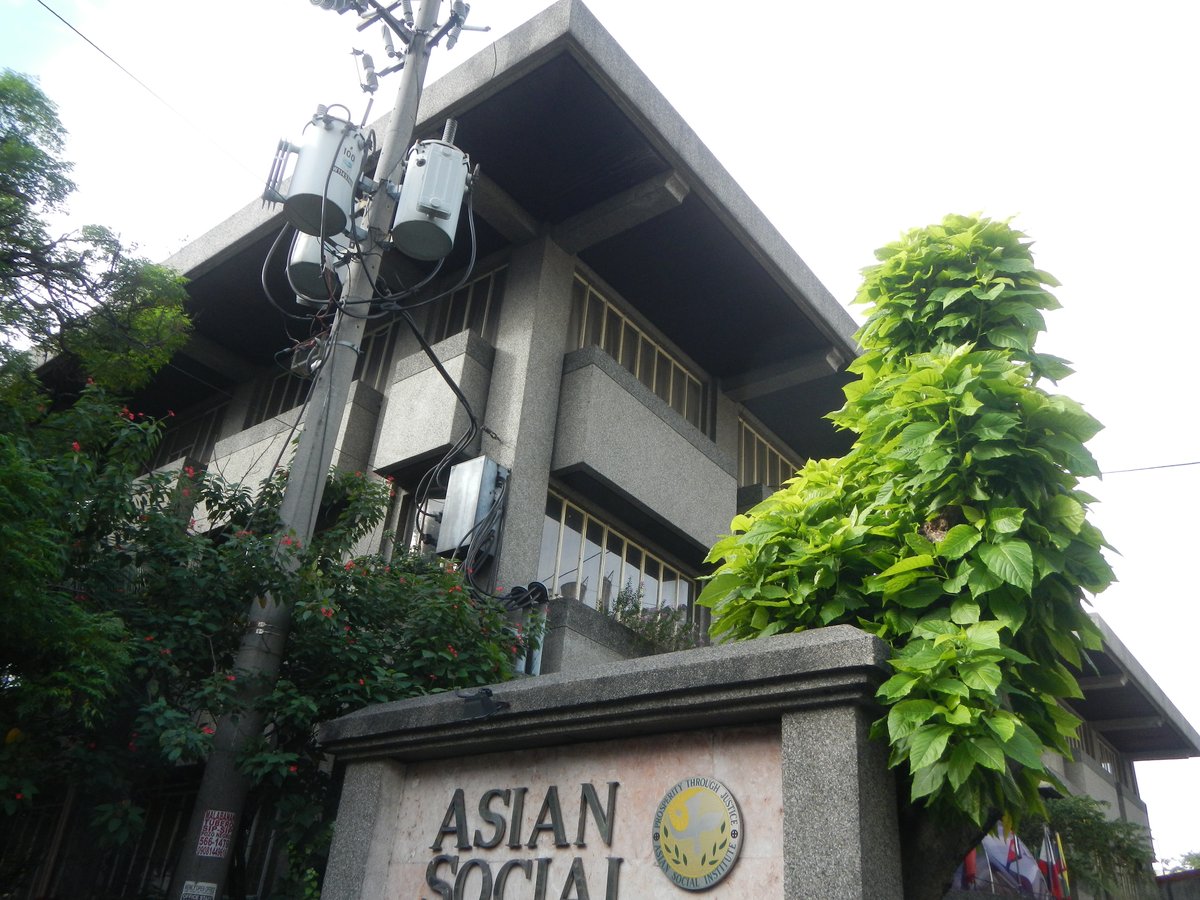
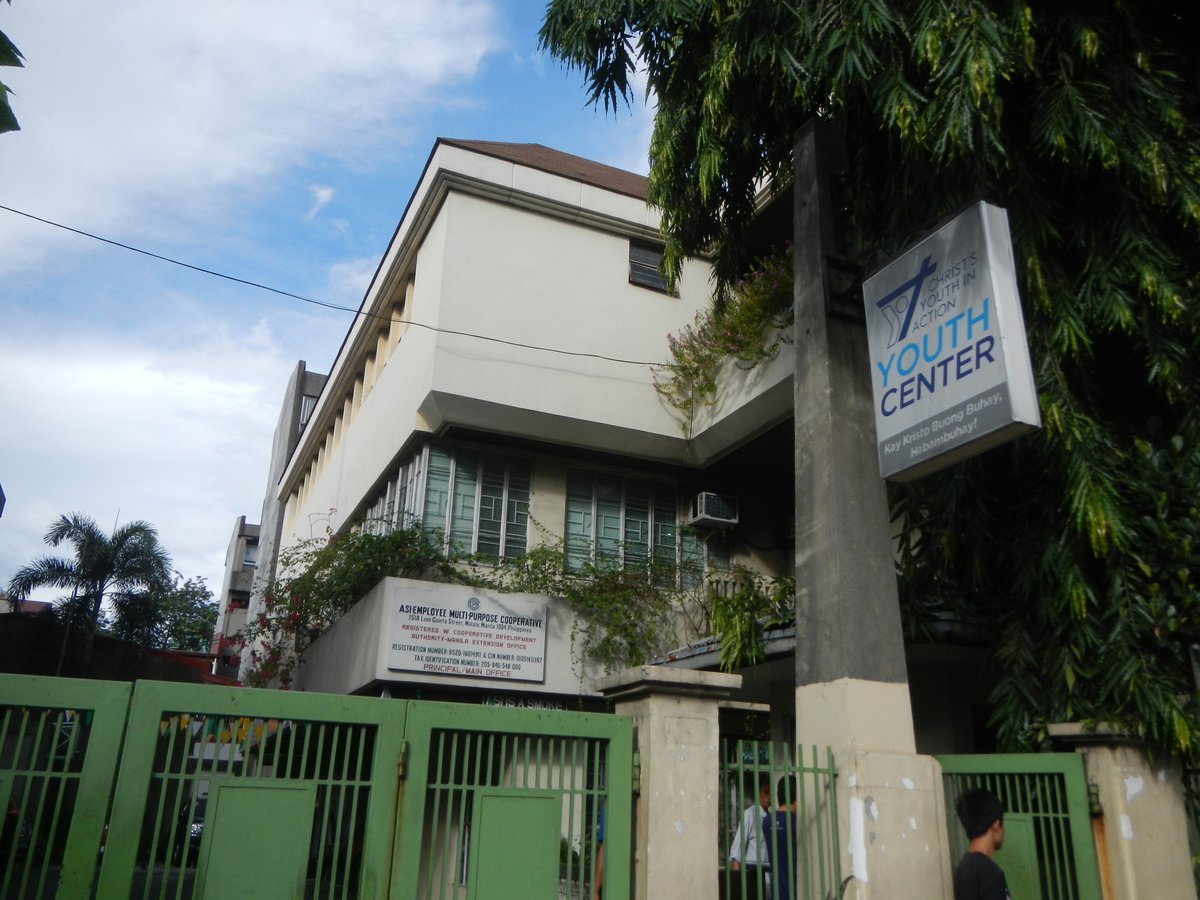
Historical Significance and Mission
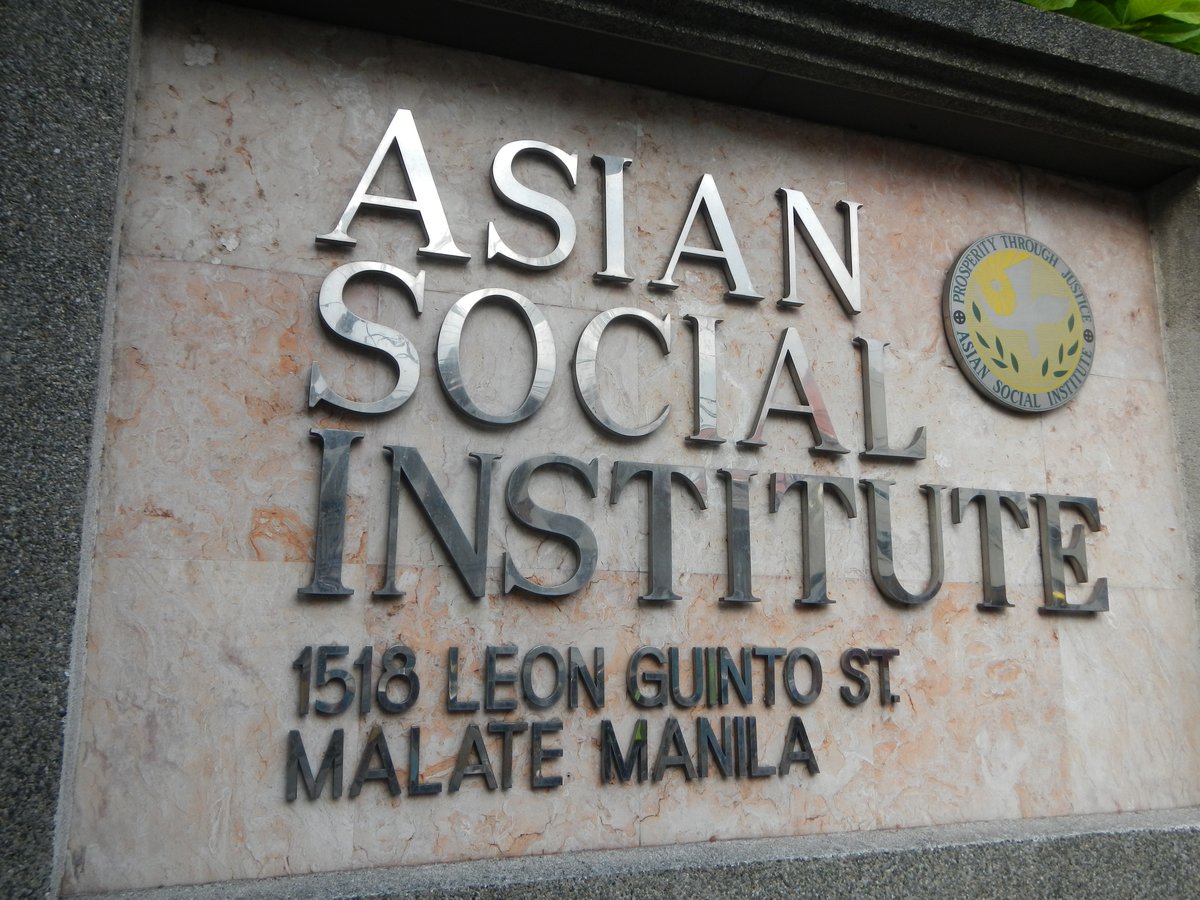
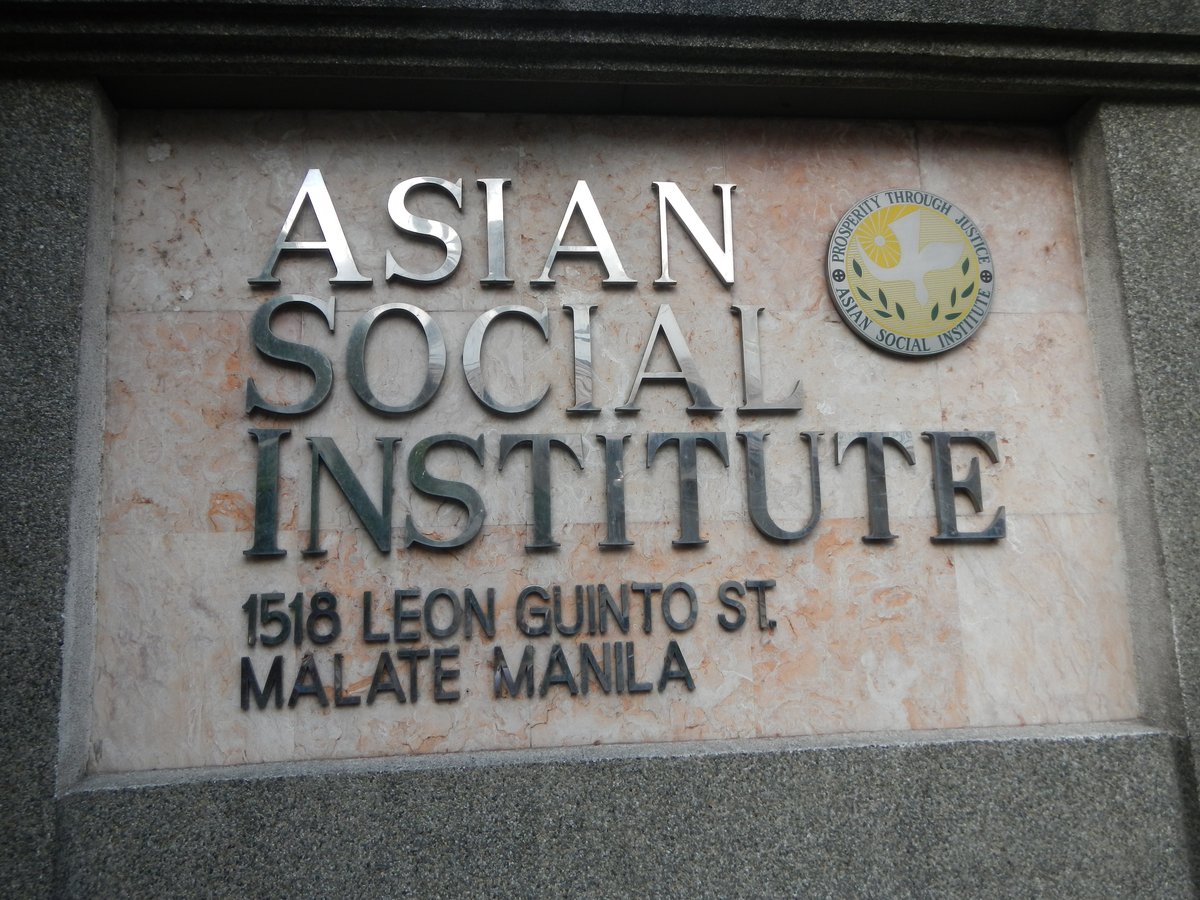
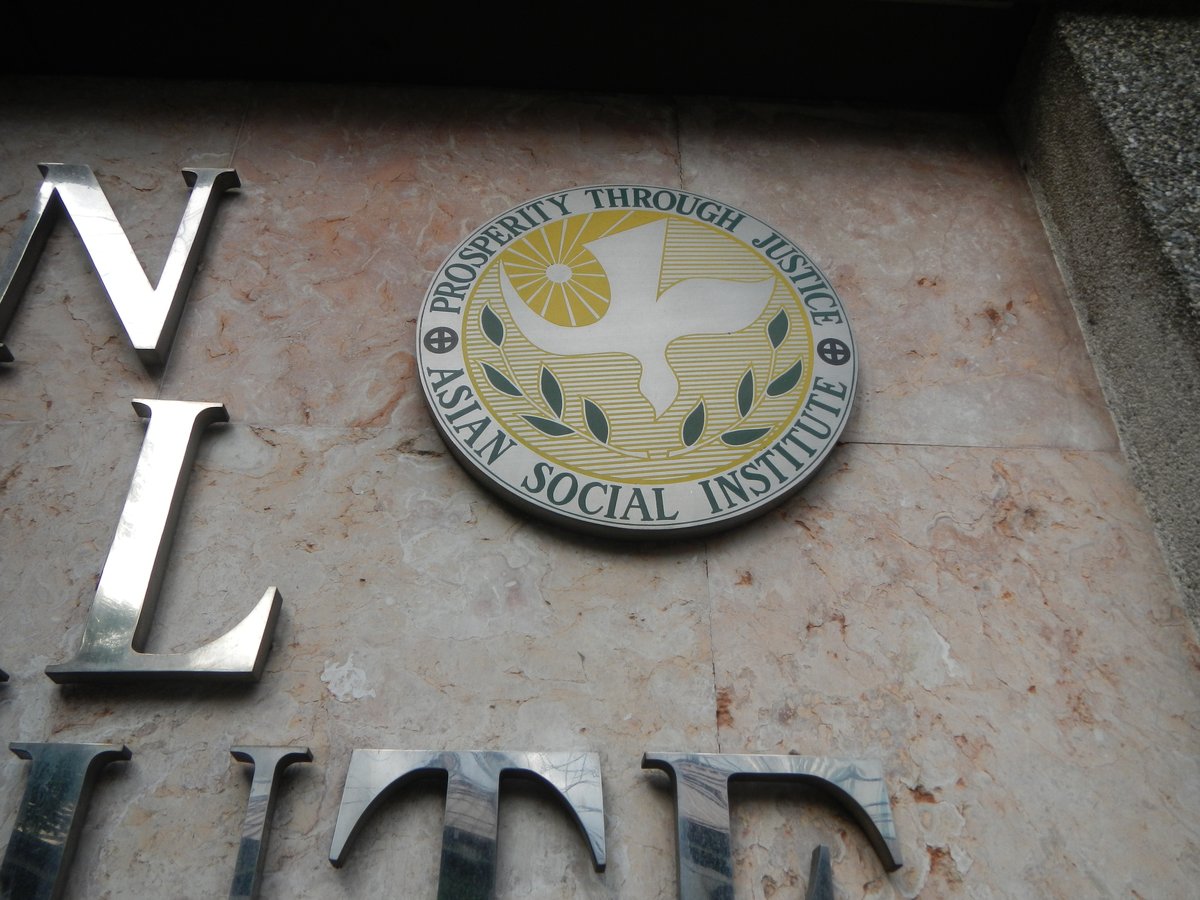
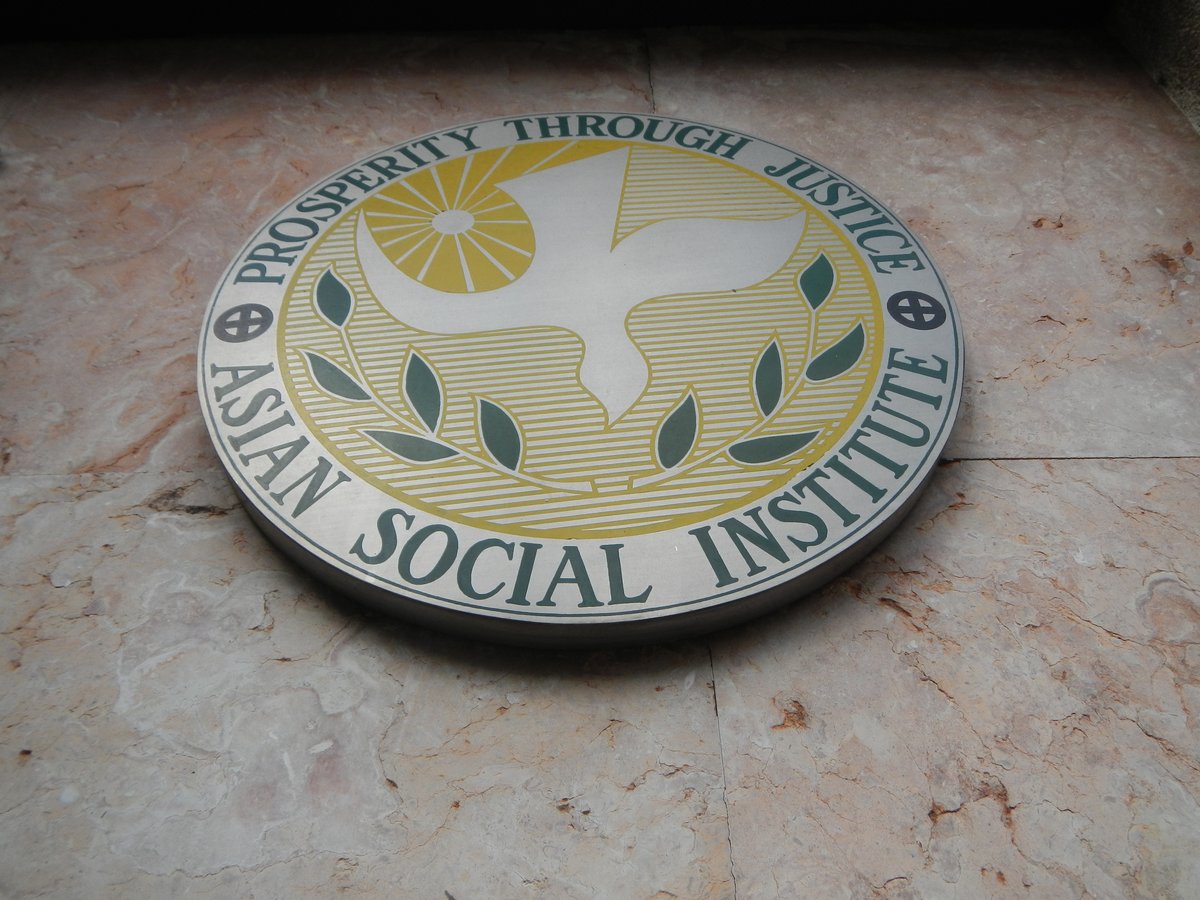
ASI was founded in 1962 by Fr. Francis Senden, a Dutch Catholic missionary, in response to the social challenges faced by the Filipino people. Its mission is to form leaders who empower grassroots communities, guided by Christian social teachings and Filipino-Asian values. For over six decades, ASI has specialized in graduate-level education in economics, sociology, social work, and social services, attracting students and professionals from across the region (ASI's History). Its vision remains focused on social transformation, sustainability, and bridging cultural, economic, and environmental divides.
Academic Programs and Community Engagement
ASI offers a range of graduate and diploma programs:
- Master in Social Services and Development (MSSD)
- Master of Science in Social Work (MSSW)
- International Diploma Course in Community Development (IDCCD)
These programs emphasize:
- Holistic, participatory approaches to community development
- Field immersion experiences in rural and urban poor communities
- A co-learning model bringing together faculty, students, partner agencies, and grassroots organizations
Community projects such as the “Co-Creating Sustainable Bio-Regional Communities” (CSBCom) program focus on food security, mangrove reforestation, and livelihood creation, supported by partners like Team Energy Foundation (CSBCom coverage).
Explore all programs at ASI Programs.
Visiting Information
Location & Accessibility
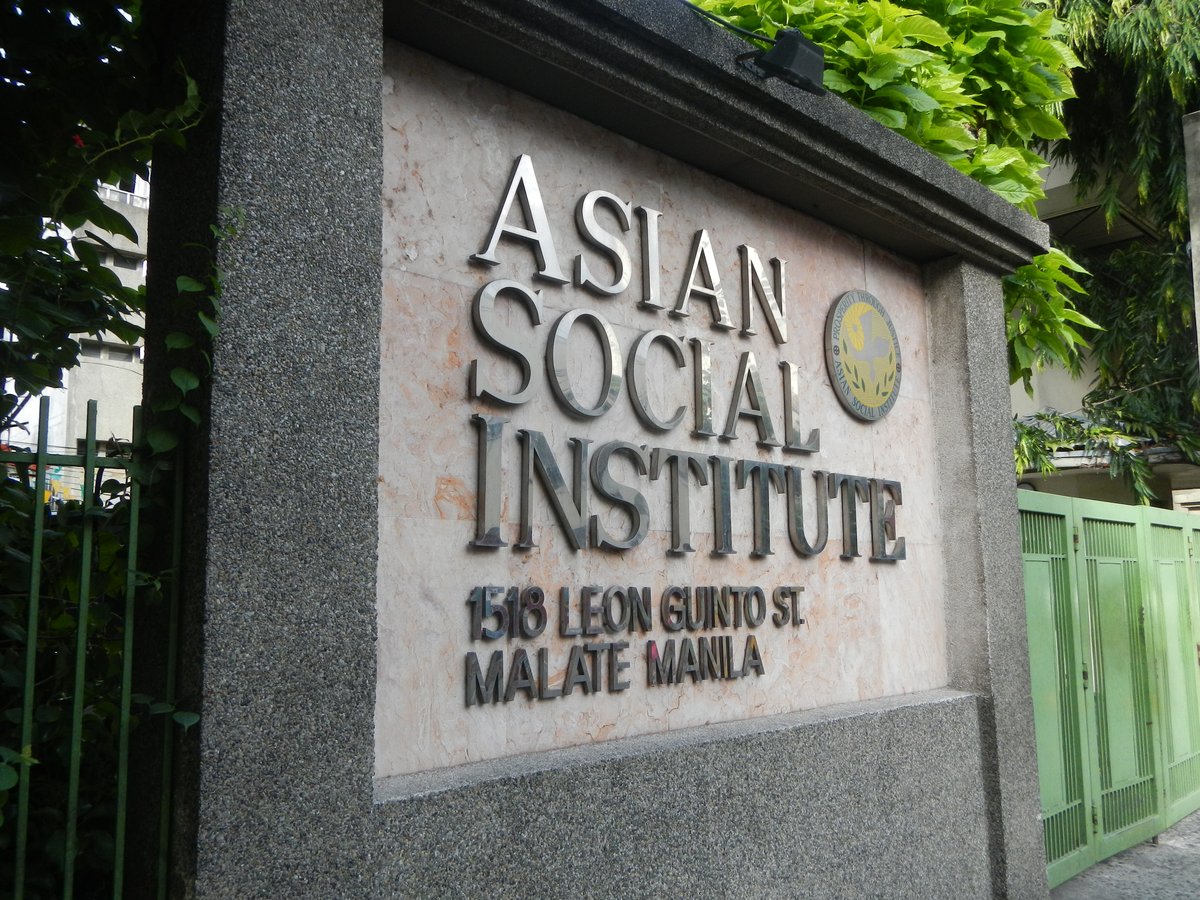
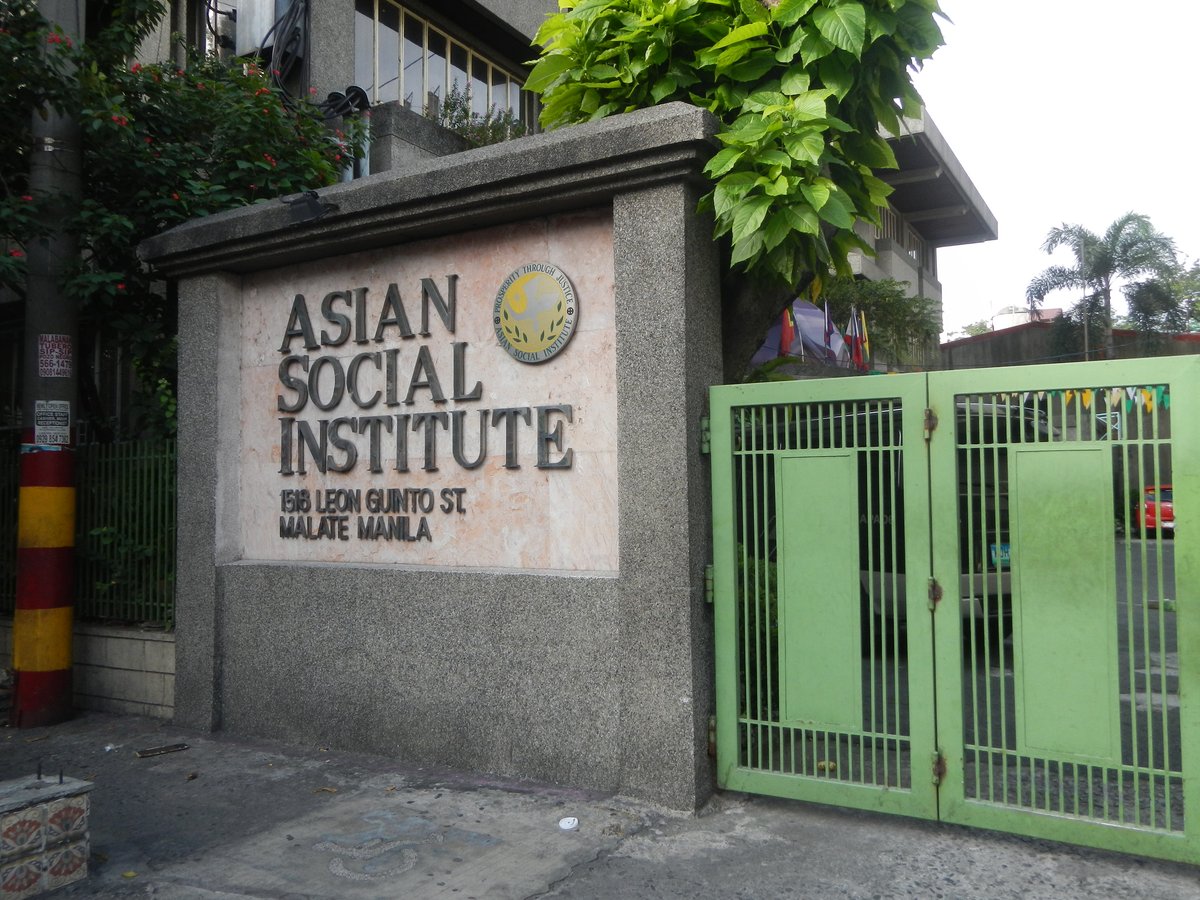
- Address 1518 Leon Guinto Street, Brgy 675, Paco, Manila, Philippines
- Contact +632 8523-8265 to 67 | [email protected]
- Website ASI Contact Page
ASI is easily accessible via public transportation (jeepneys, buses, LRT – Quirino Avenue station nearby) and ride-sharing services.
Visiting Hours
- Monday to Friday 8:00 AM – 5:00 PM
- Closed Weekends and public holidays
Advance arrangement is required for guided tours or meetings.
Admission & Guided Tours
- Admission Free for visitors interested in tours, academic collaborations, or community programs. Some special events may require prior registration.
- Tours Guided tours can be arranged in advance and typically include an overview of the campus, library visits, and opportunities to observe classes or public lectures (Book a tour).
Accessibility
- The campus is wheelchair accessible, with ramps and elevators.
- Visitors with disabilities are encouraged to arrange accommodations in advance.
Campus Facilities & Visitor Services
Academic & Community Spaces
- Lecture halls, seminar rooms, and faculty offices equipped for collaborative learning and interactive sessions.
- Communal areas for student organizations, outreach, workshops, and cultural events.
Sports & Recreation
- Athletic grounds and facilities support sports clubs and wellness programs.
Safety & Security
- 24-hour security personnel and surveillance systems.
- Visitors must register at the main entrance and may be asked for identification.
- The Paco neighborhood is generally safe during the day; standard urban precautions are advisable.
Highlights for Visitors
- Cultural Exhibits Periodic displays and exhibitions highlight ASI’s role in social development and the Filipino value of "Kapwa" (shared identity).
- Community Engagement Visitors can observe or participate in ongoing community projects such as the Urban Community Desk and Tent School.
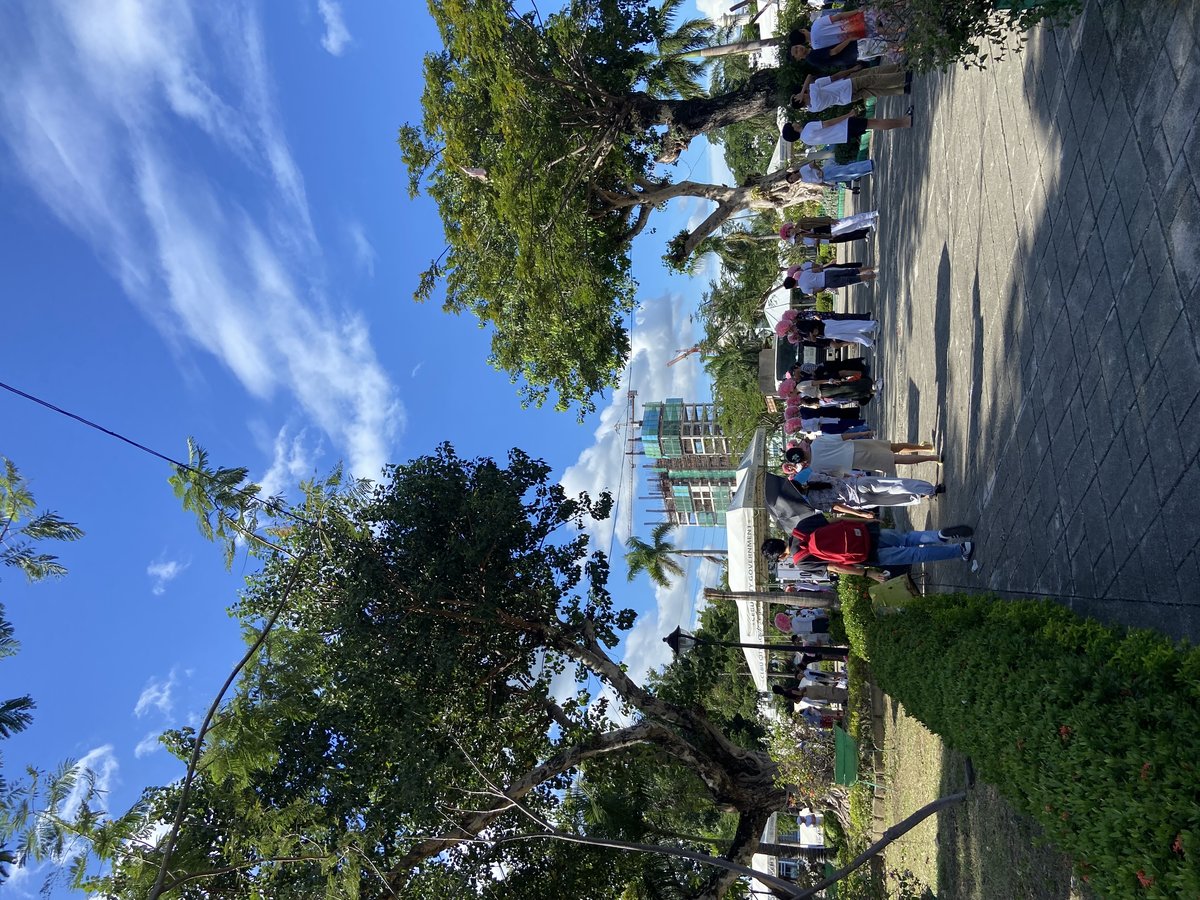
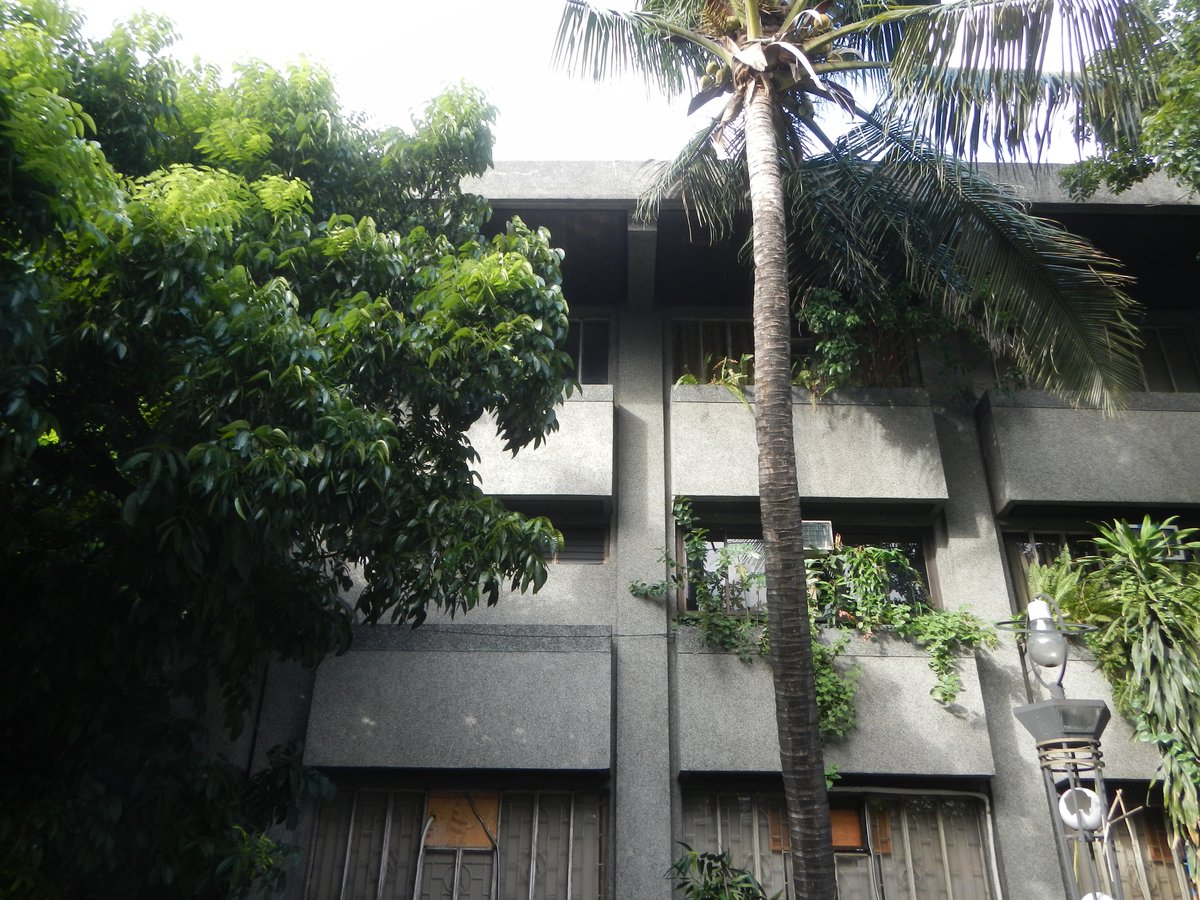
- Best Photo Spots Main academic building façade, library entrance, and landscaped communal areas.
Nearby Manila Historical Sites & Attractions
Make the most of your visit by exploring these nearby landmarks:
- Intramuros The historic walled city with Fort Santiago, Manila Cathedral, and colonial architecture.
- Rizal Park A national park dedicated to Dr. José Rizal.
- National Museum Complex Includes the National Museum of Fine Arts, Anthropology, and Natural History.
- Quiapo Church Famous for the Black Nazarene statue.
Malate and Ermita districts also offer diverse dining options and vibrant local markets.
Practical Travel Information
Transportation
- Public Transport Jeepneys, buses, and LRT (Quirino Ave. station, a short walk away).
- Taxi & Ride-Sharing Grab and other services are convenient and widely available.
- Parking Limited on campus; public transport is recommended.
Health & Entry Requirements
- Visa Many nationalities may enter the Philippines visa-free for up to 30 days. Travelers must register for an eTravel card within 72 hours before departure (Entry regulations).
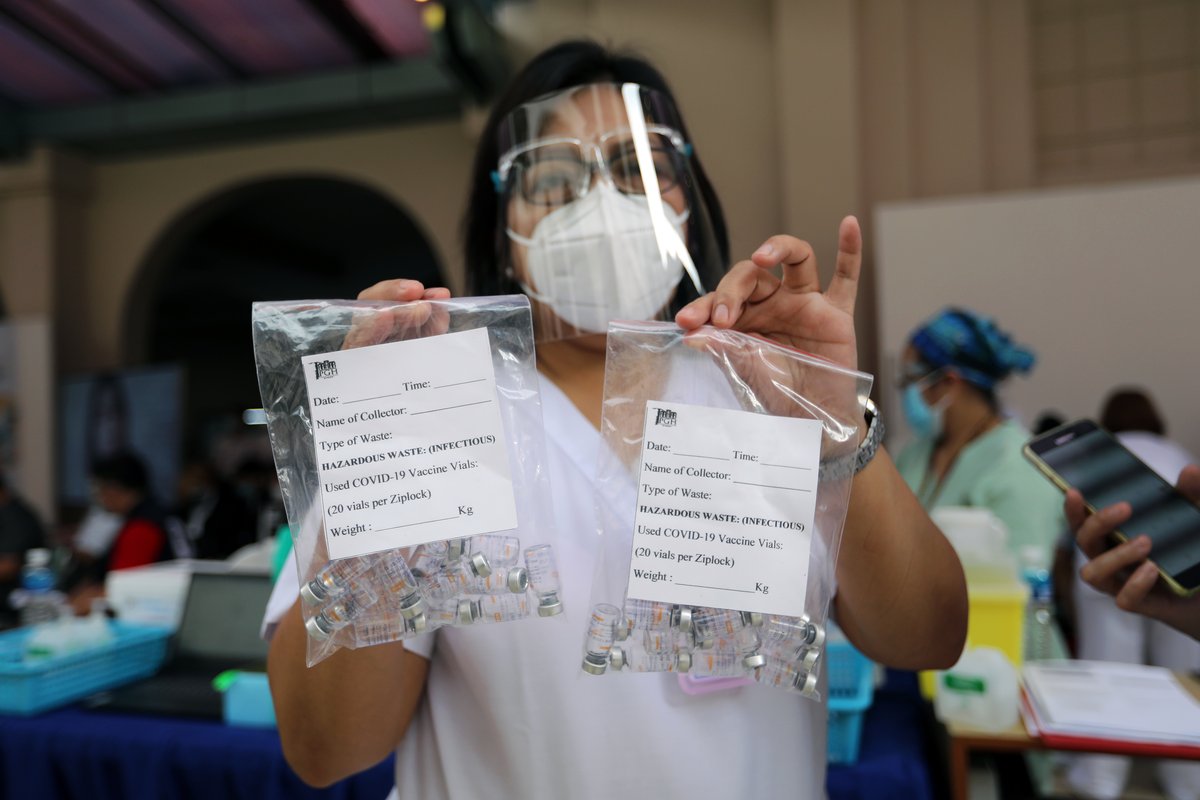
- Health As of June 2025, COVID-19 restrictions are lifted, but temperature screenings may occur.
Weather & Best Time to Visit
- June Wet season (24°C–32°C). Fewer crowds, lower accommodation rates, but expect frequent rain.
Accommodation & Dining
- Hotels Budget and mid-range options available in Malate and Ermita.
- Dining Enjoy Filipino cuisine such as adobo, sinigang, and halo-halo at local restaurants.
Frequently Asked Questions (FAQ)
Q: What are the ASI visiting hours?
A: Monday to Friday, 8:00 AM – 5:00 PM. Advance arrangement required.
Q: Is there an entrance fee or tickets required?
A: No entrance fee; some events may require registration.
Q: Are guided tours available?
A: Yes, by advance arrangement.
Q: Is the campus accessible for people with disabilities?
A: Yes, with ramps and elevators.
Q: Is parking available?
A: Limited parking; public transport or ride-sharing is suggested.
Q: How safe is the campus and surrounding area?
A: Secure with 24-hour surveillance; Paco is safe in daytime with standard precautions.
Discover More
Visiting the Asian Social Institute provides a unique, meaningful experience—offering insights into the Philippines’ journey toward inclusive social development and community empowerment. ASI’s accessible campus, innovative programs, and proximity to Manila’s historic sites make it a must-visit for anyone interested in education, culture, or social advocacy.
Plan your visit today!
- Arrange guided tours and stay updated on events via the ASI official website.
- Download the Audiala App for guided tours and cultural site info.
- Follow ASI and Audiala on social media for the latest updates and tips.