
Introduction
The coral-stone bell tower of Marilao's Parish Church of Saint John the Baptist rises above a town that most Manila-bound travelers know only as a blur along the North Luzon Expressway — yet this first-class municipality in Bulacan province, Philippines, has been quietly anchoring faith, commerce, and revolution along the MacArthur Highway for over four centuries. Just 22 kilometers north of the capital, Marilao carries the full weight of Bulacan's cultural reputation without any of the tourist infrastructure that might dilute it.
Bulacan calls itself the Hall of Arts and Culture, and the claim is not hollow. This is the province that produced Francisco Balagtas, whose epic poem Florante at Laura became a cornerstone of Tagalog literature. The Manila–Malolos road — the very route revolutionary forces marched in the 1890s toward the proclamation of the First Philippine Republic — runs straight through Marilao. Late nineteenth-century ancestral houses belonging to Ilustrado families still stand in several barangays, their capiz-shell windows and hardwood balconies testifying to a generation that bankrolled a nation's independence while maintaining impeccable taste in domestic architecture.
The Marilao River tells a harder story. Once the commercial artery that defined the town's economy and geography, it gained unwanted international attention in the 2000s as one of the Philippines' most polluted waterways — gold-ore processing and battery-cracking industries upstream in San Jose del Monte and Meycauayan had turned it toxic. Presidential proclamations and DENR cleanup campaigns followed. The river is slowly recovering, and fisherfolk communities along its banks still maintain traditional practices, but Marilao wears this scar honestly. It is a place where colonial grandeur, revolutionary pride, and industrial reality coexist without apology.
What visitors find here is not a curated heritage zone but a living municipality of roughly 270,000 people going about their business around a genuine Spanish-era plaza mayor. The public market hums with regional produce and Bulacan delicacies. The church bells still mark the hours. The traffic on MacArthur Highway never stops. Marilao does not perform its history — it simply hasn't finished using it.
SM CITY MARILAO, the First SM Supermall in Bulacan | 4K Walking Tour | Bulacan, Philippines
Walk And Drive With MePlaces to Visit
The Most Interesting Places in Marilao
Art in Island
Welcome to the ultimate guide for visiting Art In Island, an immersive and interactive 3D art museum located in Marilao, Philippines.
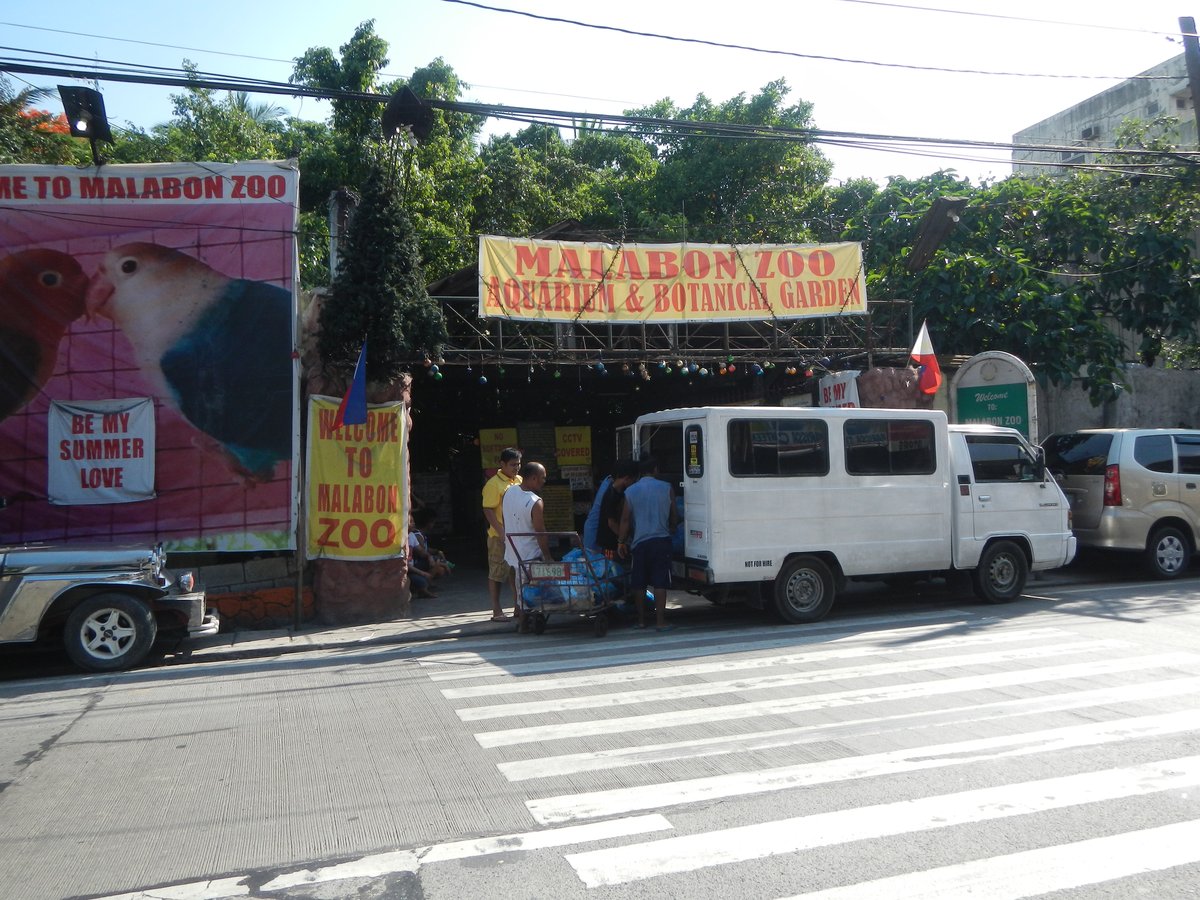
Malabon Zoo
The Malabon Zoo, Aquarium, and Botanical Garden, more commonly referred to as Malabon Zoo, is a captivating destination located in the heart of Malabon, Metro…

Kapitan Moy Residence
Marikina's shoe industry is said to have started in this house in 1887, where a family residence became a school, a cultural center, and a city memory.
National Shrine of the Divine Mercy
The National Shrine of the Divine Mercy, located in Barangay Sta.
What Makes This City Special
Colonial Stone and Faith
The Parish Church of Saint John the Baptist anchors the town with coral-stone walls and a freestanding 18th-century bell tower — a declared Cultural Property of the Philippines whose Baroque retablos survived centuries of typhoons and wars. Stand in the plaza at dusk when the bells ring and the light turns the façade amber.
Revolution Road
Marilao sits on the historic Manila–Malolos corridor, the route marched by revolutionary forces who would proclaim the First Philippine Republic in 1899 just 25 km north. Bulacan province produced so many intellectuals and patriots that its cultural weight far exceeds its modest geography.
A River's Reckoning
The Marilao River once powered commerce and fed families; by the 2000s it ranked among the Philippines' most polluted waterways. Ongoing DENR rehabilitation campaigns are slowly turning this cautionary tale toward something more hopeful — an environmental story worth witnessing firsthand.
Ilustrado Traces
Scattered across several barangays, late 19th-century ancestral houses recall the wealthy, educated Bulaqueño families who bankrolled ideas and revolution. These wooden-and-stone homes aren't museums — they're still lived in, their capiz-shell windows open to the street.
Photo Gallery
Explore Marilao in Pictures

A vibrant street scene in Marilao, Philippines, captures the daily bustle of local commuters, tricycles, and motorcycles set against a backdrop of dense urban infrastructure.
Ramon FVelasquez · cc by-sa 3.0

A view of the public plaza in Marilao, Philippines, featuring a prominent arched stage structure and local residents gathering in the late afternoon.
Ramon FVelasquez · cc by-sa 3.0

Two young children pose for a photo on a street in Marilao, Philippines, with a motorcycle and local signage in the background.
Judgefloro · cc0

The official municipal seal of Marilao, Bulacan, displayed on a blue wall, representing the town's agricultural heritage.
Judgefloro · cc by-sa 4.0

A bustling intersection in Marilao, Philippines, captures the vibrant daily life, local architecture, and heavy traffic typical of the region.
Ramon FVelasquez · cc by-sa 3.0

A traffic enforcer directs vehicles on a bustling street in Marilao, Philippines, surrounded by local shops and iconic jeepneys.
Ramon FVelasquez · cc by-sa 3.0

A black pickup truck decorated with funeral flowers leads a procession in Marilao, Philippines, set against a backdrop of local architecture and bright daylight.
Beeveevee · cc by-sa 4.0

A typical busy street scene in Marilao, Philippines, featuring local commuters on motorcycles navigating past a truck and a bridge.
Judgefloro · cc0

Two youths pose for a photo on a concrete walkway in Marilao, Philippines, set against a backdrop of weathered stone stairs and tropical greenery.
Judgefloro · cc0

Motorcyclists navigate a bustling intersection in Marilao, Philippines, passing by local businesses and a Honda service center under a bright, cloudy sky.
Ramon FVelasquez · cc by-sa 3.0

A view of a bridge in Marilao, Philippines, showing local traffic including a tricycle and a vintage car under a bright, cloudy sky.
Judgefloro · cc by-sa 3.0

A clear view of expressway signage and local traffic along a road in Marilao, Philippines.
Judgefloro · cc by-sa 3.0
Videos
Watch & Explore Marilao
SM City Marilao Update 2022 | The First SM Mall in Bulacan Philippines | Walking Tour 4K
A LOVELY WALK at Meralco Residence Marilao Bulacan Philippines [4K] 🇵🇭
FAMOUS STREET FOOD IN MARILAO BULACAN, PHILIPPINES
Practical Information
Getting There
Ninoy Aquino International Airport (MNL) in Metro Manila is the nearest major hub, roughly 30–45 km south depending on which terminal. Clark International Airport (CRK) in Pampanga is about 70 km north and increasingly serves international routes. From Manila, take the North Luzon Expressway (NLEX) and exit at Marilao — the drive is 30–60 minutes outside rush hour, though traffic on MacArthur Highway through Bulacan can double that.
Getting Around
Marilao has no rail system; the nearest MRT/LRT stations are in northern Metro Manila (MRT-3 North Avenue or LRT-1 Roosevelt), from which you'd take a bus or van north. Locally, jeepneys and tricycles are the standard — tricycle fares run ₱15–30 for short hops within town. Provincial buses (Baliwag Transit, Five Star) ply MacArthur Highway connecting Marilao to Manila and points north in Bulacan.
Climate & Best Time
Marilao shares Central Luzon's tropical climate: a dry season from November to May (30–36°C) and a wet season from June to October with heavy monsoon rains and occasional typhoons. The most comfortable window is December through February, when temperatures dip to 24–30°C and humidity relents slightly. Avoid August–September if possible — flooding along the Marilao River basin can disrupt travel.
Language & Currency
Filipino (Tagalog) is the daily language, with the distinct Bulacan Tagalog accent — softer vowels, older vocabulary. English is widely understood, especially in commercial areas along MacArthur Highway. Currency is the Philippine Peso (PHP); ATMs are available at malls and banks in town, though carrying cash for market visits and tricycle rides is essential.
Where to Eat
Don't Leave Without Trying
Gerry's SM Marilao (Gerry's Grill)
local favoriteOrder: Grilled pusit (squid) and sizzling sisig — the sisig is smoky, fatty, and comes out crackling on a cast-iron plate. Add a round of kare-kare if you're with a group.
Nearly 3,700 reviews at 4.9 stars doesn't happen by accident — this is the clear top table in Marilao, and it earns every star. The Filipino seafood and pulutan spread makes it the automatic choice for celebrations, reunions, and anyone who wants a proper sit-down meal rather than mall food.
Twenty Fifth Cafe
cafeOrder: Their signature coffee drinks and whatever's on the specials board — this is a place where someone actually cares about what's in the cup.
The best-kept secret in Marilao — a neighborhood cafe with a near-perfect 4.9 that opens at 1 PM and runs until midnight, making it the town's de facto late-night hangout. No mall, no chain, no corporate aesthetic: just a genuinely good local spot that people come back to.
Eufrocina's Cafe - Marilao Bulacan Branch
local favoriteOrder: Ask what's fresh that day — the menu moves with the kitchen. This is the kind of place where the daily special is the point.
A 4.9-rated neighborhood cafe on Sandico Street that runs on repeat customers and word of mouth. No Instagram campaign, no mall anchor — just a community cafe that earns its stars through quiet consistency. The Sandico Street location puts it steps from Twenty Fifth Cafe, making this stretch worth a dedicated walk.
Cộng Cà Phê - SM Marilao
cafeOrder: Cà phê trứng (Vietnamese egg coffee) — rich, creamy, a little weird, entirely worth it. The coconut coffee is the safer entry point if egg coffee sounds alarming.
A Vietnamese cafe chain that landed in SM Marilao's New Wing and immediately stood out. The aesthetic is all Hanoi propaganda-poster retro, the coffee is genuinely different from every other option in the mall, and the 4.8 rating from locals who know their coffee says everything.
Krispy Kreme
quick biteOrder: Original Glazed, warm — when the HOT NOW sign is lit, drop whatever you're doing. The coffee is secondary; the doughnut is the reason.
The only 24-hour food option in the Marilao area, which earns it a permanent place in the local rotation for late-night cravings, early highway departures, and anyone who works a non-standard schedule. 820 reviews at 4.5 on a doughnut shop tells you people aren't here by accident.
J.CO Donuts & Coffee - SM City Marilao
cafeOrder: Al Capone (glazed with almond flakes) or the Avocado DiCaprio — both are lighter and more interesting than anything at a standard donut chain. Pair with a JCOCCINO.
Indonesia's answer to Krispy Kreme does things differently: the donuts are less sweet, more delicate, and the flavors rotate creatively. The coffee is a genuine step up from the standard mall-chain offering, and the 4.4 from nearly 300 reviews confirms this isn't just novelty traffic.
Kenny Rogers Roasters - SM City Marilao
quick biteOrder: Quarter chicken with mashed potato and a corn muffin — the muffin is famous for a reason. Add coleslaw if you want the full classic set.
Kenny Rogers Roasters is beloved in the Philippines in a way that genuinely baffles outsiders, and for good reason — the rotisserie chicken is moist and well-seasoned, the sides are generous, and the corn muffin has achieved something close to cultural icon status in this country.
McDonald's SM Marilao
quick biteOrder: McSpaghetti with a Chicken McDo and garlic rice — the Filipino-style spaghetti is sweeter than anything you'd find in the West, topped with hotdog slices, and genuinely addictive once you stop comparing it to Italian.
Philippine McDonald's runs a genuinely different menu from the global chain, and the local adaptations — rice meals, McSpaghetti, Chicken McDo with gravy — are worth trying at least once as a cultural experience. The 651 reviews confirm it's pulling serious daily volume.
Shakey's Pizza Parlor - SM City Marilao
quick biteOrder: Mojos — the crispy potato rounds are non-negotiable and have their own devoted following. Pair with a thin-crust Manager's Choice pizza for the full Shakey's experience.
Shakey's is a Philippine institution that punches well above its chain-restaurant weight, and the Mojos alone have cult status. It's the reliable family destination after SM shopping when everyone has a different opinion about where to eat — Shakey's is always the compromise that actually works.
Cafe France
cafeOrder: Ensaymada, pan de sal, and coffee — come at 6 AM when the bread is fresh from the oven and the rest of Marilao hasn't started moving yet.
French in name only, but genuinely useful — it opens earlier than anything else in the area and serves the classic Filipino bakery spread (ensaymada, pan de sal, cheese bread) with a slight European flourish. The highway location makes it a natural first stop before a long drive north.
Bonchon Chicken - SM Marilao
quick biteOrder: Double-fried soy-garlic wings on your first visit — the soy-garlic glaze is more nuanced than the spicy, and the double-fry technique produces a crunch that holds up while you eat.
Bonchon's signature double-frying method delivers the crispiest fried chicken in any SM food court, and Korean fried chicken in the Philippines has found a very receptive audience. If the queue at the other chicken spots looks long, this is the move.
Pizza Hut
quick biteOrder: Personal pan pizza — the smaller format is more consistent than the large pies, and the cheesy bites crust is the one variation that actually improves on the base.
The backup option when Shakey's has a 30-minute wait, and a reliable one at that. The SM Marilao location is well-run, and the personal pan format lets solo diners eat well without committing to a full pie.
Dining Tips
- check Cash is essential — carinderias, street food vendors, and the public market are cash-only; GCash is accepted at most SM tenants as a digital alternative
- check Noon is sacred — lunch runs 12:00–1:00 PM sharp and SM restaurants queue hard during this window; eat at 11:30 or after 1:30 to skip the rush
- check Merienda is a real meal — the 3:00–4:00 PM snack break is culturally embedded; carinderias restock and panaderyas pull fresh bread at this hour
- check No reservations anywhere — walk-in is universal throughout Marilao; showing up and waiting is the only system
- check Tipping is optional, not expected — skip it at fast food and carinderias; 10% is appreciated (not required) at Gerry's Grill and sit-down spots
- check The public market rewards early risers — fresh kakanin, tapsilog, and the best carinderia spreads are morning-only; arrive before 9 AM
- check Carinderia ordering: point at what you want (turo-turo = point-point), specify how much rice, pay after eating — the whole transaction takes under 90 seconds
- check McArthur Highway stalls are best browsed on weekends — chicharon vendors and pasalubong shops along the highway corridor do their best business Saturday–Sunday
Restaurant data powered by Google
Tips for Visitors
Bus from Manila
Buses from Cubao (EDSA) and Monumento (Caloocan) drop passengers along MacArthur Highway in Marilao for under ₱50; the ride takes 45–90 minutes depending on traffic. Driving via NLEX takes around 30 minutes in light traffic — exit at Bocaue or Marilao.
Dress for the Church
Saint John the Baptist Parish is an active worship site — cover shoulders and knees, and avoid entering during Mass if you're sightseeing. Weekday mornings before 9am are quietest for studying the colonial interior, antique retablos, and the 18th-century freestanding bell tower.
Time It Right
November through February is the most comfortable window — dry, with temperatures around 24–28°C. March to May stays dry but climbs above 34°C; June to October brings typhoon-season rains that can flood low-lying barangays near the river.
Market Before 8am
Marilao Public Market is liveliest — and freshest — before 8am, when vendors bring in produce, dried fish, and local kakanin (rice cakes). Arrive after 10am and much of the interesting stock is already gone.
Come for the Fiesta
June 24, the Feast of Saint John the Baptist, is Marilao's biggest annual event — street processions, live music, and food stalls transform the colonial plaza for several days. It falls at the start of the rainy season, so pack an umbrella.
Read the River Carefully
The Marilao River carries significant pollution from battery-cracking and ore-processing industries upstream — don't wade in it. It's best understood as a living document of industrial Philippines: once a trading artery, now the subject of ongoing DENR rehabilitation.
Explore the city with a personal guide in your pocket
Your Personal Curator, in Your Pocket.
Audio guides for 1,100+ cities across 96 countries. History, stories, and local insight — offline ready.
Audiala App
Available on iOS & Android
Join 50k+ Curators
Frequently Asked
Is Marilao worth visiting? add
For most tourists, Marilao is a half-day stop rather than a destination in itself. The 17th-century Saint John the Baptist Church is a genuine colonial gem, and the town sits on the historic Manila–Malolos road central to the Philippine Revolution. If you're already in Bulacan province, it earns a couple of hours.
How many days do you need in Marilao? add
Half a day covers the main sights comfortably. The church and bell tower, town plaza, and public market can all be seen in 2–3 hours. Most visitors combine Marilao with nearby Malolos — the First Philippine Republic capital, 25 km north — for a full-day Bulacan itinerary.
How do you get to Marilao from Manila? add
By bus from Cubao or Monumento, alight along MacArthur Highway — under ₱50, 45–90 minutes. By car via NLEX, roughly 30 minutes in light traffic; exit at Bocaue or Marilao. Jeepneys also connect from nearby Meycauayan and Bulacan town.
Is Marilao safe for tourists? add
Marilao is a busy working municipality rather than a tourist town, but visitor safety is generally not a concern in the town center and church area. Standard urban precautions apply — watch your belongings at the market. Avoid the riverbanks, which have informal settlement areas.
What is Marilao known for? add
Marilao is best known for its Spanish colonial-era Saint John the Baptist Parish Church, declared a Cultural Property of the Philippines by the NHCP. It also gained international attention in the 2000s when the Marilao River was listed among the world's most polluted waterways due to upstream industrial runoff.
What is the best time to visit Marilao? add
November to February is the dry, cooler season — temperatures hover around 24–28°C and rain is rare. June 24 (Feast of Saint John the Baptist) is the cultural highlight of the year, though it coincides with the start of typhoon season. Avoid March–May if you're sensitive to heat.
Is the Marilao River still polluted? add
The river has been subject to major DENR rehabilitation programs since the late 2000s, with some documented improvement. However, as of the most recent reporting it still faces significant contamination from legacy battery-cracking and ore-processing industries. Do not use it for swimming or fishing for personal consumption.
Sources
- verified National Historical Commission of the Philippines (NHCP) — Registry of Cultural Properties, including the Saint John the Baptist Parish Church of Marilao
- verified Philippine Statistics Authority — Marilao Municipal Profile — Population data, barangay count, land area, and classification for Marilao, Bulacan
- verified Department of Environment and Natural Resources — Marilao River Rehabilitation — Documentation of cleanup campaigns and pollution assessments for the Marilao-Meycauayan-Obando river system
Last reviewed: