


Place
Marilao
Philippines Updated Mar 2026
The coral-stone bell tower of Marilao's Parish Church of Saint John the Baptist rises above a town that most Manila-bound travelers know only as a blur along the North Luzon Expressway — yet this first-class municipality in Bulacan province, Philippines, has been quietly anchoring faith, commerce, and revolution along the MacArthur Highway for over four centuries. Just 22 kilometers north of the capital, Marilao carries the full weight of Bulacan's cultural reputation without any of the tourist infrastructure that might dilute it.
 Photo: Roderick Salatan / Pexels
- Attractions
- 4
- Audio
- 14 min
- Trip length
- Half day
- Best season
- Dry season (November–February)
Why Marilao
Built from cited sources · see the method · How we make our guides →
Bulacan calls itself the Hall of Arts and Culture, and the claim is not hollow. This is the province that produced Francisco Balagtas, whose epic poem Florante at Laura became a cornerstone of Tagalog literature. The Manila–Malolos road — the very route revolutionary forces marched in the 1890s toward the proclamation of the First Philippine Republic — runs straight through Marilao. Late nineteenth-century ancestral houses belonging to Ilustrado families still stand in several barangays, their capiz-shell windows and hardwood balconies testifying to a generation that bankrolled a nation's independence while maintaining impeccable taste in domestic architecture.
The Marilao River tells a harder story. Once the commercial artery that defined the town's economy and geography, it gained unwanted international attention in the 2000s as one of the Philippines' most polluted waterways — gold-ore processing and battery-cracking industries upstream in San Jose del Monte and Meycauayan had turned it toxic. Presidential proclamations and DENR cleanup campaigns followed. The river is slowly recovering, and fisherfolk communities along its banks still maintain traditional practices, but Marilao wears this scar honestly. It is a place where colonial grandeur, revolutionary pride, and industrial reality coexist without apology.
What visitors find here is not a curated heritage zone but a living municipality of roughly 270,000 people going about their business around a genuine Spanish-era plaza mayor. The public market hums with regional produce and Bulacan delicacies. The church bells still mark the hours. The traffic on MacArthur Highway never stops. Marilao does not perform its history — it simply hasn't finished using it.
Colonial Stone and Faith
The Parish Church of Saint John the Baptist anchors the town with coral-stone walls and a freestanding 18th-century bell tower — a declared Cultural Property of the Philippines whose Baroque retablos survived centuries of typhoons and wars. Stand in the plaza at dusk when the bells ring and the light turns the façade amber.Revolution Road
Marilao sits on the historic Manila–Malolos corridor, the route marched by revolutionary forces who would proclaim the First Philippine Republic in 1899 just 25 km north. Bulacan province produced so many intellectuals and patriots that its cultural weight far exceeds its modest geography.A River's Reckoning
The Marilao River once powered commerce and fed families; by the 2000s it ranked among the Philippines' most polluted waterways. Ongoing DENR rehabilitation campaigns are slowly turning this cautionary tale toward something more hopeful — an environmental story worth witnessing firsthand.Ilustrado Traces
Scattered across several barangays, late 19th-century ancestral houses recall the wealthy, educated Bulaqueño families who bankrolled ideas and revolution. These wooden-and-stone homes aren't museums — they're still lived in, their capiz-shell windows open to the street.
Places to Visit
Not every monument, just the ones we'd walk you past ourselves.
-
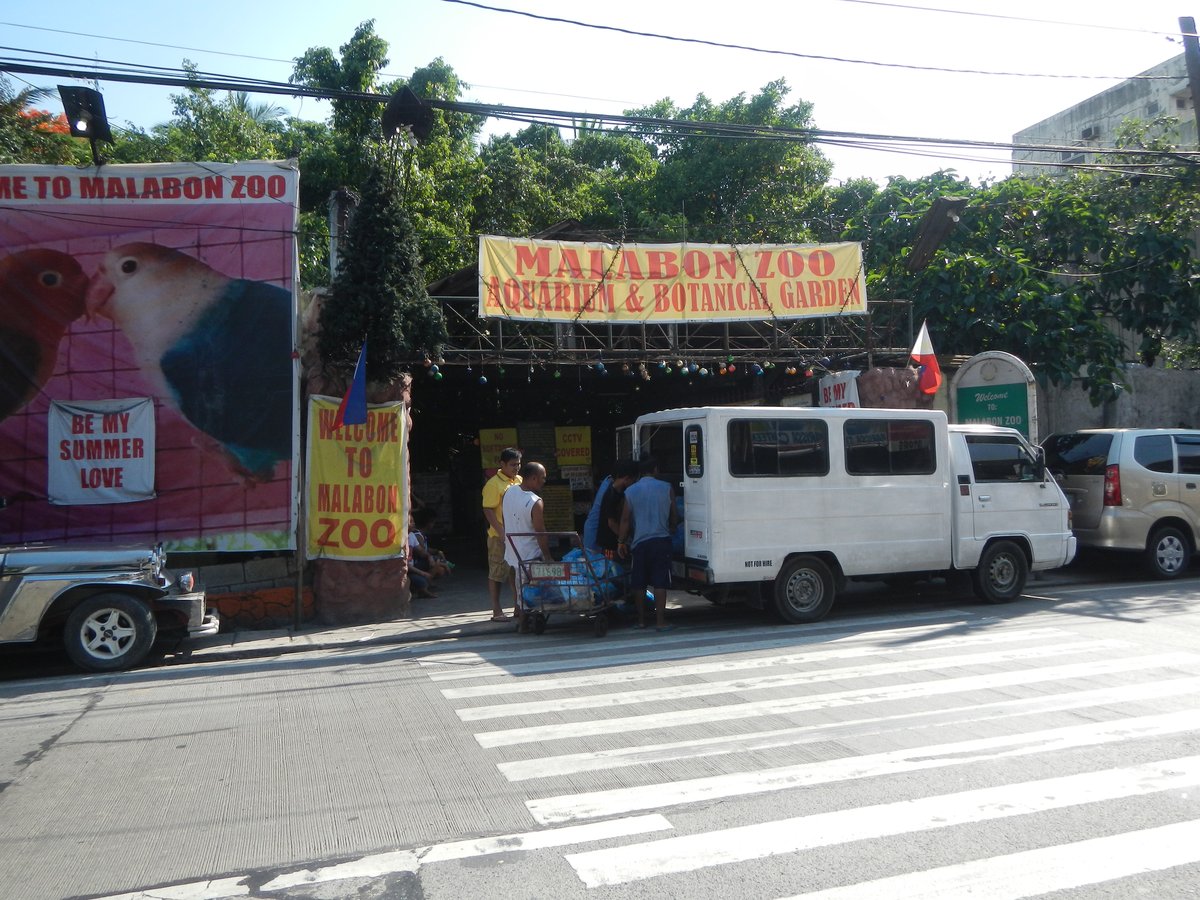
Malabon Zoo The Malabon Zoo, Aquarium, and Botanical Garden, more commonly referred to as Malabon Zoo, is a captivating destination located in the heart of Malabon, Metro…
-
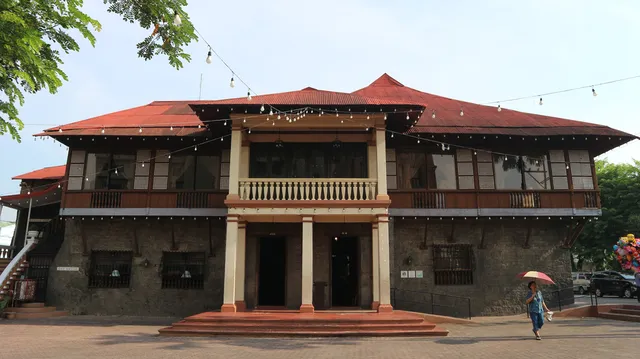
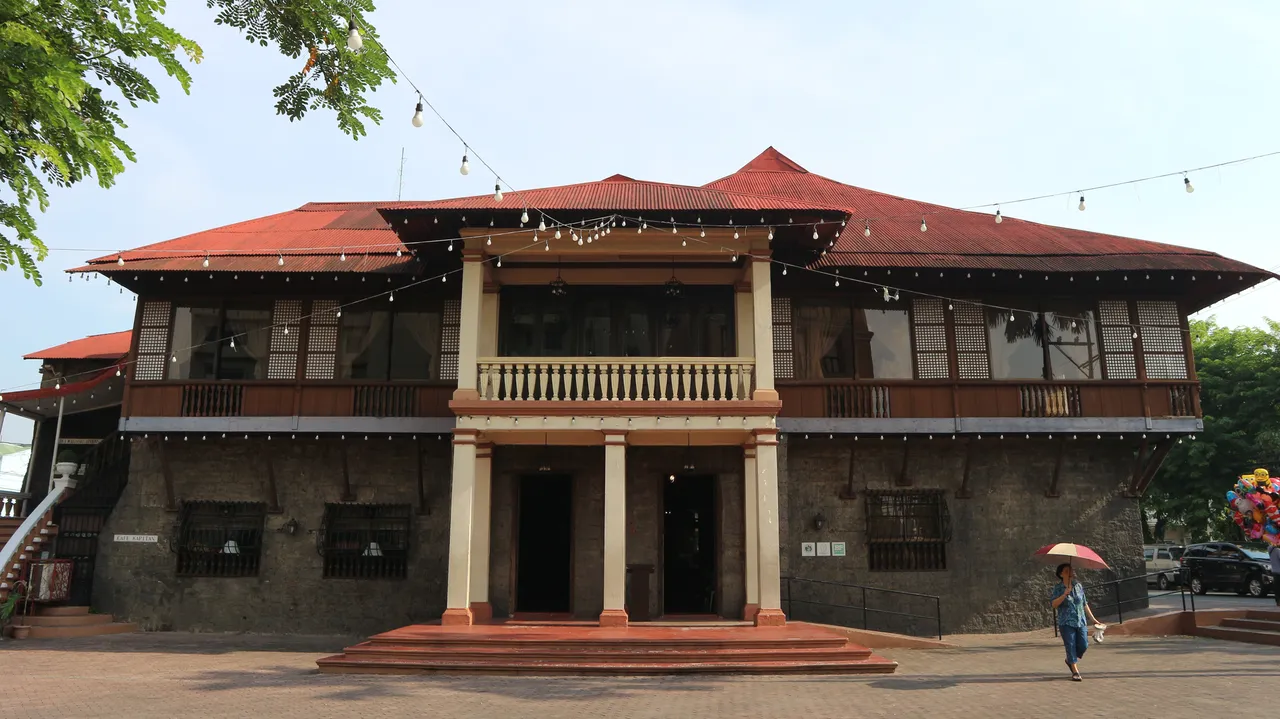
Kapitan Moy Residence Marikina's shoe industry is said to have started in this house in 1887, where a family residence became a school, a cultural center, and a city memory.
- Art in Island Welcome to the ultimate guide for visiting Art In Island, an immersive and interactive 3D art museum located in Marilao, Philippines.
- National Shrine of the Divine Mercy The National Shrine of the Divine Mercy, located in Barangay Sta.
- Ali Mall Ali Mall, located in the vibrant Marilao, Bulacan, Philippines, is more than just a shopping destination—it's a significant cultural and historical landmark.
Neighborhoods
Where to wander, by quarter — each with its own rhythm.
Poblacion (Town Center)
The civic and spiritual heart of Marilao clusters around the Parish Church of Saint John the Baptist and the colonial-era plaza mayor. This is where the freestanding 18th-century bell tower anchors a streetscape of the municipal hall, Kaunlaran Park, and the bustling public market. Morning mass lets out into the smell of fresh pandesal and vendors setting up stalls. Everything important in Marilao — fiestas, processions, political rallies — happens within a few hundred meters of this square.Marilao River Barangays
The barangays lining the Marilao and Pasak rivers preserve what remains of the town's riparian identity. Fisherfolk families maintain traditional practices along the banks despite decades of environmental strain. Walking these quieter residential streets offers a glimpse of a community whose relationship with water is complicated but unbroken — rehabilitated stretches now show patches of recovery where egrets have returned alongside the laundry lines.MacArthur Highway Corridor
The old national road slices through Marilao's commercial spine, lined with hardware stores, auto shops, eateries, and the particular organized chaos of a Philippine highway town. This is where the municipality earns its first-class income classification — industrial and commercial activity runs hot along this strip. Jeepneys and tricycles jostle for lane space, and the roadside carinderias serve some of the most honest tapa and longsilog in the province.Ancestral House Districts
Scattered across several inland barangays, clusters of late 19th-century Ilustrado-class homes survive in varying states of preservation. These are not museum pieces but family residences, their carved wooden eaves and iron grillwork still sheltering descendants of the educated Bulaqueño families who shaped the Philippine Revolution. Access is informal — a respectful inquiry at the gate sometimes earns an invitation inside.
Plan your trip
Before you go
- Getting There
- Ninoy Aquino International Airport (MNL) in Metro Manila is the nearest major hub, roughly 30–45 km south depending on which terminal. Clark International Airport (CRK) in Pampanga is about 70 km north and increasingly serves international routes. From Manila, take the North Luzon Expressway (NLEX) and exit at Marilao — the drive is 30–60 minutes outside rush hour, though traffic on MacArthur Highway through Bulacan can double that.
- Getting Around
- Marilao has no rail system; the nearest MRT/LRT stations are in northern Metro Manila (MRT-3 North Avenue or LRT-1 Roosevelt), from which you'd take a bus or van north. Locally, jeepneys and tricycles are the standard — tricycle fares run ₱15–30 for short hops within town. Provincial buses (Baliwag Transit, Five Star) ply MacArthur Highway connecting Marilao to Manila and points north in Bulacan.
- Climate & Best Time
- Marilao shares Central Luzon's tropical climate: a dry season from November to May (30–36°C) and a wet season from June to October with heavy monsoon rains and occasional typhoons. The most comfortable window is December through February, when temperatures dip to 24–30°C and humidity relents slightly. Avoid August–September if possible — flooding along the Marilao River basin can disrupt travel.
- Language & Currency
- Filipino (Tagalog) is the daily language, with the distinct Bulacan Tagalog accent — softer vowels, older vocabulary. English is widely understood, especially in commercial areas along MacArthur Highway. Currency is the Philippine Peso (PHP); ATMs are available at malls and banks in town, though carrying cash for market visits and tricycle rides is essential.
Where to Eat
Where locals actually book dinner — not the tourist menus.
Insider tips
Small things that change how the city treats you.
Bus from Manila
Buses from Cubao (EDSA) and Monumento (Caloocan) drop passengers along MacArthur Highway in Marilao for under ₱50; the ride takes 45–90 minutes depending on traffic. Driving via NLEX takes around 30 minutes in light traffic — exit at Bocaue or Marilao.Dress for the Church
Saint John the Baptist Parish is an active worship site — cover shoulders and knees, and avoid entering during Mass if you're sightseeing. Weekday mornings before 9am are quietest for studying the colonial interior, antique retablos, and the 18th-century freestanding bell tower.Time It Right
November through February is the most comfortable window — dry, with temperatures around 24–28°C. March to May stays dry but climbs above 34°C; June to October brings typhoon-season rains that can flood low-lying barangays near the river.Market Before 8am
Marilao Public Market is liveliest — and freshest — before 8am, when vendors bring in produce, dried fish, and local kakanin (rice cakes). Arrive after 10am and much of the interesting stock is already gone.Come for the Fiesta
June 24, the Feast of Saint John the Baptist, is Marilao's biggest annual event — street processions, live music, and food stalls transform the colonial plaza for several days. It falls at the start of the rainy season, so pack an umbrella.Read the River Carefully
The Marilao River carries significant pollution from battery-cracking and ore-processing industries upstream — don't wade in it. It's best understood as a living document of industrial Philippines: once a trading artery, now the subject of ongoing DENR rehabilitation.
Gallery
The city, as it actually looks.


Watch
-
Walk And Drive With Me SM CITY MARILAO, the First SM Supermall in Bulacan | 4K Walking Tour | Bulacan, Philippines
-
The Stroll Guys SM City Marilao Update 2022 | The First SM Mall in Bulacan Philippines | Walking Tour 4K
-
LarryPH WALKING A LOVELY WALK at Meralco Residence Marilao Bulacan Philippines [4K] 🇵🇭
-
BerCon TV FAMOUS STREET FOOD IN MARILAO BULACAN, PHILIPPINES
Frequently asked
Is Marilao worth visiting?
For most tourists, Marilao is a half-day stop rather than a destination in itself. The 17th-century Saint John the Baptist Church is a genuine colonial gem, and the town sits on the historic Manila–Malolos road central to the Philippine Revolution. If you're already in Bulacan province, it earns a couple of hours.
How many days do you need in Marilao?
Half a day covers the main sights comfortably. The church and bell tower, town plaza, and public market can all be seen in 2–3 hours. Most visitors combine Marilao with nearby Malolos — the First Philippine Republic capital, 25 km north — for a full-day Bulacan itinerary.
How do you get to Marilao from Manila?
By bus from Cubao or Monumento, alight along MacArthur Highway — under ₱50, 45–90 minutes. By car via NLEX, roughly 30 minutes in light traffic; exit at Bocaue or Marilao. Jeepneys also connect from nearby Meycauayan and Bulacan town.
Is Marilao safe for tourists?
Marilao is a busy working municipality rather than a tourist town, but visitor safety is generally not a concern in the town center and church area. Standard urban precautions apply — watch your belongings at the market. Avoid the riverbanks, which have informal settlement areas.
What is Marilao known for?
Marilao is best known for its Spanish colonial-era Saint John the Baptist Parish Church, declared a Cultural Property of the Philippines by the NHCP. It also gained international attention in the 2000s when the Marilao River was listed among the world's most polluted waterways due to upstream industrial runoff.
What is the best time to visit Marilao?
November to February is the dry, cooler season — temperatures hover around 24–28°C and rain is rare. June 24 (Feast of Saint John the Baptist) is the cultural highlight of the year, though it coincides with the start of typhoon season. Avoid March–May if you're sensitive to heat.
Is the Marilao River still polluted?
The river has been subject to major DENR rehabilitation programs since the late 2000s, with some documented improvement. However, as of the most recent reporting it still faces significant contamination from legacy battery-cracking and ore-processing industries. Do not use it for swimming or fishing for personal consumption.
All Places to Visit.
5 places to discover
Pick up where you left off
Saved and recently read places — kept on this device only.
Photo credits (10)
- Roderick Salatan — Pexels License (https://www.pexels.com/license/) — Source: https://www.pexels.com/photo/14210287/
- Bulacanjf9975 06 — Ramon FVelasquez — CC BY-SA 3.0 (https://creativecommons.org/licenses/by-sa/3.0/) — Source: https://commons.wikimedia.org/wiki/File:Bulacanjf9975_06.JPG
- Marilaojf1304 06 — Ramon FVelasquez — CC BY-SA 3.0 (https://creativecommons.org/licenses/by-sa/3.0/) — Source: https://commons.wikimedia.org/wiki/File:Marilaojf1304_06.JPG
- JfMarilao9741BulacanBarangaysfvf 08 — Judgefloro — CC BY-SA 4.0 (https://creativecommons.org/licenses/by-sa/4.0/) — Source: https://commons.wikimedia.org/wiki/File:JfMarilao9741BulacanBarangaysfvf_08.JPG
- Bulacanjf9975 05 — Ramon FVelasquez — CC BY-SA 3.0 (https://creativecommons.org/licenses/by-sa/3.0/) — Source: https://commons.wikimedia.org/wiki/File:Bulacanjf9975_05.JPG
- Bulacanjf9975 07 — Ramon FVelasquez — CC BY-SA 3.0 (https://creativecommons.org/licenses/by-sa/3.0/) — Source: https://commons.wikimedia.org/wiki/File:Bulacanjf9975_07.JPG
- Funeral of Ricardo Silvestre 01 — Beeveevee — CC BY-SA 4.0 (https://creativecommons.org/licenses/by-sa/4.0/) — Source: https://commons.wikimedia.org/wiki/File:Funeral_of_Ricardo_Silvestre_01.jpg
- Bulacanjf9975 08 — Ramon FVelasquez — CC BY-SA 3.0 (https://creativecommons.org/licenses/by-sa/3.0/) — Source: https://commons.wikimedia.org/wiki/File:Bulacanjf9975_08.JPG
- FvfTabingIlog9309 26 — Judgefloro — CC BY-SA 3.0 (https://creativecommons.org/licenses/by-sa/3.0/) — Source: https://commons.wikimedia.org/wiki/File:FvfTabingIlog9309_26.JPG
- FvfPantubigMarilao9279 10 — Judgefloro — CC BY-SA 3.0 (https://creativecommons.org/licenses/by-sa/3.0/) — Source: https://commons.wikimedia.org/wiki/File:FvfPantubigMarilao9279_10.JPG
Photos may have been resized or cropped.