Early Settlement and Pre-Colonial Roots
Lipa’s origins date back to the 10th–13th centuries AD, when Bornean datus, particularly Dumangsil and Balikasusa, established settlements along Bombon Lake (now Taal Lake). These early communities were influenced by Buddhist, Indian, and Chinese traders, resulting in a unique blend of customs and commerce (Philippines Cities, lipa.gov.ph/history). This multicultural foundation is still reflected in the city’s traditions and markets.
Spanish Colonial Era and the Coffee Boom
The arrival of Spanish colonizers in the late 16th century transformed Lipa. Due to volcanic activity from Taal, the town relocated several times before settling in its current location, chosen for safety between Mount Malarayat and Mount Makulot (Philippines Cities). Under Spanish rule, Lipa became a center for Catholic evangelization, earning its reputation as the “Little Rome of the Philippines” (Lamudi).
The Coffee Boom
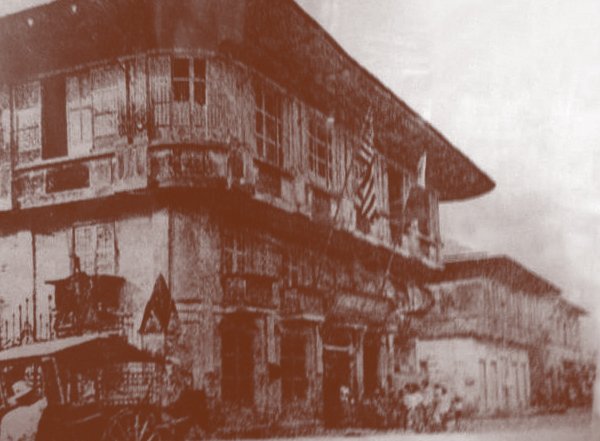
In the 19th century, Lipa experienced a golden age with the introduction of coffee, especially the Liberica variety known locally as “Kapeng Barako.” During a global coffee blight, Lipa became the world’s sole supplier, ushering in a period of wealth, grand ancestral homes, and a refined lifestyle (Herencia Lipeña). The economic boom was brief, as the coffee rust eventually reached Lipa, forcing the city to diversify and adapt (Herencia Lipeña).
Social and Educational Developments
During this era, Lipa also flourished as a center for education and culture, producing influential families and notable figures like Apolinario Mabini (Batangas History).
Revolution, War, and Postwar Recovery
Lipa played a pivotal role during the Philippine Revolution, with local insurgents forcing the surrender of Spanish forces in 1896 (Batangas History). The American colonial period brought further modernization.
World War II devastated Lipa, with widespread destruction of infrastructure and homes. Despite this, the city’s spirit endured, and by 1947, Lipa achieved cityhood, signaling its resilience and new beginning (Herencia Lipeña, Britannica).
Religious Heritage and Marian Legacy
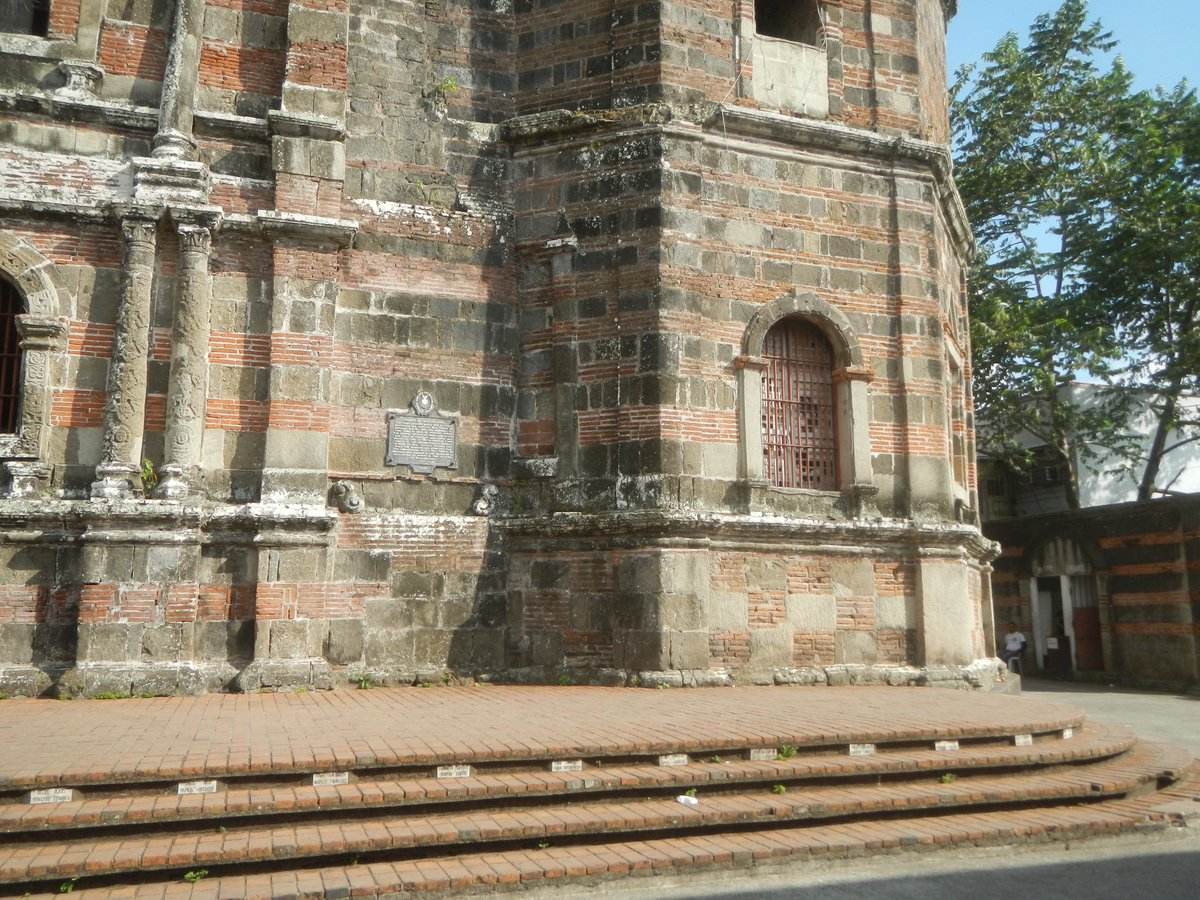
Lipa’s identity is deeply rooted in Catholic tradition. The San Sebastian Cathedral, seat of the Archdiocese of Lipa, features the only baroque pipe organ in Batangas (Lamudi). The Our Lady of Mount Carmel Church, famed for the Marian apparitions and “petal showers,” attracts pilgrims and devotees from across the country (Lamudi).
Top Historical Sites: Hours, Tickets, Highlights
San Sebastian Cathedral
- Hours 7:00 AM – 7:00 PM daily
- Ticket Free
- Highlights Baroque architecture, historic pipe organ, religious art
Our Lady of Mount Carmel Church
- Hours 6:00 AM – 8:00 PM daily
- Ticket Free
- Highlights Site of Marian apparitions, pilgrimage center
Casa de Segunda
- Hours Tuesday–Sunday, 9:00 AM – 5:00 PM
- Ticket ~₱50 (guided tours available)
- Highlights Ancestral home, museum showcasing colonial-era artifacts
Museo de Lipa
- Hours 9:00 AM – 5:00 PM, closed Mondays
- Ticket ₱50 adults, ₱30 students/seniors
- Highlights Artifacts and exhibits on Lipa’s history, coffee culture, and revolution
Ancestral Houses
- Hours Vary by house; generally 9:00 AM – 5:00 PM
- Ticket Some free, others require a nominal fee
Monuments to Local Heroes
- Location Around the city center
- Hours/Tickets Open-air, free access
Visitor Tips and Practical Information
- Getting There Lipa City is 2–3 hours by bus or car from Manila. Buses depart from major terminals; private vehicles can use SLEX and STAR Tollway.
- Local Transport Jeepneys, tricycles, taxis, and ride-hailing services (Grab) are readily available.
- Best Time to Visit The dry season (November–April) has pleasant weather for sightseeing (Climate Data).
- Accessibility Major sites are generally wheelchair accessible; some heritage homes may have limited access.
- Guided Tours Local tourism offices and private operators offer tours. Book in advance for museums and ancestral homes.
- Festivals Major events include the Lomi Festival, Coffee Festival, and city fiesta in January (Batangas Magiting).
- Etiquette Dress modestly in religious sites, ask before taking photos, and greet locals respectfully.
Nearby Attractions and Sample Itineraries
- Mount Malarayat Hiking and panoramic city views
- Taal Lake and Volcano Day trips for nature and sightseeing
- Batangas Beaches Within an hour’s drive for relaxation
Sample day trip: Visit San Sebastian Cathedral and Casa de Segunda in the morning, lunch at a local eatery, then hike Mount Malarayat or explore Taal Lake in the afternoon.
Notable Personalities and Legacy
- Teodoro Kalaw First director of the National Library of the Philippines (Lamudi)
- Bienvenido L. Lumbera National Artist for Literature (Lamudi)
Lipa’s legacy is preserved not just in its monuments but also in its vibrant education, literature, and ongoing community life.
Frequently Asked Questions (FAQ)
Q: What are the visiting hours for historical sites?
A: San Sebastian Cathedral: 7:00 AM – 7:00 PM; Casa de Segunda: 9:00 AM – 5:00 PM (Tue–Sun); Museo de Lipa: 9:00 AM – 5:00 PM (Tue–Sun). Check ahead for holiday schedules.
Q: Are there entrance fees?
A: Most churches are free; museums and some ancestral homes charge ₱30–₱50.
Q: Are guided tours available?
A: Yes. Contact the tourism office or book with local operators for historical and cultural tours.
Q: Is Lipa City accessible for people with disabilities?
A: Major sites are accessible; confirm with specific venues for detailed accommodations (Philippine Beaches).
Weather, Transportation, and Accommodation
Climate Overview
Lipa experiences a tropical monsoon climate. The dry season from January to May is the best time to visit for outdoor activities (Weather and Climate). Average temperatures are cooler than Metro Manila, with comfortable evenings.
Getting There & Around
- By Bus From Buendia, Cubao, Alabang (1.5–2.5 hours)
- By Car SLEX and STAR Tollway
- Local Transport Jeepneys, tricycles, Grab
Accommodation Highlights
- The Farm at San Benito Wellness resort (Philippine Beaches)
- Casa Ysabel Boutique hotel near the cathedral
- Various hotels From budget to luxury
Local Cuisine and Festivals
Sample Lipa’s culinary delights:
- Lomi Savory noodle soup
- Kapeng Barako Robust local coffee
- Tapang Taal Marinated beef
- Rice cakes Suman, kalamay
Lipa’s food scene is best enjoyed in public markets or local restaurants (Batangas Magiting).
Festivals
- Lomi Festival Food and cultural performances
- Coffee Festival Tastings and workshops
- City Fiesta January, with processions and street dancing