Historical Foundations and Cultural Importance
USeP’s founding in 1978 marked a pivotal development in the educational landscape of Region XI (Davao Region), achieved by merging four institutions:
- Mindanao State University-Davao Branch (MSUDB)
- University of the Philippines-Master of Management Program in Davao (UPMMPD)
- Davao School of Arts and Trades (DSAT)
- Davao National Regional Agricultural School (DNRAS)
This integration was designed to foster regional growth and improve access to quality education in science, technology, engineering, and agriculture (Wikipedia; Scribd Student Handbook). The university also serves as a cultural beacon, hosting festivals and events that reflect the multicultural heritage of Mindanao, including indigenous, Muslim, and settler influences.
Visiting Hours and Ticketing
- Campus Hours Monday to Friday, 8:00 AM to 5:00 PM
- Weekends and Holidays Closed to the public, except during special events
- Admission General entry is free of charge. Some special exhibitions or guided tours may require advance booking or a nominal fee.
Visitors are encouraged to check the USeP Official Website or contact the university administration for up-to-date information on tour schedules, health protocols, and event requirements.
Campus Network and Guided Tours
USeP operates several campuses, each with its own distinctive features (USeP Official Profile):
- Obrero Campus (Main) The administrative and academic center in Davao City, home to historical markers, research centers, and student spaces.
- Mintal Campus Focused on research excellence and innovation.
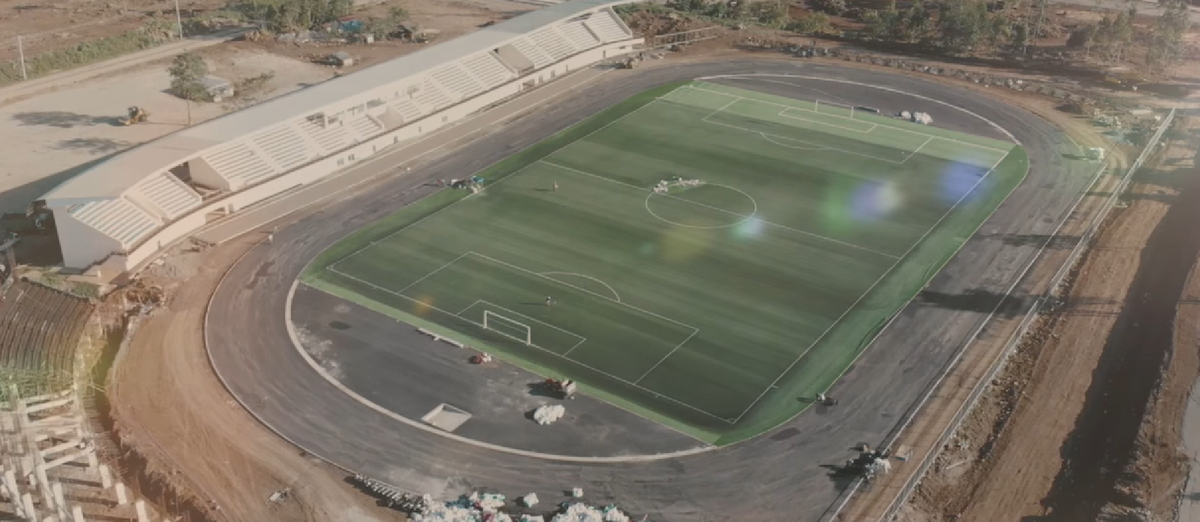
- Tagum-Mabini Campus A vast campus known for agricultural and technical programs.
- Malabog Extension Campus Serving remote communities.
- Bislig Campus The newest campus, advancing educational outreach in Surigao del Sur.
Guided tours can be scheduled via the Visitor Relations Office and highlight the campus’s historical buildings, green landscapes, and research facilities. These tours are ideal for those interested in the university’s heritage, architecture, and academic life.
Academic and Research Distinction
Since its establishment, USeP has evolved into a regional leader in higher education, offering a wide array of programs in engineering, education, arts and sciences, business, computing, governance, agriculture, law, and medicine (USeP Official Profile). Strategic partnerships with organizations such as the World Bank and SEAMEO underscore USeP’s commitment to research-driven community development (Edukasyon.ph).
Accessibility and Travel Tips
- Getting There USeP’s main Obrero campus is easily accessible by public transportation, including jeepneys, taxis, and ride-hailing services. The campus is also close to Francisco Bangoy International Airport.
- Facilities Visitor amenities include parking lots, restrooms, Wi-Fi hotspots, and accessible pathways for those with disabilities.
- Photography Visitors are welcome to take photos. Drone or professional shoots require advance approval.
- Best Time to Visit Plan around university events, cultural festivals, or the Mindanao Week of Peace for a richer experience.
- What to Bring Comfortable shoes, a camera, and an ID (especially for event participation).
Nearby Attractions
Davao City boasts a range of attractions easily combined with your USeP visit (Guide to the Philippines):
- Mount Apo The country’s tallest peak, renowned for hiking and biodiversity.
- Samal Island Pristine beaches and resorts, just a short ferry ride away.
- Philippine Eagle Center Conservation facility for the endangered Philippine eagle.
- Mintal Monument A historical site celebrating local heritage.
- People's Monument A city landmark commemorating unity and cultural resilience.
Other points of interest include Eden Nature Park, Davao Crocodile Park, and People’s Park.
Frequently Asked Questions (FAQs)
Q: Are there entrance fees to visit USeP campuses?
A: No, general campus visits are free. Some events or guided tours may require registration or payment.
Q: Are guided tours available?
A: Yes, schedule tours through the Visitor Relations Office or campus visitor center.
Q: Is USeP accessible for people with disabilities?
A: Yes, most campuses offer ramps, accessible restrooms, and assistance services.
Q: Can I attend university events or lectures?
A: Select events and public lectures are open to visitors—check the university calendar for details.
Q: Is parking available?
A: Yes, visitor parking is provided on campus.
Visual Highlights and Media
Notable photo spots include:
- Historic buildings blending colonial and modern architecture
- Verdant gardens and green spaces
- Interactive research centers and academic displays
Special Feature: Mintal Monument and People’s Monument
Mintal Monument
Located near the USeP Mintal Campus, the Mintal Monument commemorates the multicultural history of the area. Open daily, 8:00 AM–6:00 PM, with free admission, it is a popular site for community events and serves as an excellent stop for those interested in Davao’s heritage. Guided tours are available through the local tourism office.
People's Monument
Situated along Roxas Avenue, the People's Monument is a key city landmark honoring Davao’s diverse communities. Open 6:00 AM–9:00 PM, admission is free. The monument is central to city festivals such as Araw ng Dabaw and Kadayawan, and guided tours can be arranged via the Davao City Tourism Operations Office Facebook page.
Final Tips & Recommendations
- Plan Visits Around Events Aim for major festivals like Kadayawan to experience the campus in a lively, cultural context.
- Use Public Transport Davao’s transit system is efficient for reaching USeP and nearby attractions.
- Stay Connected Regularly check the USeP Official Website and university social media for event updates and visitor advisories.
- Download the Audiala App Access more travel guides and cultural tips for Davao and Mindanao.
A visit to the University of Southeastern Philippines is more than an academic excursion—it’s an immersion into Mindanao’s evolving story of heritage, innovation, and community. Make the most of your journey by exploring USeP’s vibrant campuses and the rich surrounding culture of Davao City.