Plan and listen to Bataan Death March Km 96 Marker with Audiala.
Audio guide in your pocket, itinerary in your browser. Built for the way you actually visit.
Introduction
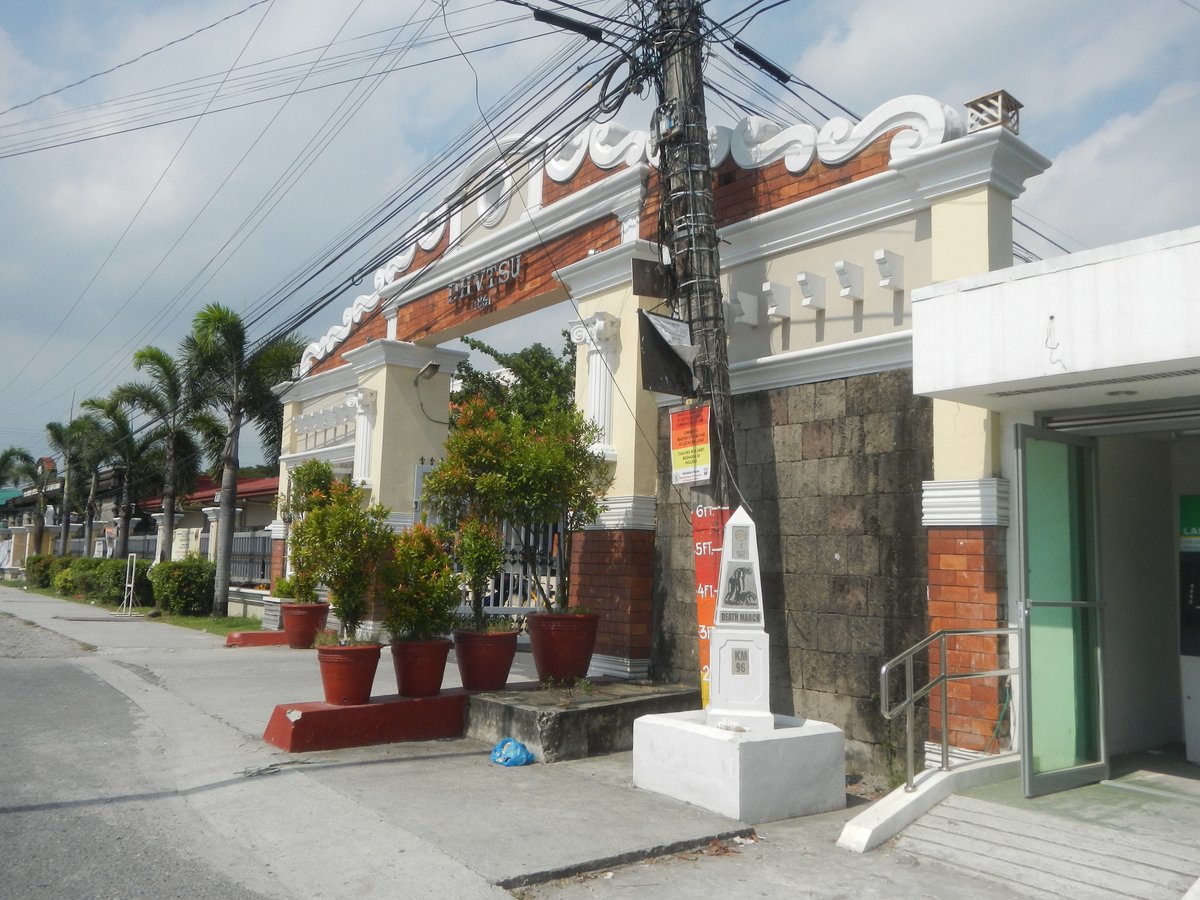
The Bataan Death March Km 96 Marker in Bacolor, Pampanga, is a solemn historical landmark dedicated to one of World War II’s most tragic episodes in the Philippines. Commemorating the forced transfer of approximately 75,000 Filipino and American prisoners of war in April 1942, the marker not only honors their sacrifice but also serves as an educational site preserving Philippine heritage. As part of a series of markers tracing the original route from Mariveles, Bataan, to Camp O'Donnell, the Km 96 Marker invites reflection and offers a poignant experience for historians, families, and travelers alike (CNN, Military History Fandom, Guide to the Philippines).



Historical Background and Significance
In April 1942, following the fall of Bataan to Japanese forces, around 75,000 Filipino and American soldiers were forced to march over 65 miles in suffocating heat, deprived of adequate food and water. This harrowing journey resulted in thousands of deaths due to exhaustion, starvation, and brutality (Britannica). The Km 96 Marker is one of several concrete obelisks that trace this dark passage through history, marking an important waypoint along the route.
Memorialization at the Km 96 Marker
The Km 96 Marker, located in Bacolor, Pampanga, stands as part of a series of markers dotting the Death March route. Each marker bears inscriptions in English and Filipino and offers a place for quiet reflection. Together with sites like the Capas National Shrine and the Filipino-Japanese Friendship Tower, these landmarks create a living historical corridor, maintaining the memory of those who suffered and died (Military History Fandom, RJdExplorer).
Cultural Significance
The marker is a powerful symbol of Filipino resilience and patriotism. It serves not only as a memorial but also as an educational platform for students, families, and international visitors who wish to understand the cost of war and the value of peace.
Visiting the Km 96 Marker: Hours, Tickets, and Accessibility
Visiting Hours
- Daily: Generally accessible from 7:00 AM to 6:00 PM; some sources indicate 8:00 AM to 5:00 PM.
- 24/7 Access: The marker is located roadside and is technically open at all times, but daytime visits are recommended for safety and visibility (Behold Bataan).
Tickets and Admission
- Free Entry: There is no entrance fee to visit the Km 96 Marker.
- Guided Tours: While visiting the marker itself is free, guided tours covering multiple sites may incur a nominal fee.
Accessibility and Visitor Facilities
- Physical Accessibility: The marker is at roadside level. While generally accessible, visitors with mobility concerns should be cautious of uneven ground.
- Parking: Limited roadside parking is available. During major events, arrive early or use public transport.
- Facilities: No restrooms on-site; nearby gas stations, convenience stores, and eateries are available in Bacolor.
- Seating and Shade: Limited; bring sun protection and water.
Transportation Options
- Private Vehicle: Bacolor is accessible via the North Luzon Expressway (NLEX) and Jose Abad Santos Avenue (JASA); driving from Manila takes 1.5–2 hours.
- Public Transport: Buses from Manila to San Fernando, Pampanga, are common; from San Fernando, jeepneys and tricycles can reach Bacolor.
- On Foot/Bicycle: The marker is part of a historical trail—walking or cycling is popular during commemorative events (Behold Bataan).
Guided Tours and Commemorative Events
- Tours: Local tourism offices and historical societies can arrange guided tours, especially during April’s commemorative season.
- Day of Valor (Araw ng Kagitingan): Held every April 9, the Day of Valor features ceremonies and educational activities at markers along the route (Military History Fandom).
- International Events: The annual Bataan Memorial Death March in the United States underscores the event’s global significance.
Nearby Attractions and Photographic Spots
- Other Death March Markers: The Zero Kilometer Marker in Mariveles, Capas National Shrine in Tarlac.
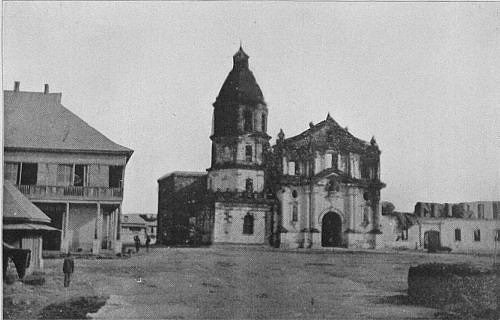
- Historical Sites: San Guillermo Church (Bacolor), San Fernando WWII memorials, Bataan World War II Museum in Balanga.
- Cultural Stops: Filipino-Japanese Friendship Tower in Bagac.
- Photography: The marker, especially at sunrise or sunset, offers meaningful photo opportunities.
Travel Tips
- Visit during the dry season (November–May) for best weather.
- Mornings are quieter and cooler.
- Wear comfortable shoes and bring sun protection.
- Maintain respectful behavior; the site is a solemn memorial.
- Plan restroom and food breaks in Bacolor or nearby San Fernando.
Educational Opportunities
- School Tours: Many schools incorporate the marker into educational field trips.
- Museums: Enhance your visit with stops at the Bataan World War II Museum, which features artifacts and survivor accounts (CNN).
- Digital Resources: QR codes on some markers link to detailed historical content.
Cultural Impact and Community Engagement
- Community Involvement: Local groups maintain and preserve the marker through clean-ups and events.
- Artistic Tributes: Murals, performances, and literary works often center around the marker, reinforcing its role in local identity.
International Recognition and Reconciliation
- Heritage Recognition: The marker and route are recognized globally as enduring symbols of sacrifice (Britannica).
- Reconciliation: The Filipino-Japanese Friendship Tower promotes healing and mutual understanding (RJdExplorer).
Preservation and Advocacy
- Challenges: Markers face threats from weather, urban development, and vandalism.
- Efforts: Local and national organizations lead restoration and awareness campaigns to safeguard these sites for future generations.
Tourism and Pilgrimage
- Heritage Tourism: The Km 96 Marker is a key stop on historical itineraries, drawing local and international visitors.
- Pilgrimage: Descendants and veterans’ groups often walk parts of the Death March route in remembrance (Guide to the Philippines).
Digital Memorialization
- Virtual Access: Online archives, interactive maps, and virtual tours provide global access to the story of the Death March (Wikipedia).
- Apps: The Audiala app offers guides, maps, and up-to-date information for visitors.
Frequently Asked Questions (FAQ)
Q: What are the visiting hours of the Bataan Death March Km 96 Marker?
A: Open daily, typically from 7:00 AM to 6:00 PM. Daytime visits are recommended.
Q: Is there an entrance fee or ticket required?
A: No, the site is free. Guided tours may have a fee.
Q: Are guided tours available?
A: Yes, especially during commemorative periods and through local tourism offices.
Q: Is the site wheelchair accessible?
A: The marker is roadside and generally accessible, but the ground may be uneven.
Q: What other historical sites can I visit nearby?
A: Capas National Shrine, San Guillermo Church, Bataan World War II Museum, and the Filipino-Japanese Friendship Tower.
Listen to the full story in the app
The whole Bataan Death March Km 96 Marker,
told well.
Audio guides for 1,100+ cities across 96 countries. History, stories, and local insight — offline ready.
Verified, and shown.
Researched and written by the Audiala editorial team from historical records, architectural archives, and local expertise.
Researched from Wikidata, Wikipedia & official sources · fact-checked · How we make our guides →