Discover Cusco: Why Visit?
Cusco is more than a gateway to Machu Picchu; it’s a vibrant city where the past and present intertwine. Its dynamic streets, monumental architecture, and living traditions offer an immersive introduction to Peru’s cultural heart (Leading Peru Travel; Tourist Secrets). This guide provides essential details on visiting hours, tickets, and unique experiences to help you make the most of your stay.
Ancient Roots: Early Settlement to Inca Foundations
Archaeological discoveries reveal human presence in the Cusco region dating back to 20,000 B.C., with significant development beginning under the Wari culture around 750 A.D. The Wari laid early urban and administrative foundations, which later influenced the rise of the Inca civilization (The Only Peru Guide). After the Wari collapse, smaller groups inhabited the area until the Incas unified the region in the 12th century.
The Inca Capital: Urban Design, Expansion, and Spirituality
Mythical Origins and Urban Planning
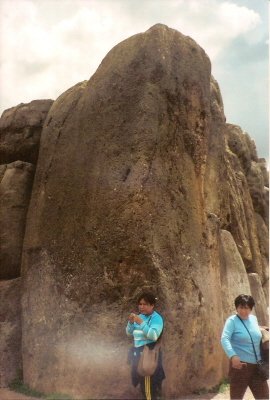
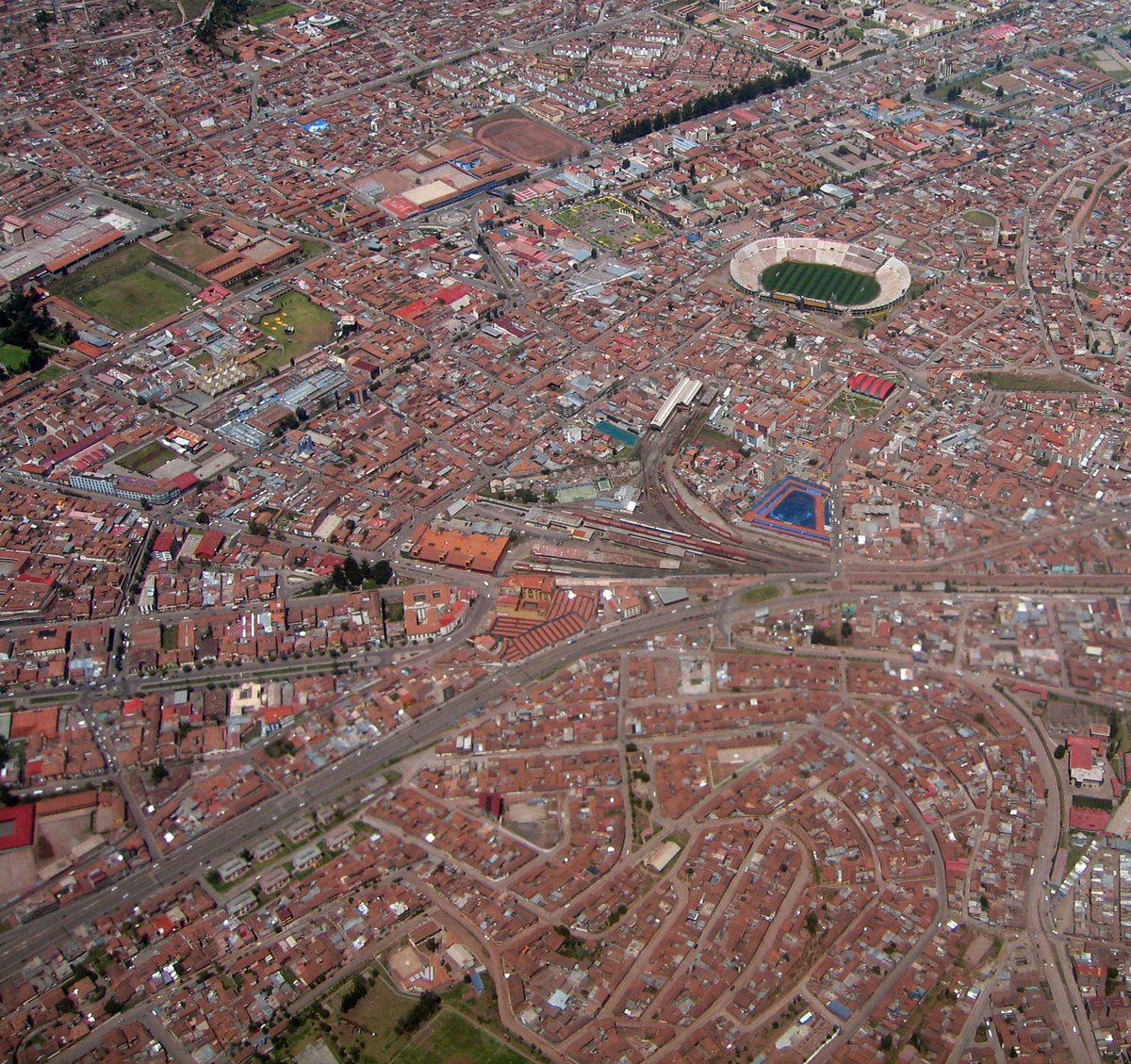
In Inca mythology, Cusco was founded by Manco Cápac and Mama Ocllo, children of the sun god Inti. The city’s layout, shaped like a sacred puma, illustrates the Incas’ cosmological vision, with the fortress of Sacsayhuamán forming the puma’s head (Leading Peru Travel). Ingenious channeling of the Saphi and Tullumayu rivers supported agriculture and urban life.
Imperial Expansion and Architectural Achievements
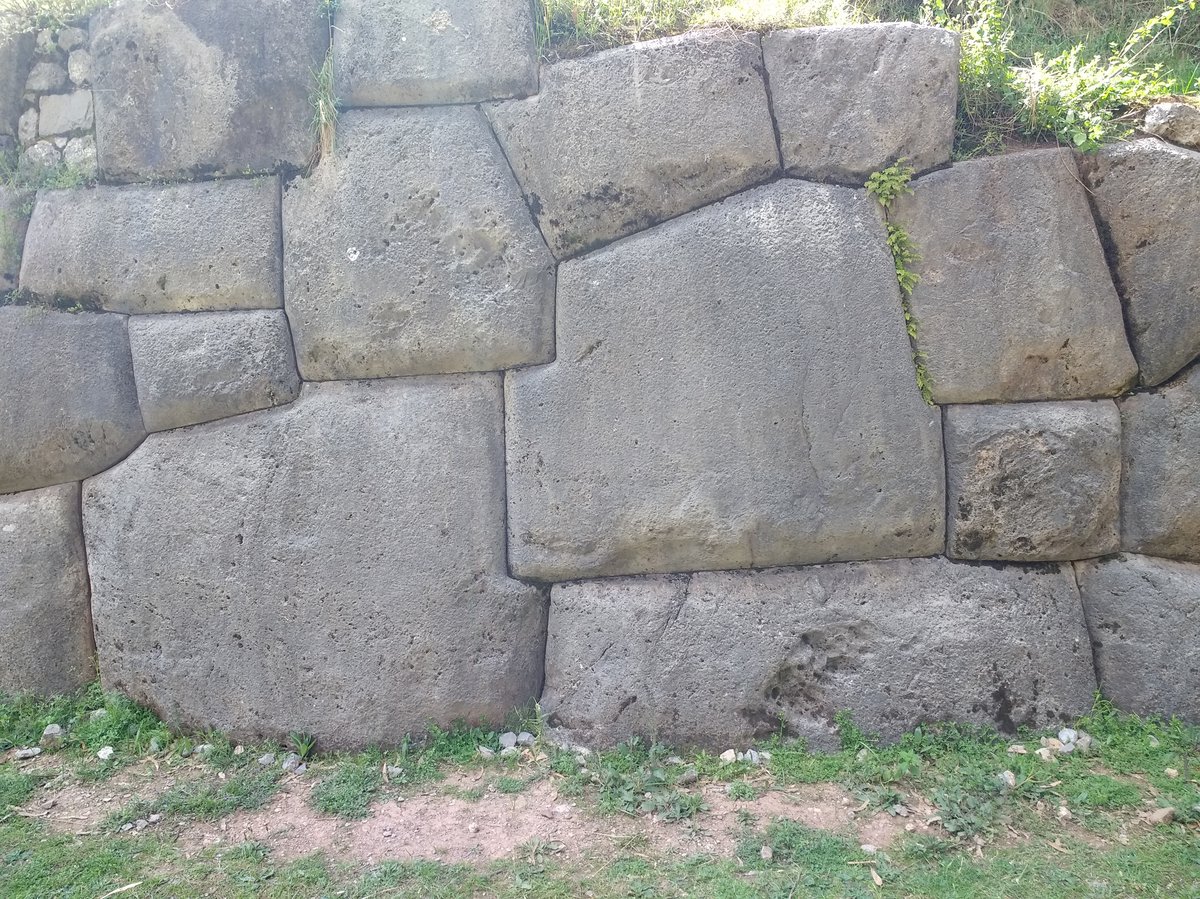
Under Pachacutec (1438–1471), Cusco became the administrative and ceremonial heart of the Inca Empire (Tawantinsuyu), extending its influence across the Andes (Colourful Peru). Major sites like Qorikancha, Sacsayhuamán, and Aucaypata Plaza showcase the Incas’ advanced stonemasonry and urban planning.
Social and Spiritual Significance
Cusco’s role transcended politics; it was the spiritual nexus of the empire. Festivals such as Inti Raymi, marking the winter solstice, and complex social hierarchies were central to city life, integrating diverse Andean cultures (Colourful Peru).
Spanish Conquest and Colonial Transformation
The Fall and Transformation
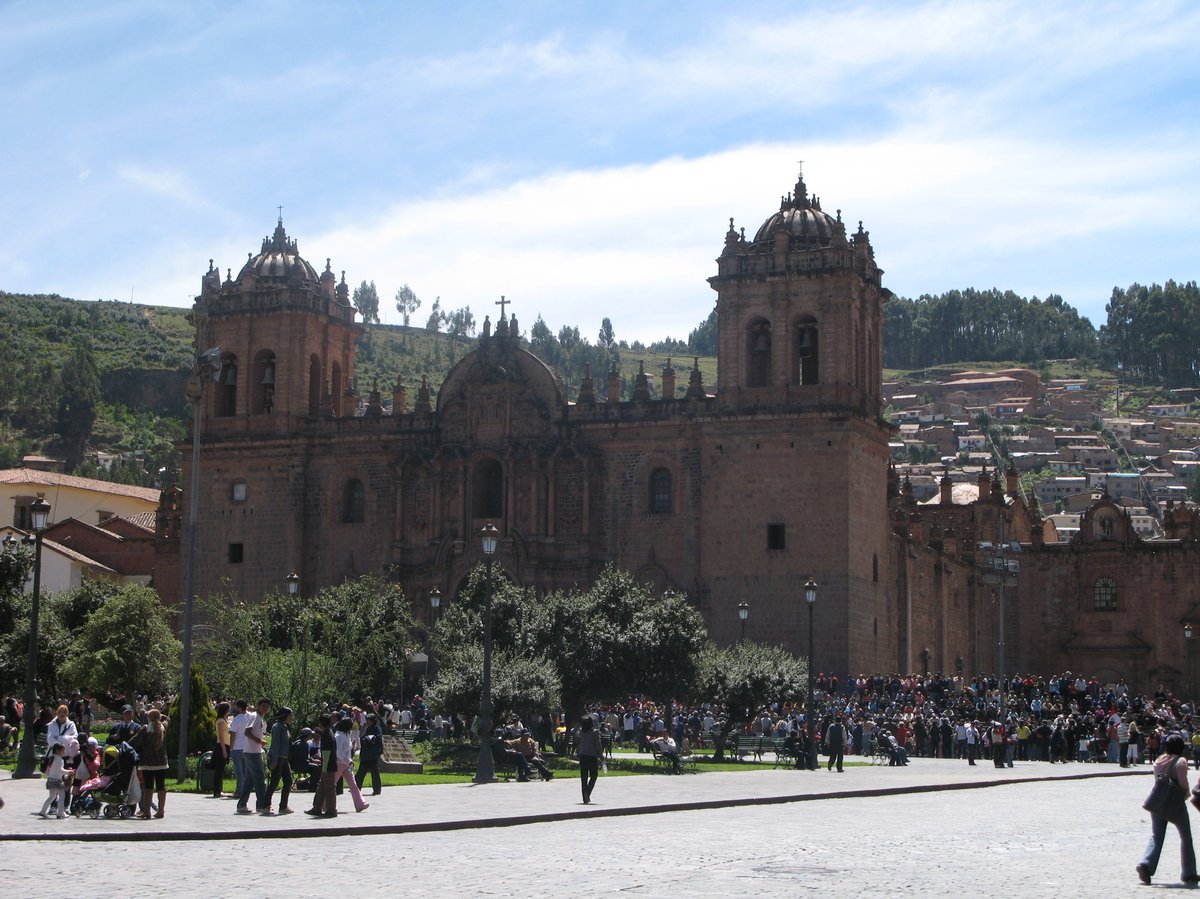
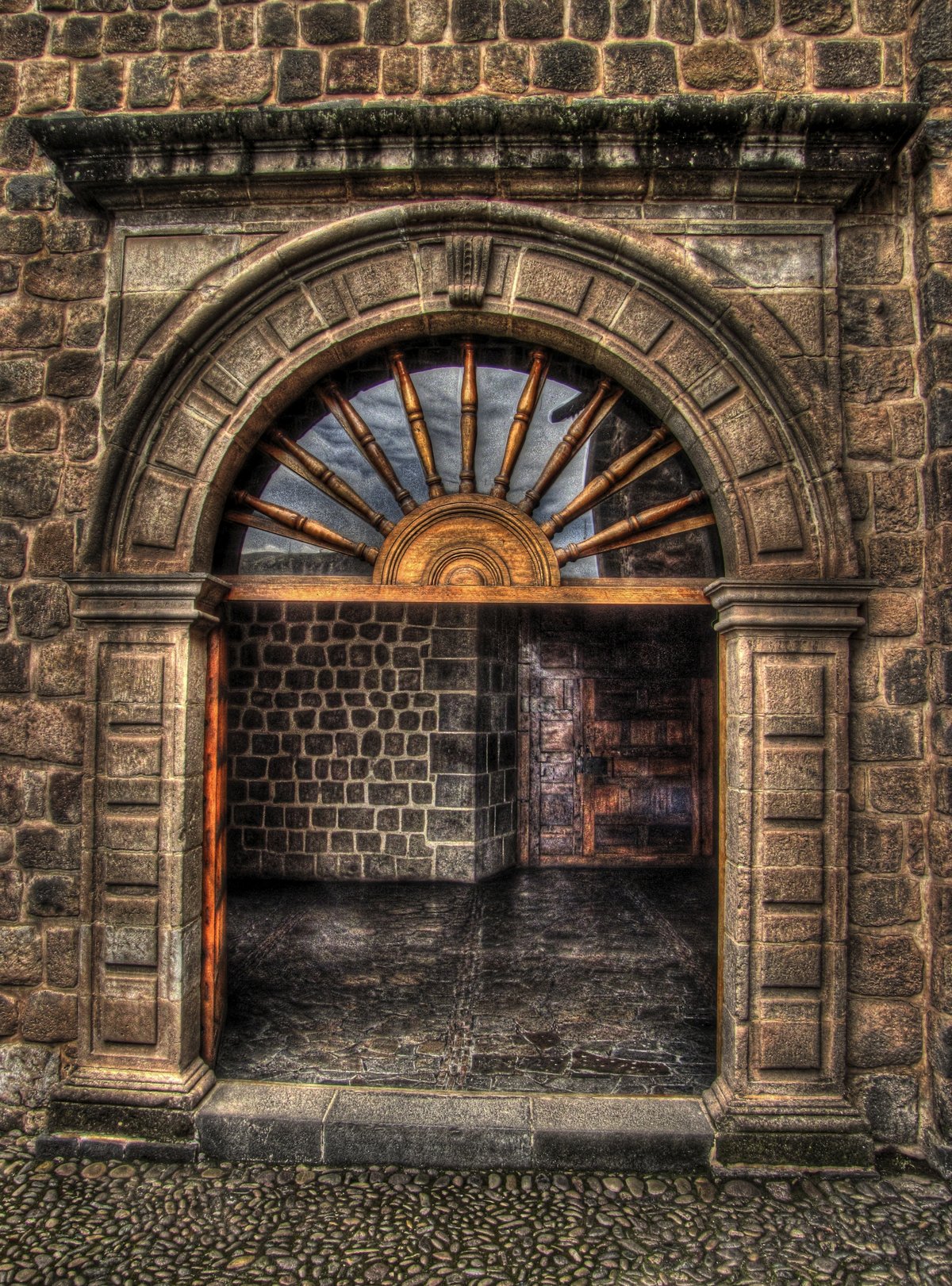
Spanish conquistadors led by Francisco Pizarro captured Cusco in 1533, ending Inca rule (Eco Peru Tours). The conquerors repurposed Inca palaces and temples as foundations for colonial churches and mansions, creating a distinctive “mestizo architecture” (Leading Peru Travel). Notable examples include the Cathedral of Cusco and the Church of Santo Domingo atop Qorikancha’s remains.
Cultural Syncretism and Resistance
Despite colonial efforts to suppress indigenous customs, many Inca beliefs and practices persisted, often blending with Catholic rituals. Resistance continued, most notably with the Túpac Amaru II rebellion in 1780, keeping Cusco central to Andean identity (Peru For Less; History Skills).
Modernization and Rediscovery: Machu Picchu and UNESCO Status
After Peru’s independence in 1821, Cusco remained a regional hub. The global “rediscovery” of Machu Picchu in 1911 by Hiram Bingham brought new attention to the region and spurred the development of travel infrastructure (The Only Peru Guide). In 1983, UNESCO recognized Cusco’s historic significance, helping preserve its unique blend of Inca and colonial heritage (Salt in Our Hair).
Site-by-Site: Visiting Hours, Tickets, and Tours
Major Historical Sites and Their Visiting Hours
- Qorikancha (Temple of the Sun) 9:00 AM – 5:30 PM daily. Tickets available on-site and online.
- Sacsayhuamán 7:00 AM – 6:00 PM daily. Included in the Boleto Turístico (Tourist Ticket).
- Plaza de Armas Open 24/7, free to access. The Cathedral is open 10:00 AM – 6:30 PM with a 25 PEN entry fee.
- San Pedro Market 7:00 AM – 5:00 PM daily, free entry.
- Centro de Textiles Tradicionales del Cusco (CTTC) 9:00 AM – 6:00 PM, free entry.
The Boleto Turístico (Cusco Tourist Ticket)
This multi-site pass grants access to major archaeological sites and museums, including Sacsayhuamán, Qenqo, Puka Pukara, Tambomachay, and more. It costs around 130 PEN (approx. $35 USD), valid for 10 days. Available at tourist offices and main attractions.
Machu Picchu Tickets
Tickets for Machu Picchu must be booked in advance due to daily visitor limits. Options include general admission and combined tickets for Huayna Picchu or Machu Picchu Mountain hikes. Purchase via the official website or authorized vendors.
Booking Tips
- Secure all tickets early, especially for Machu Picchu and during festival seasons.
- Guided tours are highly recommended for historical context.
- Check for seasonal changes in visiting hours (Tourist Secrets).
Living Traditions: Festivals and the Arts
Major Festivals
- Inti Raymi (June 24) The Inca Festival of the Sun, featuring processions and rituals at Qorikancha, Plaza de Armas, and Sacsayhuamán (Peru by Locals).
- Corpus Christi Blends indigenous and Catholic traditions with vibrant processions.
- Qhaswa Raymi, Cruz Velacuy, Qoyllur Rit’i, Santurantikuy Each festival showcases dance, music, and spiritual syncretism (Happy Gringo Tours).
Artistic Heritage
- San Blas District Artisan workshops and galleries; best visited late afternoon.
- Traditional Weaving CTTC offers demonstrations and fair-trade textile sales (Colourful Peru).
- Andean Music and Dance Folk shows and workshops introduce visitors to local rhythms and stories (valenciatravelcusco.com).
Accessibility, Safety, and Sustainable Tourism
Accessibility
Cobblestone streets and steep terrain can challenge those with mobility issues, but many sites provide ramps or guided assistance. Contact tour operators in advance for arrangements.
Safety
Cusco is generally safe, but exercise standard travel caution: safeguard valuables, use registered taxis, and avoid poorly lit areas at night. Tap water is unsafe—use bottled or filtered water (Tourist Secrets).
Sustainable Tourism
- Support Local Artisans Buy crafts and food directly from producers (Ticket Machu Picchu).
- Eco-Friendly Choices Walk, bike, use public transport, and stay at eco-conscious hotels (Leading Peru Travel).
- Cultural Respect Dress modestly, ask before photographing people, and attend festivals as an observer unless invited (Tourist Secrets).
- Conservation Stay on marked trails and avoid supporting attractions that exploit animals or disrespect local beliefs.
Practical Travel Tips and Frequently Asked Questions
- Acclimatization Allow 24–48 hours to adjust to Cusco’s 3,400 m (11,150 ft) altitude. Drink plenty of water and consider coca tea as a local remedy.
- Weather Dress in layers—days are mild, nights can be cold. Bring rain gear even in the dry season.
- Transport Taxis and colectivos (shared vans) are affordable for local travel. The airport is 15 minutes from the city center.
- Money Carry small denominations of Peruvian Sol (PEN); many markets are cash only.
- Language Spanish and Quechua are widely spoken; learning basic phrases is appreciated.
FAQs:
Q: What are the standard visiting hours for Cusco’s main sites?
A: Most open between 7:00 AM and 6:00 PM; always confirm before visiting.
Q: How do I buy tickets for Machu Picchu?
A: Purchase in advance via the official site or authorized agencies.
Q: Is acclimatization necessary?
A: Yes, allow time to adjust to altitude to prevent sickness.
Q: When is the best time to visit?
A: The dry season (May–September) offers the best weather for outdoor exploration.
Q: How can I support sustainable tourism?
A: Choose eco-friendly services, respect local traditions, and support local artisans.
Related Articles
- Complete Guide to Machu Picchu Tickets and Tours
- Top Festivals in Cusco: Dates and Highlights
- Cusco Travel Tips: What to Pack and How to Prepare