Plan and listen to Plaza Mayor, Lima with Audiala.
Audio guide in your pocket, itinerary in your browser. Built for the way you actually visit.
Introduction
Lima Main Square, also known as Plaza Mayor, is the beating heart of Peru's capital city, Lima. Established in 1535 by Spanish conquistador Francisco Pizarro, the square has been a focal point of the city’s rich history, from its colonial origins to its current status as a UNESCO World Heritage Site (UNESCO). Surrounded by iconic structures such as the Government Palace, the Cathedral of Lima, and the Archbishop's Palace, the square is a testament to Lima's architectural splendor and historical significance. This comprehensive guide will walk you through the intriguing history of Lima Main Square, provide essential visitor information, and offer practical tips to make your visit memorable. Whether you are a history buff, an architecture enthusiast, or a casual traveler, Plaza Mayor offers a unique glimpse into the cultural and political tapestry of Lima. By the end of this guide, you'll be well-prepared to explore one of Peru’s most cherished landmarks.

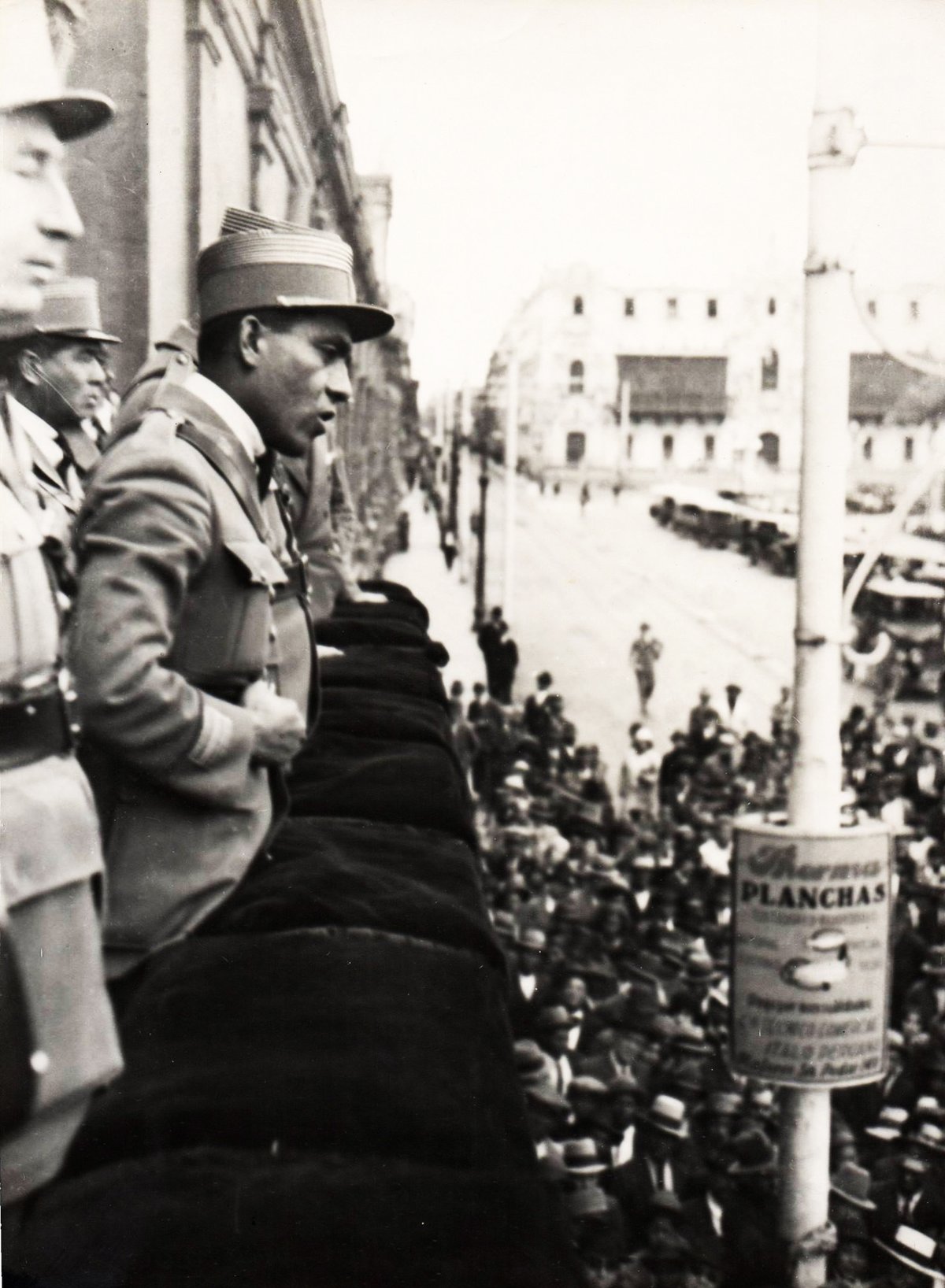
History of Lima Main Square
Founding and Early History
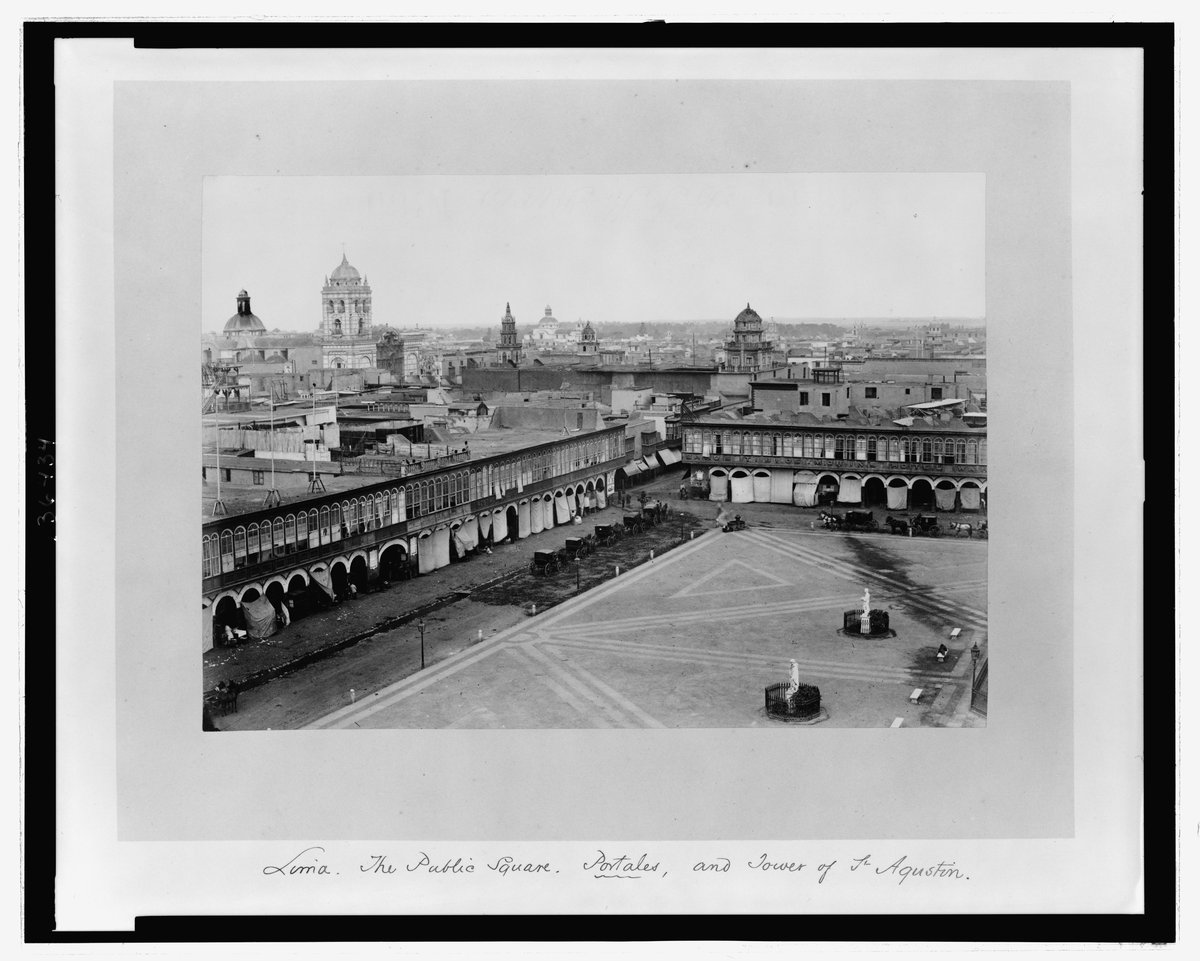
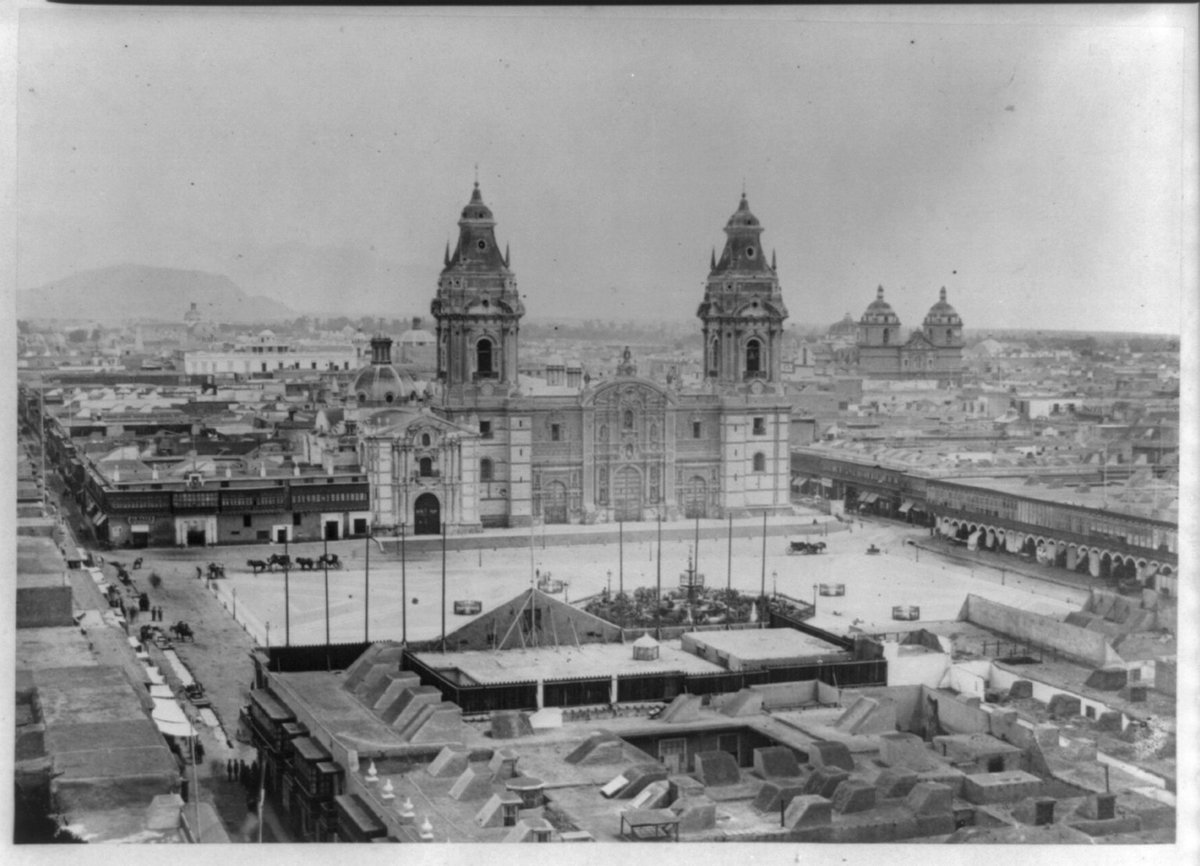
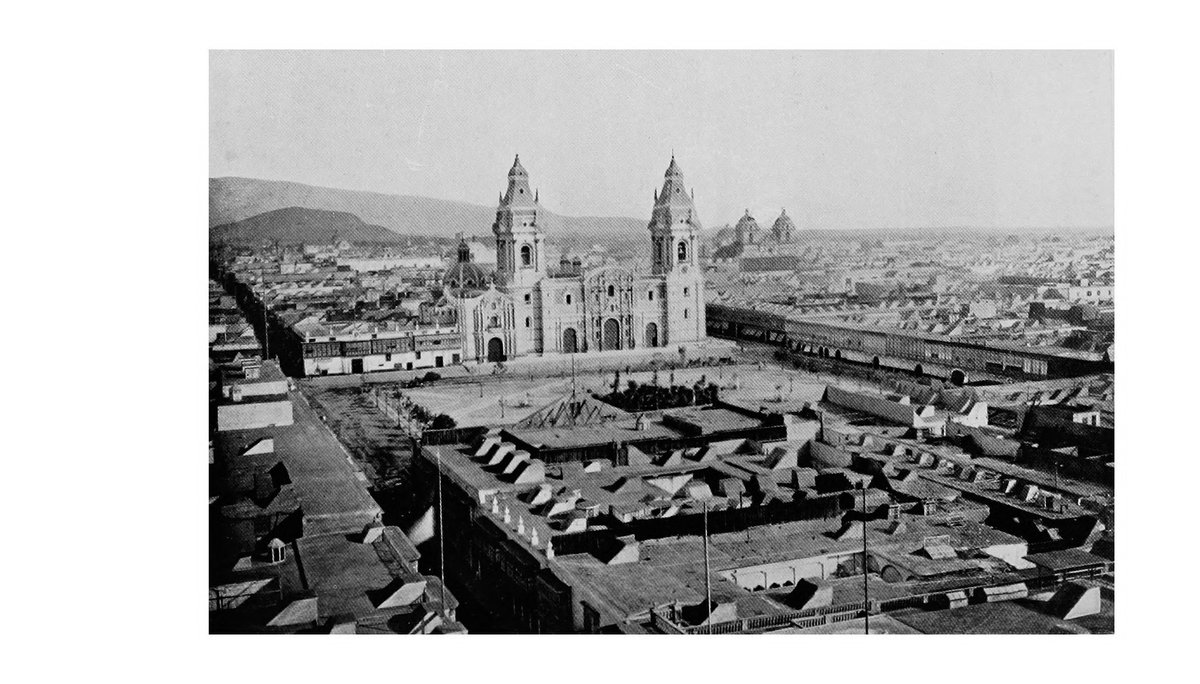
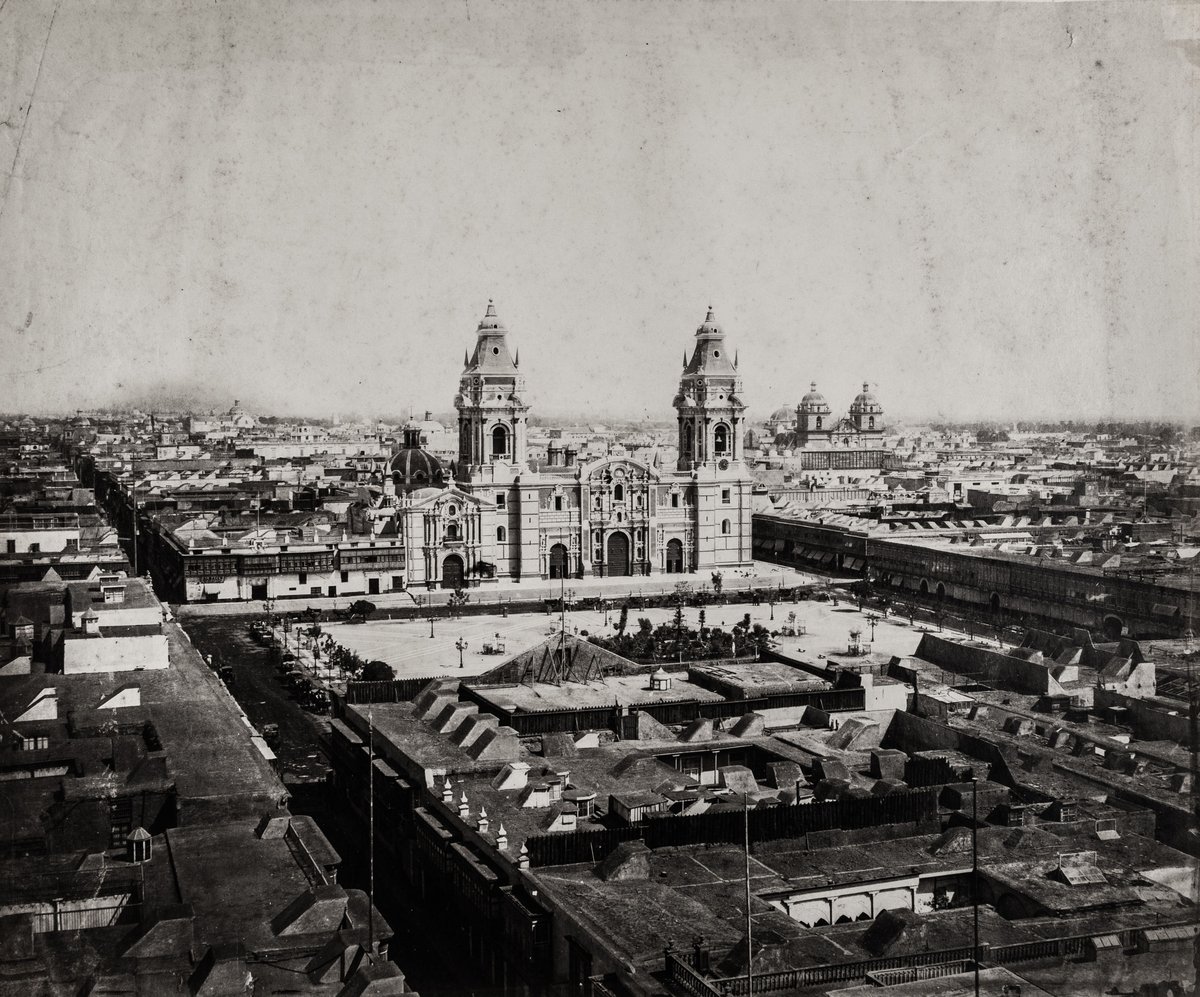
Lima Main Square, or Plaza Mayor, was established by Spanish conquistador Francisco Pizarro in 1535 following the founding of the city of Lima. Pizarro designated the square as the central point from which the city would expand. The original layout reflected Spanish colonial urban planning principles, with the main governmental and religious buildings surrounding it (Peru Travel).
Colonial Era
During the colonial period, Lima Main Square was the epicenter of political, social, and religious life in the city. Significant buildings such as the Government Palace, the Cathedral of Lima, and the Archbishop's Palace surrounded the square. It was the site of public events like markets, bullfights, and executions. The architecture around the square reflects the Spanish Baroque style, with intricate facades and grandiose designs (Lonely Planet).
Independence and Republican Era
The square played a crucial role during Peru's struggle for independence from Spanish rule. On July 28, 1821, General José de San Martín proclaimed Peru's independence from the balcony of the Government Palace. Following independence, the square continued to be a focal point for political and social activities, with renovations reflecting new republican ideals.
Modern Developments
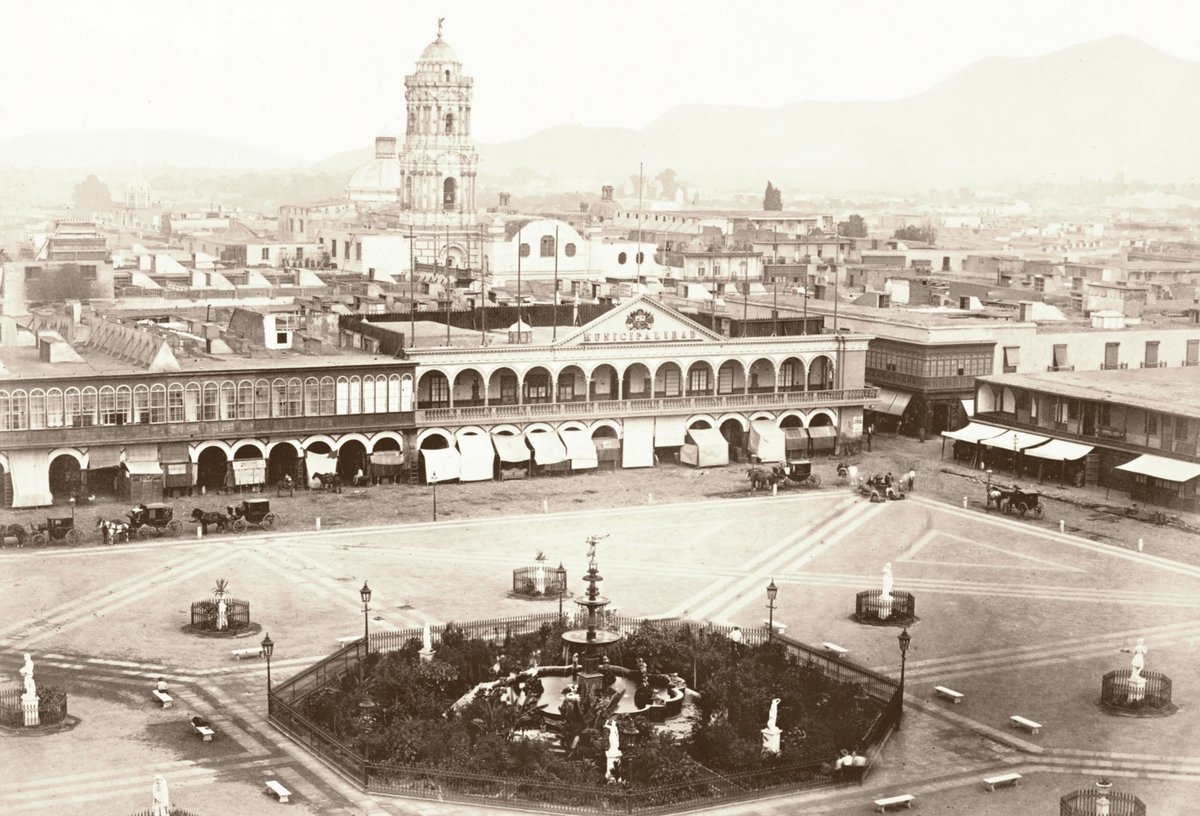
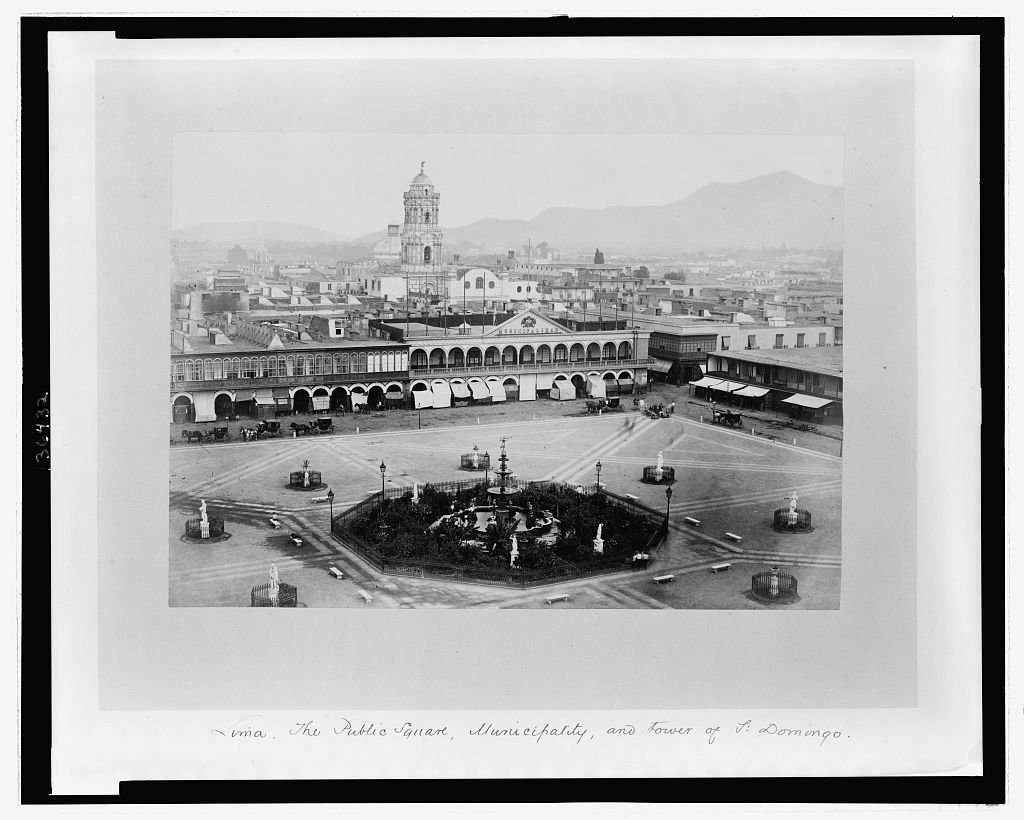
In the 20th century, Lima Main Square underwent transformations to preserve its historical significance while accommodating modern needs. The square was pedestrianized, and efforts were made to restore the facades of the surrounding buildings to their colonial appearance. Today, it is a vibrant public space hosting cultural events, festivals, and political demonstrations.
Significance of Lima Main Square
Cultural and Historical Importance
Lima Main Square is a UNESCO World Heritage Site, recognized for its historical and cultural significance. The square is a testament to Lima's colonial past and its evolution into a modern city. The architectural ensemble around the square offers a glimpse into the city's history from the colonial era to the present day. The square is also a symbol of Peru's independence and its journey towards becoming a republic.
Architectural Highlights
The Government Palace, also known as the House of Pizarro, is the official residence of the President of Peru, featuring a blend of colonial and modern architectural styles. The Cathedral of Lima, with its Baroque facade and Renaissance interior, and the Archbishop's Palace, with its ornate balconies and intricate woodwork, are architectural masterpieces.
Social and Political Hub
Lima Main Square continues to be a central gathering place for social and political activities. It hosts national celebrations like Independence Day and political demonstrations. The square's central location makes it an ideal starting point for exploring the rest of Lima's historic center.
Visitor Tips for a Memorable Experience
Visiting Hours and Tickets
Lima Main Square is open to the public 24/7. However, the nearby attractions, such as the Cathedral of Lima and the Government Palace, have specific visiting hours and may require tickets. It is advisable to check their official websites for the most up-to-date information.
Best Time to Visit
The best time to visit Lima Main Square is during the dry season, from May to September, when the weather is pleasant and there is less chance of rain. The square is particularly lively during national holidays and festivals, such as Independence Day on July 28 and the Feast of Saint Rose of Lima on August 30 (Weather in Lima).
Guided Tours
To fully appreciate the history and significance of Lima Main Square, consider joining a guided tour. Many tour operators offer walking tours that include the square and other nearby attractions, such as the Monastery of San Francisco and the Aliaga House. Guided tours provide valuable insights into the history and architecture of the square and its surroundings (Lima Tours).
Nearby Attractions
Lima Main Square is surrounded by several notable attractions. The Cathedral of Lima, with its museum and crypt, is a must-visit. The Government Palace offers guided tours, allowing visitors to explore its grand halls and gardens. The Archbishop's Palace and the Municipal Palace are also worth a visit. Additionally, the nearby Jirón de la Unión, a pedestrian street, is lined with shops, cafes, and historic buildings.
Practical Information
Lima Main Square is easily accessible by public transportation, including buses and taxis. The square is pedestrian-friendly, with plenty of benches and shaded areas to relax. There are several restaurants and cafes around the square, offering a variety of local and international cuisine. It is advisable to carry a map or use a GPS-enabled device to navigate the area, as the streets can be confusing for first-time visitors (Metropolitano).
Safety Tips
While Lima Main Square is generally safe, it is important to stay vigilant, especially in crowded areas. Keep an eye on your belongings and avoid displaying valuable items. It is also advisable to stay within well-lit and populated areas, particularly at night. If you need assistance, there are tourist information centers and police stations nearby (Travel Safety).
Special Events and Photographic Spots
The square is a prime location for special events and photographic spots. During national celebrations, the square is decorated with lights and flags, providing a vibrant backdrop for photos. The ornate facades of the surrounding buildings and the central fountain are popular spots for photography.
FAQ
Q - What are the visiting hours for Lima Main Square?
A - Lima Main Square is open to the public 24/7, but nearby attractions have specific visiting hours.
Q - Are there any ticket requirements for visiting the attractions around Lima Main Square?
A - Yes, attractions like the Cathedral of Lima and the Government Palace may require tickets. Check their official websites for the latest information.
Q - What is the best time to visit Lima Main Square?
A - The best time to visit is during the dry season, from May to September.
Tickets & tours.
These are guided options from our partners — same price as booking direct.
Prices are indicative — final pricing and availability are confirmed at checkout. Audiala may earn a commission from bookings made through these links.
Listen to the full story in the app
The whole Plaza Mayor, Lima,
told well.
Audio guides for 1,100+ cities across 96 countries. History, stories, and local insight — offline ready.
Verified, and shown.
Researched and written by the Audiala editorial team from historical records, architectural archives, and local expertise.
Historic Centre of Lima
Lima Main Square
Lima Main Square
Researched from Wikidata, Wikipedia & official sources · fact-checked · How we make our guides →