Plan and listen to Plaza Italia with Audiala.
Audio guide in your pocket, itinerary in your browser. Built for the way you actually visit.
Introduction
Plaza Italia, nestled in Lima’s historic Barrios Altos district, stands as a testament to the city’s layered history and multicultural heritage. Established as Plaza Santa Ana in the 16th century, shortly after Francisco Pizarro founded Lima in 1535, it has evolved from a colonial religious and social center into a dynamic urban space honoring Peru’s Italian community and commemorating national milestones. Today, Plaza Italia is a vibrant, accessible public space renowned for its architectural landmarks—including the Church of Santa Ana and the Antonio Raimondi monument—its cultural events, and its role in Lima’s broader historical narrative.
This guide offers a comprehensive overview of Plaza Italia’s history, significance, practical visitor information (including hours and tickets), travel tips, accessibility notes, and highlights of nearby attractions. For official updates, refer to the Lima Tourism Website and Plaza Italia Wikipedia.
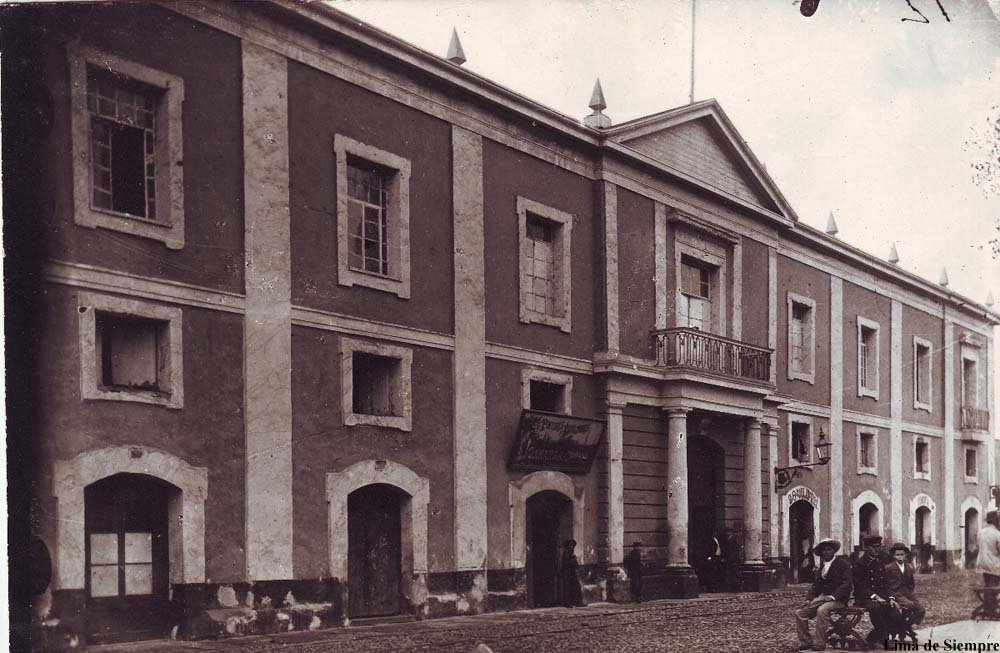
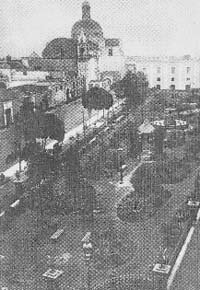
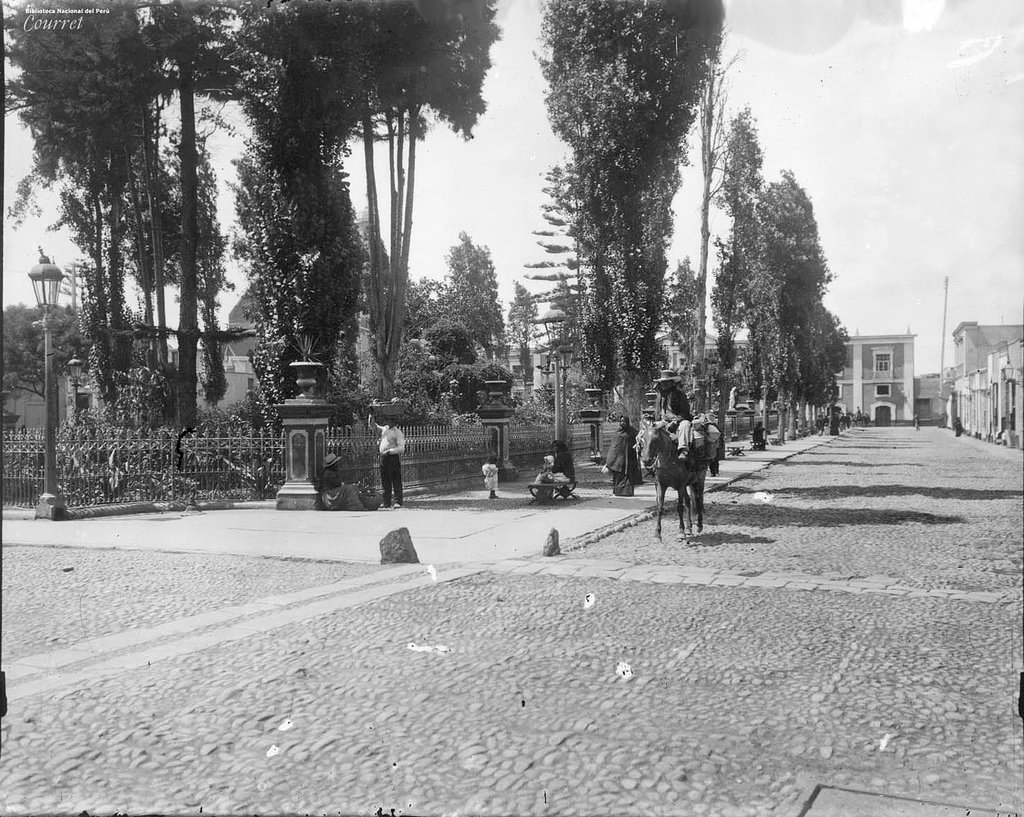
Early Origins and Colonial Foundations
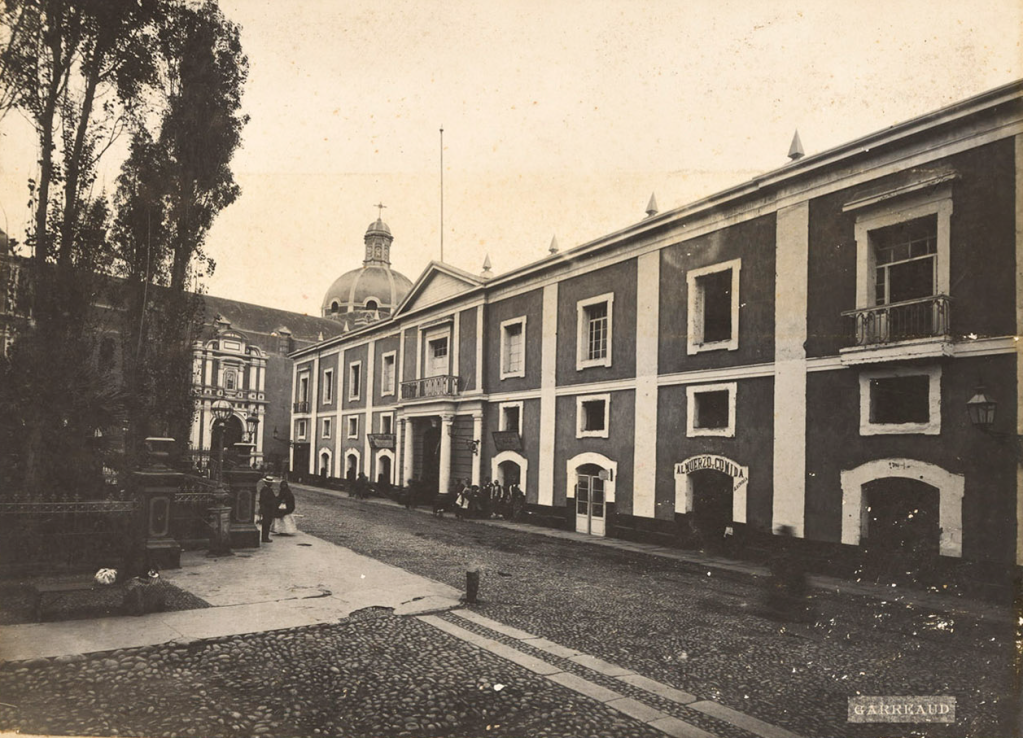
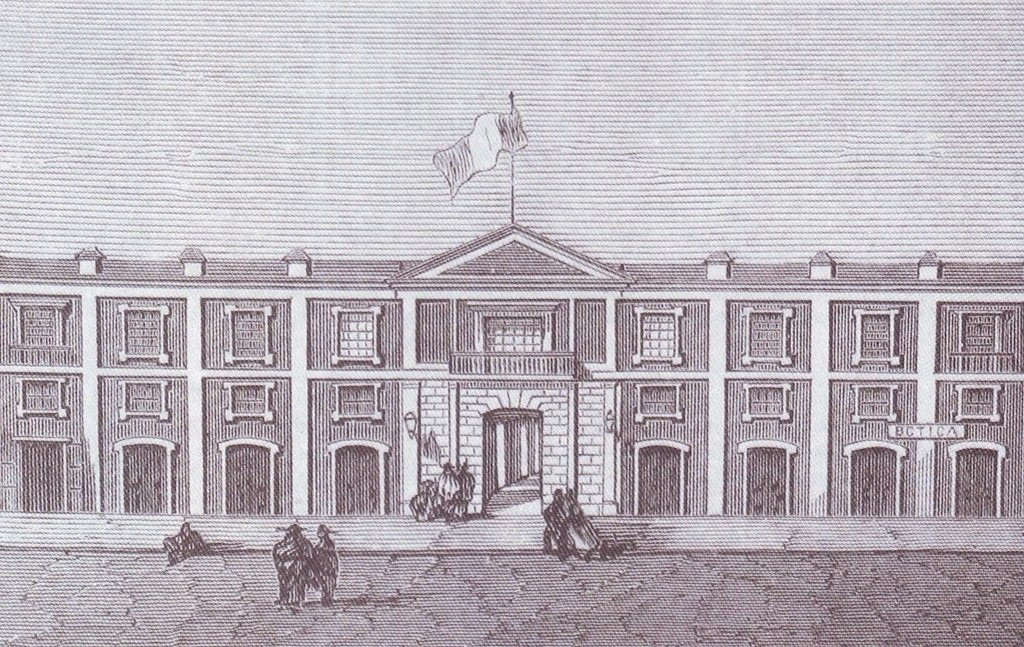
Plaza Italia’s roots trace back to the mid-16th century as Plaza Santa Ana, established outside Lima’s original city grid to connect the historic center with the eastern neighborhoods. The area was significant even before the Spanish arrived—believed to have been the site of a pre-Columbian huaca or ceremonial center, as suggested by its distinctive trapezoidal layout (Cultura Para Lima). During the colonial era, it became a focal point for religious and social life, anchored by the Church of Santa Ana and the Hospital Santa Ana de los Naturales, which served the indigenous community (Wikipedia; LimaEasy).
Urban Development and Italian Influence
By the 19th and early 20th centuries, Plaza Italia became the heart of Lima’s Italian community. The square’s name was changed in 1910 to honor this heritage, and a monument to Antonio Raimondi—an influential Italian-Peruvian naturalist—was installed in 1921. Architectural features such as Quinta Carbone and Quinta Baselli in the surrounding neighborhood further highlight the Italian influence (Wikipedia).
Political and Historical Milestones
Plaza Italia played a prominent role in Peru’s independence. On July 28, 1821, General José de San Martín proclaimed independence at several plazas, including this one (then Plaza Santa Ana), embedding it in the nation’s historical memory. Over the centuries, Plaza Italia has hosted public gatherings, celebrations, and political events, remaining a hub of civic activity (Wikipedia).
Architectural Evolution
While much of the original colonial architecture has changed, the Church of Santa Ana remains a significant landmark. The plaza’s colonial-style fountain, iron railings added in the 1990s, and the Antonio Raimondi monument symbolize the evolution of the urban landscape. The area is now characterized by a blend of historic and modern buildings, reflecting Lima’s ongoing transformation (LimaEasy).
Cultural Identity and Events
Plaza Italia is a lively community space, especially on weekends during the Feria de Comida Criolla and the Festival del Sabor, which celebrate traditional Peruvian cuisine and local customs. The plaza is also known for hosting art exhibitions, cultural performances, and seasonal festivities, fostering community spirit and preserving culinary and artistic traditions (Turismo Peruano).
Visiting Information: Hours, Tickets, and Accessibility
- Opening Hours: Plaza Italia is a public square open 24 hours a day. Daytime visits (8:00 AM to 6:00 PM) are recommended for safety and to experience the plaza at its best.
- Tickets: No entry fee; the plaza is free to visit.
- Guided Tours: Available through local operators and tourism agencies. Advance booking is advised.
- Accessibility: The plaza is wheelchair accessible, with paved pathways and nearby public transport. Some surrounding sidewalks may be uneven due to the neighborhood's age.
- Facilities: Benches, shaded areas, and lighting are provided. Restrooms are not available on-site; nearby cafes or restaurants may offer restroom access during opening hours.
Safety and Travel Tips
Barrios Altos is less frequented by tourists, so exercise standard urban precautions:
- Visit during daylight hours.
- Travel in groups or with a guide, especially after dark.
- Avoid displaying valuables.
- Use authorized taxis or ride-hailing apps.
- Stay on main streets and avoid unfamiliar alleys.
- Solo travelers, especially women, should take extra precautions at night (Travellers Worldwide; Travel Safe Abroad).
What to See and Do
Architectural Highlights:
- Church of Santa Ana: A colonial-era church with significant religious art.
- Antonio Raimondi Monument: Commemorates the Italian-Peruvian naturalist.
- Colonial Fountain: Features triton figures and angels, blending European and local artistic styles.
Cultural Events:
- Festival del Sabor: Held on weekends, offering Peruvian dishes, live music, and dance.
- Art Exhibitions and Community Events: Occur throughout the year—check official listings for schedules.
Photography: The plaza’s unique layout, historic buildings, and lively cultural scenes provide excellent photo opportunities, especially during festivals or in Lima’s winter mist (Oh La Lima).
Nearby Attractions and Suggested Itineraries
Within 1–1.5 km of Plaza Italia:
- Plaza Mayor (Plaza de Armas): Lima’s main square, home to the Government Palace and Cathedral (Across South America).
- Basilica and Convent of San Francisco: Famous for its baroque architecture and catacombs (My Adventures Across The World).
- Barrio Chino (Chinatown): Renowned for chifa cuisine and lively markets (The Travel).
- Parque de la Muralla: Features remnants of Lima’s colonial walls (Destination Less Travel).
- Museo de Arte de Lima (MALI): Offers Peruvian art from pre-Columbian to contemporary (Oh La Lima).
- Jirón de la Unión: A bustling pedestrian shopping street (Across South America).
- Plaza San Martín: Early 20th-century architecture and open green spaces (Destination Less Travel).
- Casa de la Literatura Peruana: Cultural center with free admission.
- Mercado Central: Traditional market with local produce and snacks.
Sample Itinerary:
- Morning: Start at Plaza Italia; walk to Plaza Mayor and the San Francisco Convent.
- Lunch: Enjoy chifa in Barrio Chino or local fare at Mercado Central.
- Afternoon: Visit Parque de la Muralla and MALI; finish at Plaza San Martín.
- Evening: Return before dusk and use authorized transport.
(Solo Guides; Turismo Peruano)
Practical FAQs
Q: What are Plaza Italia’s opening hours?
A: The plaza is open 24/7, but daytime visits are recommended for safety.
Q: Is there an entry fee?
A: No, entry is free.
Q: Are guided tours available?
A: Yes, through local tour operators and agencies; book in advance for the best experience.
Q: Is Plaza Italia accessible for people with disabilities?
A: Yes, the plaza has accessible pathways and ramps.
Q: Is it safe to visit at night?
A: It's safest to visit during the day and stay in central, well-trafficked areas.
Q: Are there nearby festivals or events?
A: The Feria de Comida Criolla and Festival del Sabor are held most weekends, offering food and entertainment.
Q: How do I reach Plaza Italia?
A: By bus, taxi, or on foot from Plaza de Armas (about 2 km). Use authorized taxi services or ride-hailing apps for safety.
Key Takeaways
- Plaza Italia is a free, open-access plaza central to Lima’s history and culture.
- Visit during the day for safety and the best experience.
- Combine your visit with nearby historic sites for a comprehensive cultural tour.
- Participate in weekend festivals to sample local flavors and traditions.
- Check official tourism sites for updates on events and guided tours.
Discover More
Ready to delve into Lima’s fascinating history and vibrant culture? Plan your visit to Plaza Italia today, making use of the official tourism resources and the Audiala app for curated travel guides, event updates, and insider tips. Follow us on social media and read our related posts to continue exploring Lima’s unique heritage.
Listen to the full story in the app
The whole Plaza Italia,
told well.
Audio guides for 1,100+ cities across 96 countries. History, stories, and local insight — offline ready.

Verified, and shown.
Researched and written by the Audiala editorial team from historical records, architectural archives, and local expertise.
Researched from Wikidata, Wikipedia & official sources · fact-checked · How we make our guides →