Plan and listen to Plaza Grau with Audiala.
Audio guide in your pocket, itinerary in your browser. Built for the way you actually visit.
Introduction: Discovering Plaza Grau’s History and Cultural Significance
Located in the vibrant heart of Lima, Plaza Grau stands as a powerful symbol of Peru’s national pride and cultural heritage. This historic public square is dedicated to Admiral Miguel Grau Seminario, the esteemed “Gentleman of the Seas,” whose heroism during the War of the Pacific (1879–1884) is deeply woven into Peru’s collective memory. Officially inaugurated in 1895, Plaza Grau is more than a memorial—it is a dynamic civic space that blends Peru’s rich republican heritage with the rhythm of modern city life. Visitors can experience a narrative told through its monumental obelisk, evocative sculptures, and urban design that commemorates Peru’s ongoing journey toward sovereignty and unity (Turismo Peruano, Wikipedia, LimaEasy).
This detailed guide provides a comprehensive overview for travelers and history enthusiasts, covering Plaza Grau’s origins, architectural features, national significance, and practical information for planning your visit. Whether you’re interested in Peru’s military history, capturing photographs of the iconic monument, or exploring nearby sites such as the Church of San Juan Bautista and the Museo de Arte de Lima (MALI), this guide ensures an enriching and well-informed experience.

Historical Origins of Plaza Grau
Plaza Grau—formally Plaza Miguel Grau—traces its roots to the late 19th century, commemorating Admiral Miguel Grau Seminario’s valor in Peru’s struggle for sovereignty. Commissioned under Deputy Ricardo Bentín Sánchez and inaugurated on September 8, 1895, the square honors Grau’s leadership, the sacrifice of Peruvian patriots in battles like Arica and Huamachuco, and the Breña Campaign resistance against Chilean occupation during the War of the Pacific (Turismo Peruano).
The Naming and Monument of Plaza Grau
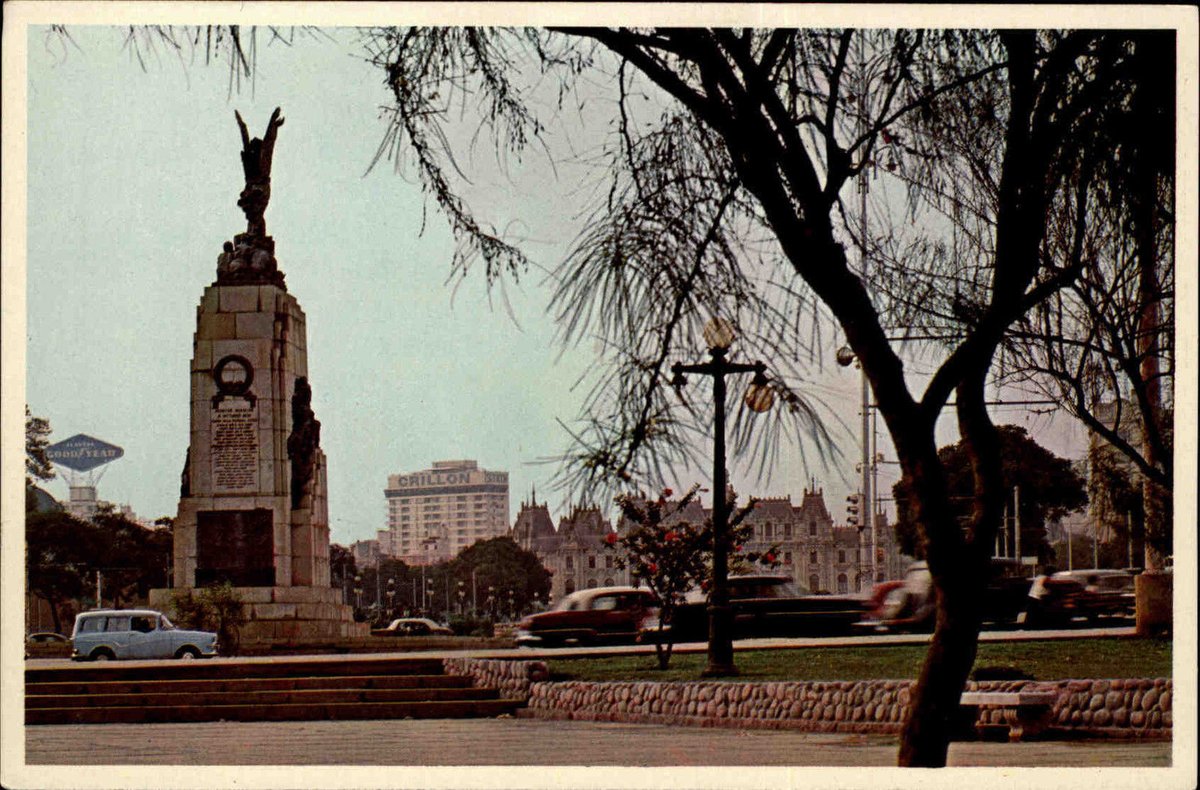
Named for Admiral Miguel Grau Seminario, the “Gentleman of the Seas,” Plaza Grau celebrates his military leadership and chivalry, especially his command of the Monitor Huáscar. The plaza’s central obelisk, crafted from granite and white marble, is adorned with high-relief carvings of the national coat of arms and scenes from pivotal battles. A commanding statue of Admiral Grau, sculpted by Rosselló, stands atop the obelisk, immortalizing his presence in Peruvian history (Turismo Peruano).
Plaza Grau’s Role in National Identity
Beyond its architectural significance, Plaza Grau functions as a living testament to Peru’s resilience and the enduring legacy of its defenders. It hosts annual military and civic ceremonies, including centennial commemorations attended by the Peruvian Navy, reinforcing its role as a symbolic center for national pride and unity (Turismo Peruano).
Architectural and Urban Context
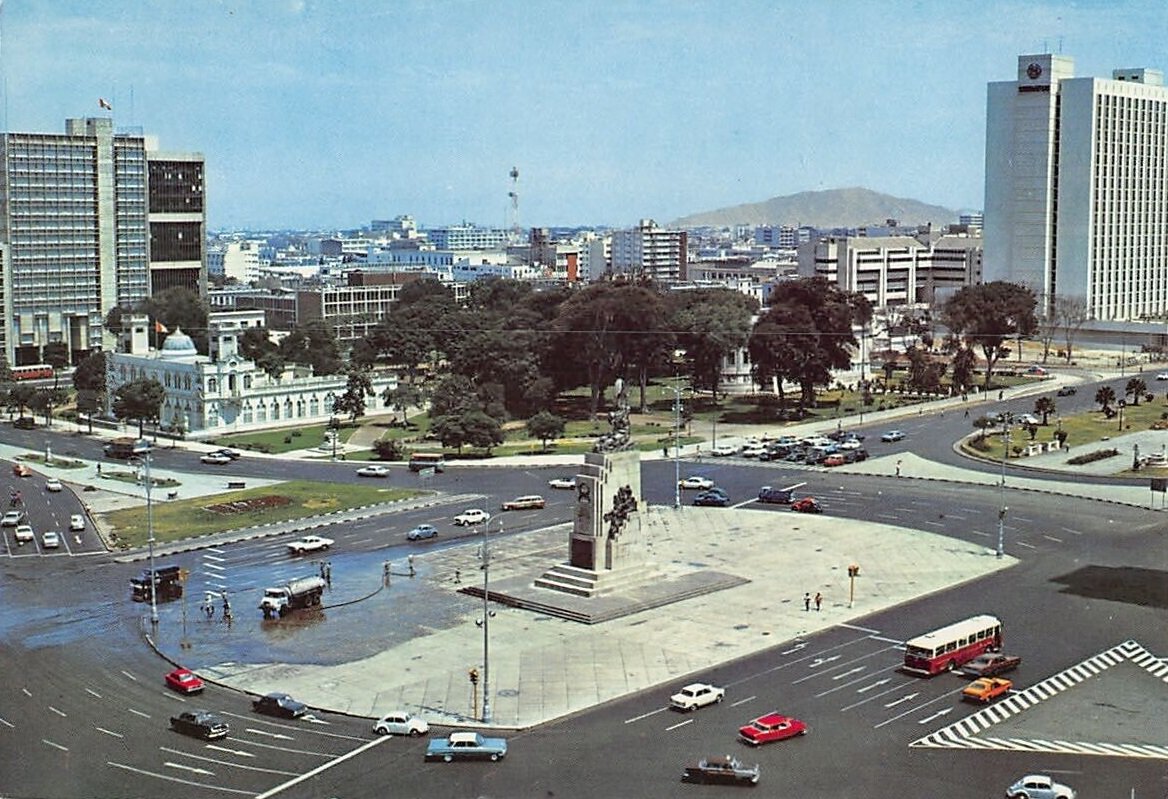
Plaza Grau is a quintessential example of republican-era urban design, featuring robust granite and marble elements, two-tiered fountains, granite benches, wrought-iron lampposts, and manicured gardens. Its geometric layout—a large rectangle with rounded corners—is strategically positioned near significant landmarks such as the Church of San Juan Bautista, the Subprefecture of Huarochirí, the Hotel Grau, the Palacio de Justicia, the Sheraton Hotel, and Parque de Lima, which houses MALI (Wikipedia, LimaEasy). Recent urban revitalization projects have included restoring the plaza’s ornamental lighting and maintaining its original artistry and cleanliness.
Visiting Plaza Grau: Hours, Accessibility, and Tips
- Visiting Hours: Plaza Grau is open 24 hours a day, offering flexibility for visitors. For safety and the best experience, it’s advisable to visit between 8:00 AM and 6:00 PM.
- Tickets: Entry to the plaza is free.
- Accessibility: Smooth pathways and ramps make the plaza wheelchair accessible.
- Guided Tours: Available through various local operators and the city’s official tourism website, guided tours provide deeper historical context.
- Best Times to Visit: Early mornings and late afternoons offer pleasant weather and optimal photography conditions.
- Nearby Attractions: After Plaza Grau, visit the Church of San Juan Bautista, Hotel Grau, Museo de Arte de Lima (MALI), and the historic center’s Plaza Mayor.
- Photo Spots: The obelisk and Admiral Grau’s statue are especially photogenic at sunset.
(LimaEasy)
Community Engagement and Events
Plaza Grau regularly hosts artisan fairs, public ceremonies, and cultural events. The plaza’s role as a venue for both military commemorations and community activities strengthens its connection to Lima’s contemporary cultural life (Turismo Peruano).
Plaza Grau in Lima’s Historical Landscape
Plaza Grau complements Lima’s colonial Plaza de Armas and other republican-era squares, representing the city’s evolution as a center of cultural and historical convergence (Discover Walks).
Preservation and Modern-Day Relevance
Ongoing municipal efforts ensure the preservation and accessibility of Plaza Grau, balancing urban development with heritage conservation. Restoration projects and enhanced lighting keep the plaza inviting for locals and tourists alike (Discover Walks).
Frequently Asked Questions (FAQ)
Q: What are Plaza Grau’s visiting hours?
A: The plaza is open 24/7, but it’s safest and most enjoyable to visit during daylight (8:00 AM–6:00 PM).
Q: Is there an entrance fee?
A: No, Plaza Grau is free to the public.
Q: Are tours available?
A: Yes, guided walking tours can be arranged through local operators and official tourism resources.
Q: Is it accessible for visitors with disabilities?
A: Yes, Plaza Grau features paved and ramped pathways.
Q: What nearby sites should I see?
A: Museo de Arte de Lima (MALI), Paseo de los Héroes Navales, Plaza Mayor, and Parque de la Exposición.
Visitor Experience and Safety
Plaza Grau is accessible by public transport, with the Estación Central Metropolitano station just a short walk away. While the area is lively and generally safe during the day, visitors should exercise caution at night due to occasional petty crime (Backpackers Blueprint, Travellers Worldwide). Use official taxis or rideshare apps and avoid displaying valuables. Restrooms are available in nearby parks and museums.
Recommendations for a Memorable Visit
- Timing: Visit in the morning or late afternoon for the best light and comfortable temperatures.
- Combine Attractions: Pair your Plaza Grau visit with a tour of MALI, Parque de la Exposición, or the Circuito Mágico del Agua.
- Stay Informed: Check for any public events or advisories, especially during national holidays or periods of civil unrest (Backpackers Blueprint).
- Engage Locally: Attend artisan fairs or simply observe daily city life for a richer cultural experience.
Discover More
Plaza Grau is more than a monument; it is a living testament to Peru’s historical journey and civic vitality. Whether you’re captivated by Admiral Miguel Grau’s legacy, interested in Lima’s urban development, or seeking a vibrant public space, Plaza Grau is an essential stop on any Lima itinerary. For up-to-date visiting hours, guided audio tours, and travel tips, download the Audiala app and follow our social media channels.
Plan your visit to Plaza Grau today—immerse yourself in Peru’s rich heritage and experience a site where history, culture, and community converge (Turismo Peruano, LimaEasy, Wikipedia).
Listen to the full story in the app
The whole Plaza Grau,
told well.
Audio guides for 1,100+ cities across 96 countries. History, stories, and local insight — offline ready.
Verified, and shown.
Researched and written by the Audiala editorial team from historical records, architectural archives, and local expertise.
Researched from Wikidata, Wikipedia & official sources · fact-checked · How we make our guides →