Plan and listen to Plaza Bolívar with Audiala.
Audio guide in your pocket, itinerary in your browser. Built for the way you actually visit.
Introduction
Plaza Bolívar, nestled in the Barrios Altos neighborhood within Lima's UNESCO World Heritage-listed historic center, is a powerful symbol of Peru’s multifaceted history and evolving cultural identity. From its origins as a colonial reservoir to its transformation into a republican landmark, Plaza Bolívar has played a pivotal role in significant national events, bearing witness to colonial authority, the Inquisition, independence, and modern civic life. Today, it is a vibrant gathering place, renowned for its striking monument to Simón Bolívar and the architectural grandeur of its surrounding edifices. This guide provides detailed, non-repetitive information on Plaza Bolívar’s history, visitor logistics, nearby attractions, and travel tips for an enriching experience.
Colonial Foundations and Early Significance
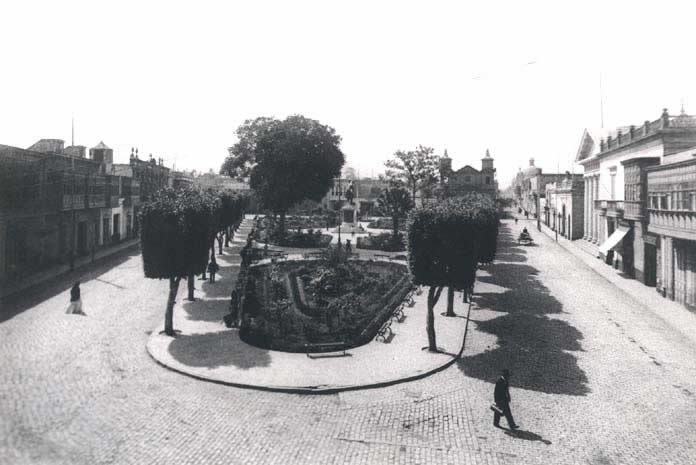
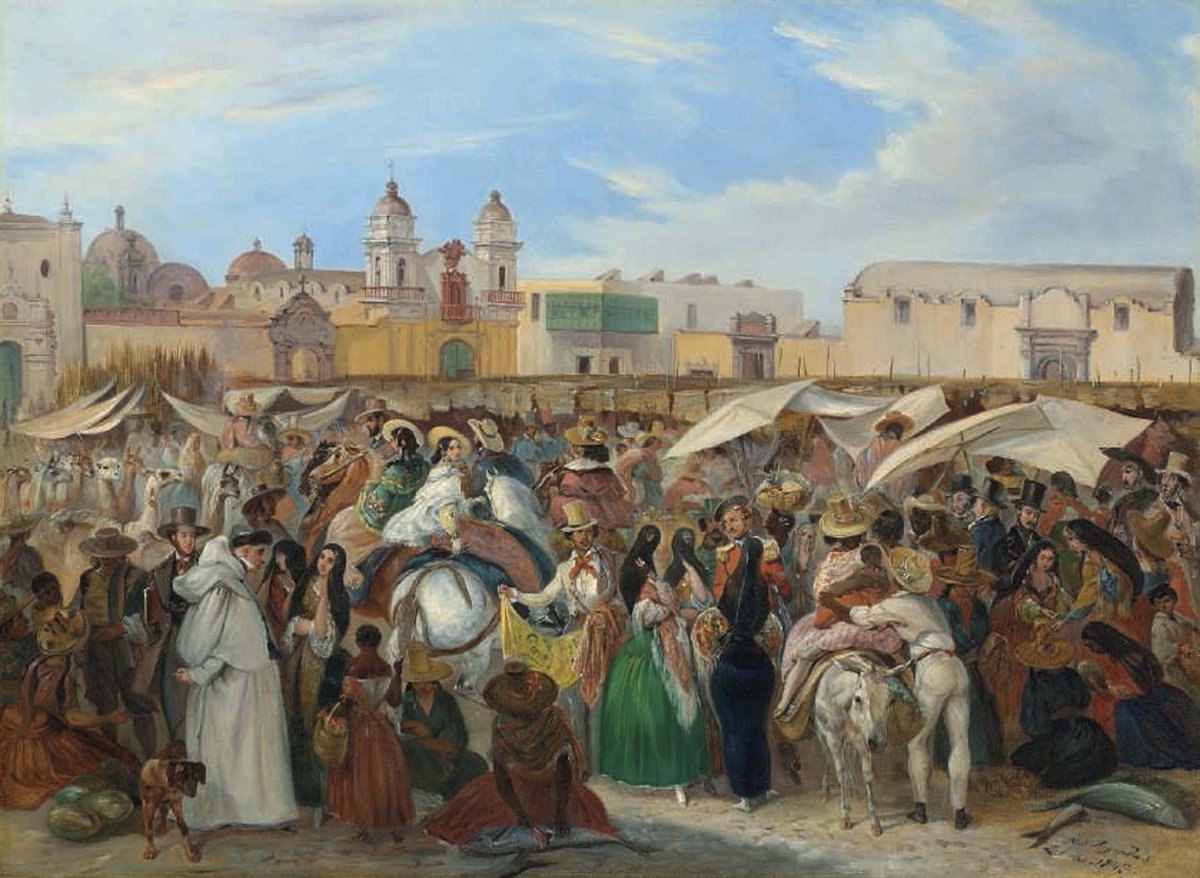
Established in the 16th century, Plaza Bolívar was initially known as Plaza del Estanque, named for the reservoir occupying the site (El Comercio). As Lima evolved, the square became Plaza de las Tres Virtudes Cardinales before earning notoriety as Plaza de la Inquisición, the seat of the Tribunal of the Holy Inquisition from 1570 to 1820 (Wikipedia). Its proximity to the Iglesia de Santa María de la Caridad and the old University of San Marcos highlighted its importance as a religious and educational hub (LimaEasy).
Republican Transformation and Independence
Plaza Bolívar’s national prominence was cemented in 1821 when General José de San Martín declared Peru’s independence here. The square was briefly renamed Plaza de la Constitución before being officially dedicated to Simón Bolívar in 1825, honoring his vital role in South American liberation (Wikipedia).
The Monument to Simón Bolívar
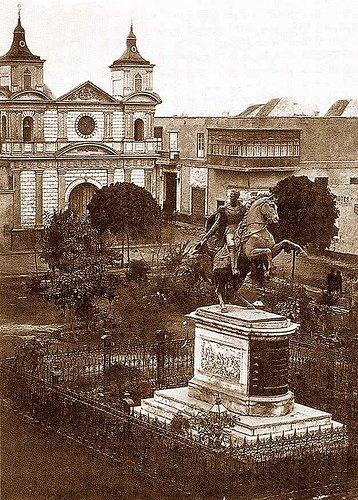
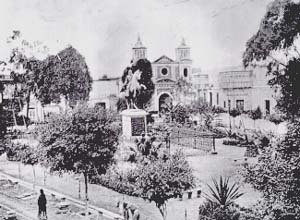
The plaza’s focal point is the four-meter bronze statue of Simón Bolívar, crafted by Adamo Tadolini and unveiled in 1859. This imposing monument, commissioned by the Peruvian Congress, underscores Bolívar’s contribution to Peru’s independence and the enduring ideals of liberty and unity (El Comercio).
Urban Development and Architectural Evolution
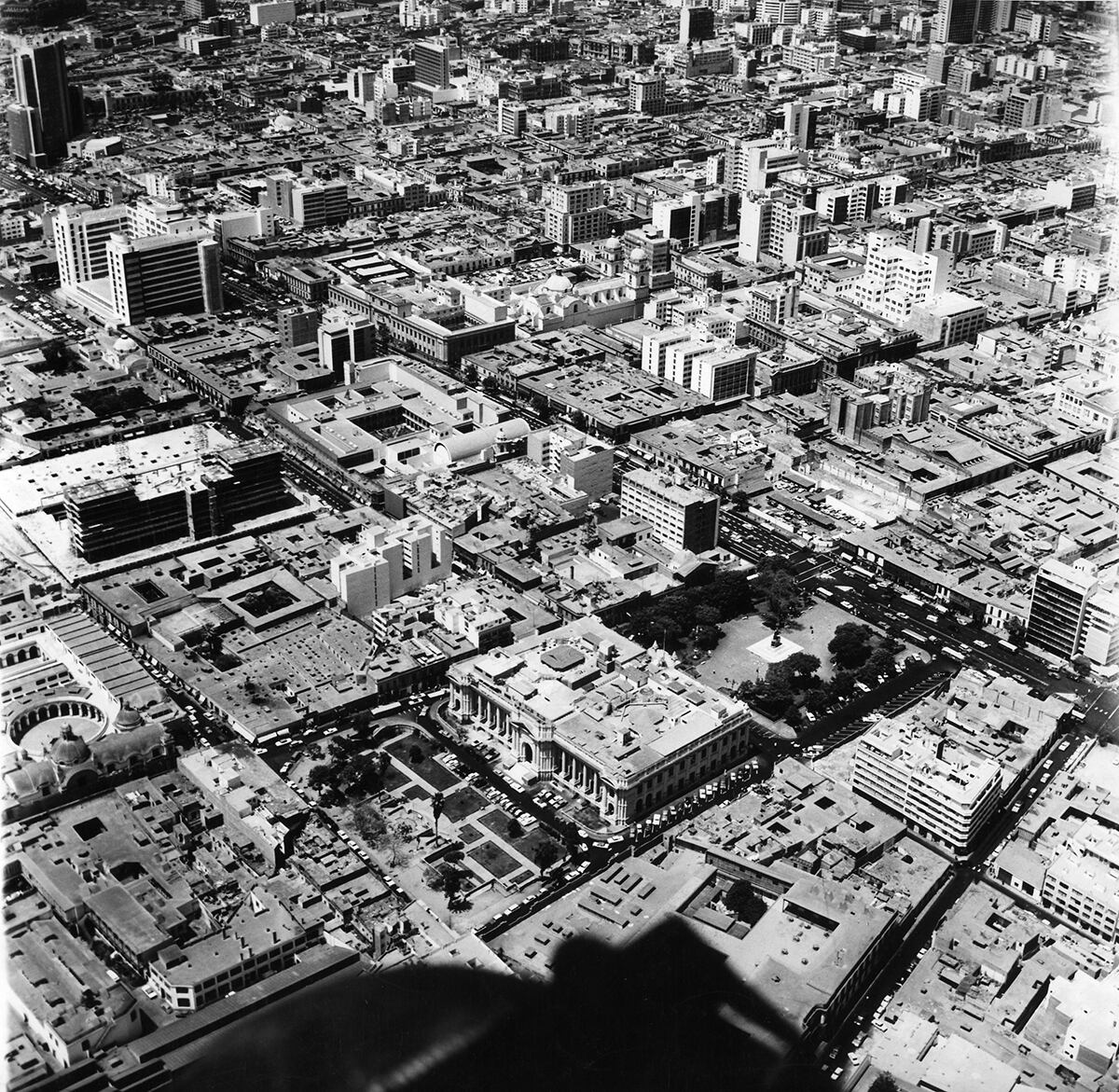
Throughout the 19th century, Plaza Bolívar underwent modernization, with neoclassical elements, new benches, and railings reflecting Lima’s growing urban sophistication (Google Arts & Culture). Construction of the Legislative Palace further enhanced the square’s prestige. The 1949 expansion of Abancay Avenue, however, altered its original layout and reduced its size (LimaEasy).
Architectural and Cultural Significance
Notable Buildings and Urban Design
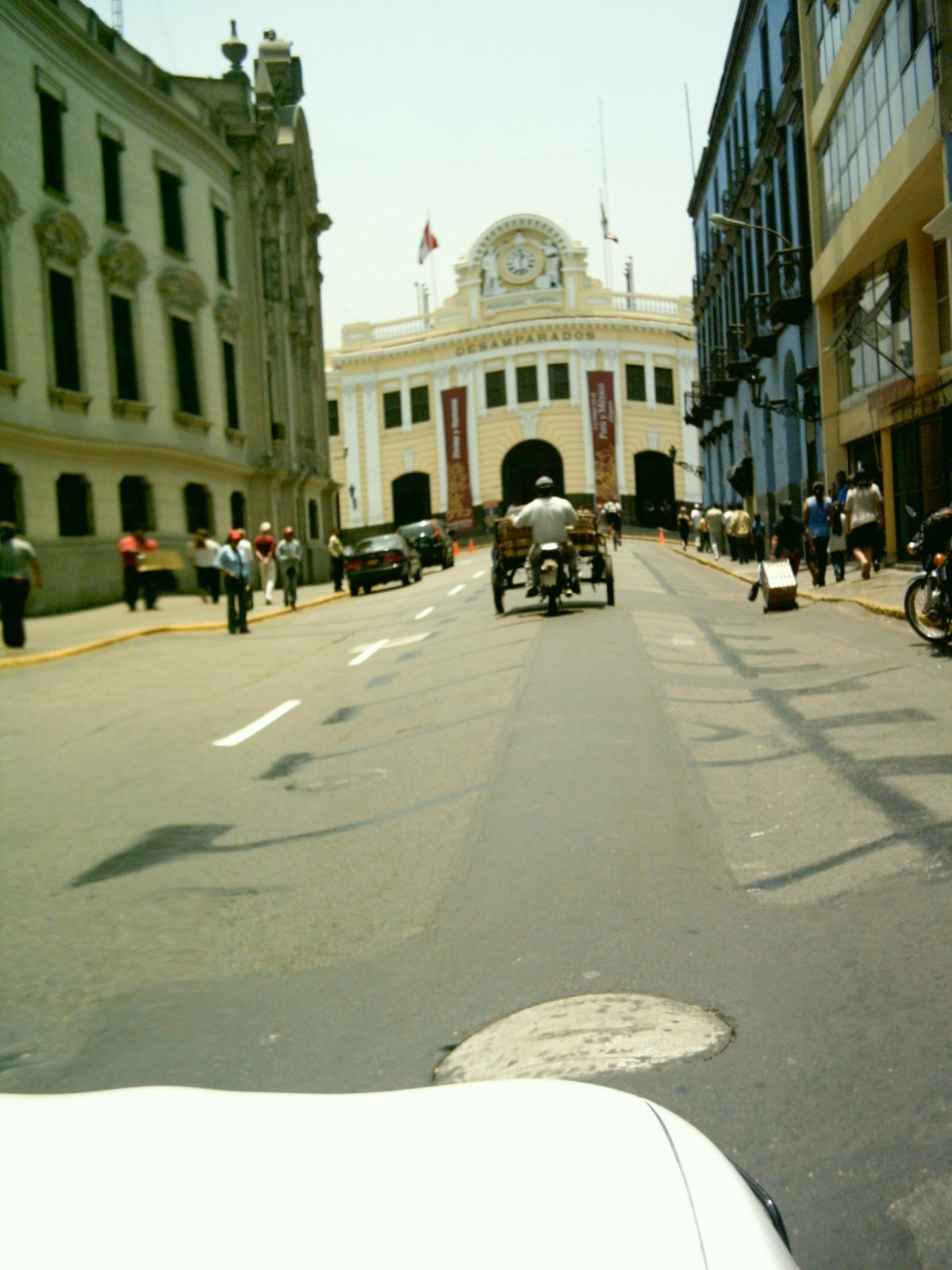
Plaza Bolívar is surrounded by grand structures, including the Palacio Legislativo (home to the Peruvian Congress), Palacio de Justicia, and colonial mansions featuring neoclassical and baroque elements. Their ornate facades, cedar and mahogany balconies, and imposing columns showcase the architectural legacy of both colonial and republican eras (CeficPeru).
The plaza itself is enhanced by manicured gardens, tree-lined walkways, and symmetrical design, exemplifying Spanish colonial urban planning and providing a scenic space for public gatherings.
The Obelisco de Lima
A distinctive feature of the plaza is the Obelisco de Lima, a 20-meter monument erected in 1821 to commemorate independence. Its placement alongside an elegant fountain adds grandeur and serves as a popular social spot (CeficPeru).
Plaza as Civic and Cultural Hub
Historically, Plaza Bolívar has hosted the Constituent Congress and the signing of the Peruvian Constitution. Today, it is a venue for national celebrations such as Independence Day, music festivals, art exhibitions, and public demonstrations. Its proximity to government institutions cements its status as a center for civic engagement (CeficPeru).
Visiting Information
Hours and Accessibility
- Plaza Bolívar: Open to the public 24/7, though direct access inside the fenced central area may be limited and is typically allowed during guided tours or special events.
- Surrounding Buildings: The Legislative Palace and Church of San Pedro have their own visiting hours; check ahead for access requirements.
Tickets
- Plaza Bolívar: No entry fee for the square itself.
- Guided Tours: Fees may apply, depending on the provider and included sites.
Accessibility
- General Access: The plaza is pedestrian-friendly and wheelchair accessible, with flat, paved surfaces and ramps at key entrances.
- Historic Buildings: Some may have limited accessibility due to preservation constraints.
Getting There
- Taxi/Rideshare: Registered taxis or rideshare apps (Uber, InDriver) are recommended for safety, especially after dark.
- Public Transport: The Metropolitano bus system serves stops near the plaza. Remain vigilant for pickpocketing.
- On Foot: Easily reached from Plaza Mayor and other landmarks in the historic center.
What to See and Do
- Admire the Bolívar Statue and Obelisk: Central to the plaza’s identity and history.
- Explore Surrounding Architecture: Notable buildings include the Legislative Palace and colonial mansions.
- Visit the San Francisco Monastery: Renowned for its baroque façade, extensive catacombs, and historic library (sacavoyage.fr).
- Tour the Casa de Osambela and Casa de la Trece Monedas: Explore Lima’s aristocratic history and architectural splendor (wanderlog.com).
- Attend Cultural Events: Check for public celebrations, art exhibitions, and music performances.
Practical Tips
- Safety: The plaza is safe during the day. Exercise caution with valuables, especially during events or in less crowded areas.
- Facilities: Benches and shaded areas are available; restrooms can be found in nearby museums or cafes.
- Dress Code: Modest attire is advisable, especially for visits to churches or official buildings.
- Language: Basic Spanish is helpful; translation apps can be valuable.
- Money: Carry small denominations of Peruvian soles; cash is preferred by street vendors.
Nearby Attractions
- Plaza Mayor (Plaza de Armas): Lima’s primary square with the Cathedral and Government Palace (planetware.com).
- Jirón de la Unión: A vibrant pedestrian street linking major squares (sacavoyage.fr).
- Museo de la Inquisición y del Congreso: Adjacent to the plaza, exploring inquisitorial and legislative history.
- Plaza San Martin: Another historic square with impressive architecture and the Gran Hotel Bolivar (sacavoyage.fr).
Frequently Asked Questions (FAQ)
Q: What are Plaza Bolívar’s visiting hours?
A: The plaza is open 24 hours daily. Access inside the fenced central area is typically limited to guided tours and special events.
Q: Is there an entrance fee?
A: No, visiting the plaza is free. Guided tours or entry to nearby buildings may require tickets.
Q: Are guided tours available?
A: Yes, various local agencies offer tours in English and Spanish, often including Plaza Bolívar and adjacent landmarks.
Q: Is the plaza accessible for people with disabilities?
A: The square itself is wheelchair accessible; some historic interiors may be less so.
Q: What nearby attractions should I include?
A: San Francisco Monastery, Casa de Osambela, Plaza de Armas, and the Museo de la Inquisición y del Congreso.
Visuals and Media
- Best Photography Times: Early mornings and late afternoons offer optimal lighting.
- Photography: Permitted in the plaza; check for restrictions in museums or government buildings.
- Virtual Tours: Available through official Lima tourism websites and apps.
Preservation and Modern Challenges
Ongoing restoration projects and conservation efforts maintain Plaza Bolívar’s historical and architectural integrity, balancing modernization with heritage preservation (DiscoverWalks). The plaza continues to adapt to Lima’s contemporary urban life while retaining its historical importance (CeficPeru).
Plan Your Visit
- Best Times: Daylight hours for safety and the most vibrant atmosphere.
- Events: Check Lima’s official tourism sites for updates on special events and guided tours.
- Travel Light: Carry essentials only and secure valuables.
- Emergency Contacts: Police (105), local embassy, and tourist police in the historic center.
Summary
Plaza Bolívar is essential for understanding Lima’s—and Peru’s—history, from the colonial era through independence to its present-day role as a civic and cultural center. With free access, striking architecture, and proximity to key attractions, it offers visitors a deep connection to Peru’s national heritage. Plan your visit with the latest tips and enjoy a memorable experience at one of Lima’s most storied landmarks.
Listen to the full story in the app
The whole Plaza Bolívar,
told well.
Audio guides for 1,100+ cities across 96 countries. History, stories, and local insight — offline ready.

Verified, and shown.
Researched and written by the Audiala editorial team from historical records, architectural archives, and local expertise.
Researched from Wikidata, Wikipedia & official sources · fact-checked · How we make our guides →