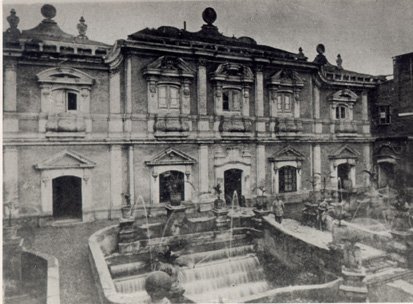
Introduction
Located in the Jirón Madera of the Rímac District in Lima, Peru, Paseo de Aguas is a historical promenade that has long been a captivating site for visitors. Constructed between 1770 and 1776 under the direction of Viceroy Manuel de Amat y Juniet, this iconic landmark was inspired by a water feature in Narbonne, France. Despite initial opposition from local residents concerned about water supply, the promenade quickly became a popular recreational space (Turismo Peruano).
Paseo de Aguas is not just an architectural marvel but a cultural landmark as well. The promenade's design, featuring a waterfall, gardens, and fountains, reflects the international influences of the time and the colonial architecture of the 18th century. It holds a special place in Peruvian culture and history, with myths suggesting it was built to flatter Viceroy Amat's lover, the singer and actress Micaela Villegas, also known as La Perricholi (UNESCO).
In recent years, significant restoration efforts have revitalized the Paseo de Aguas, making it a must-visit destination for both locals and tourists. This guide provides comprehensive visitor information, including historical context, architectural highlights, and practical travel tips, ensuring an enriching experience for anyone looking to explore this remarkable site.
Photo Gallery
Explore Paseo De Aguas in Pictures
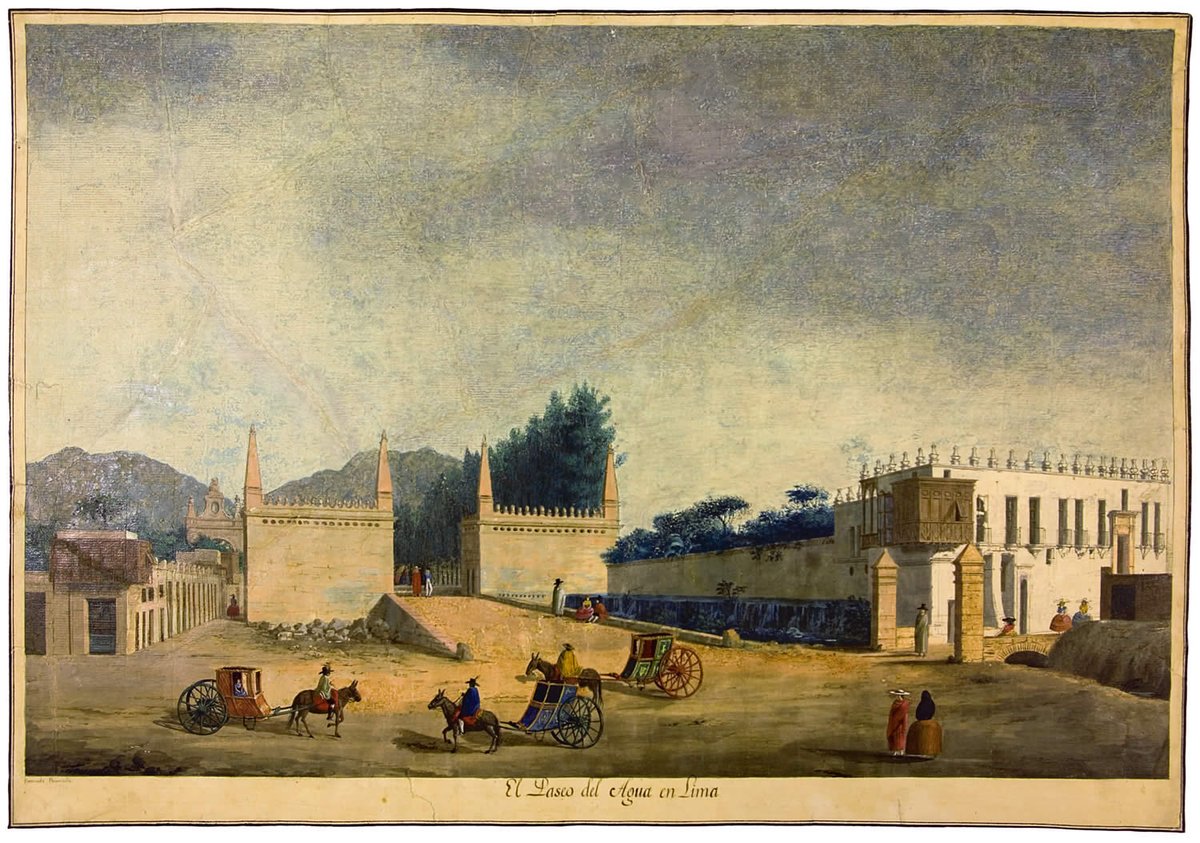
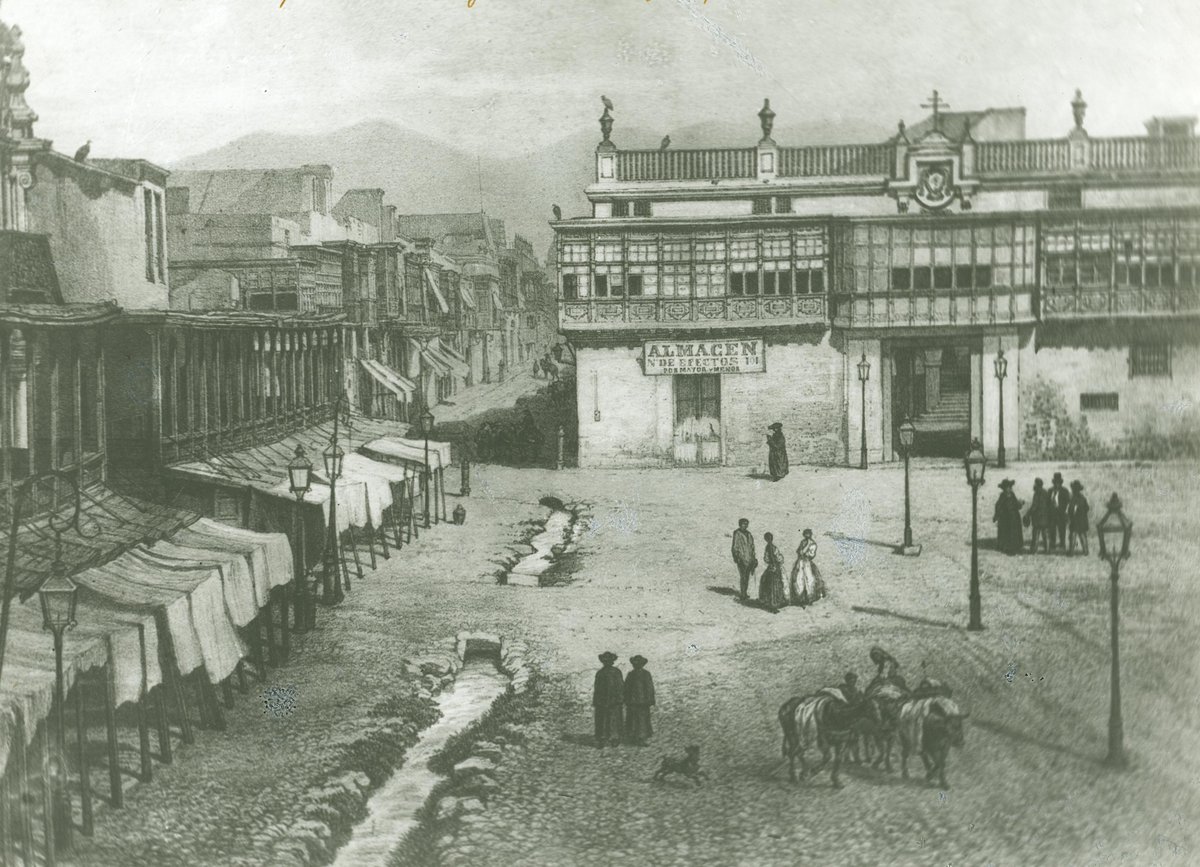
El Paseo del Agua en Lima, a watercolor and ink artwork on paper measuring 40.5 x 63.5 cm, housed in Museo Naval de Madrid
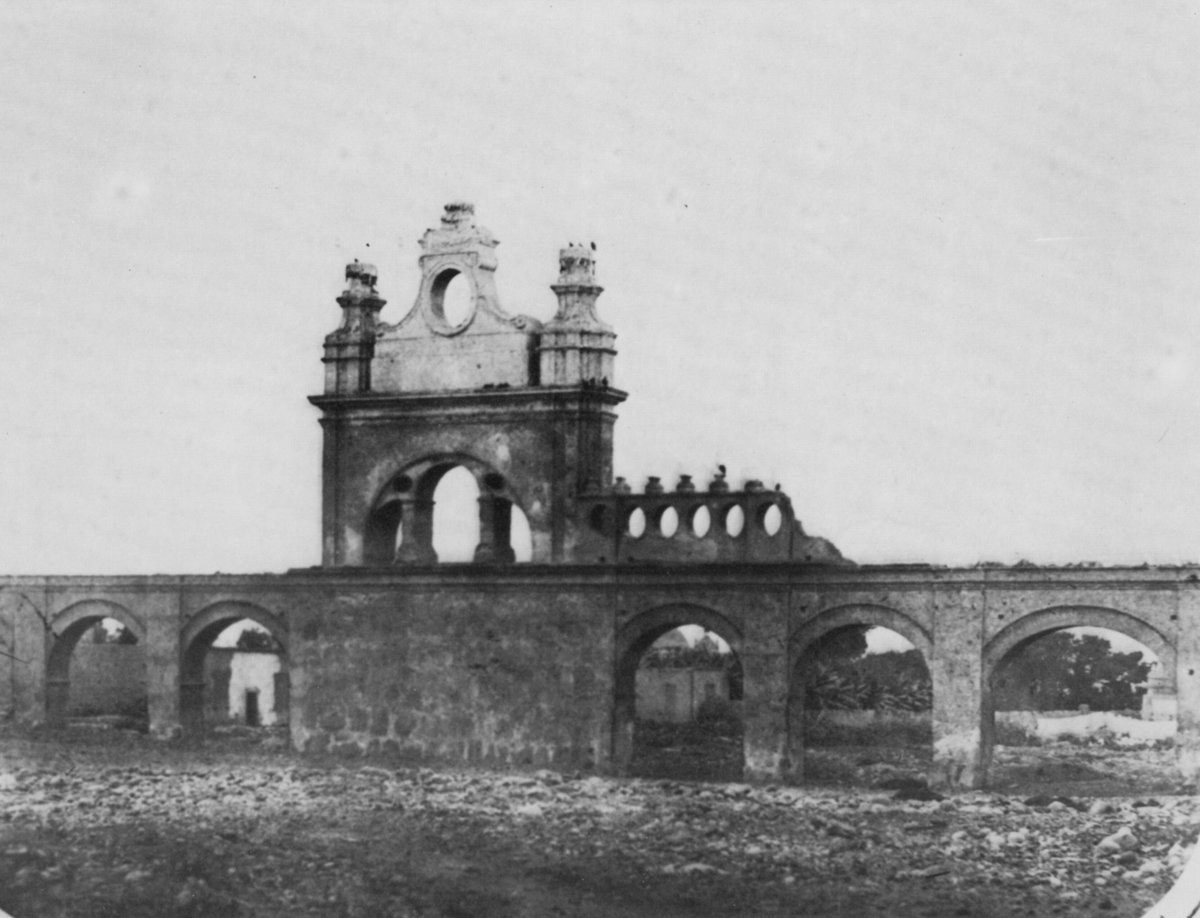
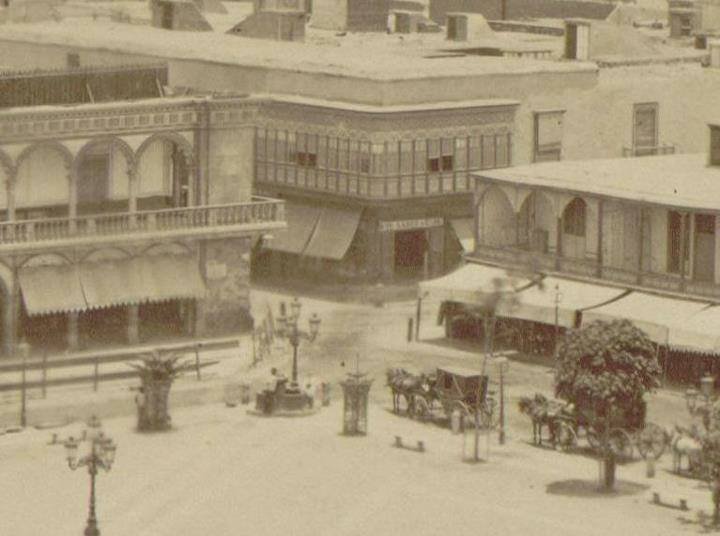
Photograph by Eugenio Courret showing the historic stone walls along the Paseo de Aguas on the Rímac riverbank in Lima, Peru, illustrating 19th-century architecture and urban landscape.
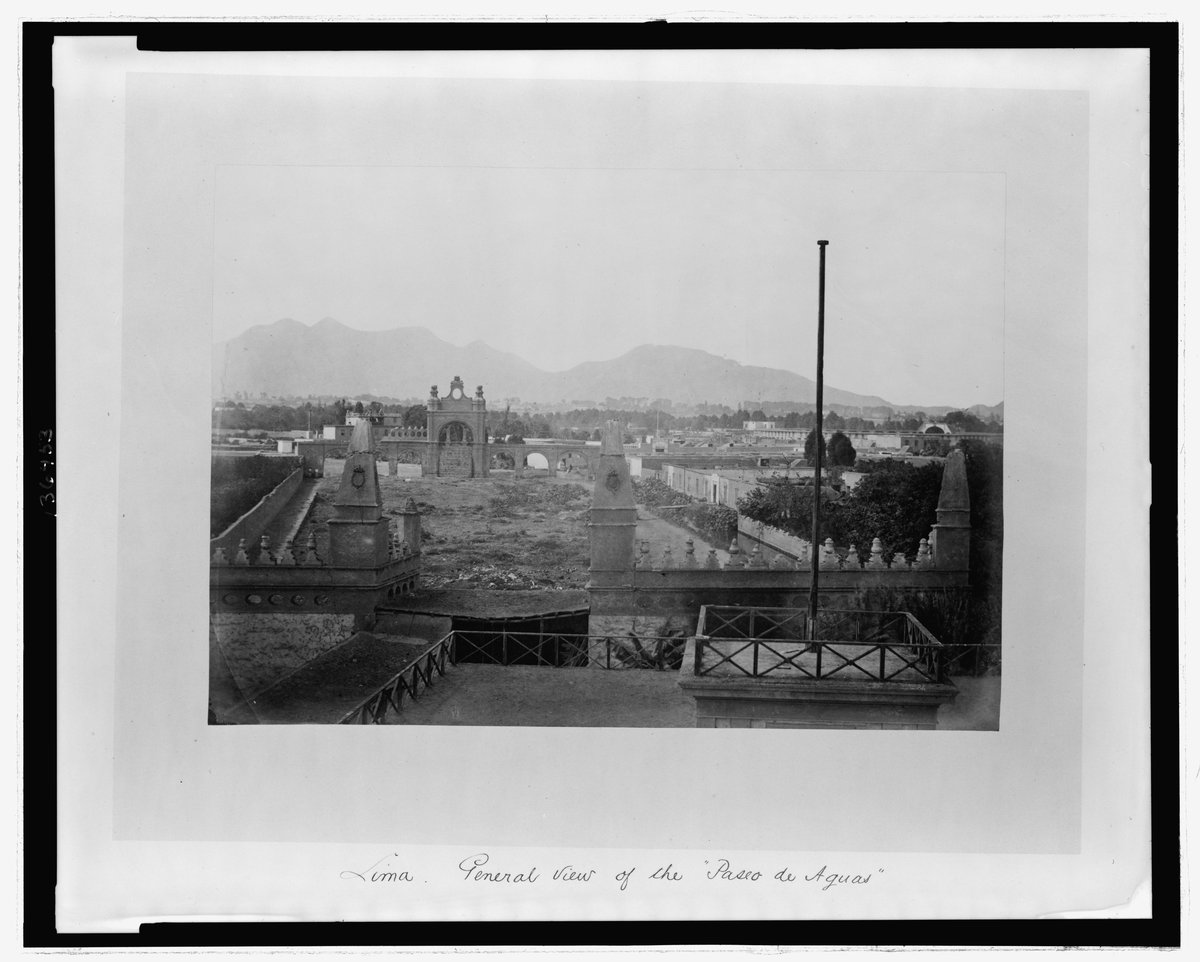
Historic photographic print showing the general view of the Paseo de Aguas in Lima, Peru, featuring classic architecture and water features
History of Paseo de Aguas
Construction and Early Years
The Paseo de Aguas, initially named Paseo de la Carbona, was constructed between 1770 and 1776 under the direction of Viceroy Manuel de Amat y Juniet. Inspired by a water feature in Narbonne, France, the promenade was designed to include a waterfall, gardens, fountains, and other water features. Despite opposition from local residents concerned about water supply, the Paseo de Aguas was inaugurated in 1772, though it remained unfinished. It quickly became a popular recreational space, reflecting the international influences of the time (Turismo Peruano).
19th Century Developments
By the mid-19th century, the Paseo de Aguas had evolved to include a tram station and its offices, marking a significant shift in its use and importance. In 1856, both the Paseo de Aguas and the nearby Alameda de los Descalzos were redesigned, including the installation of a wrought-iron fence imported from England and large entrance gates, as well as the placement of 100 marble benches and 12 zodiac statues made of Carrara marble.
20th Century to Present
The early 20th century saw further changes and restorations. In 1938, the archery of the Paseo de Aguas was restored, and by the 1950s, the site had become a run-down municipal garden known for hosting the San Juan festival. Significant efforts to revitalize the Paseo de Aguas began in the 21st century. In 2014, the Municipality of Lima initiated extensive remodeling works, and by July 2015, renovations were completed, restoring the promenade to its former glory.
Architectural Features
The Paseo de Aguas is characterized by its distinctive architectural features, including a larger central arch and a sequence of lower arches on both sides, crowned by a succession of oculi and pinnacles. These elements reflect the colonial architecture of the 18th century. The promenade is connected by the Hulgayoc street to the Alameda de los Descalzos and by the Alameda de Bobos to the Acho bullring, highlighting the integrated design of Lima's historical recreational spaces.
Cultural Significance
The Paseo de Aguas holds a special place in Peruvian culture and history. A popular myth recorded by Ricardo Palma in his book "Peruvian Traditions" suggests that Viceroy Manuel de Amat y Juniet built the promenade to flatter his lover, the singer and actress Micaela Villegas, also known as La Perricholi. In 1781, Villegas acquired a house-mill located between the Paseo de Aguas and the Alameda de los Descalzos, further cementing her connection to the area.
Modern-Day Relevance
Today, the Paseo de Aguas continues to be a significant landmark in Lima. The 2014-2015 renovations have revitalized the promenade, making it a popular destination for both locals and tourists. The gardens, fountains, and water features have been restored, providing a picturesque setting for leisure and recreation.
Visitor Information
- Visiting Hours: The Paseo de Aguas is typically open daily from 9 AM to 6 PM. However, it's advisable to check the official website or contact local authorities for any updates or changes to operating hours.
- Tickets: Entry to the Paseo de Aguas is free of charge. Special events or guided tours may have associated costs, so it's best to verify this information in advance.
- Accessibility: The promenade is accessible to visitors with disabilities, with pathways and facilities designed to accommodate all visitors.
- Travel Tips: Wear comfortable shoes for walking, bring water, and consider visiting early in the morning or late in the afternoon to avoid the midday heat.
Nearby Attractions
- Alameda de los Descalzos: A historic promenade featuring beautiful gardens and pathways, located nearby.
- Acho Bullring: The oldest bullring in the Americas, offering a glimpse into Lima's cultural heritage.
FAQs
- Is there an entry fee for Paseo de Aguas? No, entry is free of charge.
- What are the best times to visit? Early mornings or late afternoons are ideal to avoid the heat.
- Are guided tours available? Yes, guided tours are available and can provide a deeper insight into the history and significance of the promenade.
Listen to the full story in the app
Your Personal Curator, in Your Pocket.
Audio guides for 1,100+ cities across 96 countries. History, stories, and local insight — offline ready.
Audiala App
Available on iOS & Android
Join 50k+ Curators
Sources
-
verified
Turismo Peruano
Paseo de Aguas, Lima
-
verified
UNESCO
Historic Centre of Lima
- verified
-
verified
Evolution Treks Peru
Circuito Mágico del Agua
- verified
Last reviewed: