Plan and listen to Metropolitan Museum Of Lima with Audiala.
Audio guide in your pocket, itinerary in your browser. Built for the way you actually visit.
Introduction: History and Cultural Significance
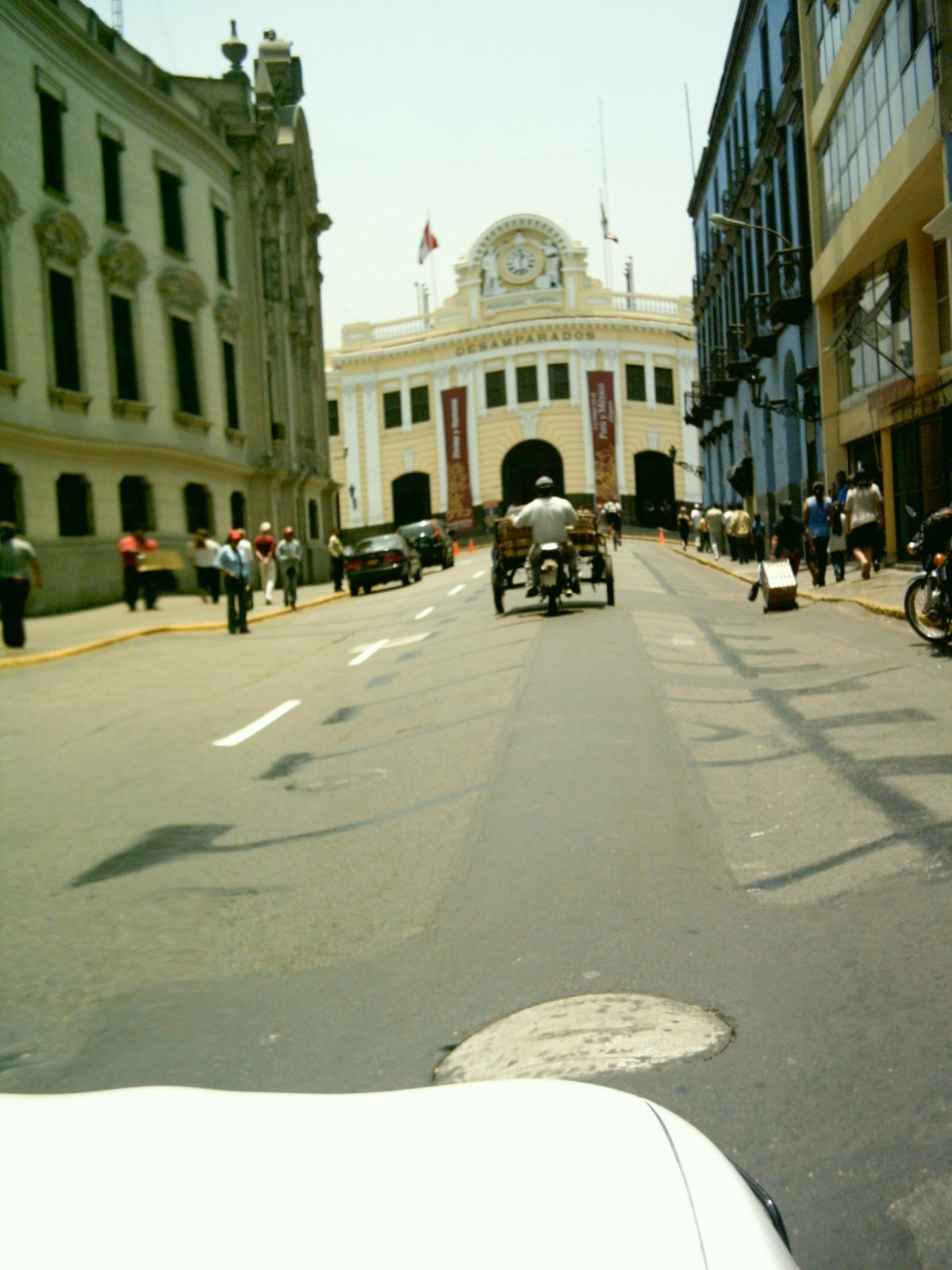
The Metropolitan Museum of Lima (Museo Metropolitano de Lima) stands as a dynamic cultural landmark in Peru’s capital, inviting visitors to experience Lima’s multifaceted history through immersive, multimedia storytelling. Situated in the historic Cercado de Lima district—a UNESCO World Heritage Site celebrated for its colonial and republican architecture—the museum uniquely combines Lima’s rich past with cutting-edge technology. Instead of focusing solely on artifacts, the museum uses 3D projections, holograms, and interactive displays to narrate the city’s evolution, from ancient indigenous civilizations through colonial rule, independence, and into the modern age.
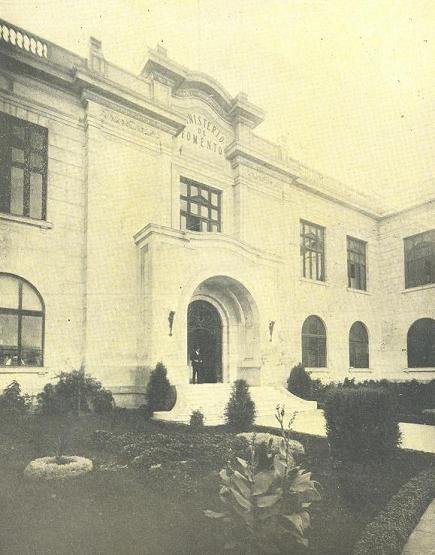
Housed within a beautifully restored early 20th-century neoclassical building, the museum reflects both Lima’s republican aspirations and its commitment to cultural heritage. Its transformation from municipal offices to a modern museum involved meticulous restoration, preserving the grand stone façade while creating state-of-the-art exhibition spaces. The museum’s central location makes it an excellent starting point for exploring Lima’s other historic and cultural sites, including Plaza Mayor, the San Francisco Monastery, and the city’s iconic colonial balconies (UNESCO, Machu Picchu Viajes Peru, Salkantay Trekking).

Historical Context and Urban Setting
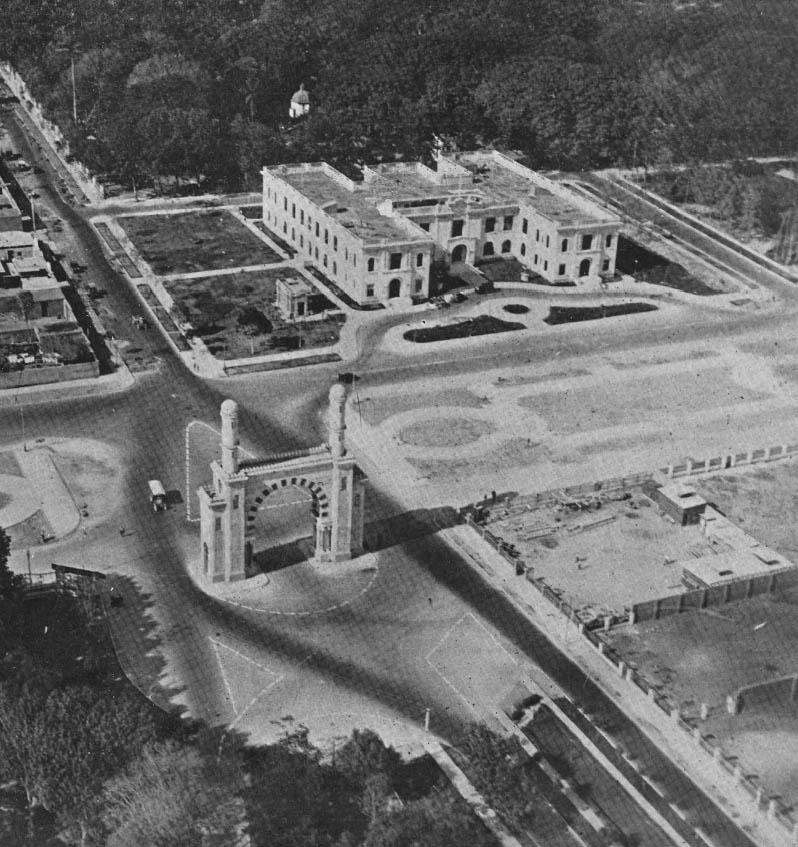
Located in Lima’s historic center, the Metropolitan Museum anchors the city’s narrative from its foundation by Francisco Pizarro in 1535 through its status as a cultural crossroads. The Cercado de Lima district, home to the museum, is renowned for its concentration of colonial and republican architecture and serves as the city’s political and cultural heart (UNESCO).
The museum’s narrative traces Lima’s transformation from pre-Hispanic settlements, through the Spanish colonial era, to the diverse metropolis it is today. Its focus on Lima’s urban, social, and political evolution distinguishes it from other local museums that focus more broadly on Peruvian art and archaeology (Salkantay Trekking).
Museum Building Transformation
The neoclassical building housing the museum, with its grand columns and symmetrical design, is itself part of Lima’s heritage. Originally serving as municipal offices and cultural venues, it was transformed into the museum through:
- Structural Reinforcement: Upgraded to withstand seismic activity.
- Restoration: Revived neoclassical façades and intricate interior details.
- Modernization: Redesigned interiors for multimedia exhibits and flexible galleries (Machu Picchu Viajes Peru).
Visiting the Metropolitan Museum of Lima: Hours, Tickets, and Visitor Information
Visiting Hours
- Tuesday to Sunday: 9:00 AM – 6:00 PM
- Extended Hours: Select Thursdays until 8:00 PM
- Closed: Mondays and national holidays
Always check the official website for updates.
Tickets and Admission
- General Admission: 15 PEN (approx. $4.50 USD)
- Discounted Rates: Students and seniors 8 PEN, children under 12 free
- Online Tickets: Available on the official website; recommended to avoid queues
- Free Admission: First Sunday of each month for Peruvian residents
Accessibility
The museum is fully accessible, with ramps, elevators, and adapted restrooms. Audio guides and printed materials are available in both Spanish and English, and staff are trained to assist visitors with disabilities.
Facilities and Services
- Café: Serving snacks and light meals
- Gift Shop: Books, souvenirs, and local crafts
- Free Wi-Fi: In public areas
- Lockers: Secure storage for personal items
COVID-19 Protocols
Current health measures include mandatory masks, temperature checks at entry, and controlled visitor capacity.
Travel Tips
- Allow at least two hours for a comprehensive visit.
- Use guided tours or audio guides (available in English and Spanish) for deeper insight.
- Interact with multimedia exhibits for an engaging experience, especially for families.
- Check the events calendar for lectures, workshops, or cultural programs.
- Photography: Generally allowed without flash; tripods are prohibited.
Nearby Attractions and Lima Historical Sites
Enhance your visit by exploring other landmarks in the historic center:
- Plaza Mayor: The heart of Lima, surrounded by the Government Palace and Cathedral.
- San Francisco Monastery: Noted for its catacombs and Baroque architecture.
- Colonial Balconies: Examples of Lima’s iconic wooden balconies (Free Walking Tours Peru).
- Huaca Pucllana: Ancient adobe pyramid in Miraflores (Destinationless Travel).
- Barranco District: Famous for street art and nightlife (Destinationless Travel).
Frequently Asked Questions (FAQ)
Q: What are the Metropolitan Museum of Lima’s visiting hours?
A: Tuesday to Sunday, 9:00 AM to 6:00 PM; select Thursdays until 8:00 PM. Closed Mondays and some holidays.
Q: How can I buy tickets?
A: Tickets are available onsite and online via the official website.
Q: Are guided tours available?
A: Yes, in Spanish and English, bookable onsite or in advance.
Q: Is the museum accessible for people with disabilities?
A: Yes, with ramps, elevators, and adapted facilities.
Q: Is photography allowed?
A: Yes, without flash and tripods.
Listen to the full story in the app
The whole Metropolitan Museum Of Lima,
told well.
Audio guides for 1,100+ cities across 96 countries. History, stories, and local insight — offline ready.
Verified, and shown.
Researched and written by the Audiala editorial team from historical records, architectural archives, and local expertise.
Researched from Wikidata, Wikipedia & official sources · fact-checked · How we make our guides →