Plan and listen to Legislative Palace Of Peru with Audiala.
Audio guide in your pocket, itinerary in your browser. Built for the way you actually visit.
Introduction
The Legislative Palace of Peru, located in Lima’s historic center, is a monumental landmark that stands as a symbol of the nation’s democratic ideals and political heritage. Serving as the seat of the Peruvian Congress since the early 20th century, this neoclassical masterpiece is more than just a functional government building—it is an architectural and historical treasure that offers visitors an immersive journey into Peru’s legislative process and national identity.
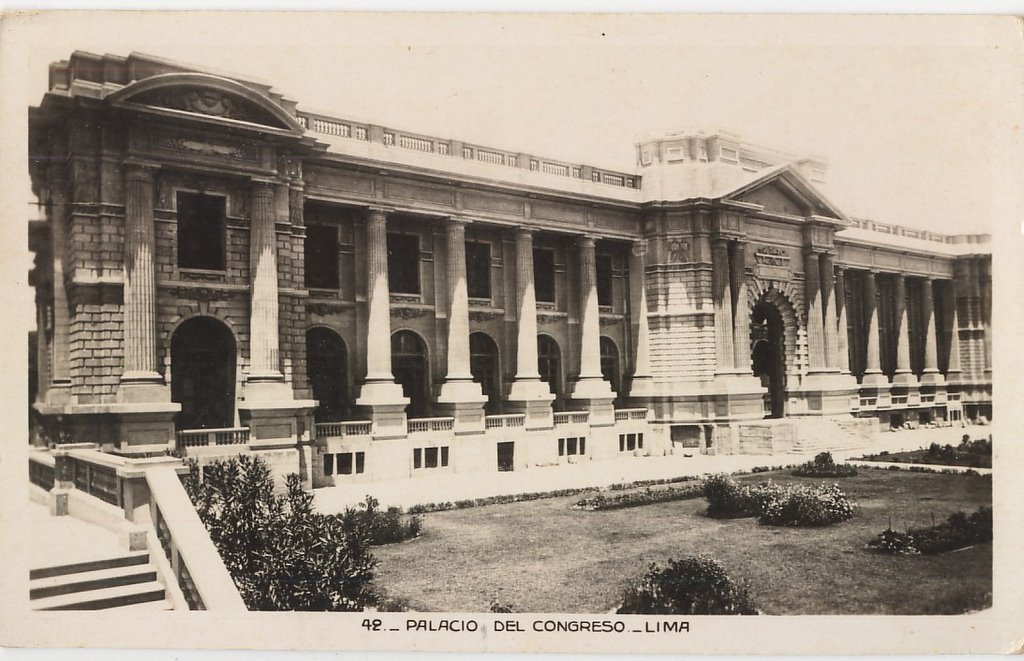
With its imposing façade, grand Corinthian columns, and ornate interiors, the palace is a must-see destination for travelers interested in Peru’s history, architecture, and vibrant democratic traditions. Whether you are drawn by its historical significance, architectural beauty, or central location near other major Lima attractions, the Legislative Palace is an essential stop for anyone exploring the heart of the Peruvian capital (Congress of Peru).
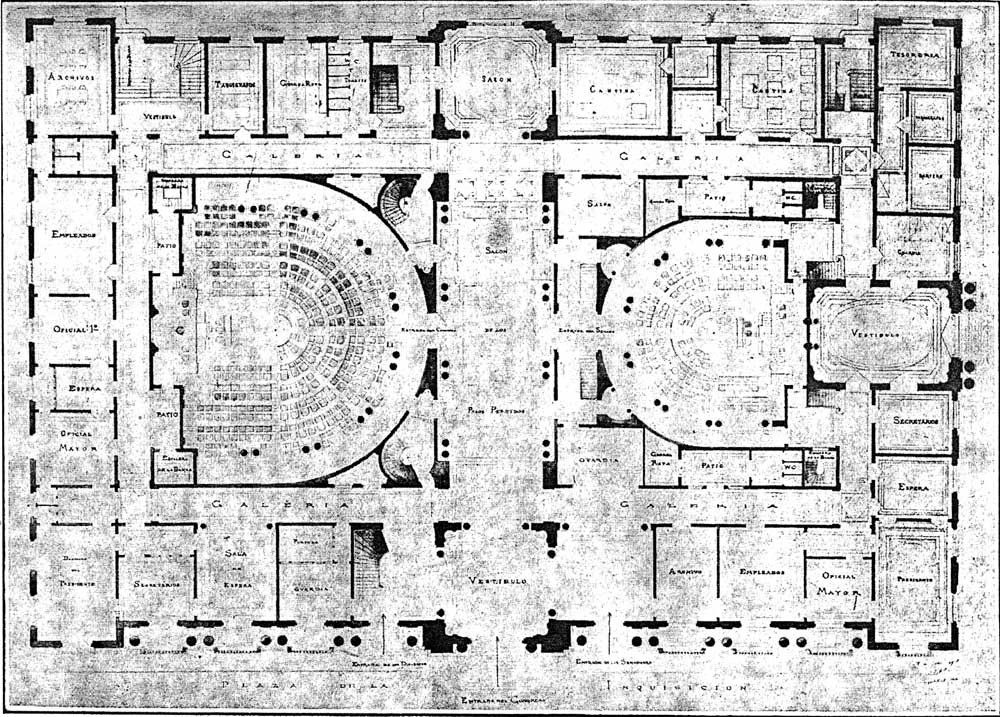
Brief History of the Legislative Palace
The Legislative Palace has been the epicenter of Peru’s democracy since 1822, shortly after the country’s independence. Initially, congressional sessions took place in temporary venues until the current palace’s construction began in 1904. Completed in 1938, the building was designed to reflect the aspirations of the modern Peruvian Republic and to house the legislative branch in a grand and enduring setting. Throughout its history, the palace has witnessed pivotal political events, debates, and reforms that have shaped the nation (Congress of Peru).
Architectural Significance
Designed by French architect Emilio Robert, the Legislative Palace is a prime example of early 20th-century neoclassical (Beaux-Arts) architecture. Its exterior features grand Corinthian columns, symmetrical design, and sculpted pediments, while the interiors include marble floors, stained glass, and richly decorated legislative chambers.
Highlights include:
- Plenary Session Hall: The main chamber where legislative debates occur.
- Raúl Porras Barrenechea Hall: Used for special sessions and events.
- Hall of the Lost Steps: A ceremonial space known for its historical and architectural significance.
Ornate details, period artwork, and portraits of national figures contribute to the palace’s grandeur, making it a living museum of Peruvian political history (Wikipedia).
Visiting Hours & Ticket Information
- Opening Hours: Guided tours are generally available Tuesday to Sunday, from 9:00 AM to 5:00 PM. Hours may vary due to parliamentary sessions or official events.
- Admission: Free of charge, but advance registration is required due to security protocols.
- Booking: Reserve your tour through the official Congress website or by contacting the Museum of the Congress and the Inquisition (LimaEasy).
- Identification: Valid photo ID is required for entry.
Guided Tours & Visitor Experience
Guided tours are the only way to access the Legislative Palace. These tours typically last 45–60 minutes and are available in Spanish and, upon request, English. Tours include the main legislative chamber, ceremonial halls, and exhibition spaces showcasing the legislative process and Peru’s political milestones. Knowledgeable guides provide historical context and architectural insights, creating an enriching visitor experience.
- Group Size: Small groups for quality and security.
- Photography: Allowed in most public areas; confirm with your guide regarding restrictions.
Accessibility
The Legislative Palace is committed to accommodating visitors with mobility challenges. Ramps, elevators, and accessible restrooms are available, though some historic sections may have limited access. Notify staff in advance if you require specific accommodations (LimaEasy).
Location & Getting There
- Address: Plaza Bolívar, Av. Abancay s/n, Lima, Peru
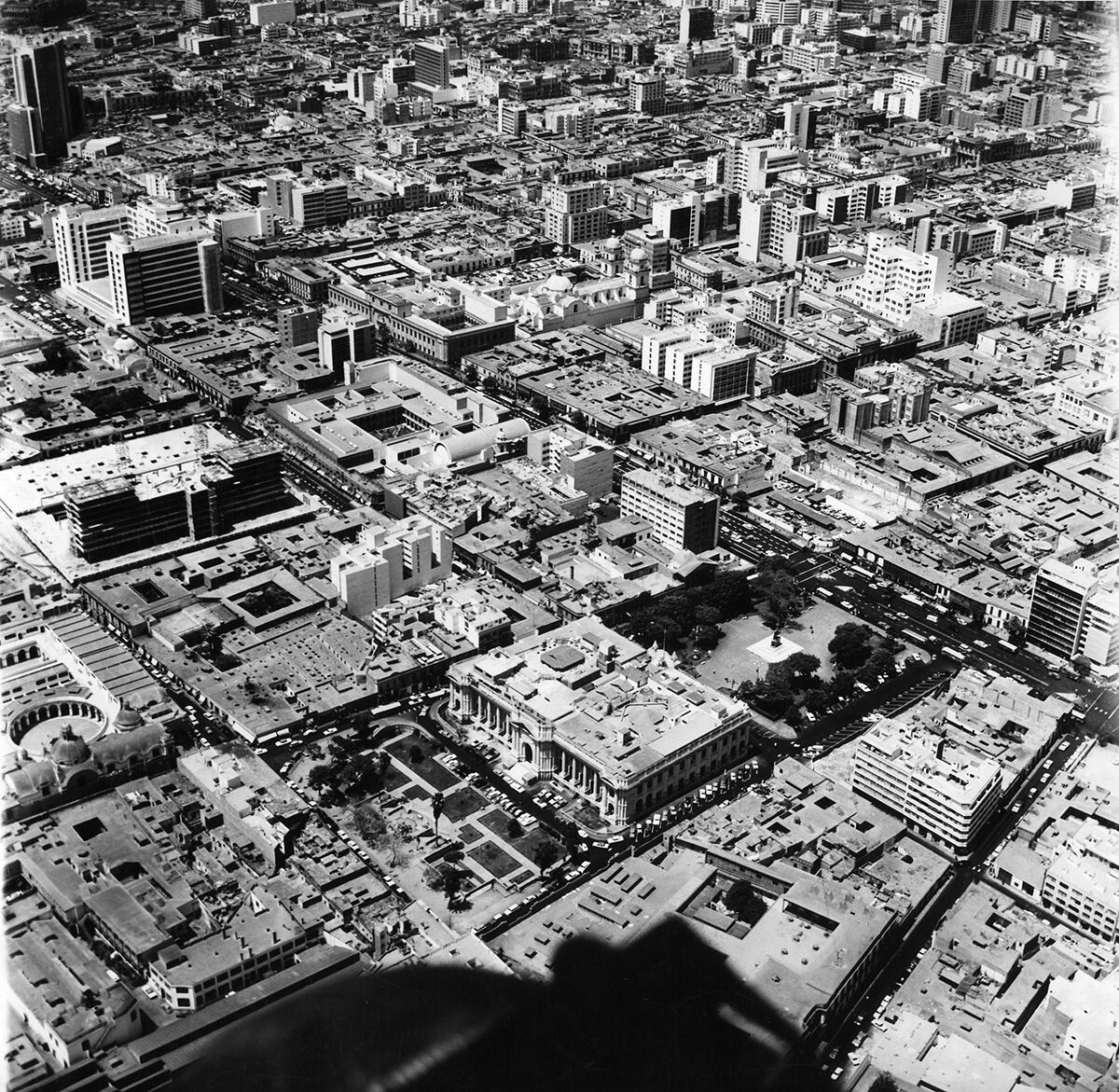
- Neighborhood: Barrios Altos, adjacent to Plaza Bolívar, in Lima’s historic center (Congress of Peru)
- By Taxi/Rideshare: Use reputable services and agree on fares in advance (TravelAwaits), or use apps like Uber and Beat (Lonely Planet).
- By Public Transport: The Metropolitano bus system and local buses serve the area.
- On Foot: Walking is convenient if you are staying nearby.
Security & Visitor Protocols
Due to the palace’s governmental function, security is stringent:
- ID Required: Present a valid passport or national ID card.
- Bag Inspection: All bags are checked; large backpacks and certain items are prohibited.
- Dress Code: Modest attire recommended (business casual).
- Behavior: Maintain respectful conduct; follow guide and security instructions.
- Photography: Permitted in many areas, but restricted in sensitive sections.
Practical Travel Tips
- Book Tours Early: Reserve at least one week in advance.
- Arrive Early: Arrive 15 minutes before your scheduled tour.
- ID: Bring official identification for entry.
- Light Packing: Carry minimal belongings; large bags may be declined.
- Climate: Lima’s weather is mild and often overcast; dress in layers (Lonely Planet).
- Hydration: Water bottles may be restricted; hydrate beforehand.
Nearby Attractions
The Legislative Palace’s central location makes it easy to explore other historical sites:
- Plaza Mayor (Plaza de Armas): Lima’s main historic square.
- Cathedral of Lima: Stunning colonial architecture.
- Government Palace: The presidential residence (EAA Architecture Guide).
- Monastery of San Francisco: Famous for its catacombs and art.
- Casa de la Literatura Peruana: Literary and cultural center (123Peru).
Combine your visit with a walking tour of these attractions for a comprehensive Lima experience.
Special Events & Cultural Activities
The Legislative Palace occasionally hosts public exhibitions, cultural events, and open days—often during national holidays or significant anniversaries. These events may grant access to additional areas. Check the official Congress website for updates.
Cultural Etiquette
- Respect: Remain quiet and attentive during tours.
- Dress: Modest, neat attire is appreciated.
- Language: Basic Spanish phrases can enhance your visit (Trafalgar).
Frequently Asked Questions (FAQ)
Q: Is there a fee to visit the Legislative Palace?
A: No, tours are free but must be booked in advance.
Q: How do I book a guided tour?
A: Reserve through the official Congress website or the Museum of the Congress and the Inquisition.
Q: Are tours available in English?
A: Yes, specify your language preference when booking.
Q: Is the palace accessible for people with disabilities?
A: Yes, with ramps and elevators in key areas; inform visitor services if you need assistance.
Q: Can I take photos inside?
A: Generally, yes in public areas; ask your guide about restrictions.
Listen to the full story in the app
The whole Legislative Palace Of Peru,
told well.
Audio guides for 1,100+ cities across 96 countries. History, stories, and local insight — offline ready.

Verified, and shown.
Researched and written by the Audiala editorial team from historical records, architectural archives, and local expertise.
Researched from Wikidata, Wikipedia & official sources · fact-checked · How we make our guides →