Plan and listen to La Casona De San Marcos with Audiala.
Audio guide in your pocket, itinerary in your browser. Built for the way you actually visit.
Introduction
La Casona de San Marcos stands as one of Lima’s most treasured historical landmarks, seamlessly blending over four centuries of Peru’s colonial, academic, and cultural legacy. Situated in the heart of Lima’s historic center—a UNESCO World Heritage Site since 1988—this iconic complex offers visitors a remarkable opportunity to explore Spanish Baroque architecture adapted to local conditions, alongside museums, theaters, and educational institutions that continue to nurture Peru’s intellectual and artistic traditions (UNESCO World Heritage Centre; Centro Cultural de San Marcos).
Originally established in the early 17th century by the Jesuits, La Casona has evolved through many phases: from a religious novitiate to the distinguished Real Convictorio de San Carlos, and ultimately to the principal seat of the Universidad Nacional Mayor de San Marcos, the oldest university in the Americas. Its grand patios, ornate portals, and ceremonial halls have witnessed pivotal moments in Peru’s history, serving as a hub for scholars, writers, and political debates (UNMSM Official History; El Comercio).
Today, La Casona operates as the Centro Cultural de San Marcos, welcoming visitors Tuesday through Sunday from 9:00 AM to 5:00 PM, with general admission typically at 10 PEN and discounts available. The site is accessible to all, offering guided tours and vibrant cultural programming to illuminate its layered history and architectural beauty (Ministerio de Cultura del Perú; Kiddle).
Whether your interests lie in history, architecture, or contemporary culture, La Casona de San Marcos is a must-see destination for anyone exploring Lima’s heritage.

Origins and Early Development
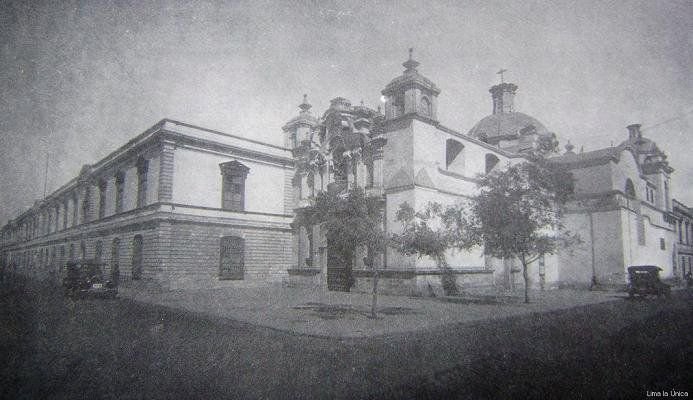
La Casona de San Marcos traces its origins to the late 16th century, in the wake of Lima’s founding by Francisco Pizarro in 1535. Initially, the site belonged to the Jesuit order, who constructed the first buildings as part of their educational and religious mission in the Viceroyalty of Peru (UNESCO World Heritage Centre). After the Jesuits' expulsion in 1767, the property was transferred to the Crown, becoming the Real Convictorio de San Carlos.
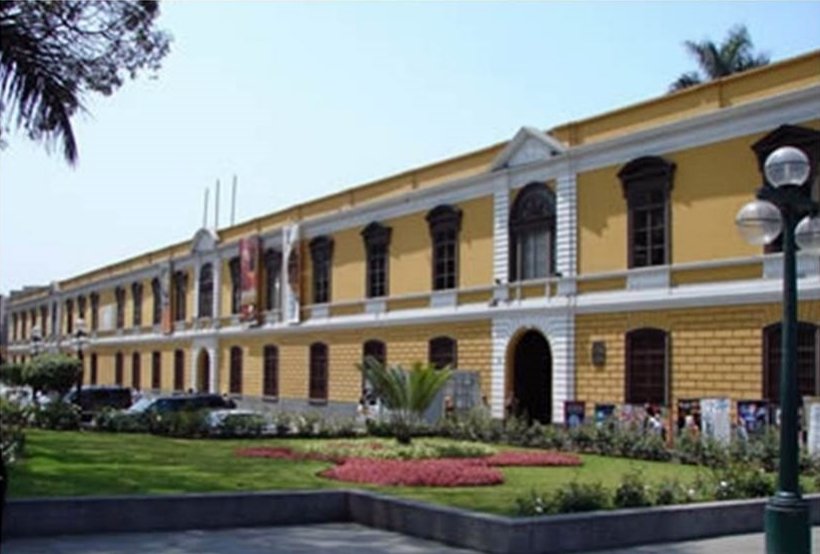
The mansion’s architecture exemplifies the Spanish Baroque tradition, seen in ornate facades, grand courtyards, and intricate woodwork. Early sections were built with adobe and quincha—a local technique combining cane and mud—helping the structure withstand Lima’s frequent earthquakes (Ministerio de Cultura del Perú).
Transformation into a University Hub
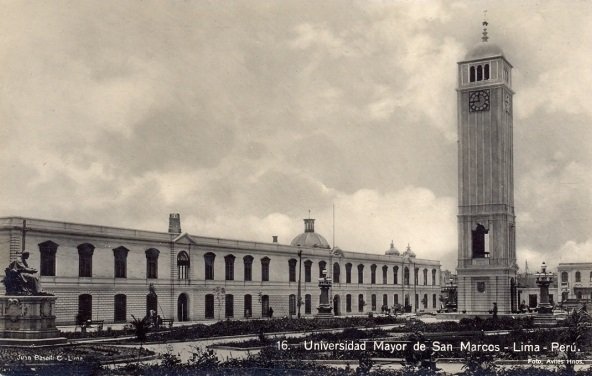
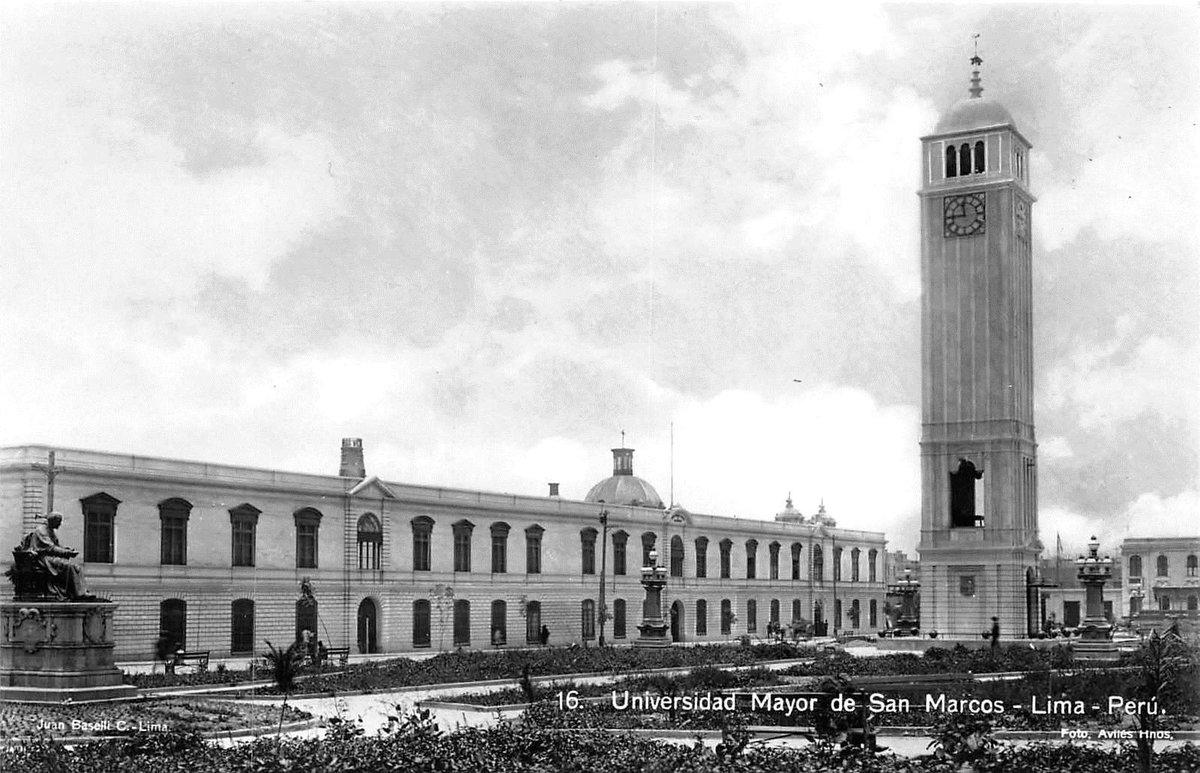
In 1861, La Casona was designated the main seat of the Universidad Nacional Mayor de San Marcos (UNMSM), founded in 1551 and recognized as the oldest university in the Americas (UNMSM Official History). The transition from religious to academic use brought significant renovations, adapting spaces for lecture halls, libraries, and administration.
Throughout the 19th and 20th centuries, La Casona became a focal point in Peruvian intellectual and political life, hosting renowned figures such as Ricardo Palma, César Vallejo, and Mario Vargas Llosa (El Comercio).
Architectural Features and Restoration
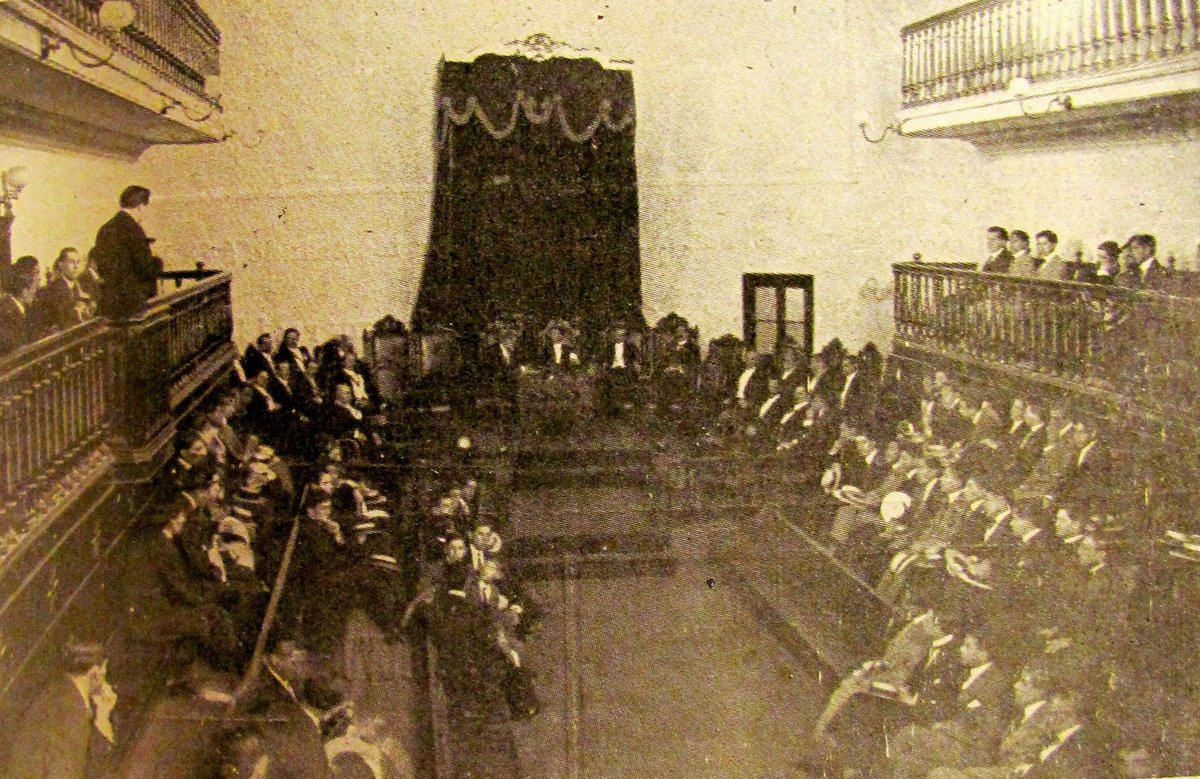
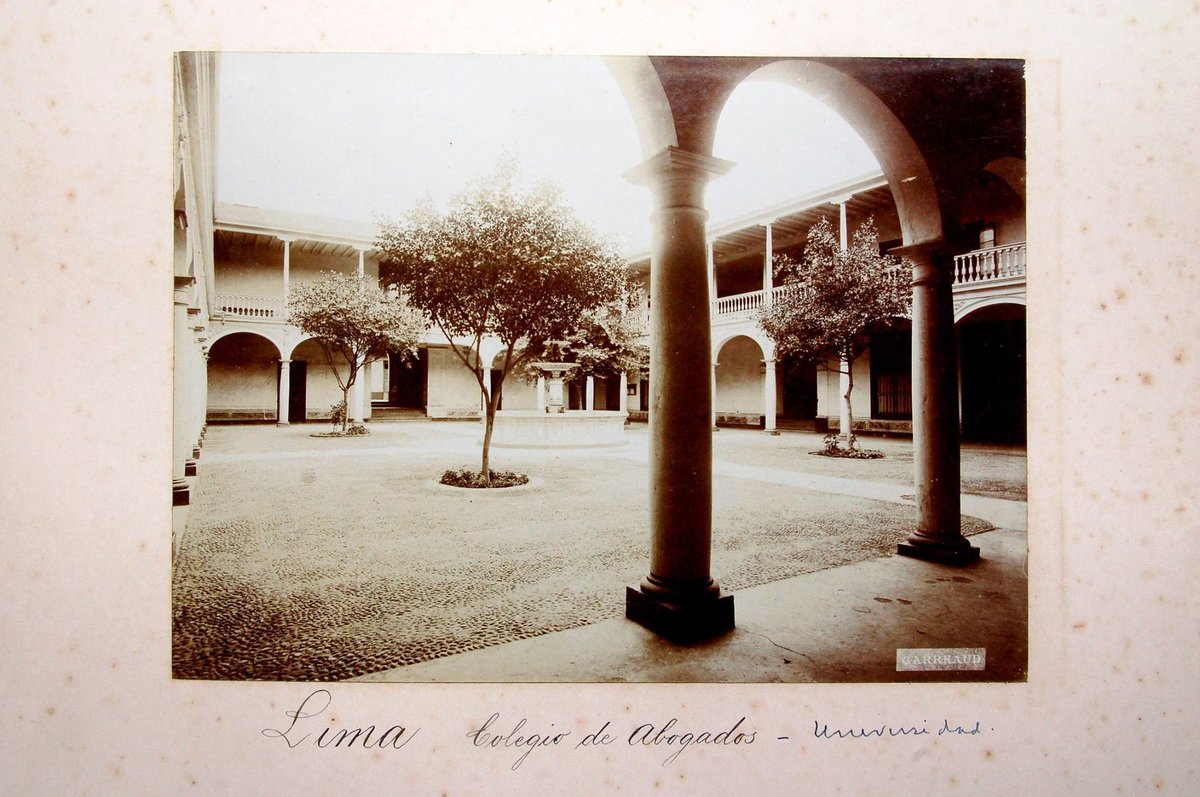
La Casona is celebrated for its harmonious blend of colonial and neoclassical elements. The main entrance, with an elaborate Baroque stone portal, leads to a sequence of interconnected patios surrounded by arcaded galleries. The Salón General, featuring high ceilings and ornate woodwork, served as the university’s main ceremonial hall (Patrimonio Cultural del Perú).
Following significant damage in the earthquakes of 1940 and 1970, comprehensive restoration efforts began in the 1980s, supported by UNESCO and the Spanish Agency for International Development Cooperation (AECID). Restoration prioritized preserving original materials and recovering decorative elements such as murals and carved doors (UNESCO Restoration Project; Agencia Española de Cooperación Internacional para el Desarrollo).
Visitor Information: Visiting Hours, Tickets, and Accessibility
- Visiting Hours: Tuesday to Sunday, 9:00 AM to 5:00 PM. Closed Mondays and public holidays.
- Tickets: General admission is around 10 PEN, with discounts for students, seniors, and groups. Tickets are available onsite; check the official website for updates.
- Accessibility: The site includes ramps and adapted restrooms. Guided tours can be tailored to visitors with special needs upon request.
- Guided Tours & Events: Daily tours offer insight into the mansion’s history and architecture. Special exhibitions, concerts, and theater performances are held regularly—consult the Centro Cultural de San Marcos for schedules.
Travel Tips and Nearby Attractions
- Getting There: Located on Av. Nicolás de Piérola, La Casona is easily accessible by public transport, with the Plaza de Armas metro station nearby. Taxis and rideshare services are also convenient.
- Best Times to Visit: Weekday mornings and early afternoons are less crowded. Weekends often feature additional cultural events.
- Nearby Attractions: Extend your visit to the Plaza Mayor, Cathedral of Lima, Monastery of San Francisco, and the Museum of the Nation (Peru Travel).
Cultural and Educational Significance
La Casona is an enduring symbol of Peru’s educational and cultural heritage. As the historical seat of UNMSM, it has been central to intellectual movements, student activism, and national debates. Today, the Centro Cultural de San Marcos organizes exhibitions, concerts, theater, and academic conferences. Its museums, such as the Museum of Art and the Museum of Archaeology and Anthropology, display collections spanning pre-Columbian to contemporary eras (San Marcos Cultural Center).
Role in Lima’s Urban and Social History
Located in Lima’s historic center, La Casona’s presence has shaped the urban landscape, encouraging the growth of educational and cultural institutions nearby. Its courtyards and gardens have long served as gathering spaces for students and artists, fostering a vibrant community (UNESCO Lima). The adaptive reuse of the building mirrors Lima’s resilience and changing priorities over centuries.
Preservation and Contemporary Use
Protected as a national monument, La Casona’s ongoing maintenance is managed by the university and cultural authorities. Its current role as a cultural center demonstrates a successful model for integrating historic sites into urban life, offering public access to heritage and the arts (Ministerio de Cultura del Perú; San Marcos Cultural Center).
Frequently Asked Questions (FAQ)
Q: What are the opening hours?
A: Tuesday to Sunday, 9:00 AM to 5:00 PM. Closed Mondays and public holidays.
Q: How much does admission cost?
A: General admission is about 10 PEN, with discounts for eligible visitors.
Q: Are guided tours available?
A: Yes, daily in multiple languages. Advance booking is recommended.
Q: Is the site accessible?
A: Most areas are accessible, with ramps and adapted restrooms. Some historic sections may have limited access.
Q: What nearby attractions can I visit?
A: Plaza Mayor, Cathedral of Lima, Monastery of San Francisco, Museum of the Nation.
Discover More
La Casona de San Marcos is a living monument where Peru’s colonial past and vibrant present intersect. Its majestic architecture, rich history, and dynamic cultural offerings make it a highlight for any visitor to Lima. For current information on visiting hours, tickets, and events, visit the Centro Cultural de San Marcos website.
To enrich your visit, download the Audiala app for audio guides, interactive maps, and exclusive content. Follow us on social media for updates and explore our related posts to discover more of Lima’s historic and cultural gems.
Visuals and Media


View La Casona de San Marcos on Google Maps
Virtual Tour of La Casona de San Marcos
Internal Links
- Exploring Lima’s Historic Center: A Visitor’s Guide
- Top Colonial Architecture in Peru
- Cultural Events at Centro Cultural de San Marcos
Listen to the full story in the app
The whole La Casona De San Marcos,
told well.
Audio guides for 1,100+ cities across 96 countries. History, stories, and local insight — offline ready.
Verified, and shown.
Researched and written by the Audiala editorial team from historical records, architectural archives, and local expertise.
Researched from Wikidata, Wikipedia & official sources · fact-checked · How we make our guides →