Introduction
The Escuela Nacional Superior Autónoma de Bellas Artes del Perú (ENSABAP), founded in 1918, is Peru’s premier fine arts institution and a vital cultural landmark in Lima’s historic center. Renowned for its pivotal influence on Peruvian art and its preservation of both colonial architecture and indigenous traditions, ENSABAP offers an immersive experience for art lovers, tourists, and scholars. This comprehensive guide covers ENSABAP’s visiting hours, ticketing information, accessibility, and expert tips to ensure a rewarding visit. Official resources such as the ENSABAP website and the Centro Cultural de Bellas Artes blog provide additional details and updates.
Founding and Early Vision (1918–1932)
ENSABAP was established on September 28, 1918, with classes commencing in 1919 under the guidance of Daniel Hernández Morillo. Rooted in European academic and neoclassical traditions, the institution was created to elevate art education for Peruvian youth and lay the groundwork for a national artistic identity.
Indigenist Movement and Artistic Transformation (1932–1943)
With José Sabogal’s appointment as director in 1932, ENSABAP underwent a profound transformation. The curriculum shifted to embrace Peru’s indigenous and mestizo heritage, integrating pre-Columbian and Andean artistic expressions. This indigenist turn fostered national pride and established ENSABAP as a leader in Latin American artistic innovation.
Mid-20th Century Growth (1940s–1970s)
ENSABAP expanded both academically and physically, introducing modernist and avant-garde styles alongside its traditional focus. Annual exhibitions became major cultural events, solidifying the school’s role in Lima’s thriving art scene.
Modernization and University Status (1980s–Present)
In 2010, ENSABAP achieved university status, now offering accredited degrees in painting, sculpture, engraving, restoration, and art education. The institution remains tuition-free for Peruvian students, underscoring its commitment to accessible art education.
Architectural and Cultural Heritage
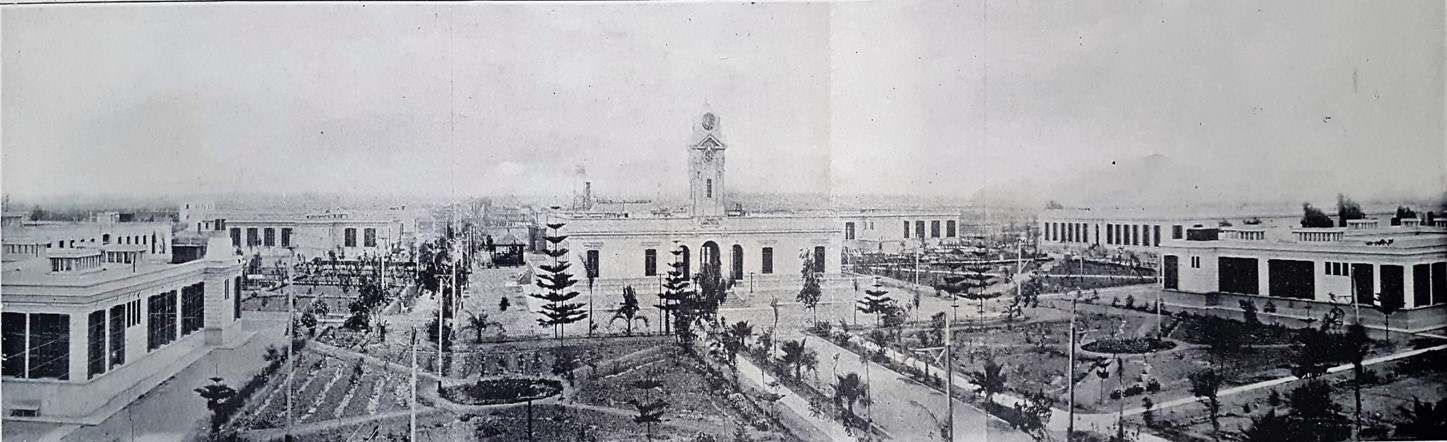
ENSABAP’s campuses are architectural treasures. The main campus at Jirón Áncash 681, housed in a colonial-era structure dating to 1603, is recognized as a "Patrimonio Cultural Inmueble Colonial" (Turismo Peruano). The façade, designed by Manuel Piqueras Cotolí, marries Spanish Baroque and Peruvian motifs. The restored Casa Canevaro and the modern Cultural Centre (Jr. Huallaga 402–426) expand ENSABAP’s reach as both an educational institution and public gallery.
Visiting ENSABAP: Essential Information
Visiting Hours
- Main Campus: Monday to Friday, 9:00 AM – 5:00 PM (March to December; hours may vary during holidays and university breaks).
- Centro Cultural de Bellas Artes: Monday to Saturday, 10:00 AM – 6:00 PM. Closed Sundays and public holidays.
Admission and Tickets
- General Admission: Free entry for most exhibitions and events.
- Special Events/Workshops: Some programs may require advance registration or a nominal fee. Always check the official blog or ENSABAP event page for updates.
Accessibility
- Facilities: The main entrance and most galleries are wheelchair accessible; ramps and elevators are available. Some historic sections have limited access due to architecture.
- Guides: Materials are available in Spanish and English. Multilingual guided tours can be arranged by appointment.
Guided Tours and Events
Guided tours offer in-depth perspectives on ENSABAP’s history, architecture, and current exhibitions. These are recommended for groups and educational visits and should be booked in advance via the official website or Centro Cultural de Bellas Artes blog.
Travel Tips
- Location: Jr. Áncash 681 (main campus) and Jr. Huallaga 402–426 (Centro Cultural), both in Lima’s historic center.
- Getting There: Accessible by metro (nearest station: Jirón de la Unión), bus (routes along Av. Abancay and Jirón Lampa), and taxi or ride-share.
- Nearby Sites: Combine your visit with the Plaza Mayor, San Francisco Monastery, Museo de Arte de Lima (MALI), and Jirón de la Unión.
Notable Alumni and Legacy
ENSABAP has shaped generations of influential Peruvian artists, including José Sabogal, Julia Codesido, Tilsa Tsuchiya, and Gerardo Chávez. The institution’s alumni have made significant contributions to both national and international art scenes, reinforcing ENSABAP’s status as a cornerstone of Peruvian culture.
Exploring Lima’s Historic Center
A visit to ENSABAP can be enriched by exploring the following nearby landmarks:
- Plaza Mayor: Lima’s central square, surrounded by colonial architecture.
- Museo de Arte de Lima (MALI): Peru’s leading art museum, spanning pre-Columbian to modern eras.
- San Francisco Monastery: Noted for its catacombs and baroque artistry.
Exhibitions, Events, and Public Programs
ENSABAP’s exhibition calendar features rotating shows of student, faculty, and guest artists. Annual events such as graduation exhibitions, themed retrospectives, and collaborative projects with other institutions (e.g., PUCP) are open to the public. For the latest program, consult the Centro Cultural event feed.
Live demonstrations, workshops, and artist talks are offered throughout the year, often with opportunities for audience participation. Special events may commemorate Peruvian cultural milestones or international art movements.
Visitor Experience and Amenities
- Galleries: Multiple exhibition halls with climate control and professional lighting.
- Restrooms: Facilities available on-site.
- Accessibility: Ramps, elevators, and accessible restrooms; some historic areas may be less navigable.
- Photography: Non-flash photography is generally allowed; restrictions may apply in certain galleries.
- Safety: The area is safe during the day; exercise standard urban precautions.
Frequently Asked Questions (FAQ)
Q: What are ENSABAP’s visiting hours?
A: Main campus: Monday–Friday, 9:00 AM–5:00 PM. Centro Cultural: Monday–Saturday, 10:00 AM–6:00 PM.
Q: Is admission free?
A: Yes, general admission is free. Some special events may require registration or a fee.
Q: Is ENSABAP wheelchair accessible?
A: Most public areas are accessible; some historic areas may have limited access.
Q: Are guided tours available in English?
A: Yes, by prior arrangement.
Q: Am I allowed to take photos?
A: Non-flash photography is permitted in most public areas.
Q: How do I get to ENSABAP?
A: Located in central Lima, ENSABAP is accessible via metro, bus, and taxi.
Plan Your Visit
- Address: Jr. Áncash 681 (main campus), Jr. Huallaga 402–426 (Centro Cultural), Lima, Peru
- Official Information: ENSABAP website, Centro Cultural de Bellas Artes blog
- Social Media: Facebook Page
Tip: Download the Audiala app for interactive guides and virtual tours, and check official channels for the latest event and schedule updates.
Listen to the full story in the app
Your Personal Curator, in Your Pocket.
Audio guides for 1,100+ cities across 96 countries. History, stories, and local insight — offline ready.
Audiala App
Available on iOS & Android
Join 50k+ Curators
Sources
- verified
- verified
- verified
- verified
- verified
Last reviewed: