Plan and listen to Damero De Pizarro with Audiala.
Audio guide in your pocket, itinerary in your browser. Built for the way you actually visit.
Introduction
The Damero de Pizarro, Lima’s historic checkerboard, lies at the heart of Peru’s capital and is a living testament to the city’s colonial origins and cultural vibrancy. Established in 1535 by Francisco Pizarro, its meticulously planned grid layout—“Damero” meaning checkerboard—formed the foundation for Lima’s urban and social development. Recognized as a UNESCO World Heritage Site since 1991, the Damero de Pizarro invites visitors to experience centuries of history through its preserved monuments, colonial architecture, and bustling public spaces.
Whether you are a history enthusiast, architecture lover, or curious traveler, this comprehensive guide provides everything you need to know about the Damero de Pizarro: historical background, visiting hours, ticketing, accessibility, top attractions, travel tips, and more. For official updates and planning resources, visit Peru Travel and UNESCO World Heritage - Lima.

Historical Background and Significance
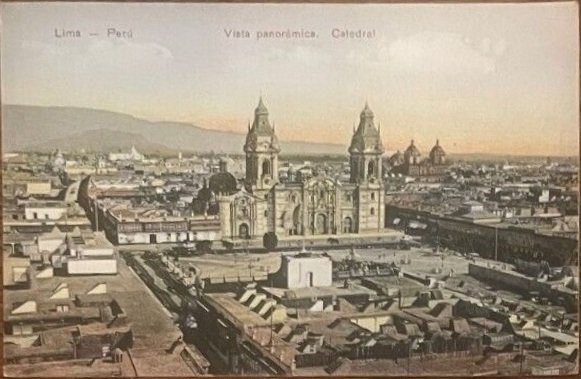
Founded in 1535, Lima’s Damero de Pizarro was conceived as a model colonial city. Its grid layout—with 117 blocks radiating from the Plaza Mayor—reflected Spanish urban planning ideals, facilitating both governance and religious authority. Over time, the Damero became the stage for Peru’s political, religious, and social milestones, its streets lined with grand residences, churches, and public buildings.
Today, over 600 monuments within the Damero are protected, attesting to Lima’s importance as a colonial and contemporary metropolis. The area’s continued vitality is evident in its lively plazas, bustling markets, and frequent cultural events (UNESCO World Heritage - Lima).
Layout and Orientation
The Damero de Pizarro’s grid makes it easy to navigate on foot. At its center lies the Plaza Mayor (Plaza de Armas), from which the city’s main avenues and pedestrian streets such as Jirón de la Unión extend. The checkerboard pattern, with perpendicular streets and uniform blocks, remains largely intact, making exploration straightforward for visitors (Peru Explorer).
Getting There and Around
The Damero is centrally located and accessible by taxi, ride-share, and public transit. The Metropolitano bus system stops at Jirón de la Unión, providing direct access to the historic center. Walking is recommended, as many streets are pedestrianized and most attractions are within a short distance of each other (Lonely Planet).
Visiting Hours and Ticket Information
- General Access: The Damero de Pizarro’s public streets and plazas are open 24/7 at no charge.
- Cathedral of Lima: Daily, 9:00 AM–6:00 PM. Entry approx. 15 PEN (~$4 USD).
- Government Palace: Plaza accessible all day; guided interior tours (free, by advance booking).
- Monastery of San Francisco (Convent and Catacombs): Tuesday–Sunday, 9:00 AM–5:00 PM. Tickets approx. 10–25 PEN (~$3–7 USD), including guided tour.
- Casa de la Literatura Peruana: Tuesday–Sunday, 10:00 AM–6:00 PM. Free entry.
- Museo de Arte de Lima (MALI): Tuesday–Sunday, 10:00 AM–6:00 PM. Entry approx. 15 PEN (~$4 USD).
- Other Sites: Some sites like Casa Aliaga require advance reservation and may have variable hours and pricing.
Special schedules may apply during holidays and festivals—always check official websites or tourist offices for current information (Peru Travel Official Site).
Top Attractions within the Damero de Pizarro
Plaza Mayor (Plaza de Armas)
The symbolic heart of Lima, surrounded by the Cathedral, Government Palace, and Archbishop’s Palace. The 1651 bronze fountain is a highlight, and the square is the venue for many national celebrations. Open 24/7, free entry.
Cathedral of Lima
A masterpiece blending Renaissance, Baroque, and Neoclassical styles. Notable features include the tomb of Francisco Pizarro and a museum of religious art. Guided tours are available.
Government Palace (Palacio de Gobierno)
The seat of Peru’s president, with a French-inspired façade and daily changing of the guard at noon. Guided interior tours require advance booking.
Basilica and Convent of San Francisco
A Baroque landmark famous for its catacombs, library, and religious art. Guided tours are included with admission.
Casa de la Literatura Peruana
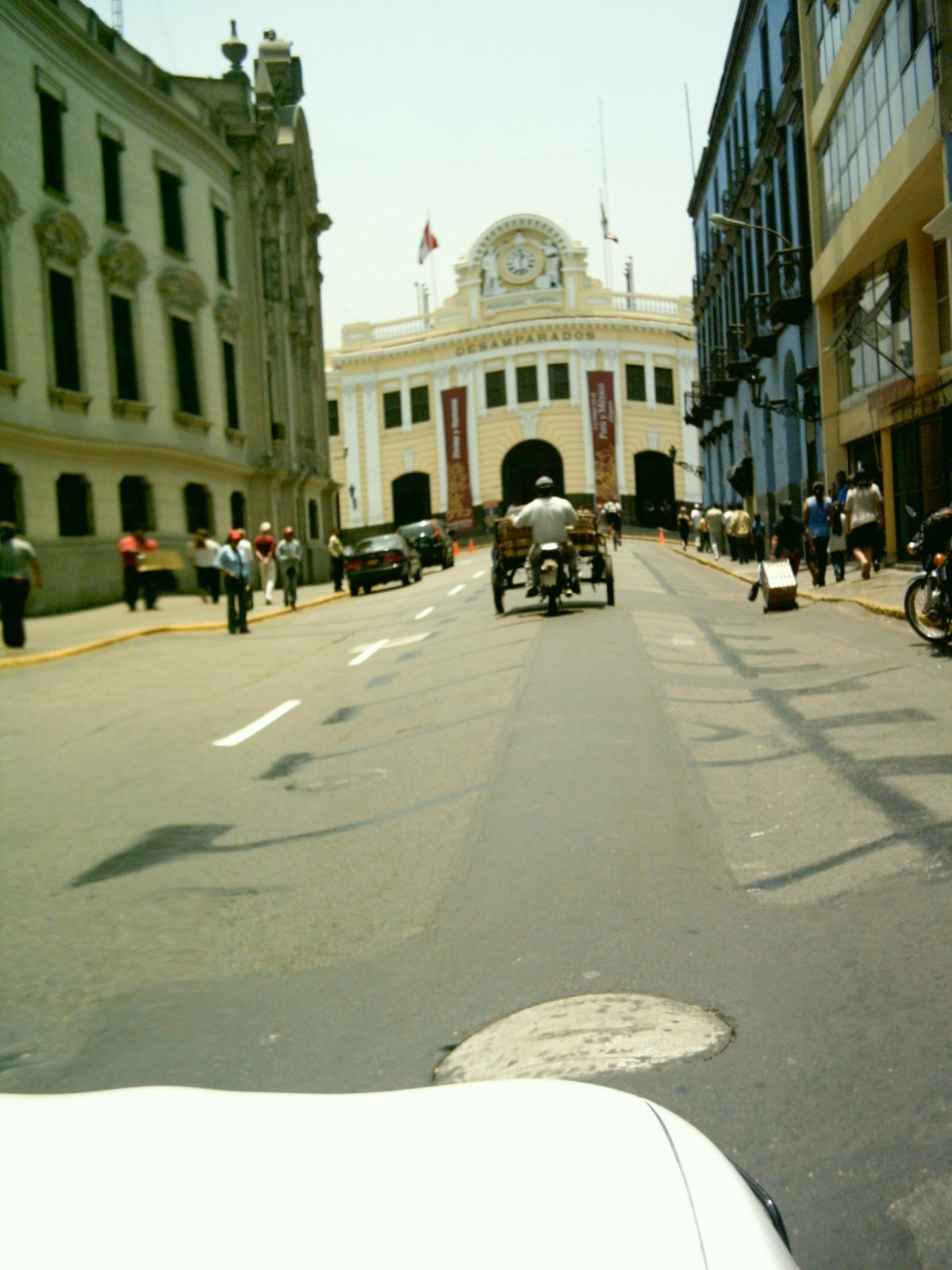
Located in the former Desamparados railway station, this center hosts literary exhibitions and reading rooms.
Casa Aliaga
Believed to be the oldest continuously inhabited house in the Americas, home to the Aliaga family since the 16th century. Visits by reservation.
Basilica of Santo Domingo
One of Lima’s oldest churches, featuring stunning cloisters and the relics of Santa Rosa de Lima and San Martín de Porres.
Colonial Balconies and Historic Streets
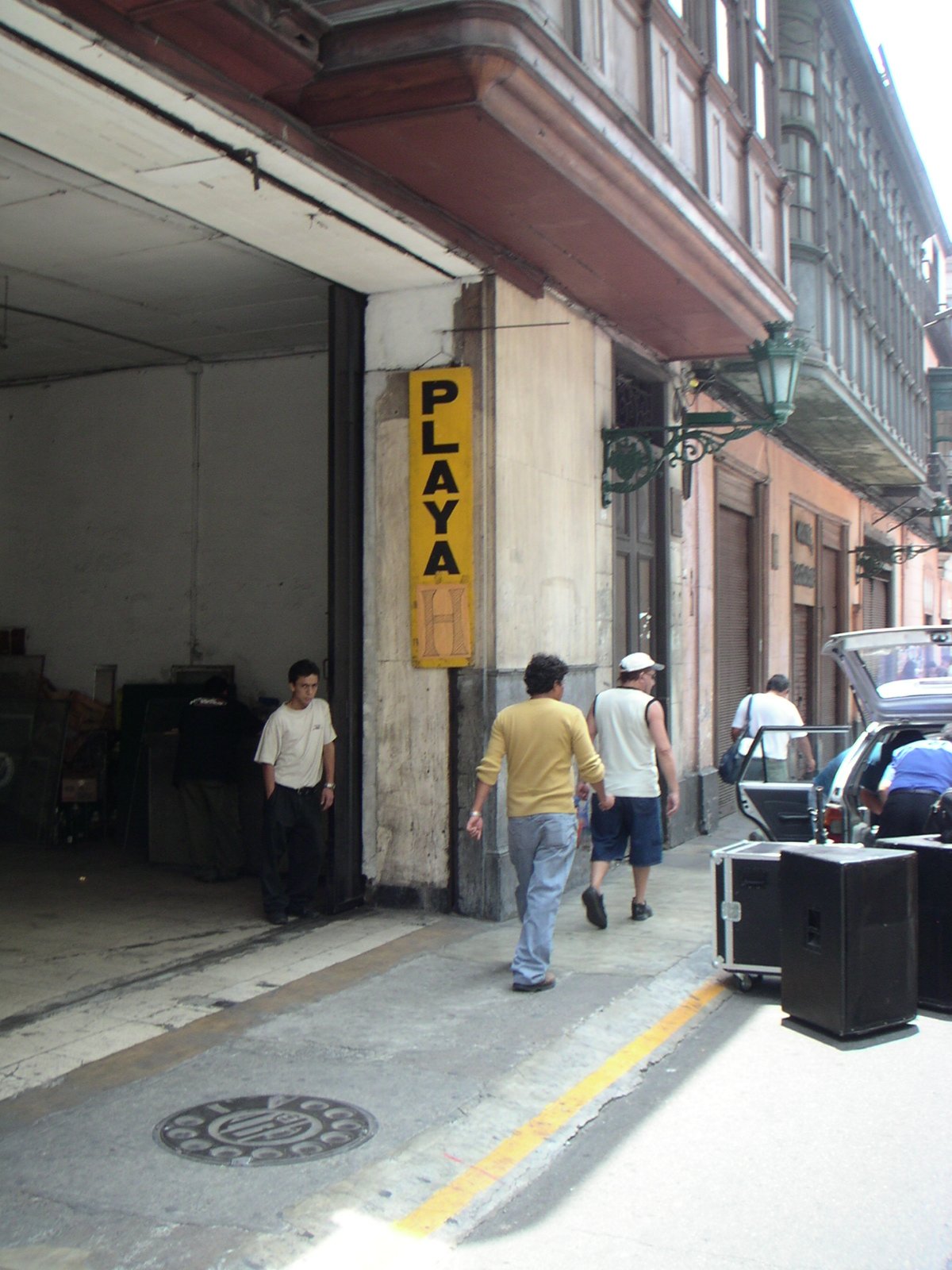
Don’t miss the wooden colonial balconies along Jirón de la Unión, Jirón Carabaya, and Jirón Huallaga—icons of Lima’s architectural heritage.
Museo de Sitio Bodega y Quadra
This small museum showcases artifacts from colonial Lima and remnants of the old city wall.
Accessibility and Visitor Tips
- Many main streets and plazas are pedestrian-friendly, though some have uneven cobblestones. Wheelchair access varies; check with individual sites for details.
- Wear comfortable shoes and bring water, especially in warmer months.
- Dress modestly when visiting religious sites.
- Guided tours, available in multiple languages, are recommended for deeper historical insights.
- Secure valuables and be vigilant in crowded areas.
Guided Tours and Getting There
Guided walking tours are available daily, covering history, architecture, gastronomy, and more. Prices typically range from 30–60 PEN (~$8–15 USD).
The Damero is easily reached by Metropolitano bus, taxi, or ride-share app. Most tours depart from Plaza Mayor or nearby hotels (Peru Explorer).
Nearby Attractions and Special Events
- Nearby Sights: Plaza San Martín, Parque de la Muralla, Museum of the Inquisition, and Rímac River waterfront.
- Annual Events: Major festivals include Fiestas Patrias (July 28–29), Lord of Miracles procession (October), and Semana Santa (Holy Week). These bring processions, performances, and vibrant street life to the Damero (Touropia).
Sustainable Tourism and Preservation
As a UNESCO World Heritage Site, the Damero de Pizarro is undergoing restoration and urban renewal programs to balance preservation with accessibility. Support local initiatives and respect heritage guidelines during your visit (Peru Explorer).
Cultural Etiquette and Local Customs
- Greet locals with “buenos días” or “buenas tardes.”
- Tipping is appreciated (10% in restaurants and for guides).
- Ask permission before photographing inside churches or of individuals.
Safety and Health Considerations
- The Damero is generally safe during the day, with police presence at major sites. Beware of pickpockets in busy areas such as Jirón de la Unión.
- At night, stick to well-lit, populated areas and use registered taxis.
- For emergencies: Tourist police – 105; Medical emergencies – 117.
- Drink bottled or filtered water and use sun protection even on overcast days (Machu Picchu.org).
Food, Shopping, and Practical Advice
- Sample traditional Peruvian dishes such as ceviche and lomo saltado, as well as street snacks like churros and picarones.
- Artisan markets offer handwoven textiles, silverwork, and ceramics.
- Carry cash in Peruvian soles for small purchases.
- Free Wi-Fi is available in many cafés and public areas; consider a local SIM card for data.
Frequently Asked Questions (FAQs)
Q: What are the visiting hours for Damero de Pizarro attractions?
A: Most major sites are open between 9:00 AM and 6:00 PM. Public spaces like Plaza Mayor are open all day.
Q: Is there an entrance fee for the Damero de Pizarro?
A: The area itself is free to enter; tickets are required for individual attractions such as the Cathedral and Monastery of San Francisco.
Q: Are guided tours available?
A: Yes, daily walking tours are offered in several languages.
Q: Is the area accessible for people with disabilities?
A: Some attractions offer partial accessibility; inquire ahead for details.
Q: Is the Damero de Pizarro safe to visit?
A: It is generally safe during the day; take standard precautions and avoid isolated areas at night.
Listen to the full story in the app
The whole Damero De Pizarro,
told well.
Audio guides for 1,100+ cities across 96 countries. History, stories, and local insight — offline ready.
Verified, and shown.
Researched and written by the Audiala editorial team from historical records, architectural archives, and local expertise.
Researched from Wikidata, Wikipedia & official sources · fact-checked · How we make our guides →