Introduction
The Cripta de los Héroes, located within the historic Cementerio Presbítero Matías Maestro in Lima, Peru, stands as a monumental tribute to the nation’s defenders during the War of the Pacific (1879–1884). Established by Law No. 398 in 1906 and inaugurated in 1908, this grand mausoleum embodies Peru’s enduring reverence for its fallen heroes, serving as both a site of national remembrance and a symbol of patriotic identity. Designed by French architect Émile Robert, the crypt’s neoclassical grandeur and artistic richness invite contemplation on sacrifice, valor, and the collective memory of the Peruvian people.
Whether you are a history enthusiast, cultural traveler, or local citizen, the Cripta de los Héroes offers a profound journey through Peru’s past. This guide provides detailed information on visiting hours, ticketing, architectural highlights, historical significance, and practical travel tips to help you plan a meaningful visit.
Origins and Legislative Foundation
The Cripta de los Héroes was conceived as a national monument honoring Peruvians who perished in the War of the Pacific. Its creation was formalized by Law No. 398, enacted on December 3, 1906, under President José Pardo y Barreda, with the explicit goal of providing a dignified resting place for the defenders of the nation (CEHMP). Construction began soon after, and the mausoleum was inaugurated on September 8, 1908, in a ceremony attended by government and military representatives, underscoring its national importance (Wikiwand).
Architectural Design and Artistic Influences
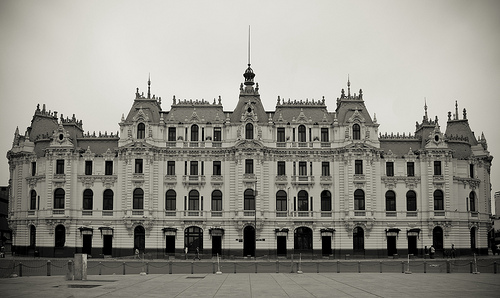
Standing as the largest monument within the Cementerio Presbítero Matías Maestro—a historic cemetery inaugurated in 1808—the Cripta de los Héroes is a masterpiece of neoclassical architecture (Wikiwand). Émile Robert’s design incorporates a circular plan rising over 30 meters high, with a striking façade adorned by columns and crowned by a marble reproduction of Antonin Mercié’s “Gloria Victis.” The interior is finished with marble, stained glass, and medallions, creating a solemn and reverent atmosphere (CEHMP). Artistic contributions from renowned sculptors such as Damià Campeny, Louis-Ernest Barrias, and Josep Campeny i Santamaria enrich the space with allegorical representations of valor and sacrifice.
Expansion, Restoration, and Custodianship
Over the decades, the Cripta has evolved to meet the needs of memorialization and preservation. Law No. 728 (1908) ensured the commemoration of defenders whose remains were never recovered through inscribed marble plaques (CEHMP). In 1953, custodianship was assigned to the Centro de Estudios Histórico Militares del Perú (Wikiwand). The crypt was expanded in 1986 with a second basement, allowing for more interments, and underwent major restoration in 2002 to preserve its original features (Wikiwand).
Structure and Notable Interments
The mausoleum is organized into three principal levels:
Main Floor
Features the sarcophagi of Admiral Miguel Grau and Colonel Francisco Bolognesi, with marble plaques commemorating other war participants (Wikiwand).
First Basement
Houses 246 niches and five ossuaries, including the remains of Mariscal Andrés Avelino Cáceres and anonymous combatants from major battlefields (CEHMP).
Second Basement
Contains 27 sarcophagi and 40 niches, including the resting place of Alfonso Ugarte. The contrasting marble elements impart a contemplative ambiance (Wikiwand).
Commemorative Elements and Memorialization
The crypt holds the remains of 308 defenders—30 in sarcophagi and the rest in niches. More than 2,000 marble plaques bear the names of those whose remains were never found, ensuring their sacrifice is not forgotten (CEHMP). The inscription at the entrance, “La Nación a sus Defensores en la Guerra de 1879,” reinforces the site’s role in national memory (Wikiwand).
Historical and National Significance
Beyond its function as a burial site, the Cripta de los Héroes is a living symbol of Peru’s resilience and unity in the aftermath of the War of the Pacific (Ministerio de Cultura, 2024). Its integration into the Cementerio Presbítero Matías Maestro, a site with hundreds of mausoleums and monuments, amplifies its historical resonance and makes it a focal point for educational and commemorative activities (Wikiwand).
Visitor Information
Visiting Hours
- Tuesday to Sunday: 9:00 AM to 5:00 PM
- Closed: Mondays and public holidays
Tickets and Admission
- Admission: Included in the cemetery ticket (approx. 10 soles for adults; discounts for students, seniors, and children)
- Where to buy: Onsite or online via the Ministry of Culture or authorized platforms (teleticket.com.pe)
Accessibility
- Main floor: Wheelchair accessible
- Basements: Access via stairs; assistance available upon request
Guided Tours
- Available: Daily at scheduled times; recommended for deeper historical insight
- Booking: Onsite or in advance during high season
Travel Tips
- Dress respectfully due to the solemn nature of the site
- Photography is permitted without flash
- Combine with visits to nearby attractions, such as Lima’s Plaza Mayor and other colonial landmarks
Nearby Attractions
- Cementerio Presbítero Matías Maestro: Noted for its neoclassical monuments and mausoleums
- Plaza Mayor: Lima’s historic center, featuring colonial architecture and museums
- Museo de la Nación: A short drive away, showcasing Peruvian cultural heritage
Special Events and Activities
Annual commemorative ceremonies, particularly on June 7th (Battle of Arica anniversary), feature wreath-laying, military honors, and civic programs (Andina, 2024).
Visuals and Media
For an enhanced experience, consult virtual tours and high-quality images available through official sources. Alt text is recommended for accessibility, e.g., “Cripta de los Héroes grand neoclassical entrance in Lima” (Presbítero Maestro website).
Frequently Asked Questions (FAQ)
Q: What are the Cripta de los Héroes visiting hours?
A: Tuesday to Sunday, 9:00 AM–5:00 PM; closed Mondays and holidays.
Q: Is there an entrance fee?
A: Admission is included in the cemetery ticket; discounts available for students, seniors, and children.
Q: Are guided tours available?
A: Yes, daily guided tours are available and recommended.
Q: Is the site accessible for people with disabilities?
A: The main floor is accessible; basements require stairs.
Q: Can I take photos inside?
A: Photography is allowed for personal use, but flash and tripods are restricted.
Timeline of Key Events
- December 3, 1906: Law No. 398 establishes the crypt (CEHMP)
- September 8, 1908: Inauguration
- August 22, 1908: Law No. 728 mandates listing of unrecovered defenders
- October 1, 1953: Supreme Decree places crypt under CEHMP custodianship
- July 25, 1986: Second basement inaugurated
- 2002: Major restoration
Explore More
- Historic Monuments of Lima: A Visitor’s Guide
- Top Cultural Attractions in Peru
- Exploring the Presbítero Maestro Cemetery: History and Highlights
Listen to the full story in the app
Your Personal Curator, in Your Pocket.
Audio guides for 1,100+ cities across 96 countries. History, stories, and local insight — offline ready.
Audiala App
Available on iOS & Android
Join 50k+ Curators
Sources
- verified
- verified
- verified
- verified
- verified
- verified
- verified
- verified
- verified
Last reviewed: