Plan and listen to Church Of San Agustín, Lima with Audiala.
Audio guide in your pocket, itinerary in your browser. Built for the way you actually visit.
Introduction
The Church of San Agustín (Iglesia de San Agustín) stands as a testament to Lima’s colonial grandeur and enduring religious traditions. Nestled in the heart of Lima’s UNESCO-listed historic center, the church is renowned for its ornate Baroque architecture, storied history, and ongoing role as a center of worship and community life. Whether you are a lover of art, history, or spirituality, visiting the Church of San Agustín offers a fascinating journey through Peru’s colonial past.
This guide covers the church’s foundation, architectural evolution, practical visitor information—including opening hours, tickets, accessibility—and tips to enhance your visit. For further details, consult trusted resources such as Lonely Planet, Intiland Tours, and the Official Lima Tourism Website.

Origins and Foundation
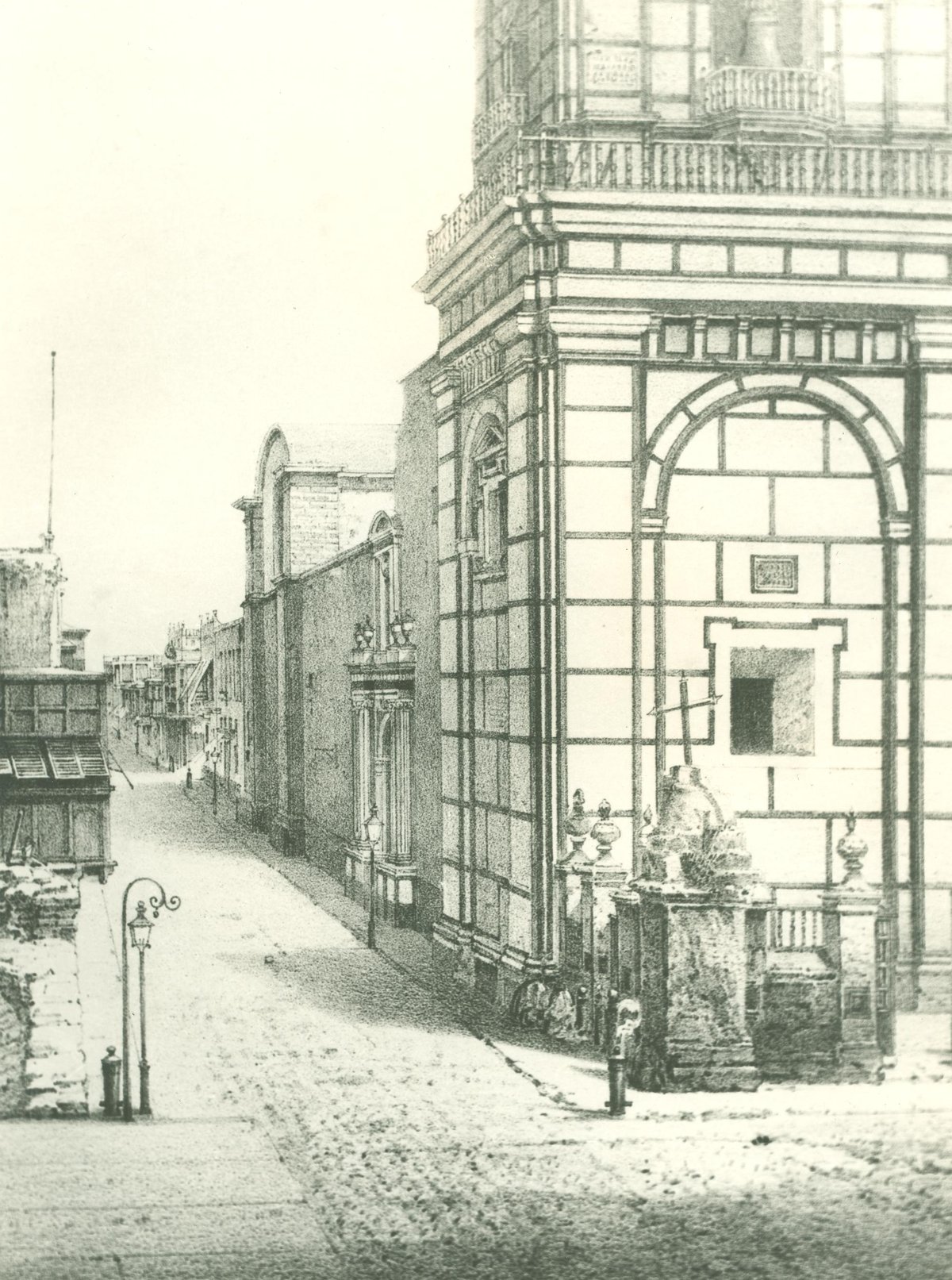
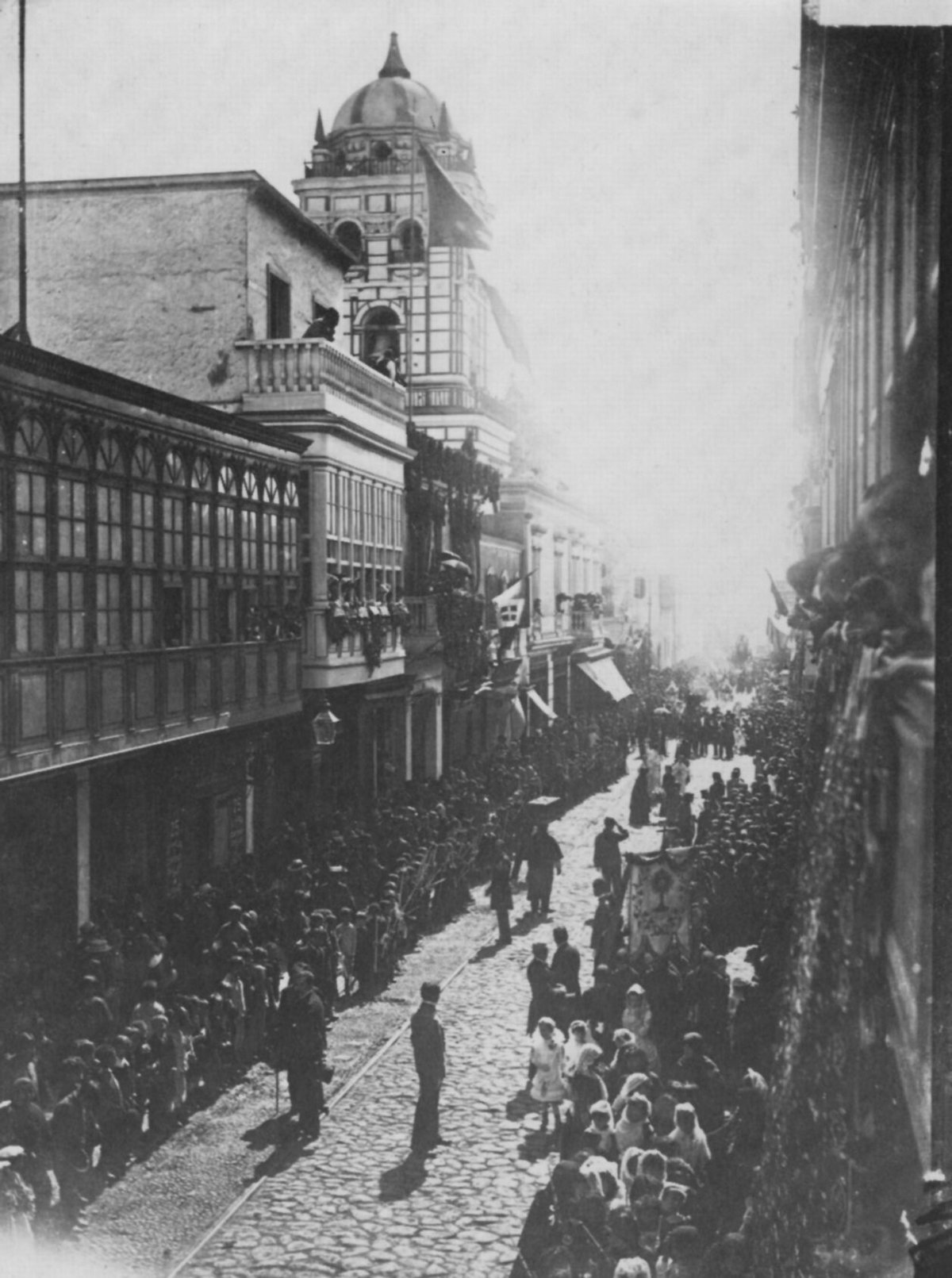
Founded by the Augustinian Order shortly after Lima’s establishment in the 16th century, the Church of San Agustín and its convent became one of the earliest religious sites in the city. The original structure dates back to 1573, strategically located at the intersection of Ica and Camaná streets. Over the centuries, it has served as a spiritual, educational, and civic hub in Lima (Lonely Planet, Scribd).
Architectural Evolution
The church began as a modest structure and evolved across centuries:
- Baroque Expansion: By the late 17th and early 18th centuries, the church was rebuilt and expanded in the Spanish Baroque style.
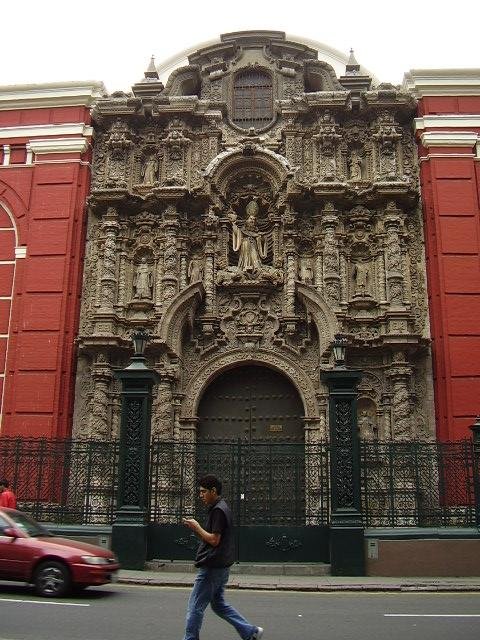
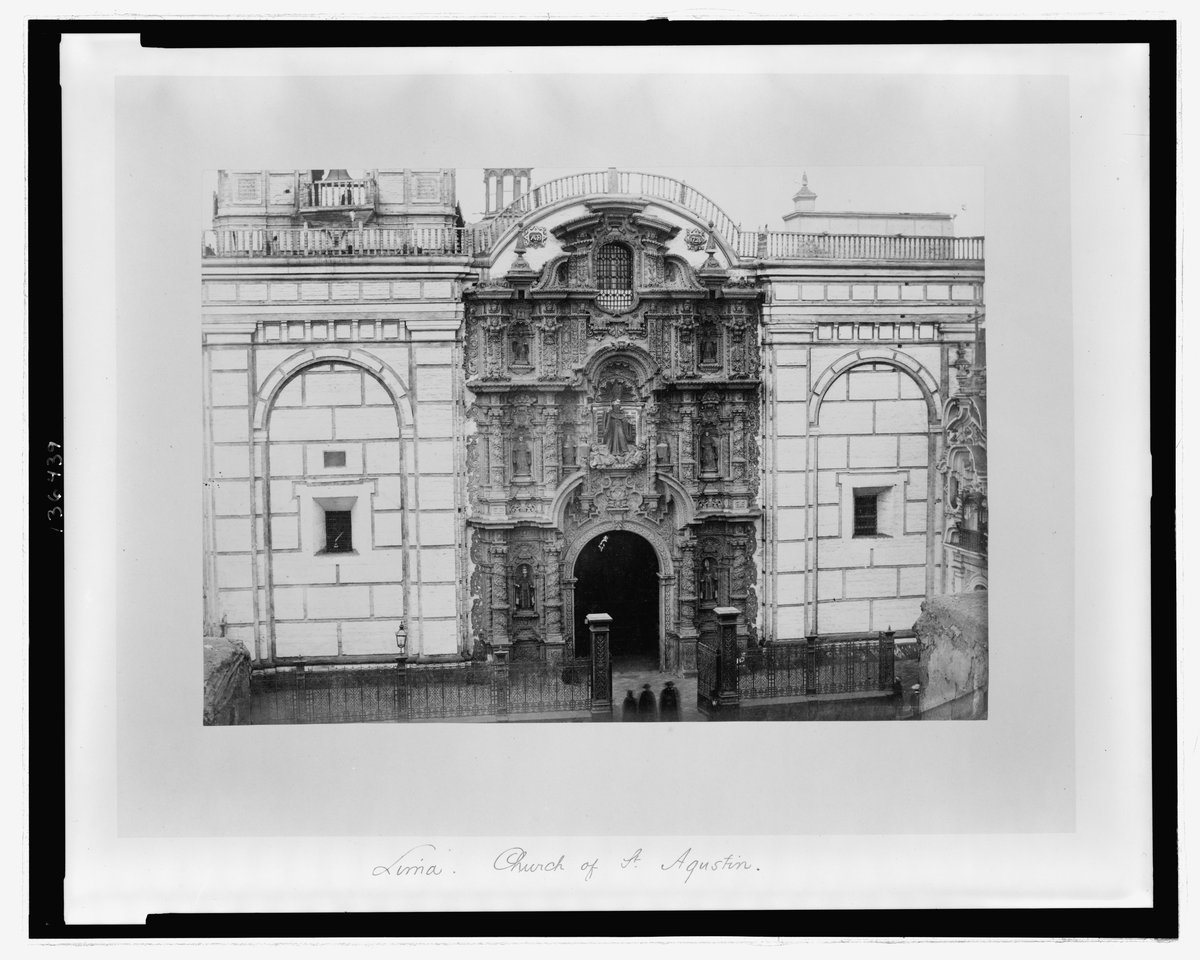
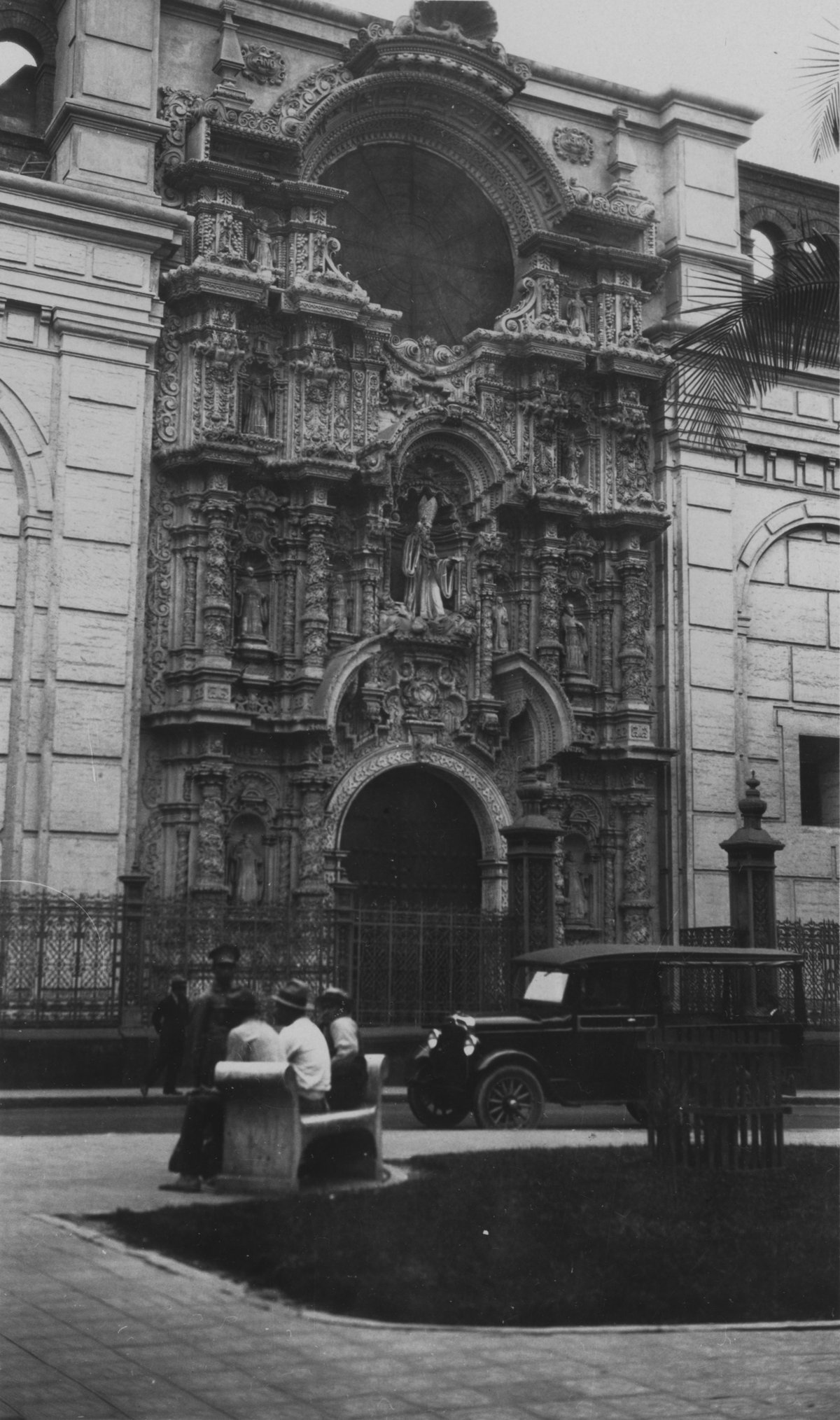
- Churrigueresque Façade: Completed in 1710–1720, this intricately carved stone façade is adorned with angels, floral motifs, and a statue of Saint Augustine, exemplifying the Churrigueresque style (CuscoPeru).
- Interior Restoration: The church has undergone several restorations following major earthquakes in 1687, 1746, and 1970, with efforts focused on preserving the façade, sacristy, and artistic treasures (Turismo Religioso).
Architectural and Artistic Highlights
Exterior: The Churrigueresque Baroque Façade
- Features three vertical “streets” and three horizontal “bodies.”
- Dense relief ornamentation, scrolls, and floral motifs.
- Ten statues in niches, including Saint Augustine at the center.
- Rare in Lima—only the façade of the Basílica de La Merced is similar (My Adventures Across the World).
Interior: Sacred Art and Unique Features
- Choir Stalls: Celebrated for their intricate woodwork.
- Coffered Ceilings: Beautifully decorated sacristy and ante-sacristy.
- Sculpture of “La Muerte”: Carved by Baltasar Gavilán in the 18th century, this wooden sculpture is steeped in local legend.
- Pictorial Collection: Includes colonial paintings, Italian school canvases, and religious artifacts.
- Cloister and Patio: Features elegant arcades and a tranquil patio for reflection (LimaEasy).
Visiting the Church of San Agustín
Opening Hours and Tickets
- Hours: Typically open Monday to Saturday, 9:00 AM–5:00 PM; Sundays, 9:00 AM–1:00 PM. Some sources report daily hours as 10:00 AM–12:00 PM and 4:00 PM–7:00 PM. Hours may vary during religious holidays or restoration (Intiland Tours, Iglesia del Pilar).
- Tickets: Admission is free; donations are appreciated to support preservation.
- Guided Tours: Available through local operators or by prior arrangement with the church. Tours are offered in Spanish and English and provide deeper insight into the church’s history and art.
Accessibility
- The church is centrally located, two blocks from Plaza Mayor, and accessible by foot, taxi, or public transport.
- Some areas inside may have uneven floors or steps due to the colonial architecture. Ramps are available at the entrance; contact the church for specific accessibility needs.
Photography and Etiquette
- Non-flash photography is allowed except in prayer areas or during services.
- Visitors are asked to dress modestly and maintain respectful silence.
- Donations are encouraged to support ongoing restoration.
Nearby Attractions
- Cathedral Basilica of St. John the Apostle and Evangelist
- Plaza Mayor (Plaza de Armas)
- Basílica de La Merced
- Convent of San Francisco
- Jirón de la Unión—a lively pedestrian street with shops and cafes (Trek Zone).
Cultural and Religious Significance
Throughout its history, the Church of San Agustín has been a hub for religious, educational, and social activities. It continues to host daily Mass, major feast days (notably of Saint Augustine), and community outreach programs. The church’s artistic and architectural features blend European and local influences, reflecting Lima’s spiritual and cultural evolution (Wikipedia, Iglesia del Pilar).
Notable Legends
One of the church’s most intriguing features is the sculpture “La Muerte,” created by Baltasar Gavilán. Local legend claims Gavilán lost his sanity after completing the piece, adding an air of mystique and attracting visitors interested in art and folklore (Lonely Planet).
Restoration and Preservation
The church has survived earthquakes, civil unrest, and the passage of time thanks to ongoing conservation efforts. Restoration projects have prioritized the façade, sacristy, and valuable artworks, ensuring the church remains a vibrant part of Lima’s heritage (Turismo Religioso, About Lima).
Visitor Experience and Practical Tips
- Duration: Allow 30–60 minutes for your visit. Guided tours may take longer.
- Best Time: Weekday mornings are less crowded. December–April offers Lima’s clearest weather.
- Safety: The historic center is safe during the day. Remain vigilant and keep valuables secure (Lonely Planet).
- Combine Visits: Include the church in a walking tour of Lima’s historic center for a comprehensive experience.
Frequently Asked Questions (FAQ)
Q: What are the Church of San Agustín’s visiting hours?
A: Generally Monday–Saturday, 9:00 AM–5:00 PM; Sundays, 9:00 AM–1:00 PM. Check locally for updates.
Q: Is there an entrance fee?
A: Admission is free; donations are welcome.
Q: Are guided tours available?
A: Yes, in Spanish and English. Booking in advance is recommended.
Q: Is photography allowed?
A: Yes, in most areas; avoid using flash and respect prayer spaces.
Q: Is the church accessible to people with disabilities?
A: Main entrance is accessible; some areas inside may be challenging. Contact the church for assistance.
Useful Links
- Official Lima Tourism Website
- Church of San Agustín on Lonely Planet
- Backpackers Blueprint: Architectural Marvels in Lima
- Intiland Tours
- Iglesia del Pilar
- Turismo Religioso
- Wikipedia (Spanish)
- Wikipedia (English)
- CuscoPeru
- Trek Zone
- My Adventures Across the World
- Peru Grand Travel
- Metropolitan Touring
- About Lima
- LimaEasy
Listen to the full story in the app
The whole Church Of San Agustín, Lima,
told well.
Audio guides for 1,100+ cities across 96 countries. History, stories, and local insight — offline ready.
Verified, and shown.
Researched and written by the Audiala editorial team from historical records, architectural archives, and local expertise.
Researched from Wikidata, Wikipedia & official sources · fact-checked · How we make our guides →