Plan and listen to Cathedral Of Lima with Audiala.
Audio guide in your pocket, itinerary in your browser. Built for the way you actually visit.
Introduction
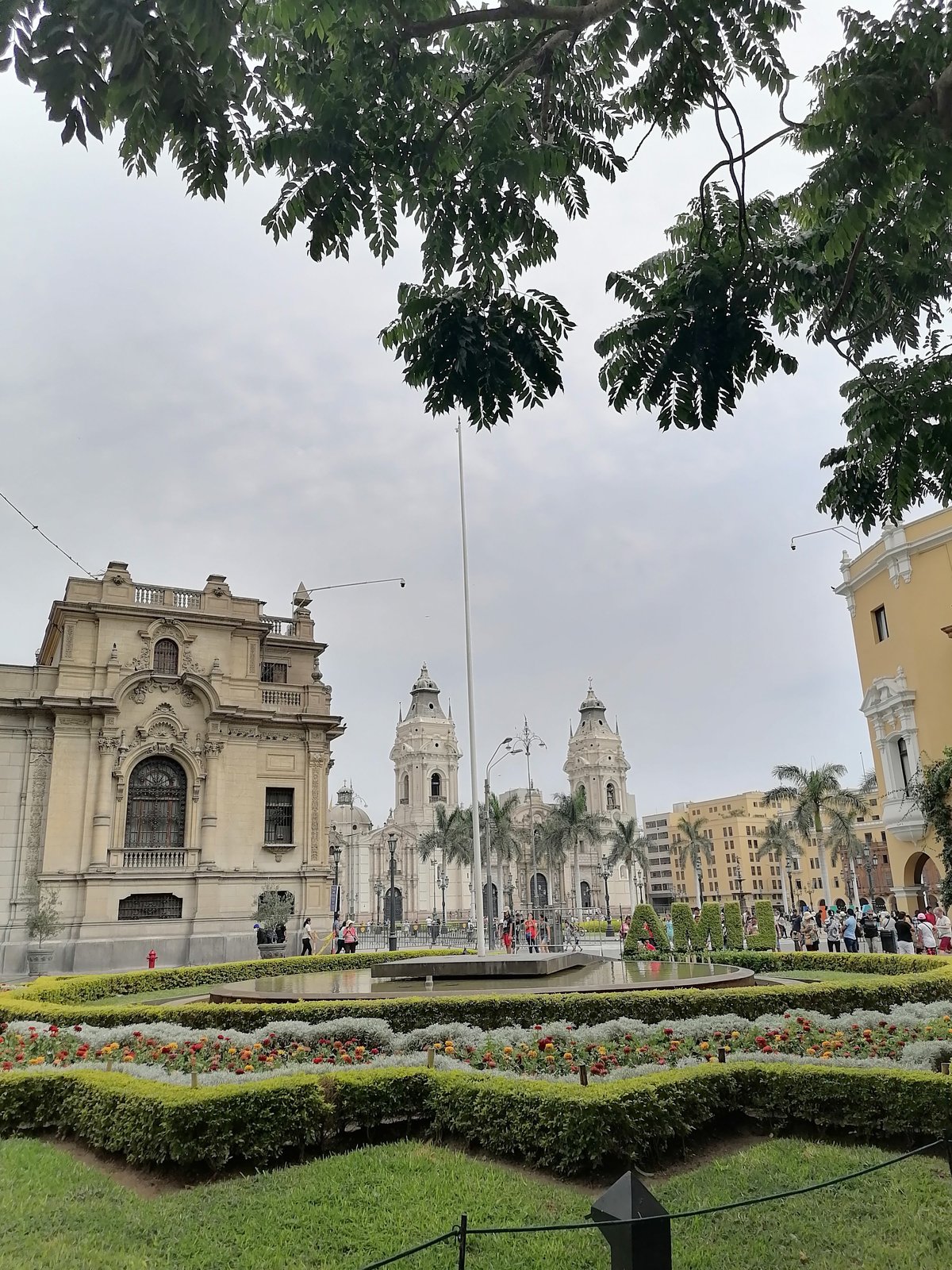
The Cathedral of Lima, known officially as the Basilica Cathedral of Lima, is a monumental symbol of Peru’s colonial history, religious tradition, and architectural splendor. Located in the heart of Lima’s historic center on Plaza Mayor, it has witnessed the city’s transformation since its foundation in 1535 by Spanish conquistador Francisco Pizarro. Over centuries, the cathedral has served as the spiritual seat of the Archdiocese of Lima and has become a vital repository of art, culture, and heritage. Visitors are drawn to its striking blend of Renaissance, Baroque, and Neoclassical architectural styles, intricately decorated chapels, gold-plated altars, and its renowned museum of religious art.
This guide offers comprehensive information on visiting hours, ticketing, accessibility, architectural and historical highlights, and practical travel tips to ensure a rewarding visit to one of Lima’s most significant landmarks. For further details, immersive virtual experiences, and real-time updates, consult trusted travel resources (limacitykings.com, limaeasy.com, mexicohistorico.com).

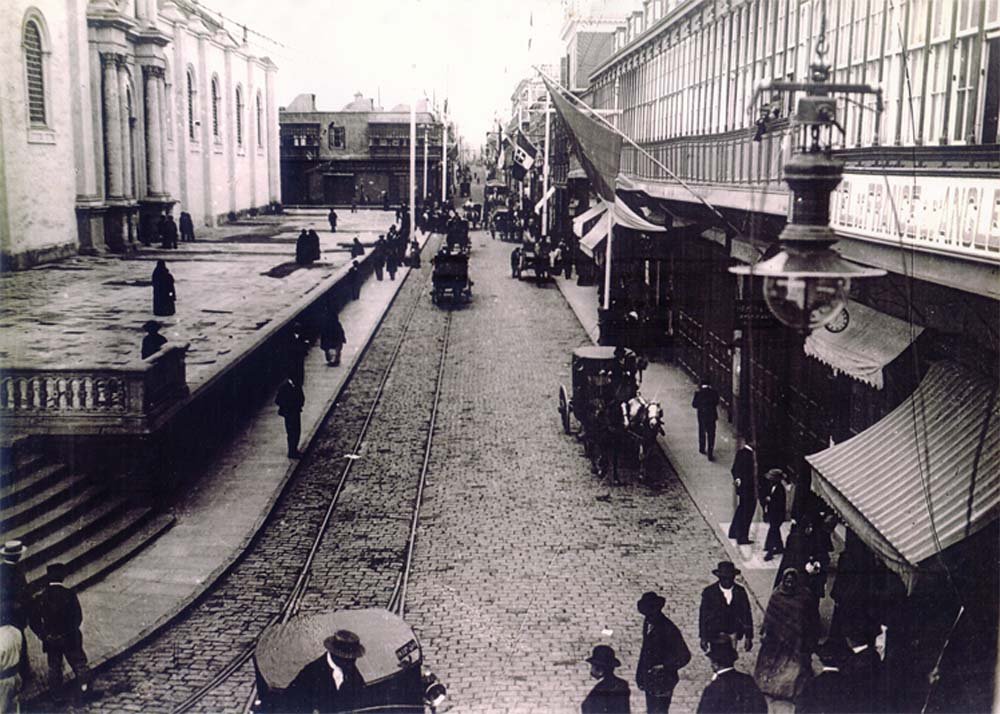
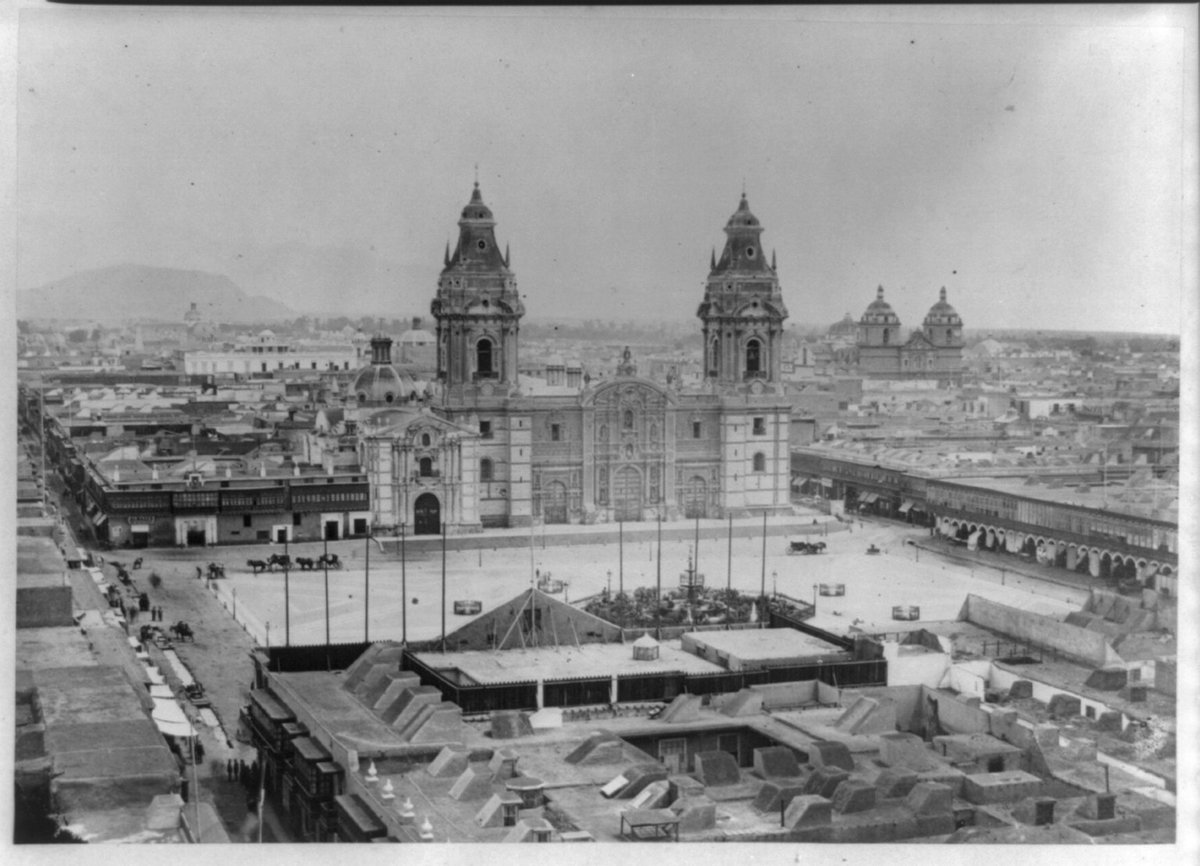
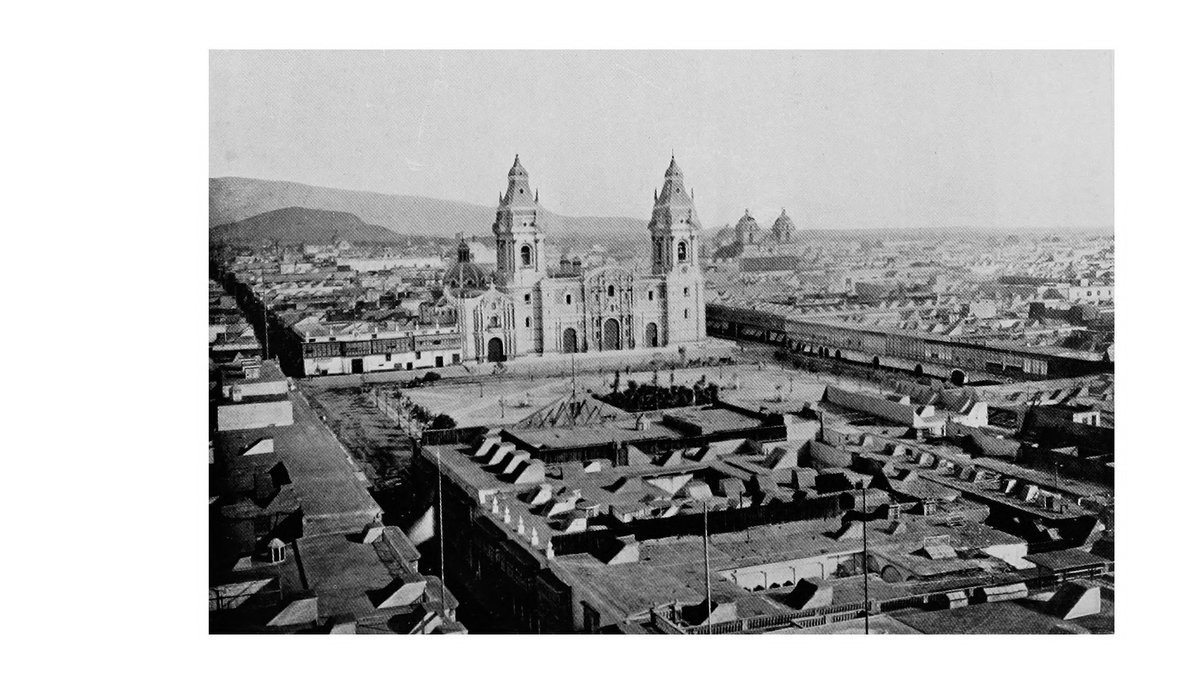
Foundation and Construction: 1535–1625
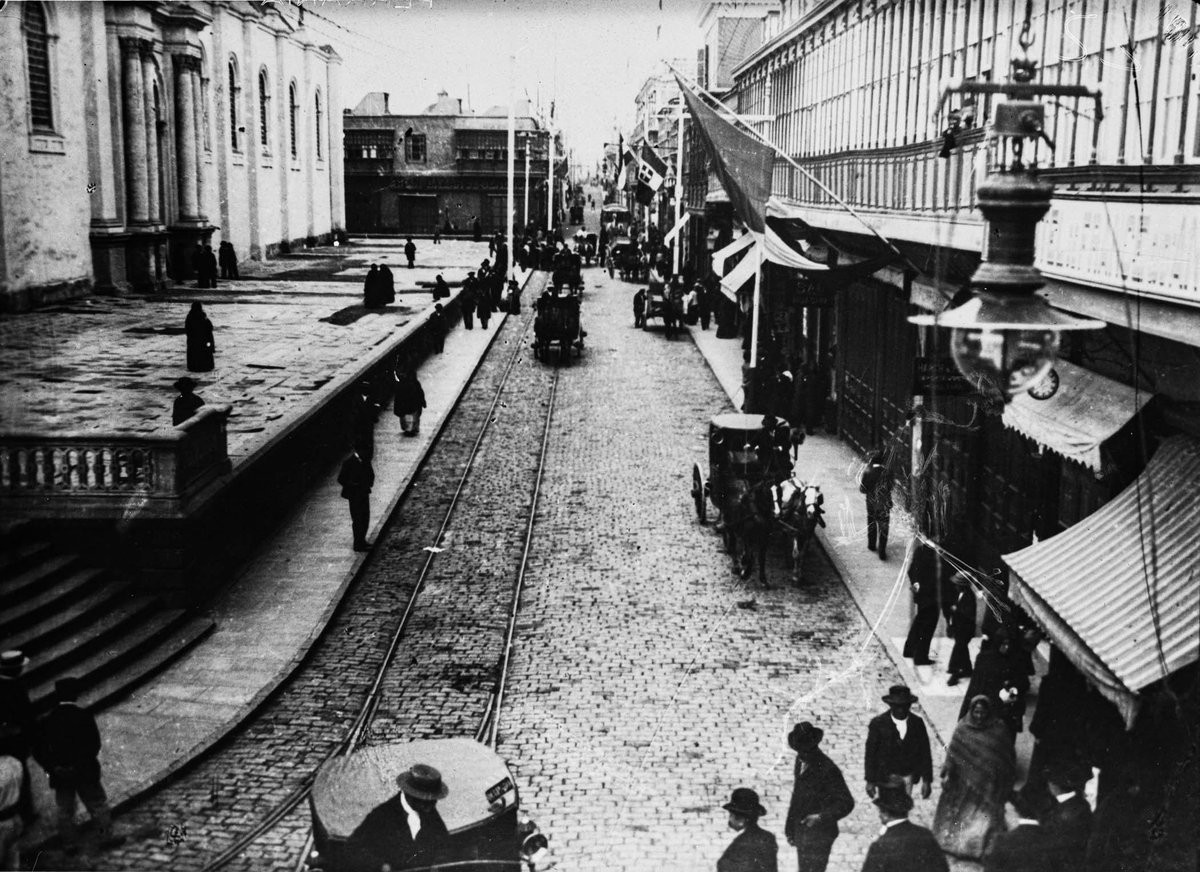
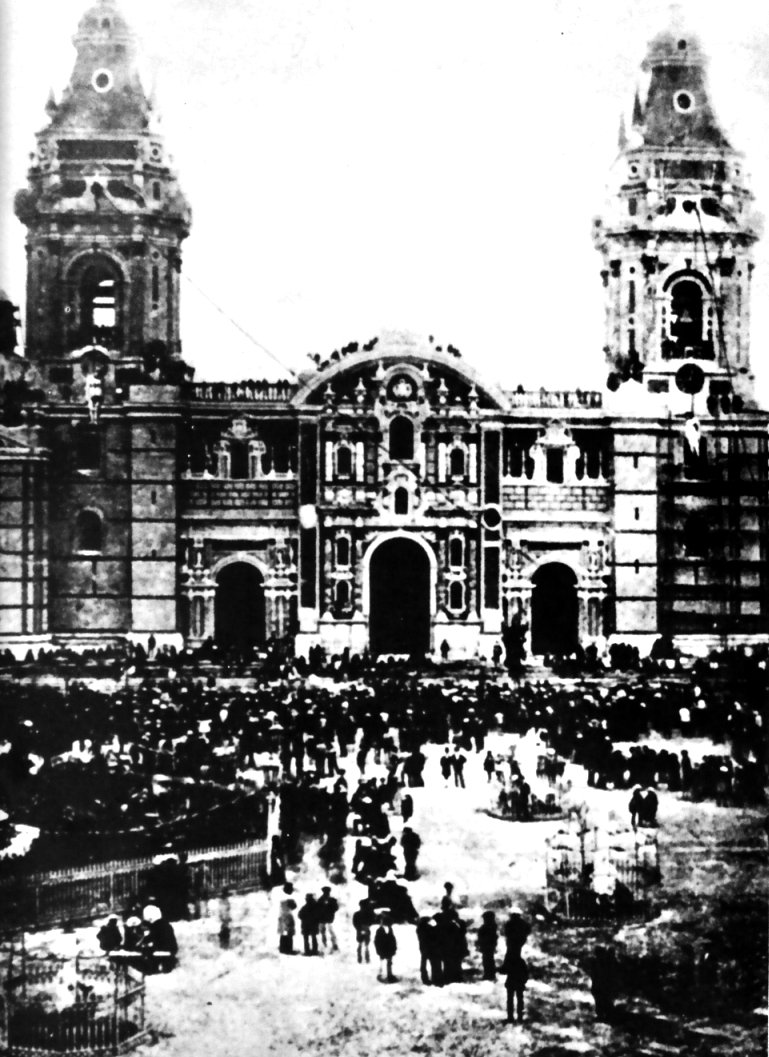
The roots of the Cathedral of Lima trace back to Lima’s foundation by Francisco Pizarro in 1535. The first iteration was a modest adobe structure, constructed swiftly to serve the spiritual needs of the new Spanish colony (limacitykings.com). In 1541, with the establishment of the Lima diocese, the church was elevated to cathedral status. The subsequent decades saw expansions under the guidance of Lima’s first archbishops, culminating in its consecration as a basilica in 1625. The original façade remained simple until enhancements in the mid-17th century, including a carved-stone front added in 1649, which solidified its imposing presence on the Plaza Mayor.
Earthquake and Reconstruction: 1746–1778
A devastating earthquake in 1746 destroyed much of Lima, including the cathedral. The rebuilding, completed in 1778, was not simply restorative but transformative. It incorporated Neoclassical bell towers, a redesigned main altar, and structural reinforcements, blending new elements with the surviving colonial core (limacitykings.com). The result is a harmonious synthesis of Renaissance, Baroque, and Neoclassical styles that distinguishes the cathedral today.
Architectural and Artistic Highlights
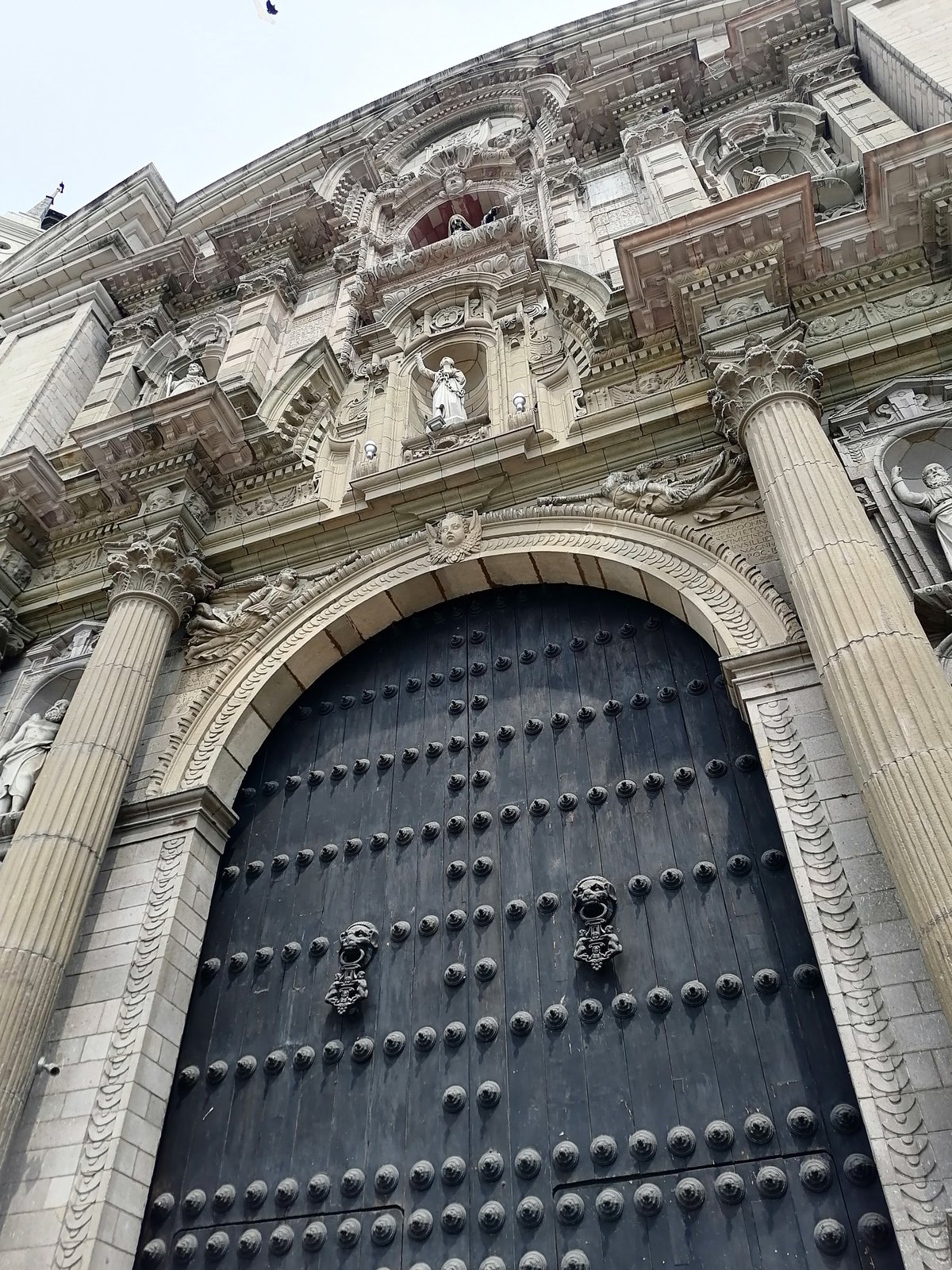
Façade and Towers: The cathedral’s façade, facing Plaza Mayor, features Renaissance elements with Plateresque ornamentation and is flanked by twin Neoclassical towers topped with distinctive slate spires. Statues of the Apostles and the Sacred Heart of Jesus adorn these towers (Cuscoperu.com, The History Hub).
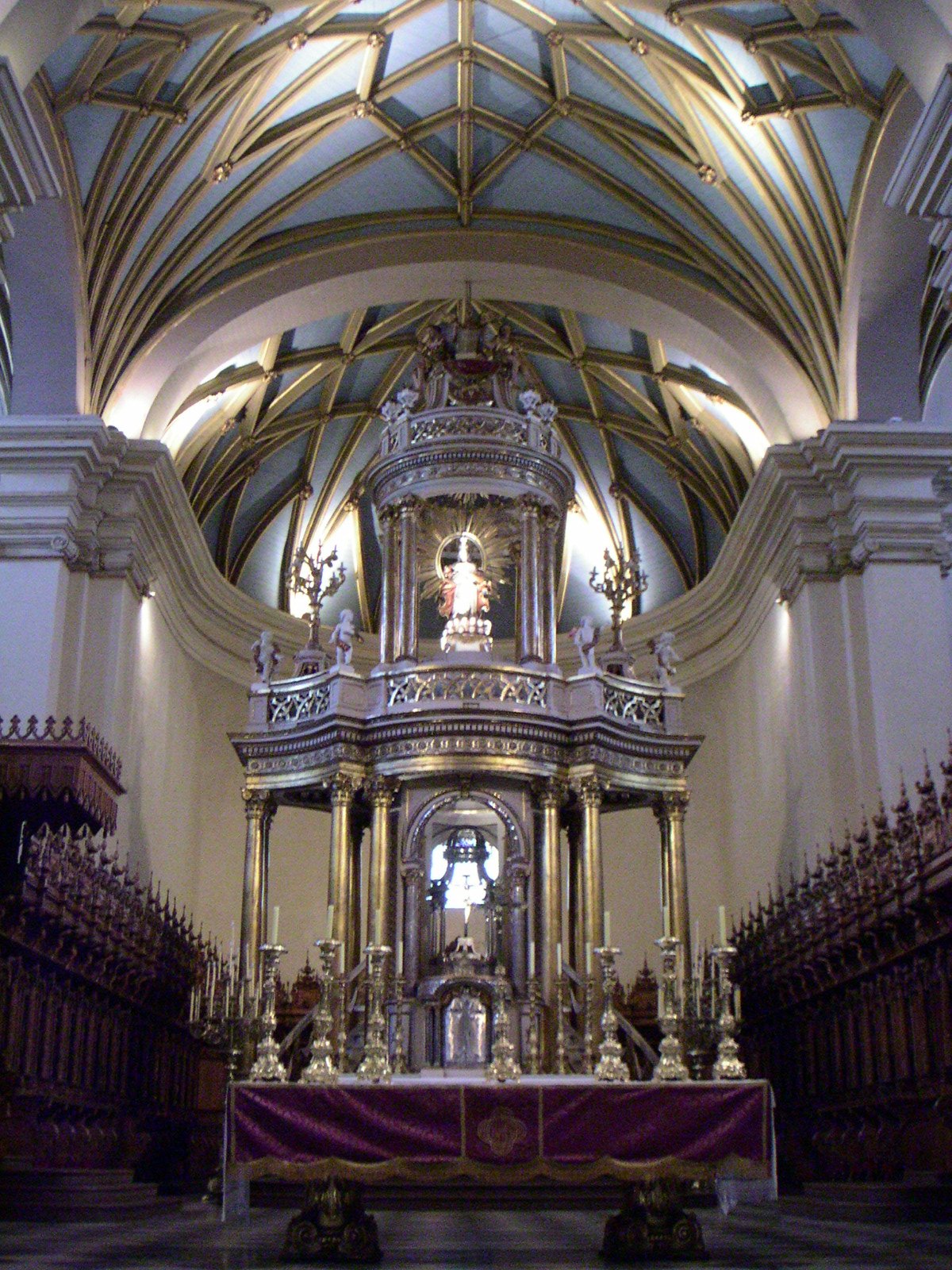
Interior Layout: The interior comprises a central nave, two lateral naves, and 14 side chapels, each richly decorated and dedicated to various saints. The main altar, a Baroque masterpiece covered in gold leaf, stands as the focal point, while the intricately carved wooden choir stalls exemplify colonial craftsmanship (Cuscoperu.com). The checkerboard marble floor and vaulted ceilings highlight the cathedral’s grandeur.
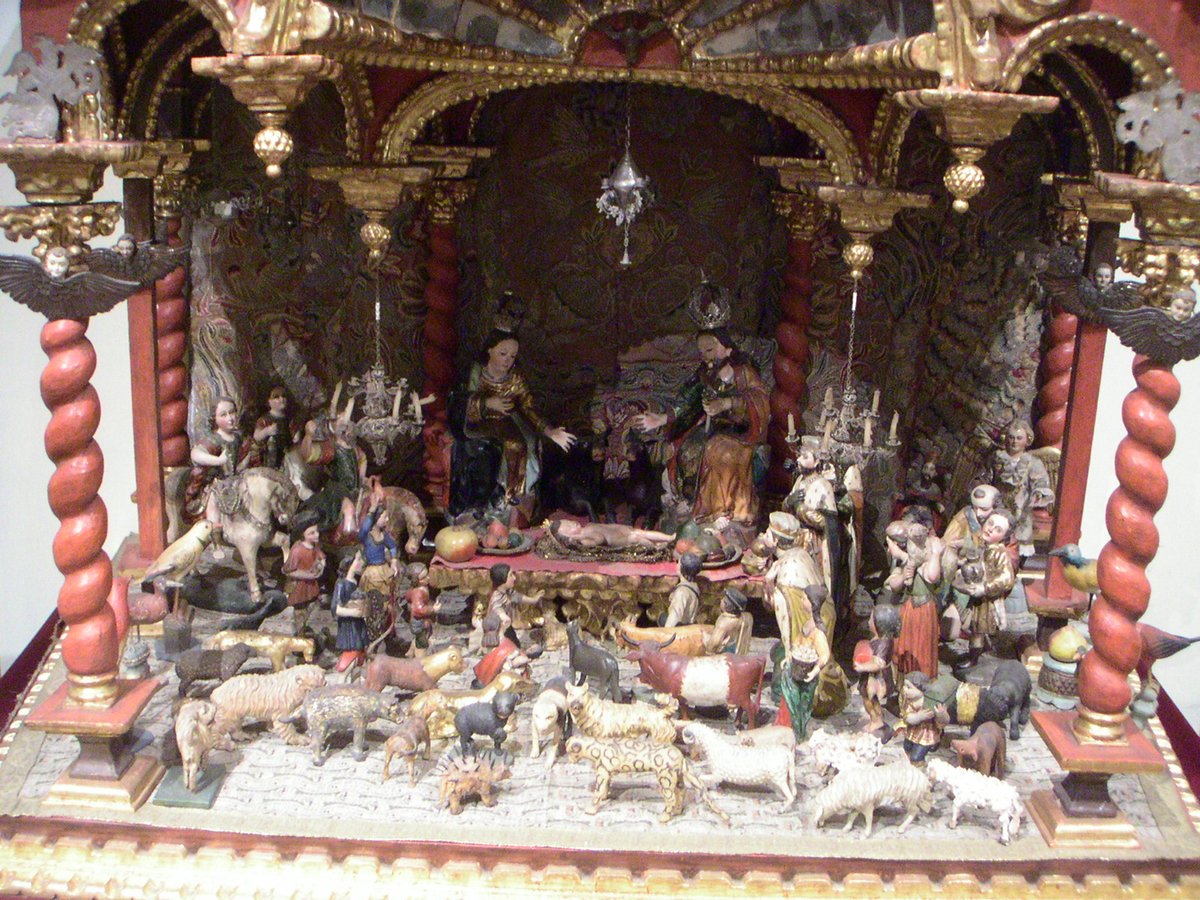
Art and Museum: The museum of religious art houses historic paintings, sculptures, vestments, and liturgical books from the 16th to the 19th centuries (limacitykings.com). Notable works include paintings of the Apostles, the Via Crucis, and relics from Lima’s colonial era.
Crypts and Tombs: The cathedral’s crypt contains the tomb of Francisco Pizarro, accessible without museum admission, along with the remains of archbishops and other significant historical figures (machupicchuterra.com).
Historical Figures and Events
The Cathedral of Lima is closely linked to Peru’s colonial and religious history:
- Francisco Pizarro’s Tomb: Located in the first chapel, Pizarro’s tomb is a major draw for visitors and history enthusiasts (limacitykings.com).
- Saintly Visits: Saints such as Santa Rosa de Lima, San Martin de Porres, San Juan Macias, and San Francisco Solano have been associated with the cathedral, highlighting its spiritual significance.
- Papal Visits: Pope John Paul II visited the cathedral in 1985 and 1988, marking significant moments in the contemporary Catholic community (limacitykings.com).
Symbolic and Civic Importance
Situated on the east side of Plaza Mayor, adjacent to the Archbishop’s Palace, the cathedral is a central element of Lima’s historic center and a UNESCO World Heritage Site (lacgeo.com). Its architecture reflects the evolution of artistic trends and the fusion of Spanish and indigenous craftsmanship. The cathedral is a living symbol of Lima’s resilience, civic pride, and religious tradition.
Visitor Information: Hours, Tickets, and Accessibility
Location: Plaza Mayor, Jirón Carabaya, Cercado de Lima, 15001, Peru (machupicchuterra.com).
Visiting Hours:
- Monday to Friday: 9:00 AM – 5:00 PM
- Saturday: 10:00 AM – 1:00 PM
- Sunday: Open for mass at 11:00 AM (free entry during service; some areas restricted) (machupicchuterra.com).
Admission and Tickets:
- General admission: 10 Peruvian soles (adults), 2 soles (children)
- Discounts: Students, seniors, and children
- Tickets are available at the entrance; online booking not required for individuals (machupicchuterra.com).
Guided Tours:
- Offered in Spanish and English; can be arranged at the entrance for an additional fee (123peru.com).
Accessibility:
- Wheelchair ramps at the main entrance; some areas (crypts, towers) have limited access due to stairs or uneven floors.
Travel Tips and Visitor Experience
- Best Times to Visit: Early weekday mornings are less crowded.
- Dress Code: Modest attire covering shoulders and knees is required, especially during religious services.
- Photography: Permitted for personal use; flash and tripods may be restricted.
- Nearby Attractions: The Archbishop’s Palace, Government Palace, Church and Monastery of San Francisco, Casa de Aliaga, and artisan shops are within walking distance (voyageperou.info).
- Facilities: Restrooms and souvenir shops are available on-site.
Getting There:
- Walk from the historic center, or take a taxi/rideshare from other districts. Public transit is available but can be crowded (lonelyplanet.com).
Safety:
- The area is generally safe during the day. Remain alert to pickpockets in crowded areas (myadventuresacrosstheworld.com).
Visuals and Interactive Elements
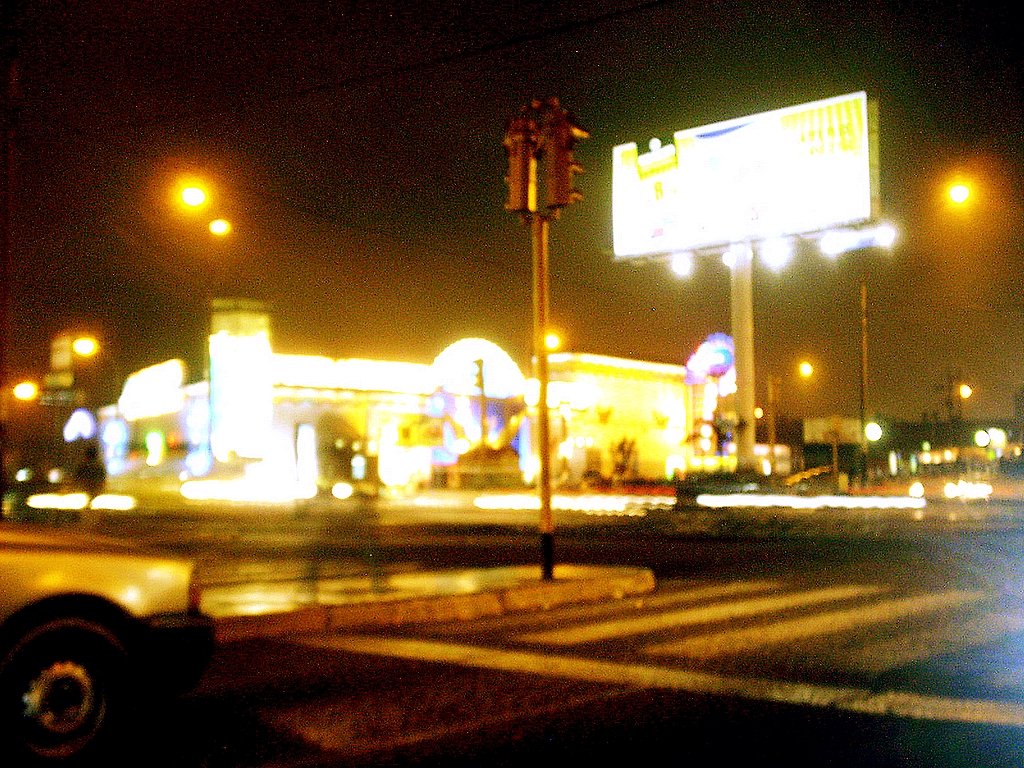
Enhance your visit by exploring high-quality images and virtual tours on official tourism platforms. Look for visuals such as the “Cathedral of Lima façade,” “Interior view of the main nave and altar,” and “Plaza Mayor at night.” Interactive maps and virtual galleries are recommended for pre-trip planning.
Frequently Asked Questions (FAQ)
Q: What are the Cathedral of Lima visiting hours?
A: Monday to Friday, 9:00 AM – 5:00 PM; Saturday, 10:00 AM – 1:00 PM; Sunday, open for mass at 11:00 AM.
Q: How much do tickets cost?
A: 10 soles for adults, 2 soles for children; discounts available.
Q: Are guided tours available?
A: Yes, in Spanish and English for an additional fee.
Q: Is the cathedral wheelchair accessible?
A: Yes, but some areas have limited access.
Q: Can I take photos inside?
A: Yes, but flash and tripods may be restricted.
Q: How do I get there?
A: Located on Plaza Mayor, accessible on foot or by taxi/rideshare.
Listen to the full story in the app
The whole Cathedral Of Lima,
told well.
Audio guides for 1,100+ cities across 96 countries. History, stories, and local insight — offline ready.
Verified, and shown.
Researched and written by the Audiala editorial team from historical records, architectural archives, and local expertise.
Researched from Wikidata, Wikipedia & official sources · fact-checked · How we make our guides →