Introduction
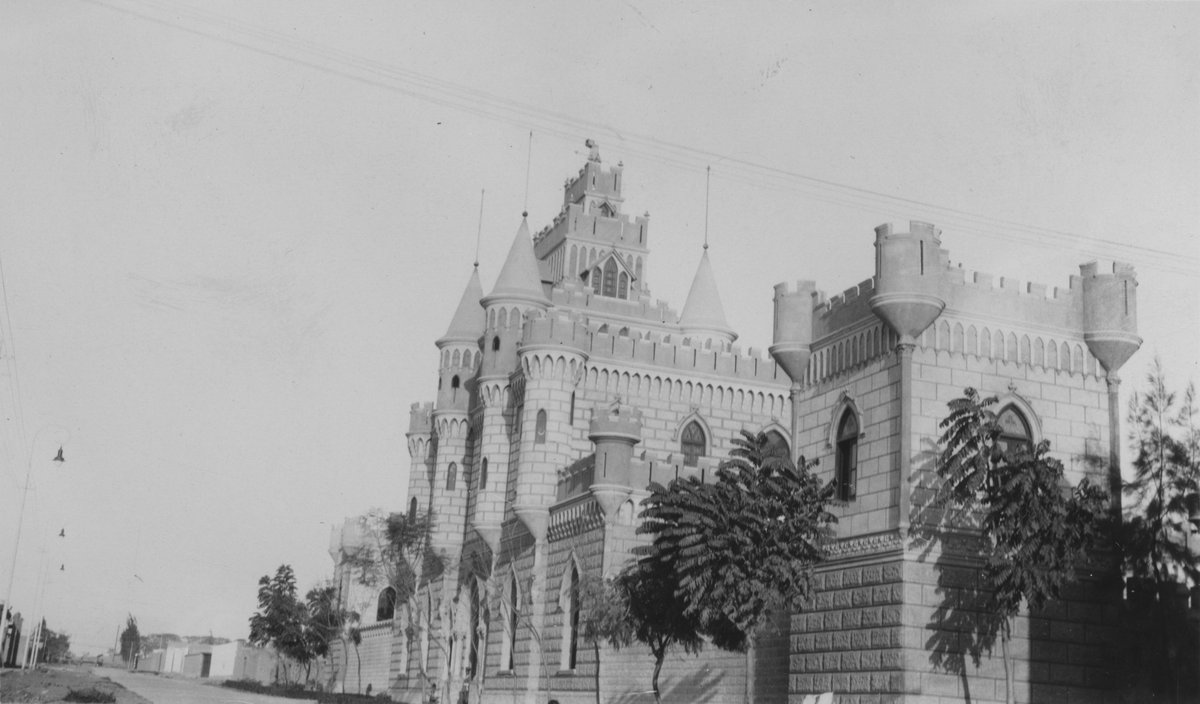
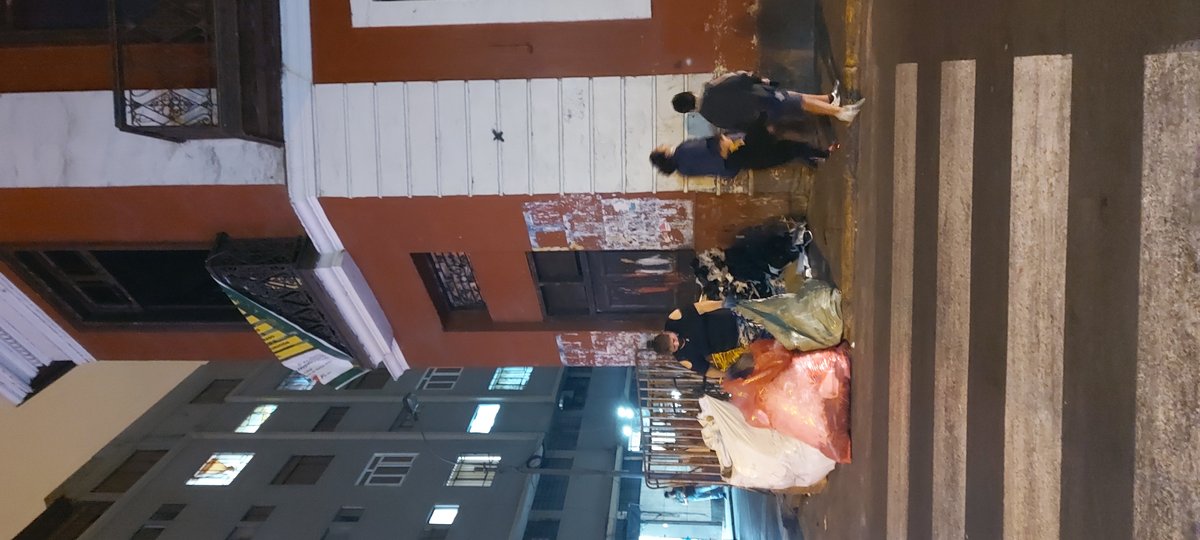
Casa Matusita stands as one of Lima’s most enigmatic and iconic landmarks, renowned for its colonial architecture and its enduring reputation as the most haunted house in South America. Situated at the intersection of Avenida Garcilaso de la Vega and Avenida España in Lima’s historic center, the building’s chilling legends, paranormal folklore, and mysterious past have captivated generations of Lima residents, travelers, and paranormal enthusiasts. The house’s notoriety is fueled by a compelling blend of oral tradition, sensational media coverage, and its unique position in Peruvian culture—a reflection of Lima’s syncretic history, where indigenous beliefs merge with colonial narratives.
Despite the supernatural tales—ranging from mass poisonings to failed exorcisms and ghostly apparitions—current owners emphasize that Casa Matusita has a peaceful family history, dismissing most paranormal claims as urban legends or media exaggeration. Today, the building’s ground floor is used commercially and the upper floors serve as storage, with no public interior access. Yet, its legend persists, making it a focal point for ghost tours and a must-see for those exploring Lima’s historical sites.
This detailed visitor’s guide explores Casa Matusita’s history, legendary status, practical visitor information (including visiting hours, ticketing, accessibility, and travel tips), and its role within Lima’s broader historical and cultural landscape. For more insights, readers can consult resources like Emadion, La República, and iPeru.
- Introduction
- Colonial Origins and Early Legends
- Construction and Ownership
- The Curse and Urban Legends
- Modern Use and Visitor Information
- The Casa Matusita Legend: Origins and Evolution
- Paranormal Claims and Popular Stories
- Cultural Impact and Media
- Practical Visitor Details (FAQ, Safety, Etiquette)
- Conclusion & Further Exploration
- References
Photo Gallery
Explore Casa Matusita in Pictures
Colonial Origins and Early Legends
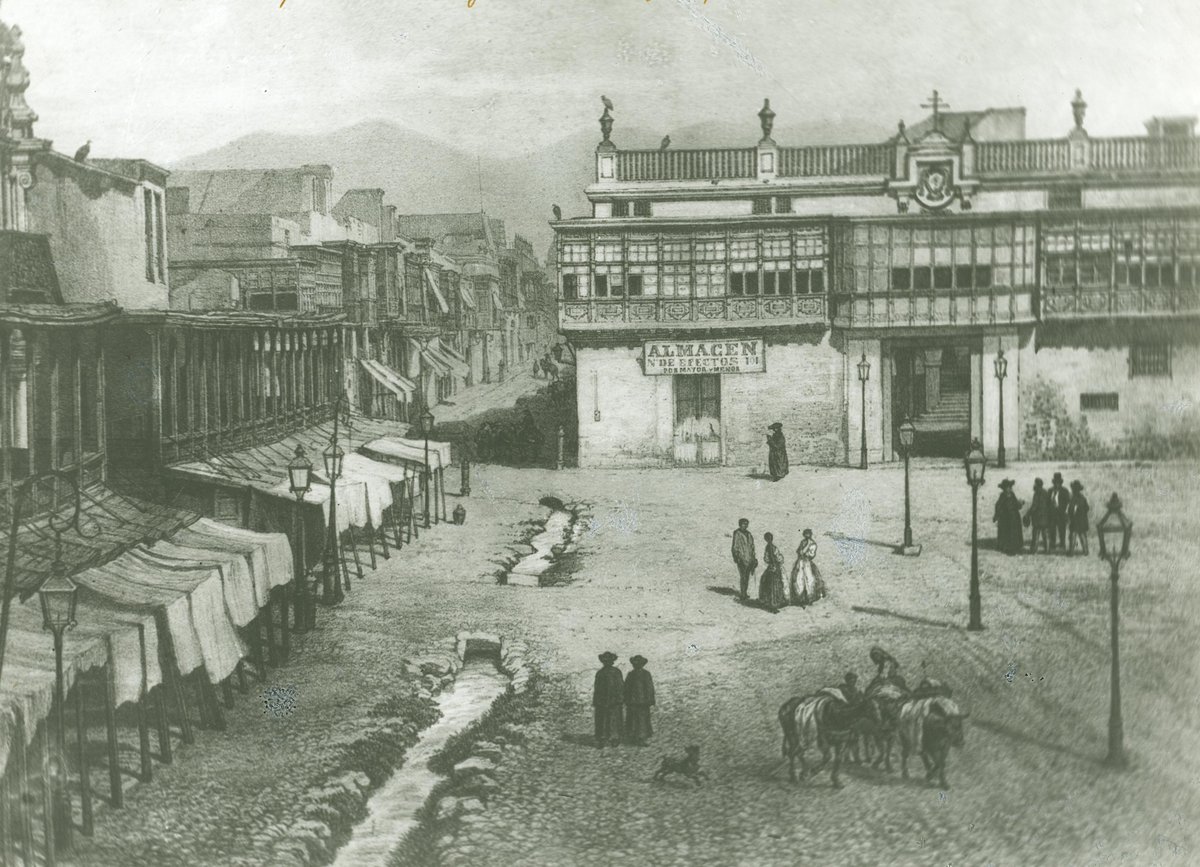
Casa Matusita’s origins trace back to Lima’s colonial era. Legend tells of a European woman accused of witchcraft who, upon being executed on the premises, cursed the land. While there is no historical documentation to corroborate these claims, the story persists in Lima’s oral tradition and has become central to the house’s haunted reputation (Emadion).
Construction and Ownership
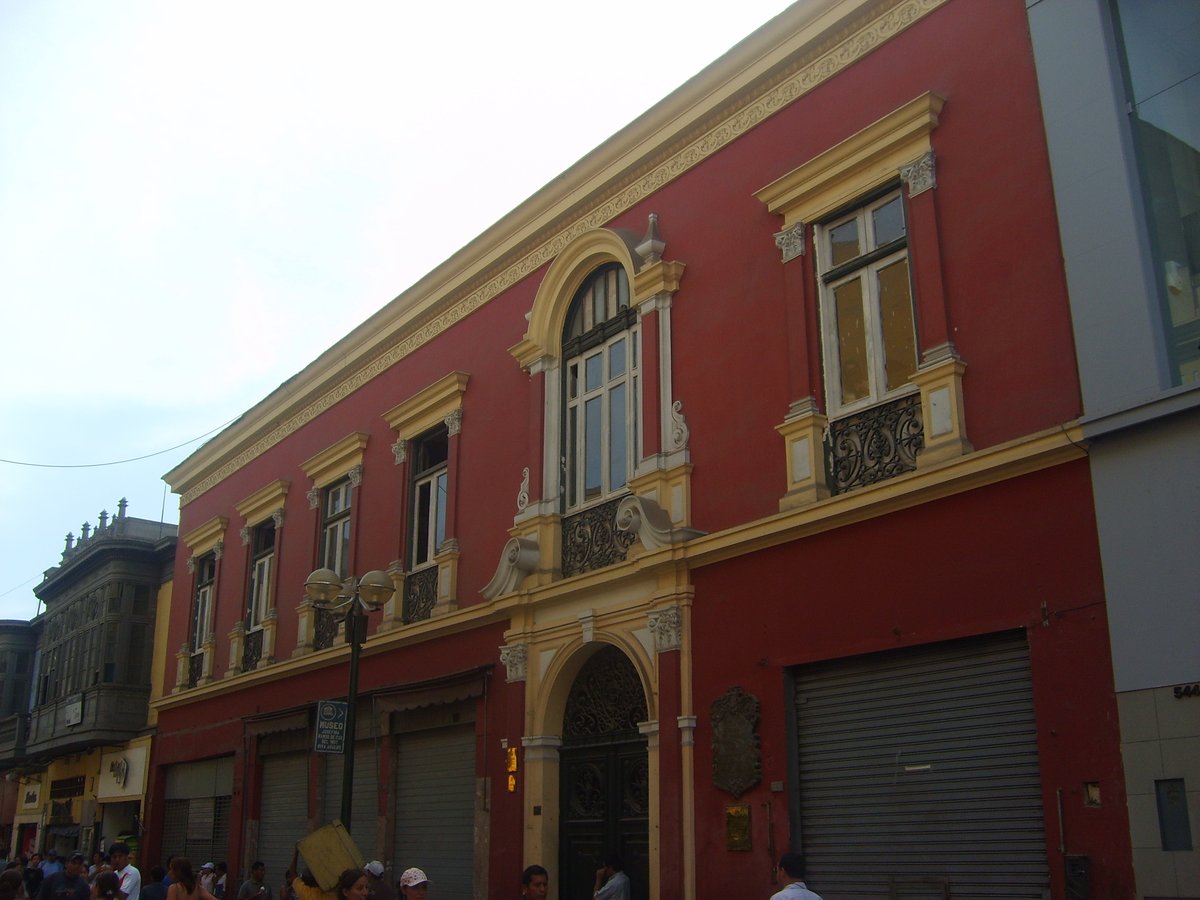
The current two-story structure was constructed in the early 1800s. In the 20th century, it was owned by the Andrade and Thierry-Tiry families, with Ladislao Thierry-Tiry Andrade’s grandmother residing there from 1947 onward. The building’s name possibly derives from a Japanese merchant, “Matsushida,” but this etymology remains part of the mythos, like much of Casa Matusita’s history (Emadion; La República).
The Curse and Urban Legends
The legends surrounding Casa Matusita include tales of mass poisonings by disgruntled servants, failed exorcisms, and reports of ghostly activity—especially on the second floor. A famous (though widely debunked) story involves TV presenter Humberto Vilchez Vera, who allegedly went mad after spending a night inside as part of a television stunt (La República). Other stories suggest the house sits atop Inca burial grounds or was the site of occult rituals, but these remain speculative (True Paranormal Stories Podcast).
Despite the lack of verifiable evidence, these legends remain woven into the cultural fabric of Lima (CreepyHQ; Viajes Machu Picchu Blog).
Modern Use and Visitor Information
Visiting Hours and Tickets
- Interior Access: Casa Matusita is private property and not open for public interior visits as of June 2025.
- Exterior Viewing: The building can be viewed from outside at any time, though daytime hours (9:00 AM–6:00 PM, Monday–Saturday) are recommended for safety and visibility. There is no entrance fee or ticketing for exterior viewing.
Accessibility and Travel Tips
- Location: Intersection of Avenida Garcilaso de la Vega and Avenida España, central Lima.
- Getting There: Easily accessible by Metropolitano (“Estación España”), taxi, ride-share, or on foot from nearby landmarks.
- Accessibility: The exterior sidewalks are generally accessible, but some areas may be uneven.
Guided Tours and Photography
- Casa Matusita is a popular stop on ghost tours and urban legend walks. These tours do not enter the house, but guides provide historical and cultural context at the site.
- The colonial yellow façade and barred windows are popular for exterior photography. Best lighting is during the morning or late afternoon.
- Tip: Respect local beliefs and avoid blocking sidewalks or entrances when photographing.
Nearby Attractions
- Plaza San Martín: Historic square, 10 minutes away.
- Museo de Arte de Lima (MALI): Premier art museum nearby.
- San Francisco Monastery and Catacombs: Noted for their own haunted legends.
- Central Market: Local food and crafts.
The Casa Matusita Legend: Origins and Evolution
The haunted reputation of Casa Matusita is a product of both oral tradition and media sensationalism. The legend grew in the mid-20th century, with newspapers and television shows amplifying stories of mysterious deaths and supernatural phenomena. The house’s proximity to the U.S. embassy and the Lima Penitentiary further fueled speculation about its past (La República; Infobae).
Paranormal Claims and Popular Stories
- The Poisoned Banquet: Servants allegedly poisoned the family, dooming their spirits to eternal haunting.
- The Cursed Second Floor: Stories claim anyone spending the night would go mad or die; this was widely publicized by Humberto Vilchez Vera’s TV stunt.
- Apparitions and Poltergeist Activity: Reports include cold spots, flickering lights, disembodied voices, and shadow figures—though none are substantiated by scientific inquiry.
- Occult Rituals and Ancient Curses: Some versions claim the house was built on Inca burial grounds or was a site for occult practices (True Paranormal Stories Podcast).
Cultural Impact and Media
Casa Matusita’s legend has left a significant mark on Peruvian popular culture, inspiring books, documentaries, podcasts, and even a film project starring Malcolm McDowell (La República). Schools and universities occasionally use the site as an educational case study for folklore and urban legend. The house is especially popular during Halloween and the Day of the Dead, with increased interest in guided tours and cultural events.
Practical Visitor Details
Safety Tips
- Visit during daylight hours for safety.
- The intersection is busy; use crosswalks and be alert.
- Avoid attempting entry or trespassing—Casa Matusita is private property.
Etiquette and Responsible Tourism
- Respect the property, its owners, and local beliefs.
- Do not contribute to vandalism or sensationalism.
- Support local guides and businesses by booking reputable tours.
FAQs
Can I enter Casa Matusita?
No, interior access is not permitted.
Are tickets required?
No, exterior viewing is free and unticketed.
When are the best hours to visit?
Daytime hours (9:00 AM–6:00 PM) are recommended.
Is it included in guided tours?
Yes, many Lima ghost and legend tours stop at Casa Matusita’s exterior.
What else can I see nearby?
Plaza Mayor, San Francisco Monastery, and the Central Market are all within walking distance.
Listen to the full story in the app
Your Personal Curator, in Your Pocket.
Audio guides for 1,100+ cities across 96 countries. History, stories, and local insight — offline ready.
Audiala App
Available on iOS & Android
Join 50k+ Curators
Sources
- verified
- verified
- verified
- verified
- verified
- verified
- verified
Last reviewed: