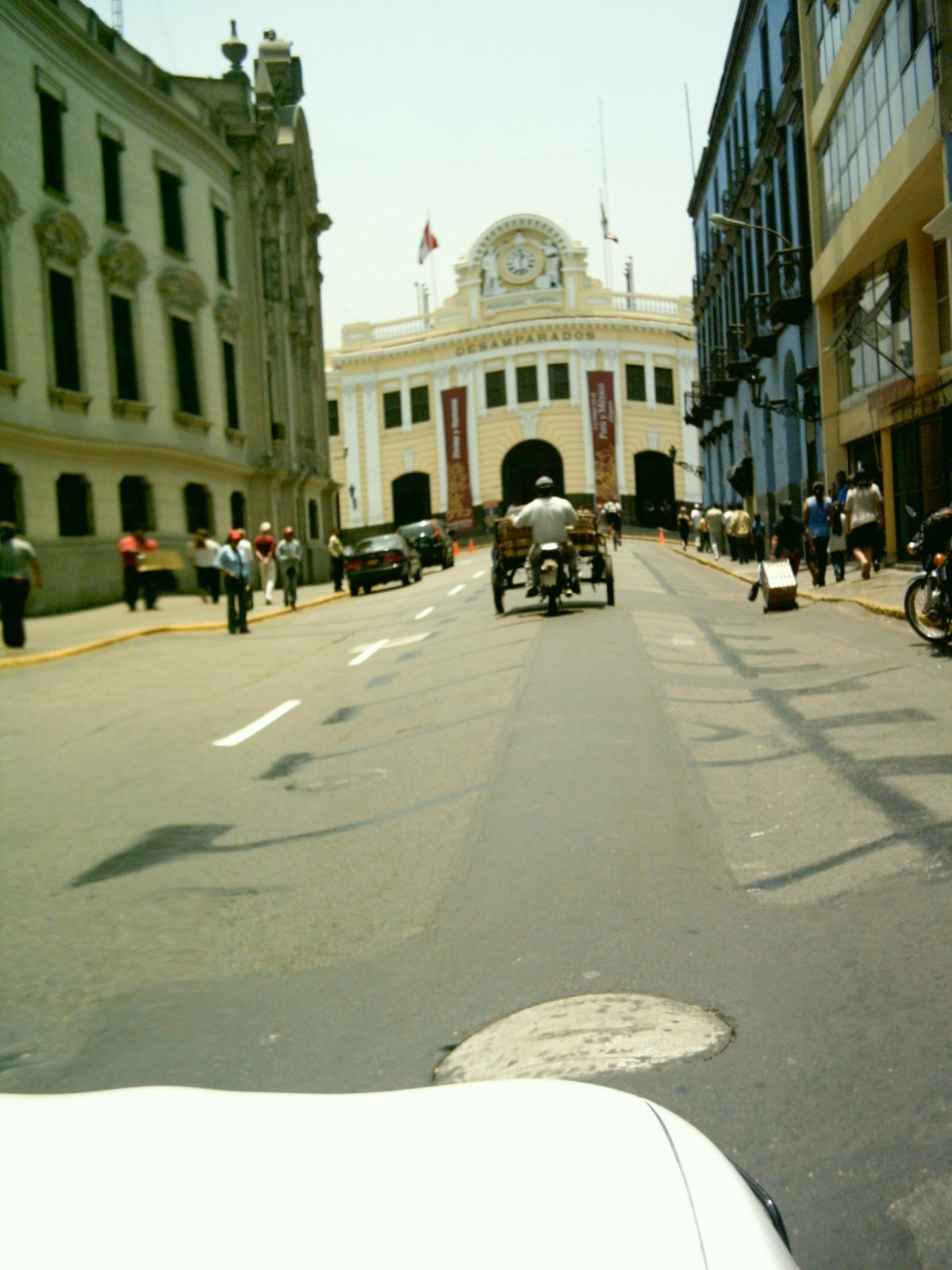
Plan and listen to Casa Aliaga, Lima with Audiala.
Audio guide in your pocket, itinerary in your browser. Built for the way you actually visit.
Introduction
Casa Aliaga stands as a living monument to Lima’s rich colonial heritage, recognized as the oldest continuously inhabited private residence in the Americas. Established in 1535, just after the founding of Lima itself, this architectural gem offers an immersive journey through nearly five centuries of Peruvian history. Located steps from the Plaza Mayor and Government Palace in Lima’s UNESCO-listed historic center, Casa Aliaga exemplifies the evolution of Spanish colonial architecture while preserving the legacy of the Aliaga family, who have resided here for over 17 generations. This comprehensive guide provides essential information on visiting hours, tickets, tours, accessibility, and nearby attractions, ensuring a memorable and enriching experience for every visitor. For the latest updates and insights, consult sources such as GPSmyCity, Inca Trilogy Tours, and Trek Zone.
History and Cultural Importance
Casa Aliaga was granted to Jerónimo de Aliaga, a lieutenant of Francisco Pizarro, immediately following Lima’s foundation in 1535. The mansion’s original structure was built using adobe and wood—materials suited to Lima’s seismic conditions. Over nearly 500 years, the Aliaga family has maintained continuous residence, safeguarding an unparalleled collection of colonial furnishings, religious artifacts, and historical documents.
Throughout the colonial and republican eras, Casa Aliaga played a significant role in Lima’s social and political life. Its halls have hosted viceroys, clergy, and statesmen, serving as a stage for events that shaped Peruvian history. The preservation efforts by the family, in collaboration with heritage authorities, have ensured that this historic house remains both a private residence and a living museum.
Architectural Evolution and Highlights
Casa Aliaga’s architecture reflects Lima’s evolving aesthetic across centuries:
- 16th–18th Centuries: The core structure retains Renaissance and Baroque elements, with carved wooden balconies and grand staircases added during later colonial expansions.
- Post-Earthquake Restorations: After major earthquakes (notably in 1687 and 1746), reinforced walls and elegant courtyards were introduced, enhancing resilience and grandeur.
- 19th–20th Centuries: Neoclassical and Art Nouveau influences appear in salons, stained glass windows, and imported European furnishings.
Key architectural features include:
- Monumental Marble Staircase: A symbol of the family’s status, connecting public and private spaces.
- Private Chapel: Decorated with gilded altarpieces and religious paintings, reflecting the family’s devotion.
- Central Courtyards: Lush, Andalusian-style patios providing light, ventilation, and tranquility.
- Cusco School Paintings: Blending European and indigenous styles, displayed throughout the mansion.
Visiting Information: Hours, Tickets, and Tours
Visiting Hours
- Open: Daily, 09:30–17:00 (last entry at 16:30)
- Note: Visits are by appointment or guided tour only. Advance booking is highly recommended (Inca Trilogy Tours).
Ticket Prices
- General Admission: S/40 (approx. $10 USD)
- Children (under 10): Require a separate ticket, selected during booking
- Guided Tours: Standard entrance does not include a guide; private tours can be arranged for an additional fee (Inca Trilogy Tours)
How to Purchase
- Online: Reserve tickets and tours via Inca Trilogy Tours or authorized vendors.
- Contact: +51 920 843 180 (WhatsApp, 24-hour support)
Guided Tours
- Mandatory for all visitors; self-guided visits are not permitted.
- Tours are available in Spanish and English, typically lasting 60–90 minutes.
- Customizable private tours and combination packages with other historic sites (e.g., Catacombs of San Francisco, Museo Larco) are available (Free Walking Tours Peru).
Accessibility and Visitor Tips
- Mobility: Casa Aliaga’s historic architecture includes stairs and uneven surfaces; wheelchair access is limited. Contact ahead for assistance (Inca Trilogy Tours).
- Photography: Allowed in most areas, but flash and tripods are restricted. Always check with your guide.
- Dress Code: Modest attire is recommended out of respect for the site’s heritage and religious spaces.
- Best Time to Visit: Early mornings or late afternoons are quieter. Lima’s mild, dry season (May–October) offers the best weather (Food and Travel Utsav).
- Nearby Dining: Numerous restaurants and cafés are within walking distance, such as the historic El Cordano (Food and Travel Utsav).
What to See Inside Casa Aliaga
Visitors can explore:
- Reception Hall: Featuring ornate woodwork, chandeliers, and family crest.
- Private Chapels: Showcasing colonial Catholic devotion and art.
- Art Collection: Sculptures, paintings, and antiques from the colonial and republican eras (UrTrips).
- Courtyards & Staircases: Traditional quincha and adobe construction, lush gardens, and grand marble staircases.
- Decorative Details: Intricately carved balconies, stained glass, and imported European furnishings.
Special Events and Cultural Activities
Casa Aliaga hosts occasional cultural events, private dinners, and exhibitions. For information on upcoming events, check with the venue or your tour provider.
Nearby Attractions and How to Get There
- Address: Jirón de la Unión 224, Cercado de Lima, Peru
- Nearby Landmarks: Plaza Mayor, Government Palace, Cathedral of Lima, and Church of San Agustín—all within a short walk (Trek Zone).
- Getting There: Use the Metropolitano bus system (Jirón de la Unión or Ricardo Palma stations), taxi, or rideshare (Uber) for convenience and safety, especially from Miraflores, Barranco, or San Isidro (Free Walking Tours Peru).
Frequently Asked Questions (FAQ)
What are Casa Aliaga’s visiting hours?
Open daily from 09:30 to 17:00, last entry at 16:30. Advance booking is required.
How do I purchase tickets?
Book online via Inca Trilogy Tours or approved tour operators.
Are guided tours mandatory?
Yes, all visits require a guided tour.
Is Casa Aliaga wheelchair accessible?
Access is limited; contact the venue in advance for assistance.
Can I take photos inside?
Yes, but flash and tripods may be restricted. Confirm with your guide.
Are there other attractions nearby?
Yes, including Plaza Mayor, the Government Palace, Cathedral of Lima, and more.
Listen to the full story in the app
The whole Casa Aliaga, Lima,
told well.
Audio guides for 1,100+ cities across 96 countries. History, stories, and local insight — offline ready.

Verified, and shown.
Researched and written by the Audiala editorial team from historical records, architectural archives, and local expertise.
Researched from Wikidata, Wikipedia & official sources · fact-checked · How we make our guides →