An introduction.
Researched by the Audiala editorial team from historical records, architectural archives, and local expertise.
AA Chinese ceremonial arch rises over central Lima like a sentence from another city, and that jolt is exactly why Barrio Chino in Lima, Peru deserves your time. Come for the food if you want, but stay for the harder story written into Calle Capón: migration, indenture, reinvention, and a neighborhood that still carries the aftertaste of all four. Few places in Lima compress so much history into one walkable stretch of street.
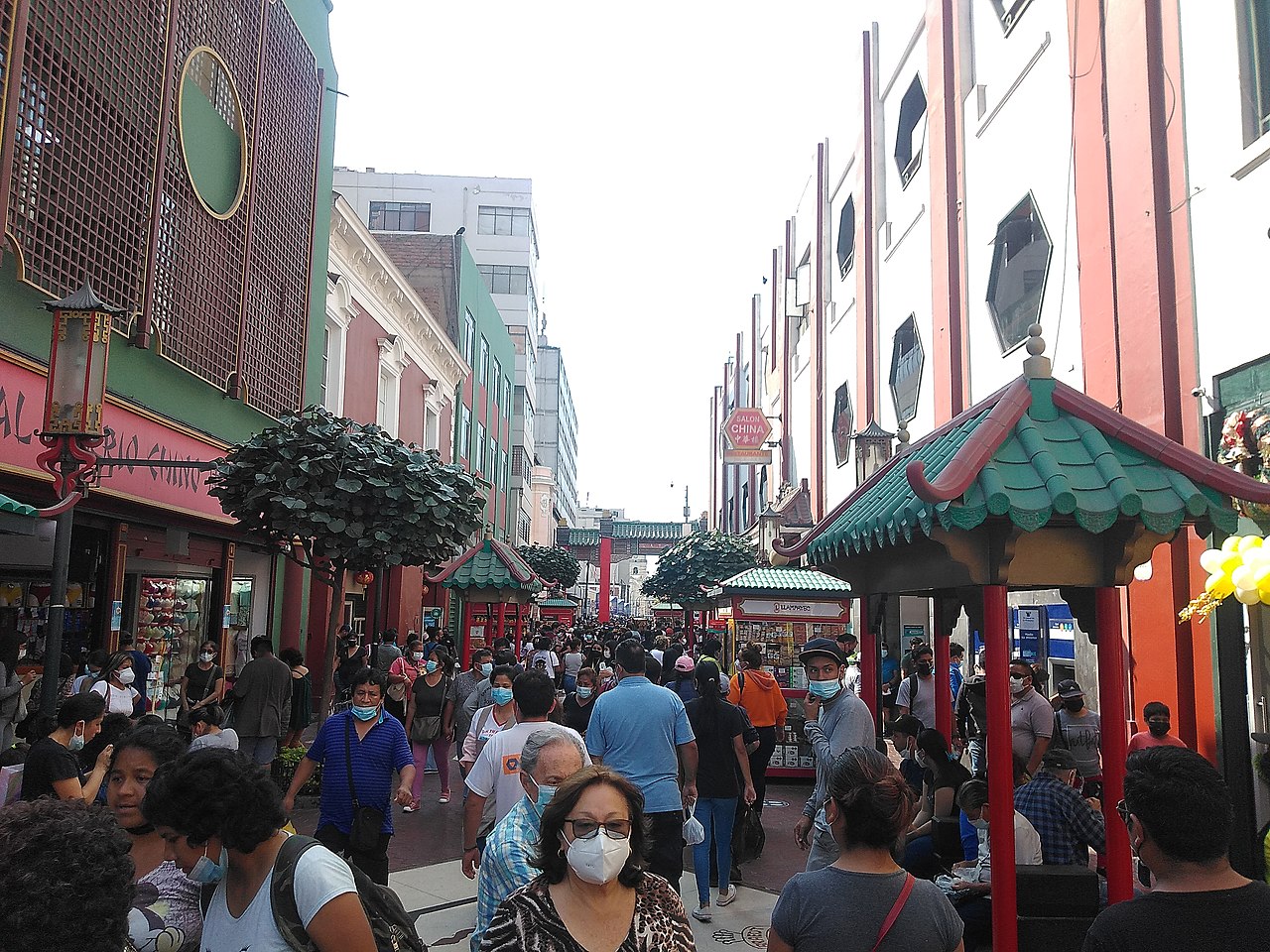
Barrio Chino gathers around Calle Capón, now officially Jirón Ucayali, a few minutes from the colonial core of Lima. Red lanterns, roast duck in windows, the sweet-salty smell of chifa kitchens, and the rattle of delivery carts make the block feel immediate, almost theatrical. Then the dates arrive, and the mood changes.
records show the story begins with the arrival of Chinese indentured laborers in 1849. Many came from Guangdong, crossed the Pacific under brutal contracts, and after plantation terms ended, some made their way into this part of the city and built a support network around food, trade, language, and mutual aid. That living consequence remains present tense.
Visit because Barrio Chino shows a side of Peru that guidebooks often flatten into fusion cuisine and festival color. The better reason sits deeper: this is one of South America's oldest Chinatowns, and every lunch counter here stands on ground shaped by coerced labor, commercial ambition, and the stubborn instinct to make a community anyway.
Mejores lugares para visitar en Lima
Rincones del Mundo01 What to see.
Arco Chino and the Mouth of Calle Capón
Templo Tung Sing
Walk Calle Capón Like a Local
02 In pictures.




Watch & Explore Barrio Chino.
Plan and listen to Barrio Chino with Audiala.
Audio guide in your pocket, itinerary in your browser. Built for the way you actually visit.
Tickets & tours.
These are guided options from our partners — same price as booking direct.
Prices are indicative — final pricing and availability are confirmed at checkout. Audiala may earn a commission from bookings made through these links.
03 Visitor logistics.
The practical scaffolding for a good visit — kept short.
Getting There
The easiest drop-off is the Arco Chino at Jr. Ucayali and Jr. Andahuaylas, right on the east side of Lima's historic center. From Plaza Mayor, walk east for about 5 to 10 minutes; by Metropolitano, local directions point to Estación Jirón de la Unión plus a 5-minute walk; by taxi or rideshare, ask for Calle Capón or Barrio Chino.
Opening Hours
Barrio Chino is a public street corridor, so as of 2026 the area itself effectively stays open all day. Real visiting hours depend on the restaurants and shops: the useful window is roughly 11:00 AM to 7:00 PM, while Lunar New Year brings bigger crowds, event setups, and slower movement through Calle Capón.
Time Needed
Give it 30 to 45 minutes if you just want the arch, a walk down Capón, and a quick snack. A proper meal and some market browsing take 1.5 to 2 hours, and 2 to 3 hours works better if you add Mercado Central and linger over breakfast dim sum or tea.
Accessibility
Calle Capón itself is pedestrianized and mostly flat, which helps wheelchair users and slow walkers. The friction comes from crowds, uneven old paving around the edges, and restaurant or temple entrances that can be narrow or stepped, so the street is easier than many interiors.
Cost & Tickets
Entry is free, and as of 2026 there is no neighborhood ticket, booking system, or skip-the-line pass. Budget for transport and food instead: Metro Line 1 charges S/1.50 plus S/5.00 for the card, and a sit-down meal ranges from budget prices in older chifas to about S/80 average at San Joy Lao.
04 Tips for visitors.
Small things that change the day.
Go By Day
Visit in daylight and keep your phone in your pocket when the street gets packed. The main risk here is theft in crowds, and the wider Mercado Central and Mesa Redonda area feels rougher after dark.
Eat With Intent
For a classic old-school meal, try Wa Lok near Jr. Paruro for a mid-range to splurge lunch; San Joy Lao on Calle Capón lands in the same bracket and carries real local weight. If you want something cheaper and less polished, Ton Kin Sen is the better budget play.
Photos Need Tact
Street photos on Calle Capón are generally fine, but ask before shooting inside temples, shrines, or ritual spaces. Large shoots and commercial filming in Lima's historic center need permits, and drones are a bad idea in this closely monitored zone.
Temple Manners
No street dress code applies, but temple and association spaces are active religious sites, not decor. Dress modestly, lower your voice, and treat altars, incense, and offerings as part of living worship.
Best Visit Window
Late morning to early evening works best, especially around 11:00 AM to 2:00 PM when the food traffic gives the street its real pulse. Lunar New Year is the loudest and most theatrical moment, with drums, lion dances, and prosperity rituals, but you will trade atmosphere for elbow room.
Skip The Tourist Trap
Don't treat the arch as the whole visit and leave after one photo. The better move is to walk the full stretch, peek into the Capón market for snacks or Chinese-Peruvian staples, and spend your money on breakfast buns, dim sum, or groceries instead of souvenir clutter.
Where to Eat
Don't Leave Without Trying
Chun Koc Sen
local favoriteOrder: Shrimp dumplings, pork siu mai, shrimp cheung fun, tallarín sam si, or taypá a la plancha
One of the best spots for dim sum in Lima, with a strong reputation for both dumplings and noodle dishes. A local favorite that leans more Cantonese than generic chifa.
Sweet 7 - Bubble Tea (Sede:Barrio Chino)
quick biteOrder: Traditional milk tea, matcha milk tea, taro milk tea, or the mango smoothie
A go-to spot for a refreshing break in Barrio Chino, offering a variety of bubble teas and smoothies. Perfect for cooling off between heavier meals.
Producciónes Avícolas S. A. C.
quick biteOrder: Min pao and tay pau
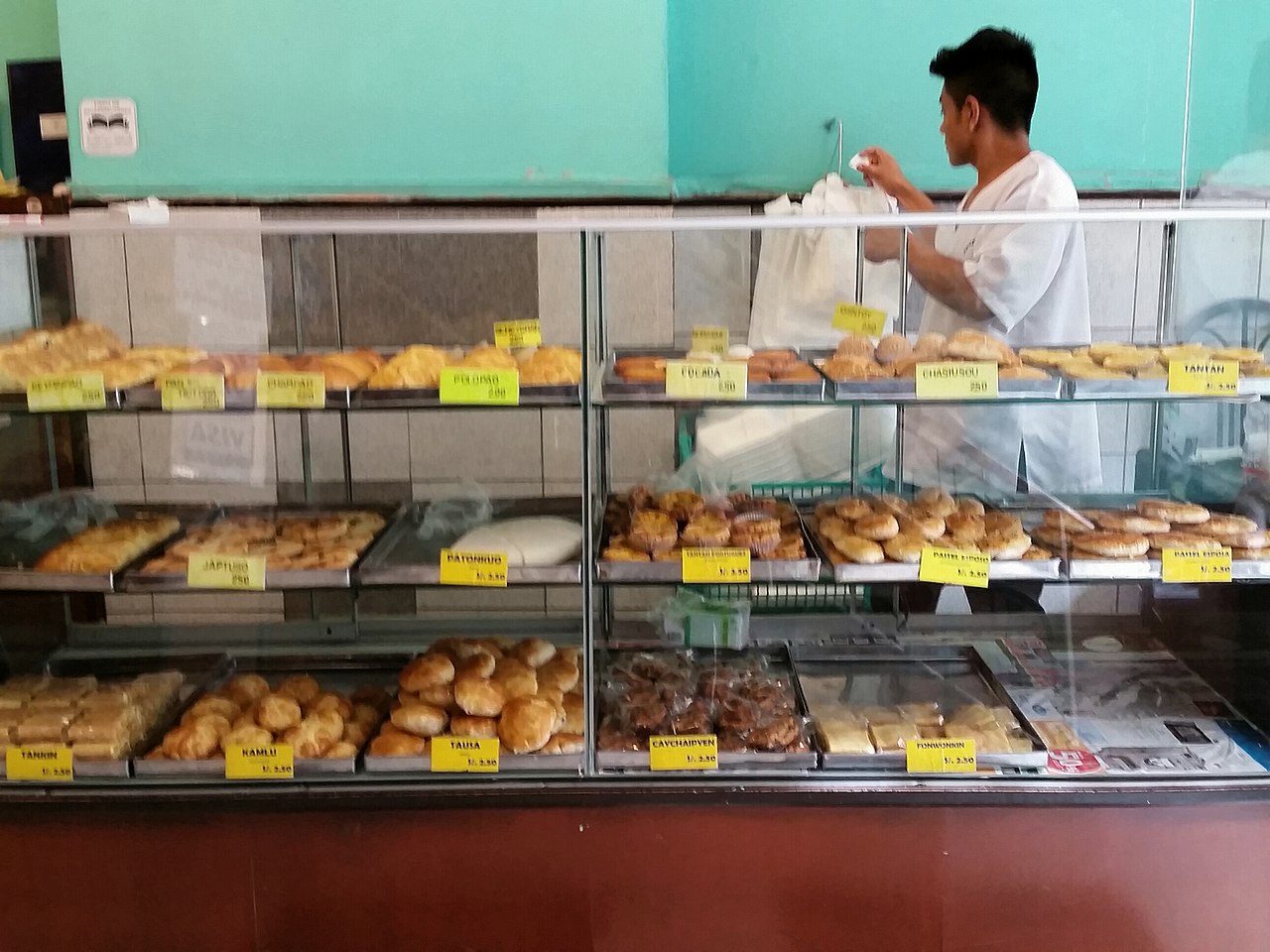
A neighborhood bakery where locals queue for authentic Chinese-Peruvian pastries. A must-visit for those wanting to experience the pastry side of Lima's Chinese food culture.
Wafle chino
quick biteOrder: Waffles with Chinese-Peruvian fusion flavors
A unique spot offering a blend of Chinese and Peruvian flavors in a waffle format. Perfect for those looking for something sweet and different in Barrio Chino.
Dining Tips
- check Barrio Chino is best explored for grazing rather than one long meal.
- check Mercado Central is right next to Barrio Chino and offers a more local eating scene with chifa counters and cheap menu del día.
- check Chun Koc Sen is a great choice if you want something that leans more Cantonese than generic fried-rice-and-noodles chifa.
Restaurant data powered by Google
05 A history of reinvention.
From Contract Ships to Calle Capón
Barrio Chino did not begin as a picturesque ethnic quarter. It grew from one of the grimmest labor systems in 19th-century Peru, when Chinese workers began arriving in 1849 under indenture contracts that promised wages and delivered exploitation with oceanic scale.
scholars estimate that between 1849 and 1874 about 100,000 Chinese laborers reached Peru, a human transfer large enough to remake the country and large enough to leave scars that still shape this street. When contracts ended, many former workers moved into Lima, clustered around Calle Capón, and turned survival into commerce, ritual, and neighborhood life.
Ramón Castilla's Reform, and the Street It Helped Create
President Ramón Castilla enters this story because records show he abolished slavery in Peru in 1854, a decision that changed the republic and also sharpened the demand for other forms of bound labor on the coast. For Castilla, the stakes were political as well as moral: he had to reshape a plantation economy without tearing apart a fragile state that still depended on export wealth.
But the turning point for Barrio Chino came later, when Chinese laborers finished those contracts and walked into Lima instead of disappearing back into the countryside. On Calle Capón they built boarding houses, associations, temples, shops, and eventually the culinary world that Peru now calls chifa. A labor pipeline became a neighborhood. That is the hinge.
The irony bites. A reform meant to end one system of unfreedom did not end coercion; it changed its form, and Barrio Chino stands as living evidence of what those workers did with the scraps of freedom they could seize for themselves.
War, Damage, and Contraction
The Street That Changed Peru's Taste
Listen to the full story in the app
The whole Barrio Chino,
told well.
Audio guides for 1,100+ cities across 96 countries. History, stories, and local insight — offline ready.

06 Frequently asked.
The questions travellers send us most about Barrio Chino.
Is Barrio Chino worth visiting?
Yes, especially if you want to understand Lima through food, migration, and street life rather than postcard beauty. Calle Capón is short, noisy, and crowded, but that compression is the point: chifa dining rooms, Chinese-Peruvian shops, donor tiles underfoot, and the 1971 arch all sit within a few minutes' walk. Go with an appetite and look beyond the arch.
How long do you need at Barrio Chino?
Most visitors need 45 minutes to 2 hours. Give it 30 to 45 minutes if you just want the arch, a walk down Calle Capón, and a quick tea; stay 1.5 to 2 hours if you want a proper chifa meal and time to browse the small market passages. Add more only if you pair it with Mercado Central or a guided walk.
How do I get to Barrio Chino from central Lima?
The easiest route is to walk from Plaza Mayor or take a short taxi or rideshare to the Arco Chino at Jr. Ucayali and Jr. Andahuaylas. From Plaza Mayor, the walk usually takes about 5 to 10 minutes through the historic center. Metropolitano users can head toward Estación Jirón de la Unión, while Linea 1 works better as part of a longer connection than as a doorstep stop.
What is the best time to visit Barrio Chino?
Late morning to early evening works best, roughly 11 AM to 7 PM. Restaurants, snack counters, and shops are active then, and the area feels easier to read in daylight. Lunar New Year brings the district to its most theatrical, with lion dances, drums, red decorations, and heavy crowds.
Can you visit Barrio Chino for free?
Yes, Barrio Chino is free to visit because Calle Capón is a public pedestrian street. You only pay for transport, food, or anything you buy in the shops and market stalls. That makes it one of the easiest add-ons to a day in Lima.
What should I not miss at Barrio Chino?
Don't stop at the arch photo and leave. Look up at the inscriptions on the Arco Chino, then look down at the red paving with zodiac signs, donor names, and hexagonal luck tiles; those details give the street its memory. If Templo Tung Sing is open, the shift from traffic noise to incense, creaking wooden floors, and dim temple light is the moment that stays with you.
Is Barrio Chino safe to visit?
Yes in daylight with normal big-city caution, but you should stay alert. The main risks are phone theft, pickpocketing, and the rougher atmosphere around the wider Mercado Central and Mesa Redonda area after dark. Keep valuables out of sight, use a closed bag, and don't linger late unless you know the area.
Verified, and shown.
Researched and written by the Audiala editorial team from historical records, architectural archives, and local expertise.
Business listing used for the claim that Calle Capon functions as an always-open public street.
Restaurant hours and visit-timing context for Wa Lok.
Restaurant hours, booking information, and average spend for San Joy Lao.
Current shop hours on Calle Capon.
Lunar New Year 2026 celebrations, offerings, street atmosphere, and paving details.
Coverage of 2026 Lunar New Year programming on Calle Capon.
Official restaurant site used for booking and restaurant context.
Location of the Chinese arch and nearby plaza references.
General orientation, street extent, and historical overview including War of the Pacific context.
Location, access from central Lima, and cultural framing of the district.
Official Lima Metro Line 1 fares.
Official last-train timing for Linea 1.
Peak crowding hours for Linea 1.
Nearby bus lines and stops for public transport access.
Nearby parking option and hours.
Official accessibility information for Linea 1 stations.
Directory listing used for accessibility and restaurant context.
Directory listing with hours and accessibility notes for Salon China.
Visitor timing patterns and general attraction context.
Mercadillo details, pricing, and local shopping context.
Citywide public-toilet shortage context relevant to visitor planning.
Nearby plaza reference for rest stops and orientation.
Third-party luggage storage option in Lima.
Third-party luggage storage option in Lima.
Third-party luggage storage near central Lima.
Luggage storage pricing and note that Plaza Mayor lacks official lockers.
Official tourism framing of Calle Capon, galleries, and Chinese goods.
Official tourism framing of the district and its core pedestrian experience.
Neighborhood site used for district structure and festival references.
History of the 1971 arch, inscriptions, dimensions, and later redesign context.
General reference on the Chinese arch and its dimensions.
Pedestrian makeover details, tiles, and Lunar New Year rituals like lettuces over restaurant doors.
Guided tour duration and visitor experience framing.
Market passage, arch details, and street-level food culture.
Temple location, interior atmosphere, and sensory contrast with the street.
Spanish-language summary of hybrid architecture and general district history.
2017 lion sculptures, materials, and renovation notes at the arch.
Street atmosphere and the area's commercial, crowded character.
Food-tour framing and sensory emphasis on smell and street eating.
Pre-New-Year decorations, amulets, plants, and street visuals.
2026 New Year activity schedule and ritual context.
Alternate gallery link for the same New Year street visuals and symbolic objects.
Seasonal street-snack detail and general travel description.
Existing Audiala page noted in research for audio-guide context.
Walking-tour context for Barrio Chino and surrounding market area.
Official heritage walk event focused on the district's history and secrets.
Attendance and institutional framing of Barrio Chino as key to understanding Lima's Chinese contribution.
History of Calle Capon, local naming, and ties to Mercado Central and migration.
Popular-history overview of the neighborhood's origins and local importance.
Local perspective on safety, food culture, breakfast traditions, and everyday use of the area.
Breakfast culture, bocaditos, and old-school chifa eating habits.
Prosperity rituals, dragon dances, and bamboo-touching custom.
Lunar New Year customs and current street celebrations.
Mid-Autumn Festival context in Lima's Chinese-Peruvian community.
Phone-theft and security context for central Lima.
Visitor safety impressions and attraction reviews in Spanish-language regional domain.
Local news coverage referenced for current safety and neighborhood context.
Background on Chinese migration and food culture in the district.
2025 sanitation closures affecting famous chifas on Jr. Ucayali.
2025 vandalism and theft affecting the lion sculptures at the entrance.
Further reporting on vandalism to the lion sculptures.
Historic-center security measures affecting the wider Barrio Chino area.
Permit requirements for commercial filming in Lima's historic center.
Official rule that photo and video inside Linea 1 stations require authorization.
Local reporting on robbery patterns in the area.
Restaurant pricing and menu context for Wa Lok.
Budget restaurant context and user pricing for Ton Kin Sen.
Additional pricing and restaurant context for Ton Kin Sen.
Nearby classic dining option used as contextual recommendation close to Barrio Chino.
Researched from Wikidata, Wikipedia & official sources · fact-checked · How we make our guides →