Plan and listen to Archbishop'S Palace Of Lima with Audiala.
Audio guide in your pocket, itinerary in your browser. Built for the way you actually visit.
Introduction
The Archbishop’s Palace of Lima is a landmark that stands as a testament to Peru’s rich colonial past and enduring Catholic traditions. Located on Lima’s Plaza Mayor, the palace has served as the seat of the Archdiocese since the 16th century, reflecting the deep intertwining of religious and civic life in the Peruvian capital. The current neo-colonial structure, completed in 1924 and designed by Ricardo de Jaxa Malachowski, features an ornate façade, iconic cedar wood balconies, and a Museum of Religious Art that preserves centuries of ecclesiastical heritage. This detailed guide explores the palace’s historical significance, architectural highlights, practical visitor information—including hours and ticketing—and tips for a memorable visit. For further details, consult Wikipedia, LimaEasy, WhichMuseum, and jordangassner.com.
- Introduction
- Historical Foundations and Architectural Evolution
- Neo-Colonial Revival and Artistic Flourishes
- Visitor Information
- Key Architectural and Artistic Highlights
- Timeline of Key Events
- Frequently Asked Questions (FAQ)
- Location and Accessibility
- Visitor Tips
- Summary & Call to Action
- References
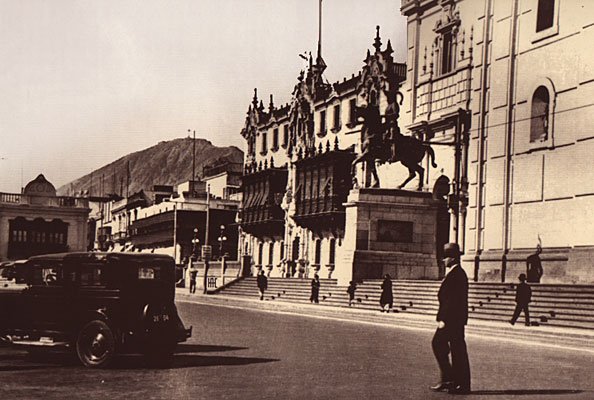
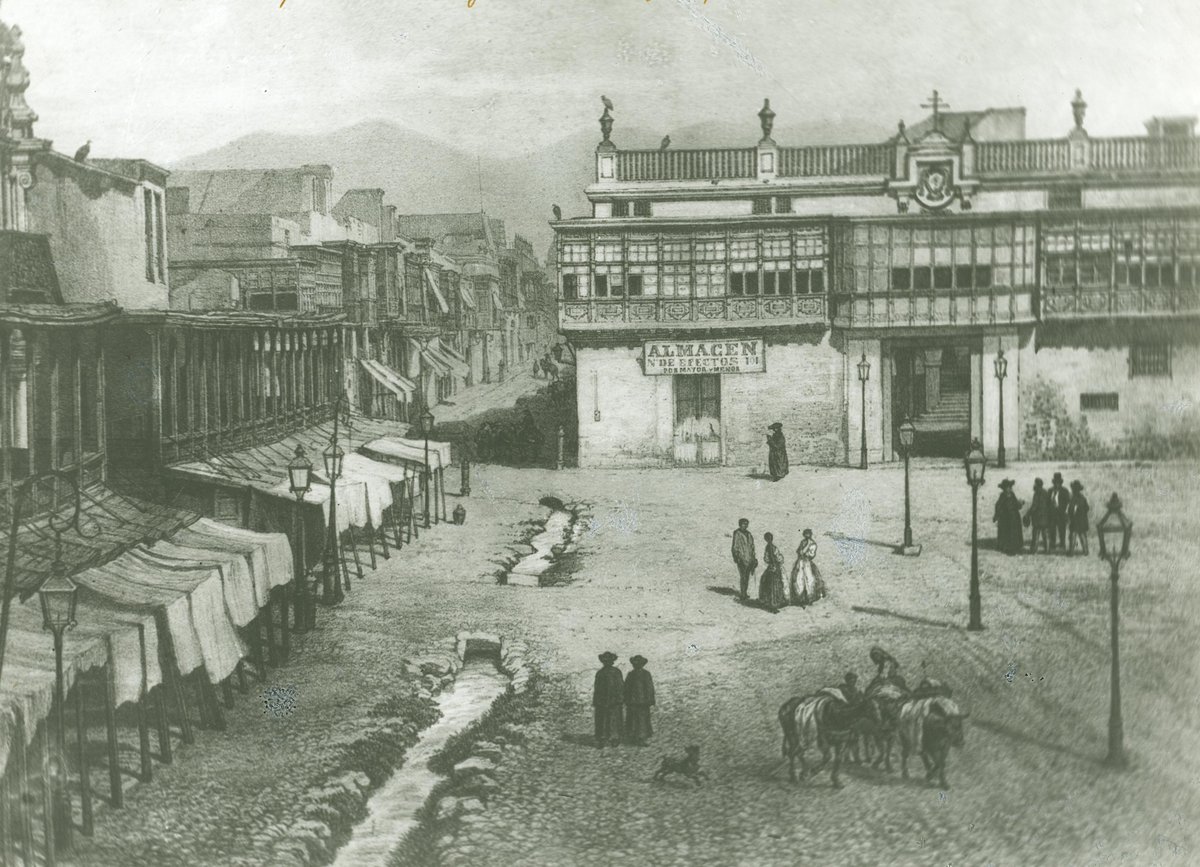
1. Historical Foundations and Architectural Evolution
Colonial Beginnings
The Archbishop’s Palace’s origins trace back to Lima’s founding in 1535 by Francisco Pizarro. The first bishop’s residence was established on a prominent plot at the Plaza Mayor, reflecting the Catholic Church’s centrality to colonial governance and culture (Wikipedia). Early structures incorporated Spanish-imported materials—cedar, mahogany, marble, and bronze—and featured multiple balconies, grand entrances, and a courtyard reminiscent of monastic cloisters (The History Hub).
Earthquakes and Reconstructions
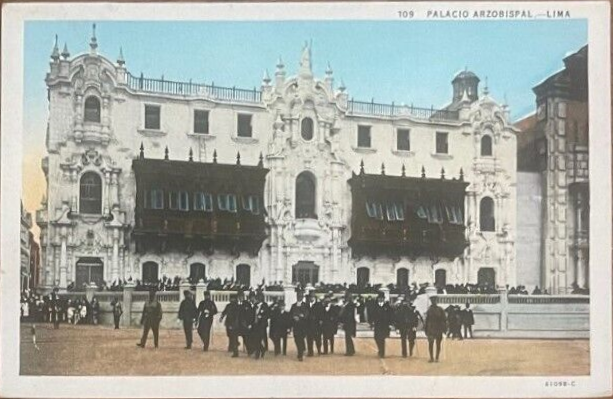
Peru’s seismic activity repeatedly damaged the palace, prompting several reconstructions. The original façade was demolished in the 19th century, and by the early 20th century, a new vision emerged. Architect Ricardo de Jaxa Malachowski designed the current palace, inaugurated in 1924, drawing inspiration from colonial models like the Torre Tagle Palace (Tierras Vivas).
2. Neo-Colonial Revival and Artistic Flourishes
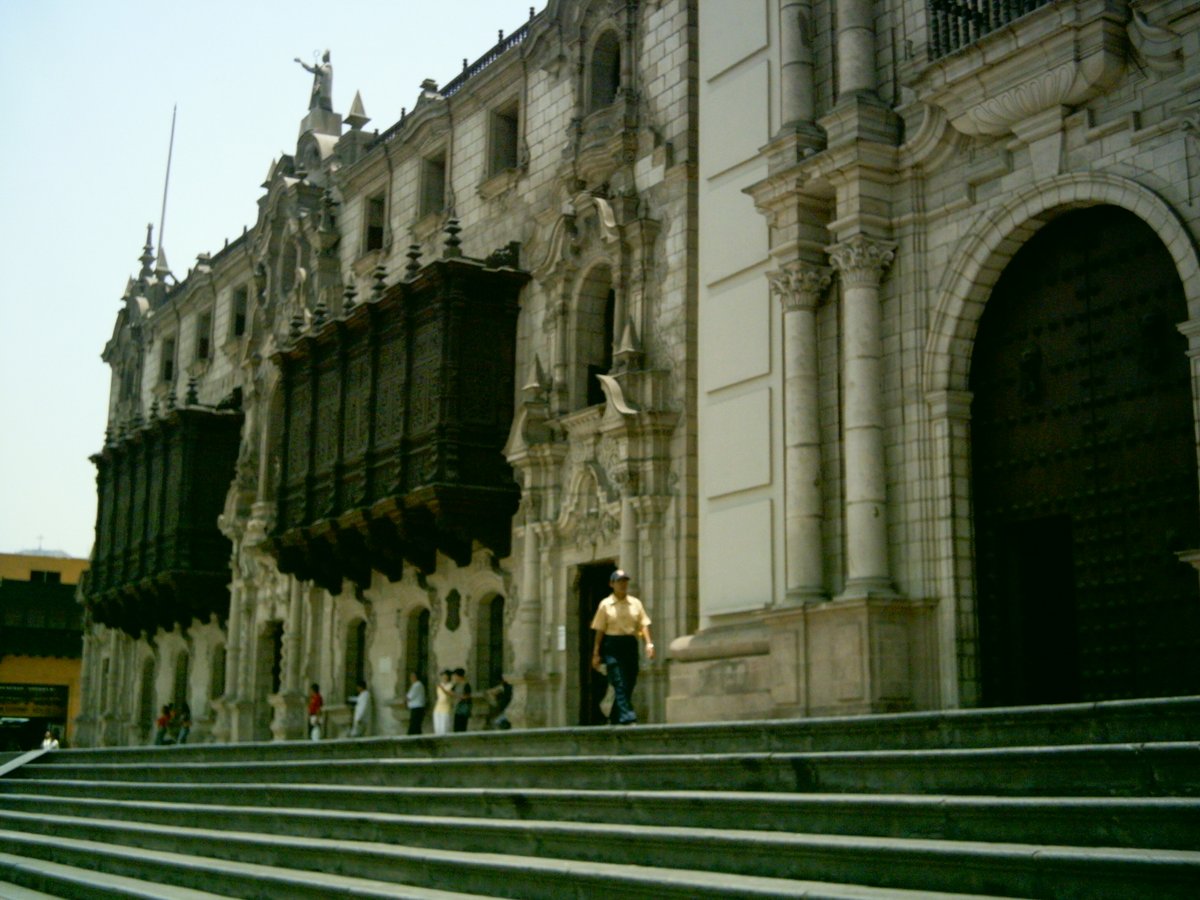
The 1924 palace exemplifies the neo-colonial style with baroque and neo-plateresque influences. Its façade is clad in stone, accentuated by two intricately carved cedar balconies in the neo-baroque style. A granite sculpture of Santo Toribio de Mogrovejo, the Archdiocese’s patron, presides over the entrance (WhichMuseum).
Inside, the palace boasts:
- A sweeping marble staircase with a stained-glass skylight
- Opulent reception halls with period furnishings and religious art
- A private chapel with carved altars and painted windows
- Courtyards with fountains and arcaded walkways that echo Andalusian design
The palace’s rich decorative program was executed by both European and Peruvian artisans, highlighting the fusion of artistic traditions (LimaEasy).
3. Visitor Information
Visiting Hours
- Days: Tuesday to Sunday
- Hours: 9:00 AM to 5:00 PM
- Closed: Mondays and public holidays
Check for holiday or special event variations on the official website.
Tickets and Admission
- General Admission: S/. 30 (approx. USD 8)
- Discounts: Available for students, seniors, and children
- Purchase: At the entrance (online booking is limited; some tour operators offer packages) (Evendo)
Accessibility
The main entrance is at street level, but some upper floors and exhibition rooms may only be accessed by stairs. Wheelchair users and those with mobility challenges are advised to contact the palace in advance for current accessibility arrangements.
Guided Tours and Experiences
Guided tours (Spanish and English) are highly recommended and last 45–60 minutes. Guides illuminate the palace’s history, art, and architecture. Informational panels are available for self-guided visits (Evendo).
Nearby Attractions
The palace is centrally located in Lima’s historic center, adjacent to:
- Lima Metropolitan Cathedral
- Government Palace (changing of the guard daily at 11:45 AM)
- Casa de Aliaga
- Basilica and Convent of San Francisco (kittiaroundtheworld.com)
4. Key Architectural and Artistic Highlights
- Façade: Neo-colonial stonework with baroque and neo-plateresque details
- Balconies: Two large, carved cedar wood balconies (among Lima’s most photographed)
- Interior: Marble staircases, stained-glass windows, period salons, religious paintings, and sculptures
- Museum: Ecclesiastical vestments, silverwork, colonial religious art, and relics of saints such as Saint Rose of Lima and Saint Toribio de Mogrovejo (WhichMuseum; Tierras Vivas)
5. Timeline of Key Events
- 1535: Lima founded; first bishop’s residence established
- 16th–19th centuries: Earthquake damage and multiple reconstructions
- 1924: Inauguration of the current neo-colonial palace
- 2009: Opening of the Museum of Religious Art to the public
(Wikipedia; LimaEasy)
6. Frequently Asked Questions (FAQ)
Q: What are the visiting hours?
A: Tuesday to Sunday, 9:00 AM–5:00 PM; closed Mondays and public holidays.
Q: How much are tickets?
A: S/. 30 (approx. USD 8) for general admission, with discounts for students, seniors, and children.
Q: Are guided tours available?
A: Yes, in Spanish and English. They last 45–60 minutes and are highly recommended.
Q: Is the palace accessible for people with disabilities?
A: The main floor is accessible, but upper levels may require stairs. Contact ahead for details.
Q: Can I take photos inside?
A: Photography is allowed in most areas (no flash or tripods). Be respectful in religious spaces.
Q: What nearby sites can I visit?
A: Cathedral of Lima, Government Palace, Casa de Aliaga, Basilica of San Francisco.
7. Location and Accessibility
The palace is on the eastern side of Plaza Mayor, adjacent to the Lima Cathedral and within Lima’s UNESCO-listed historic center (kittiaroundtheworld.com). Address: Plaza Mayor, Lima, Peru.
How to Get There:
- By Car: Limited parking; public lots available nearby (Evendo)
- By Public Transport: Metropolitano bus or Lima Metro; short walk from stations
- On Foot: Easy from anywhere in the historic center
8. Visitor Tips
- Arrive early: Beat the crowds and enjoy the best light for photos.
- Combine visits: Explore nearby landmarks for a full historic experience.
- Bring cash: Credit card acceptance may be limited.
- Dress modestly: Shoulders and knees covered out of respect.
- Check for events: Special exhibitions or ceremonies may affect access.
Discover More
Visiting the Archbishop’s Palace of Lima offers a deep dive into Peru’s religious, cultural, and architectural history. From its 16th-century origins to the neo-colonial splendor of today, the palace is a living symbol of Lima’s identity. Explore its grand balconies, museum collections, and historic salons; enjoy guided tours for deeper insight; and take advantage of its central location to discover other gems of the historic center. For updates, event information, or to enhance your experience, download the Audiala app and follow us on social media.
Download Audiala App
Follow us on Instagram
Explore more Lima historical sites
Listen to the full story in the app
The whole Archbishop'S Palace Of Lima,
told well.
Audio guides for 1,100+ cities across 96 countries. History, stories, and local insight — offline ready.

Verified, and shown.
Researched and written by the Audiala editorial team from historical records, architectural archives, and local expertise.
Researched from Wikidata, Wikipedia & official sources · fact-checked · How we make our guides →