

About Ica
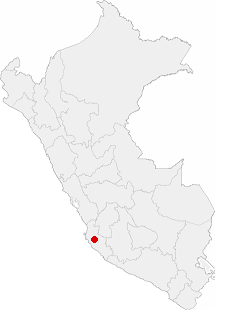
On Peru’s southern coast, Ica brings together ancient civilizations, colonial heritage, agriculture, and modern city life. The region is known for the Nazca Lines, vineyards producing Peru’s celebrated pisco, and Huacachina Oasis, described as South America’s only desert lagoon. Visitors can explore archaeological sites, desert landscapes, festivals, and local food traditions.
For updated details, ticket bookings, and expert advice, consult resources such as Audiala, dosmanosperu.com, and salkantaytrekking.com.
History
Pre-Columbian civilizations
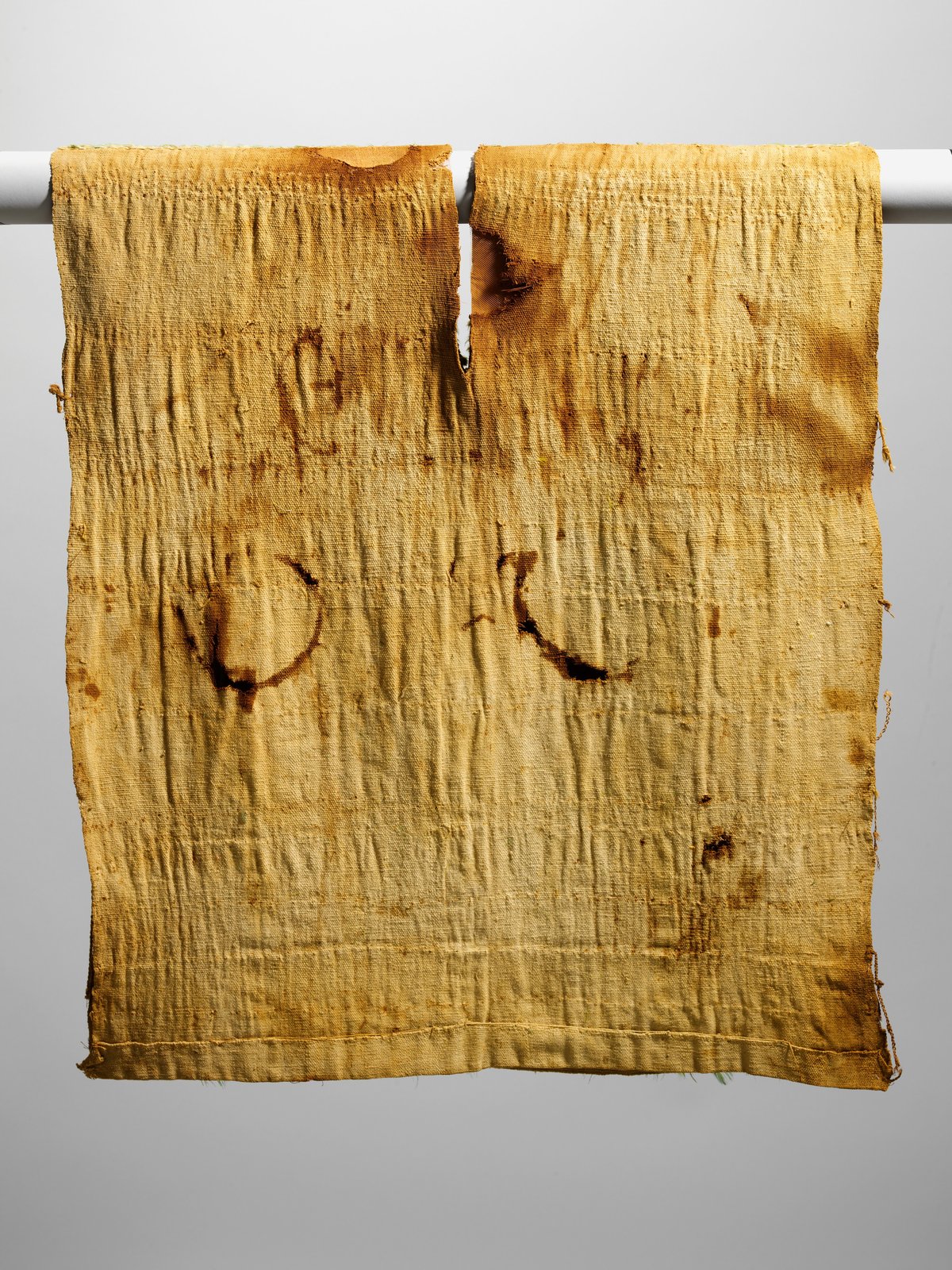
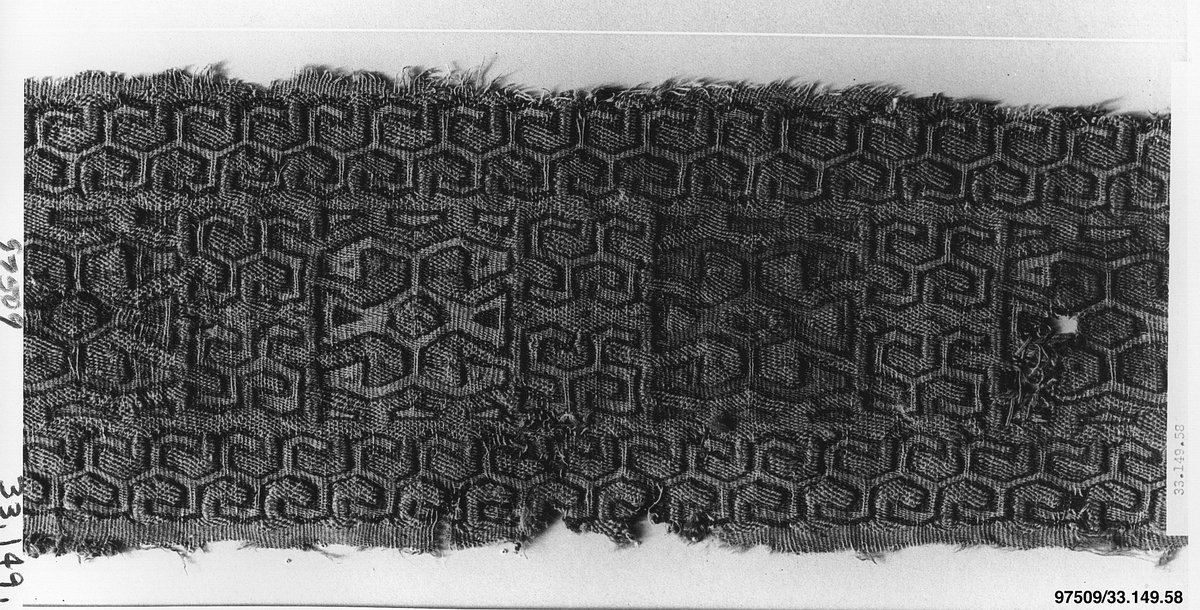
The Paracas people flourished between 800 BCE and 100 BCE. They are known for their textiles, burial traditions, irrigation innovations, and artifacts from the Paracas Necropolis.
The Nazca civilization flourished between 100 BCE and 800 CE. It created the Nazca Lines, immense geoglyphs etched into the desert and visible from above.
Ica was incorporated into the Inca Empire in the 15th century. Inca agricultural developments, including terracing and irrigation, helped increase the region’s productivity. Artifacts from this period are displayed at the regional museum.
Colonial legacy and modern transformation
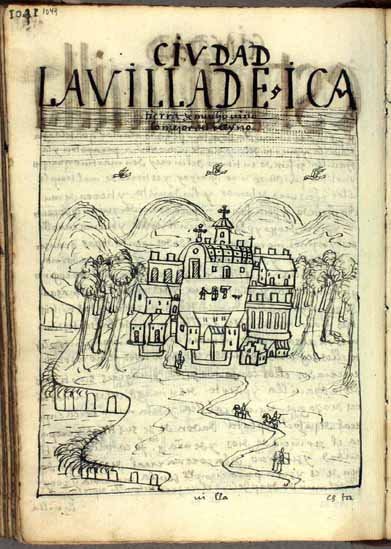
Ica was founded in 1563. Its colonial heritage is reflected in landmarks such as the Cathedral of Ica, a neoclassical building on the Plaza de Armas. Despite earthquake damage, the cathedral remains a center of religious and cultural activity.
Today, Ica is an agricultural powerhouse producing grapes, pisco, cotton, asparagus, and more.
What to see
Plaza de Armas and Cathedral of Ica
The Plaza de Armas is Ica’s bustling center, shaded by ancient ficus trees and surrounded by colonial architecture. It is a starting point for exploring the city’s history (dosmanosperu.com).
The Cathedral of Ica stands on the plaza. It is open daily from 8:00 AM to 7:00 PM, with free entry (dosmanosperu.com).
Ica Regional Museum
The Museo Regional de Ica Adolfo Bermúdez Jenkins, also referred to as the Museo Regional de Ica, presents the region’s cultural heritage. Its collections include Paracas textiles and funerary artifacts, Nazca ceramics, mummies, burial artifacts, trepanned skulls, Inca tools and ceremonial objects, and scale models of the Nazca Lines. The museum has multilingual guides and is wheelchair accessible.
- Hours Tuesday–Sunday, 9:00 AM–5:00 PM; closed Mondays
- Tickets Approximately 10 PEN (also listed as approximately $3 USD)
- Guides Guided tours are available in multiple languages and are recommended for context and insight
Pisco and wine route
Ica is the cradle of Peruvian pisco and wine, with vineyards dating back to colonial times (audiala.com). Vineyard tours generally run from 9:00 AM to 5:00 PM. Prices are listed as $10–$30 USD with tastings included; guided pisco tastings are also listed at $15–$40 USD (metropolitan-touring.com). Check with each vineyard about its facilities.
- Tacama Described as South America’s oldest vineyard, with tours and tastings (salkantaytrekking.com)
- Other wineries El Catador, Vista Alegre, and Bodega Lazo
Festivals and living culture
- International Harvest Festival (March), also known as Fiesta de la Vendimia The grape harvest is celebrated with parades, music, grape stomping, and wine and pisco tastings (leadingperutravel.com; salkantaytrekking.com). Book tours in advance during festival season.
- Tourism Week (June) Concerts and gastronomy fairs.
- Lord of Luren Festival (October) Religious processions and folk music.
Other experiences in Ica
- Stone Museum of Dr. Cabrera Engraved stones and local legends (mysteryperu.com)
- Local markets Regional produce and sweets
- Desert trekking Guided tours covering local flora, fauna, and survival techniques (encounterstravel.com)
Practical visiting information
Ica is 4–5 hours from Lima by bus or car. March–November is considered an ideal time for sightseeing, with pleasant, dry weather. Major sites are wheelchair accessible, though conditions vary by attraction; check the individual information below for details.
Tips
- Book Nazca Lines tours in advance through local agencies in Ica or online, and choose a reputable operator.
- Morning flights over the Nazca Lines are recommended for clearer skies.
- The best wildlife sightings at the Paracas National Reserve are reported on early-morning tours.
- Bring water, sun protection, and sturdy footwear for excursions to Cañón de los Perdidos.
- Swimming in Huacachina’s lagoon is not recommended because of water quality; enjoy the views from shore or a boat.
- Digital tools such as the Audiala app are described as offering real-time information and booking convenience (audiala.com, travelbuddiesperu.com).
Nearby places and excursions
Huacachina Oasis and desert dunes
About 10 minutes from Ica, the Huacachina Oasis is a natural lagoon framed by dramatic sand dunes. Once a retreat for Peruvian elites, it is now a destination for adventure activities and photography.
- Oasis access Year-round, with no entrance fee
- Activity hours 8:00 AM–7:00 PM
- Sandboarding and dune buggy tours $20–$40 USD per person. Late-afternoon tours offer desert experiences and sunset views (salkantaytrekking.com).
- Rowboats Available for lagoon views (travellersworldwide.com)
- Stargazing The minimal light pollution makes the area a place for night-sky observation (pachaexpeditions.com).
- Accessibility The terrain near the lagoon is flat; the dunes may be challenging for visitors with limited mobility.
Nazca Lines
A UNESCO World Heritage Site, the Nazca Lines are among the world’s great archaeological enigmas and cover nearly 500 square kilometers (audiala.com). Ica serves as a gateway to the site. Aerial tours depart from local airports, while observation towers along the Pan-American Highway offer partial ground-level views (travelbuddiesperu.com).
- Observation towers Open daily, 8:00 AM–5:00 PM; entry is approximately 10 PEN
- Accessibility Towers are described as accessible to visitors with limited mobility and as wheelchair accessible.
- Aerial tours $70–$120 USD or $80–$120 USD per person; flights last 30–45 minutes. They offer views of shapes including the hummingbird, monkey, and spider (salkantaytrekking.com).
- Accessibility Flights may not be suitable for all travelers.
Paracas National Reserve and Ballestas Islands
The Paracas National Reserve, described as Peru’s only marine protected area, is known for wildlife and dramatic scenery (salkantaytrekking.com).
- Reserve hours Daily, 7:00 AM–5:00 PM
- Entry 10 PEN (approximately $3 USD)
- Boat tours to the Ballestas Islands $25–$40 USD
- Accessibility The visitor center is accessible; boat tours may be challenging for visitors with limited mobility.
- Ballestas Islands Known as the “Peruvian Galapagos,” they are home to sea lions, penguins, and migratory birds.
- El Candelabro A mysterious geoglyph visible from the sea.
- Cliffs and beaches Include red-sand beaches and distinctive desert flora.
Cañón de los Perdidos (Canyon of the Lost)
Located 90 km southwest of Ica, this desert canyon has fossilized marine remains and dramatic vistas (salkantaytrekking.com). Early-morning tours cost $50–$80 USD and include transportation.
Cachiche: The Village of Witches
A short drive from Ica, Cachiche is associated with local folklore and supernatural tales.
- Park of the Witches Features statues and murals.
- Seven-Headed Palm Tree Linked to local legends (salkantaytrekking.com).
- Access Open daily, with free entry; guided tours cost approximately $10 USD.
Frequently Asked Questions
What are the opening hours for the Museo Regional de Ica?
Tuesday–Sunday, 9:00 AM–5:00 PM; closed Mondays.
How do I buy tickets for Nazca Lines tours?
Through local agencies in Ica or online; advance booking is recommended.
Is the Ica Cathedral open daily?
Yes. It is open 8:00 AM–7:00 PM, with free entry.
Are guided tours available at the museum?
Yes, in multiple languages.
What is the best time to visit Ica?
March–November, for pleasant, dry weather.