Plan and listen to Estadio Ueno Osvaldo Domínguez Dibb with Audiala.
Audio guide in your pocket, itinerary in your browser. Built for the way you actually visit.
Introduction
Estadio Ueno Osvaldo Domínguez Dibb stands as a monumental symbol of Paraguayan football heritage and modern innovation in Asunción’s Mariscal López district. More than just the home of Club Olimpia, it is a cultural landmark that intertwines the passion of sport with community identity and Paraguay’s aspirations on the global stage. Since its inauguration in 1965 (originally as Estadio Manuel Ferreira) and through moments like Pelé’s legendary appearance, the stadium has become a vital part of South American football folklore (Wikipedia; Academia-Lab). Today, Estadio Ueno Osvaldo Domínguez Dibb is undergoing a transformative redevelopment, aiming to become the nation’s largest and most advanced stadium and host a match in the centennial 2030 FIFA World Cup (StadiumDB.com; Globo Esporte).
This comprehensive guide covers the stadium’s rich history, practical visiting information (hours, ticketing, accessibility), guided tours, nearby attractions, and travel tips—ensuring you maximize your experience whether you’re a football fan, tourist, or culture enthusiast.
Origins and Construction
The stadium was inaugurated in 1965 as Estadio Manuel Ferreira with a legendary match between Club Olimpia and Santos FC, featuring Pelé. The overwhelming turnout and subsequent pitch invasion, in which Pelé himself assisted injured fans, cemented the stadium’s place in football history (Wikipedia; Academia-Lab).
In March 2024, the stadium was renamed to honor Osvaldo Domínguez Dibb, Club Olimpia’s most successful president, recognizing his transformative impact on Paraguayan football (Supremacia.uy; StadiumDB).
Development, Renovation, and 2030 FIFA World Cup Transformation
Redevelopment Timeline
In late 2024, following Club Olimpia’s Clausura victory, a comprehensive redevelopment project began. The demolition of historic sections, including the Palcos de Preferencias and Gradería Sur, marked a symbolic transition to a new era (ABC Deportes).
The project, initially a moderate expansion, scaled up dramatically after Paraguay’s selection as a 2030 FIFA World Cup host. The new stadium, scheduled for completion in 2027, will seat 46,000 spectators and include:
- Three-story stands with a parabolic edge
- 338+ luxury private boxes
- Full canopy for comfort and acoustics
- Decorative façade and modern lighting
- Integrated museum and club store
- Parking for 600 vehicles (D10 Ultima Hora)
The stadium will be Paraguay’s first “Smart Venue,” with advanced technology, energy-efficient systems, and accessibility features (Globo Esporte).
Practical Visitor Information
Visiting Hours & Ticketing
- General Visiting Hours: 9:00 AM to 6:00 PM on non-match days; may vary during events. Always confirm before visiting (Club Olimpia).
- Ticket Office Hours: 10:00 AM–5:00 PM on event days.
- Tickets: Purchase online through official channels or on-site (subject to availability). Advance online purchase is recommended, especially for major matches and tours.
Accessibility
The stadium is fully accessible, featuring ramps, elevators, reserved seating, accessible restrooms, and clear signage. Staff are available to assist visitors with special needs.
Guided Tours & Photographic Spots
Guided tours (by appointment) offer behind-the-scenes access including the locker rooms, press areas, VIP lounges, and the acclaimed “Museum of Eternity.” Photographers will find the stadium’s façade, panoramic stands, and the surrounding “Forest of Stop One” area ideal for memorable shots.
Stadium Features & Facilities
- Seating: 46,000 capacity, including 338 private boxes and VIP/VVIP hospitality areas (StadiumDB).
- Food and Beverage: Eight food courts, four fan zones, and multiple bars offer local and international cuisine.
- Museum of Eternity: Interactive exhibits on Club Olimpia and Paraguayan football history (ABC Deportes).
- Merchandise Stores: Official gear and souvenirs.
- Restrooms & Baby Facilities: Modern, accessible facilities throughout.
- Parking: 600 vehicles, with additional public transport connectivity.
Nearby Attractions & Travel Tips
- Palacio de los López: Paraguay’s presidential palace (VisitParaguay).
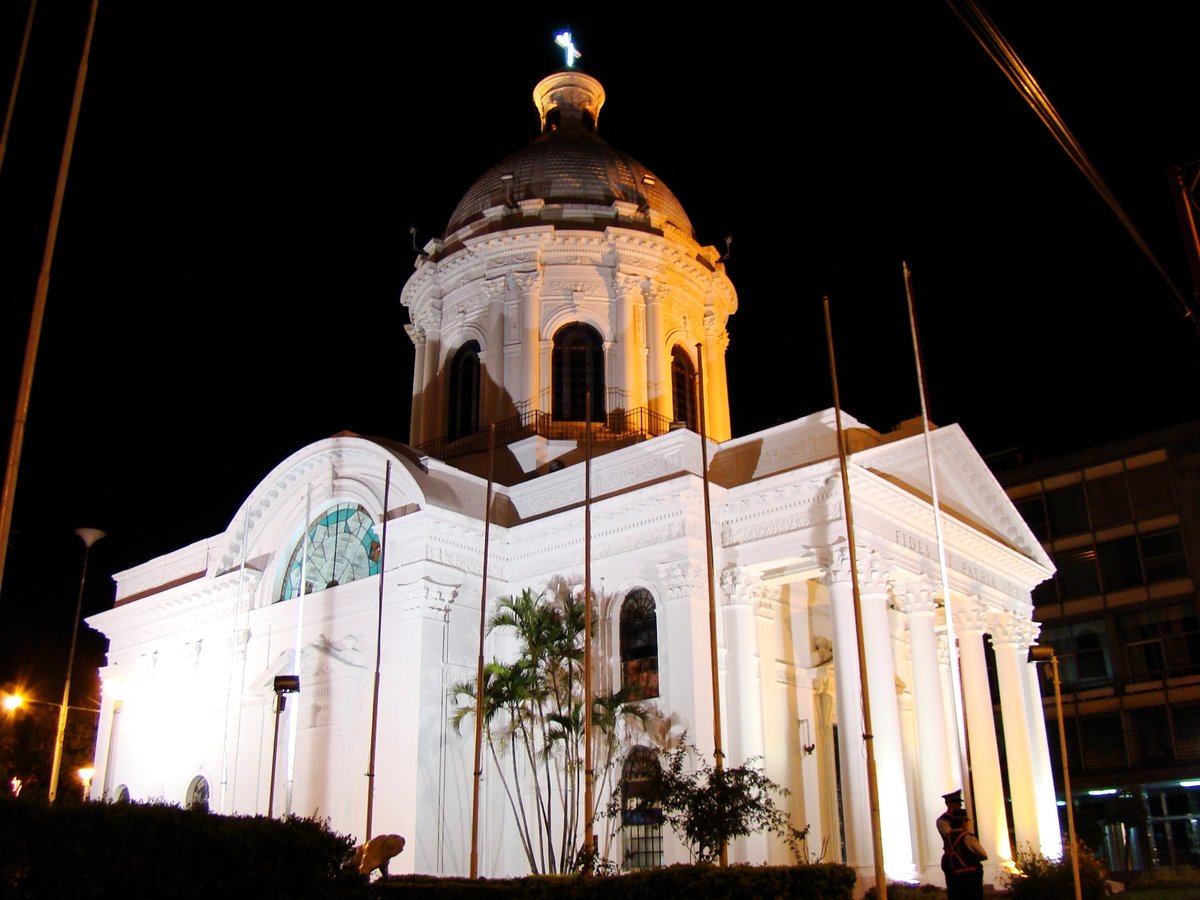
- National Pantheon of the Heroes: Site of national remembrance.
- Museo del Barro: Renowned art and ethnography museum (Trip101).
- Shopping & Dining: Numerous options in Mariscal López and Villa Morra districts.
- Transportation: Accessible via public buses, taxis, ride-sharing, and on foot. Arrive early on event days due to traffic.
Cultural Impact & Community Significance
Estadio Ueno Osvaldo Domínguez Dibb is a symbol of Asunción’s identity and pride. Beyond football, it serves as a venue for concerts, festivals, and community events, promoting social cohesion and boosting the local economy (Supremacia.uy; Asunción Times). The stadium’s ongoing transformation aims to further enhance its role as a community and cultural hub.
Notable Events & Sporting Highlights
- Legendary Inaugural Match: Club Olimpia vs. Santos FC, featuring Pelé (Wikipedia).
- Copa Libertadores & Major Finals: Host to regional and continental tournaments, including Copa Interamericana and Copa Conmebol (Supremacia.uy).
- 2030 FIFA World Cup: Official venue for Paraguay’s historic World Cup match (StadiumDB.com).
Sustainability & Future Prospects
The stadium’s redevelopment incorporates sustainability and inclusivity:
- Energy-efficient lighting and water systems
- Waste recycling and green spaces
- Barrier-free design for all visitors
- Community engagement and youth development programs (ABC Deportes)
Frequently Asked Questions (FAQ)
Q: What are the stadium’s visiting hours?
A: Generally 9:00 AM–6:00 PM daily; hours may change on event days. Check the official website.
Q: How can I buy tickets?
A: Online through Club Olimpia’s official site or at on-site offices.
Q: Is the stadium wheelchair accessible?
A: Yes, with ramps, elevators, and accessible seating/restrooms.
Q: Are guided tours available?
A: Yes, by appointment; includes access to museum and VIP areas.
Q: What are nearby attractions?
A: Palacio de los López, National Pantheon of the Heroes, Museo del Barro, and shopping centers.
Q: What is not allowed inside the stadium?
A: Weapons, large bags, outside food/beverages, and professional cameras (unless authorized).
Listen to the full story in the app
The whole Estadio Ueno Osvaldo Domínguez Dibb,
told well.
Listen to sourced travel stories with local history and practical context — ready offline.

Verified, and shown.
Researched and written by the Audiala editorial team from historical records, architectural archives, and local expertise.
Built from cited sources · see the method · How we make our guides →