History Lived in Houses
You can touch the wood where independence was plotted at the 1772 Casa de la Independencia. The conspiracy happened here, in a simple colonial house, not a grand palace.
Asunción, Paraguay, is a capital city where the 1772 Casa de la Independencia, where Paraguay's 1811 freedom plot was hatched, is free to enter. The guide covers 35 listed attractions. The best season to visit is Autumn or Spring (April-May or September-October), with a suggested visit duration of 2-3 days.
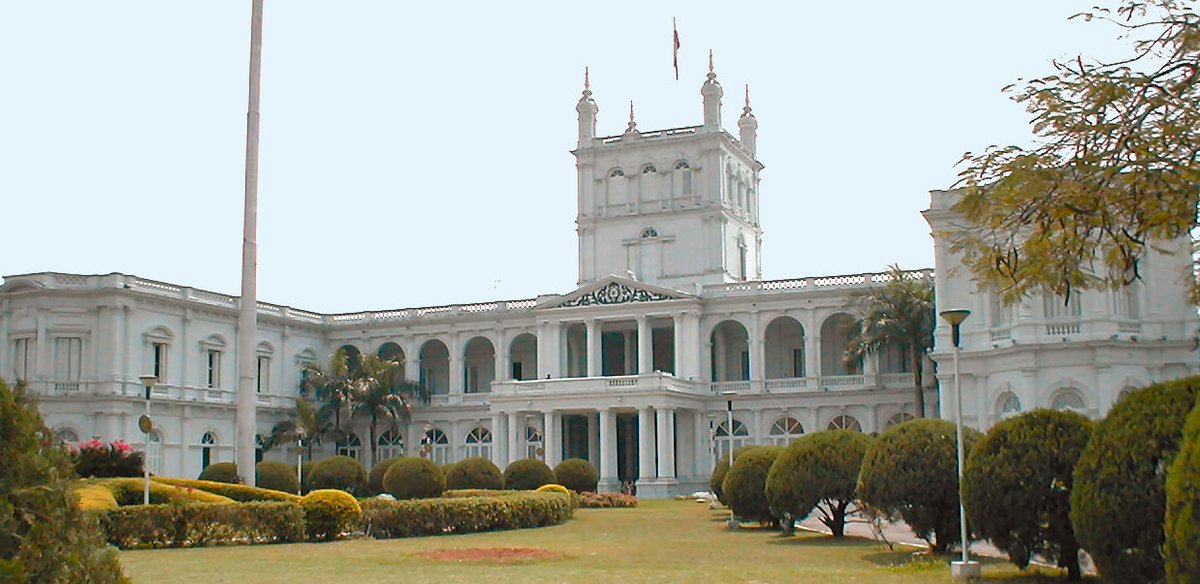
The first thing you notice in Asunción is the quiet. This capital city of Paraguay hums at a different frequency than its South American siblings. It’s a place where the scent of orange blossoms drifts over colonial courtyards and the grand, floodlit Palacio de los López is reflected in the slow, brown waters of the Río Paraguay at night.
 Asunción · Paraguay
Built from cited sources · see the method · How we make our guides →
AThe first thing you notice in Asunción is the quiet. This capital city of Paraguay hums at a different frequency than its South American siblings. It’s a place where the scent of orange blossoms drifts over colonial courtyards and the grand, floodlit Palacio de los López is reflected in the slow, brown waters of the Río Paraguay at night.
History here is not a preserved artifact but a lived-in layer. You’ll find it in the worn floorboards of the 1772 Casa de la Independencia, where conspirators whispered their plans in 1811. You’ll feel it in the cool, restored silence of the Panteón Nacional de los Héroes, a mausoleum begun in 1863 and finally completed in 1936. The past is a tangible texture, not just a plaque.
The city rewards those who walk its core. In a single morning, you can move from the patriotic gravity of the Panteón to the creative sprawl of the Museo del Barro, where indigenous ceramics and contemporary art share a roof. A few blocks away, the Manzana de la Rivera offers a shaded block of restored houses, a library, and the simple, profound Museo Memoria de la Ciudad in its oldest building.
What makes this place worth slowing down for.
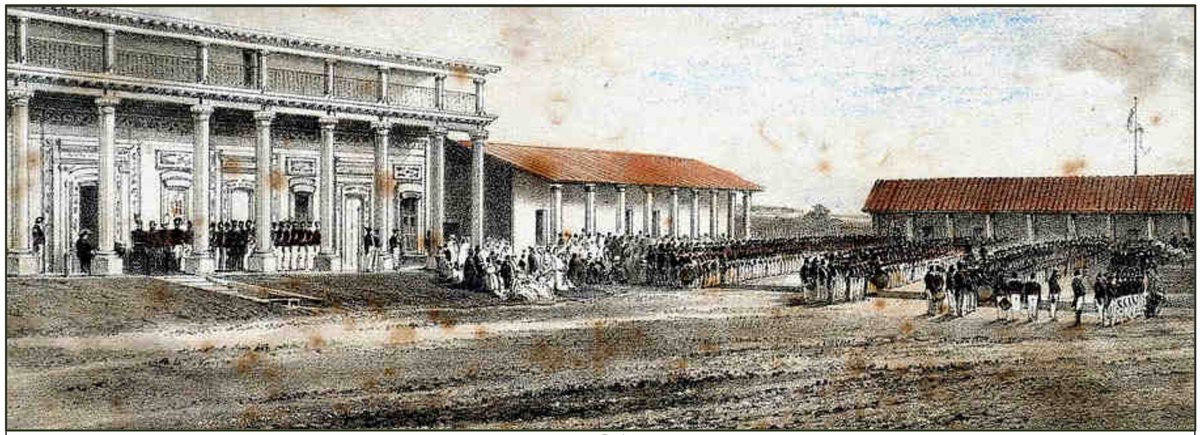
You can touch the wood where independence was plotted at the 1772 Casa de la Independencia. The conspiracy happened here, in a simple colonial house, not a grand palace.
The Palacio de los López is a white marble mirage from the riverbank, but you see its soul through the 'Secretos del Palacio' tour. It reveals the rooms and stories the ordinary postcard view never shows.
The Museo del Barro pulls you away from patriotic marble. Its collection is a quiet argument: indigenous ceramics sit beside contemporary paintings, telling a story of Paraguay that isn't just about generals and treaties.
Not every monument, just the ones we'd walk you past ourselves.
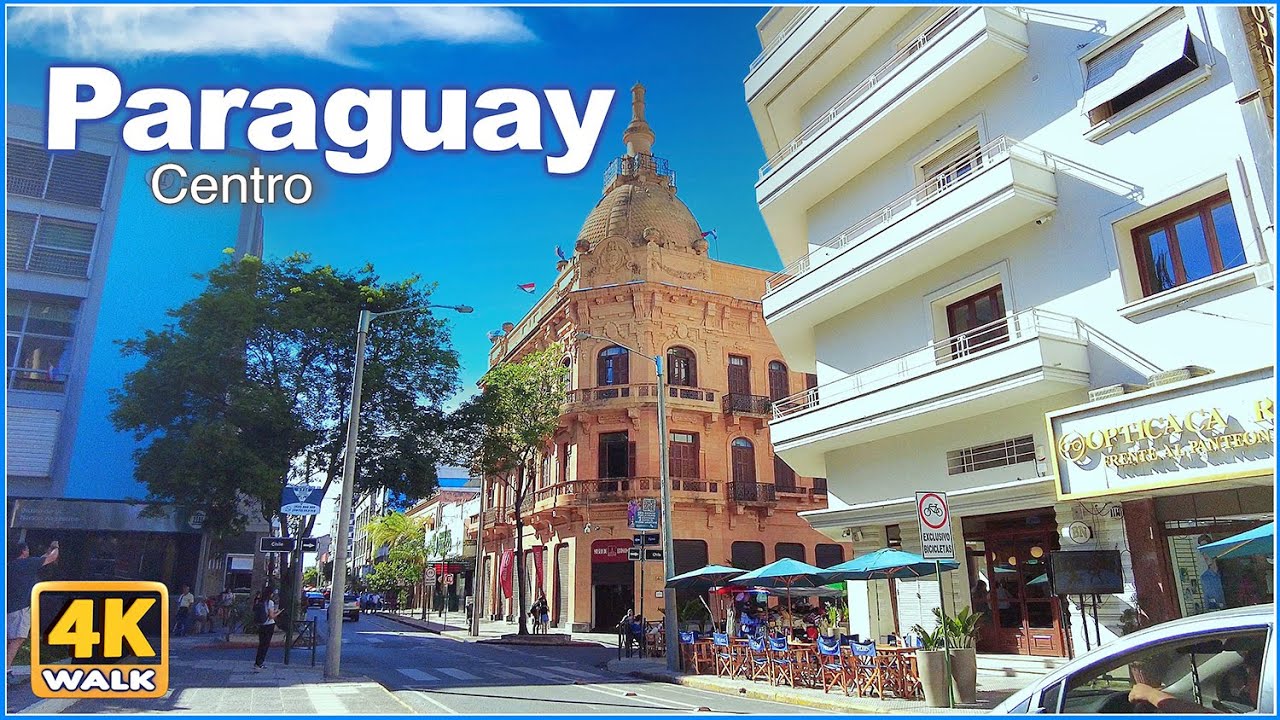
Asunción, the capital city of Paraguay, stands as a vibrant testament to centuries of rich history, cultural fusion, and modern urban life.
Located in the vibrant heart of Paraguay’s capital, the Roman Catholic Archdiocese of Asunción and its centerpiece, the Metropolitan Cathedral of Our Lady of…
Nestled in the heart of Asunción, Paraguay, Palacete Villa Rosalba stands as a remarkable architectural and historical treasure that embodies the rich…
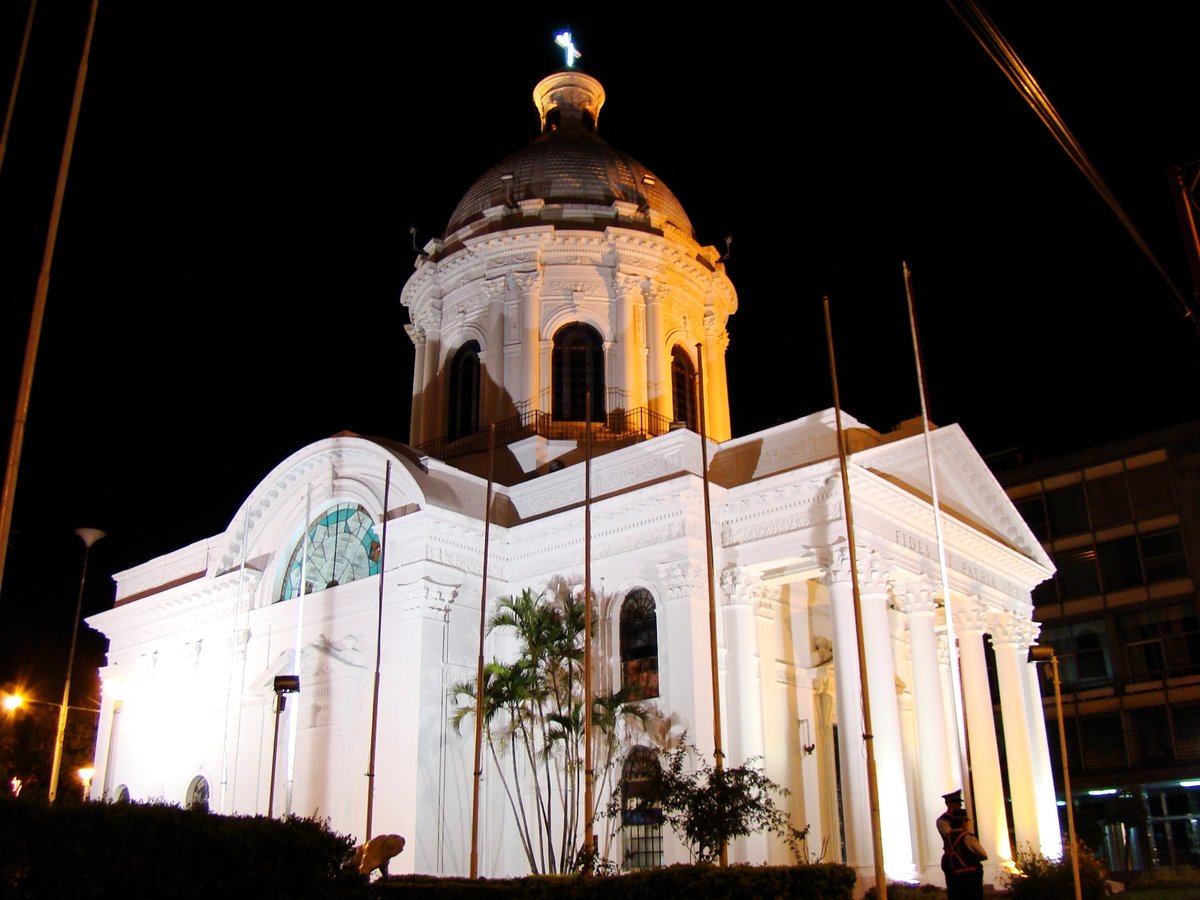
Located in the heart of Asunción, Paraguay, the National Pantheon of the Heroes (Panteón Nacional de los Héroes) stands as a monumental tribute to the…
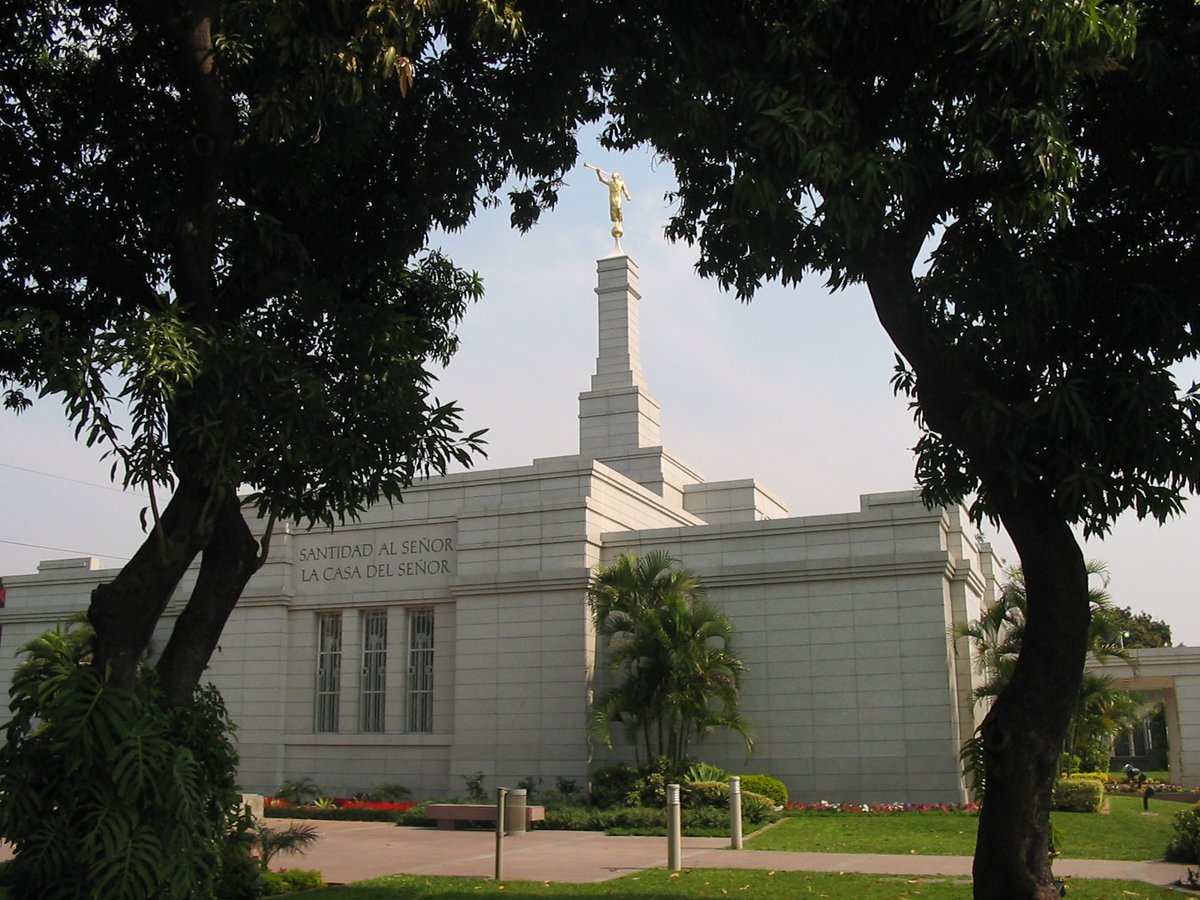
Nestled in Paraguay’s vibrant capital, the Asunción Paraguay Temple of The Church of Jesus Christ of Latter-day Saints (LDS Church) stands as a profound…
The Metropolitan Cathedral of Our Lady of the Assumption, or Catedral Metropolitana de Nuestra Señora de la Asunción, stands as a monumental symbol in the…
The National Library of Paraguay (Biblioteca Nacional del Paraguay) stands as a vital cultural and historical landmark in Asunción, serving as a cornerstone…
Where to wander, by quarter — each with its own rhythm.
This is Asunción's foundational grid, where you'll spend your first day. The scale is human, the pace is a stroll. Start at the Panteón Nacional de los Héroes, a neoclassical monument finished in 1936. Walk a few blocks to the Casa de la Independencia, a 1772 house where the 1811 plot was hatched—admission is free. End at the Manzana de la Rivera, a restored block of nine historic houses where you can linger over exhibitions or just sit in the courtyard.
The people who shaped the city — and were shaped by it.
The Italian architect left his mark on the city's skyline with his most famous work, the Panteón Nacional de los Héroes. He began it in 1863, but he wouldn't live to see its dome completed 73 years later. He'd probably find the 2018 restoration respectful, a proper setting for the national heroes he was hired to honor.
Where locals actually book dinner — not the tourist menus.
Small things that change how the city treats you.
The historic core is compact enough to explore on foot in a morning. Start at the Panteón Nacional de los Héroes, then walk to the 1772 Casa de la Independencia and the Palacio de los López, all within a few blocks.
You can't just walk into the presidential palace. To see the Palacio de los López interior, book the 'Secretos del Palacio' guided circuit in advance through official tourism channels.
For a quieter history lesson, go to the Manzana de la Rivera. Its Museo Memoria de la Ciudad is housed in Casa Viola, one of the oldest surviving structures in the city.
Admission to the Casa de la Independencia is free. It's one of the city's strongest single-site stops for understanding Paraguay's origins, with period furniture and documents from the 1811 plot.
Look up at the dome of the Panteón Nacional. It was designed by Italian architect Alejandro Ravizza in 1863, though it wasn't completed until 1936. The building reopened after a full restoration in 2018.
A few films to set the scene before you go.

The city, as it actually looks.
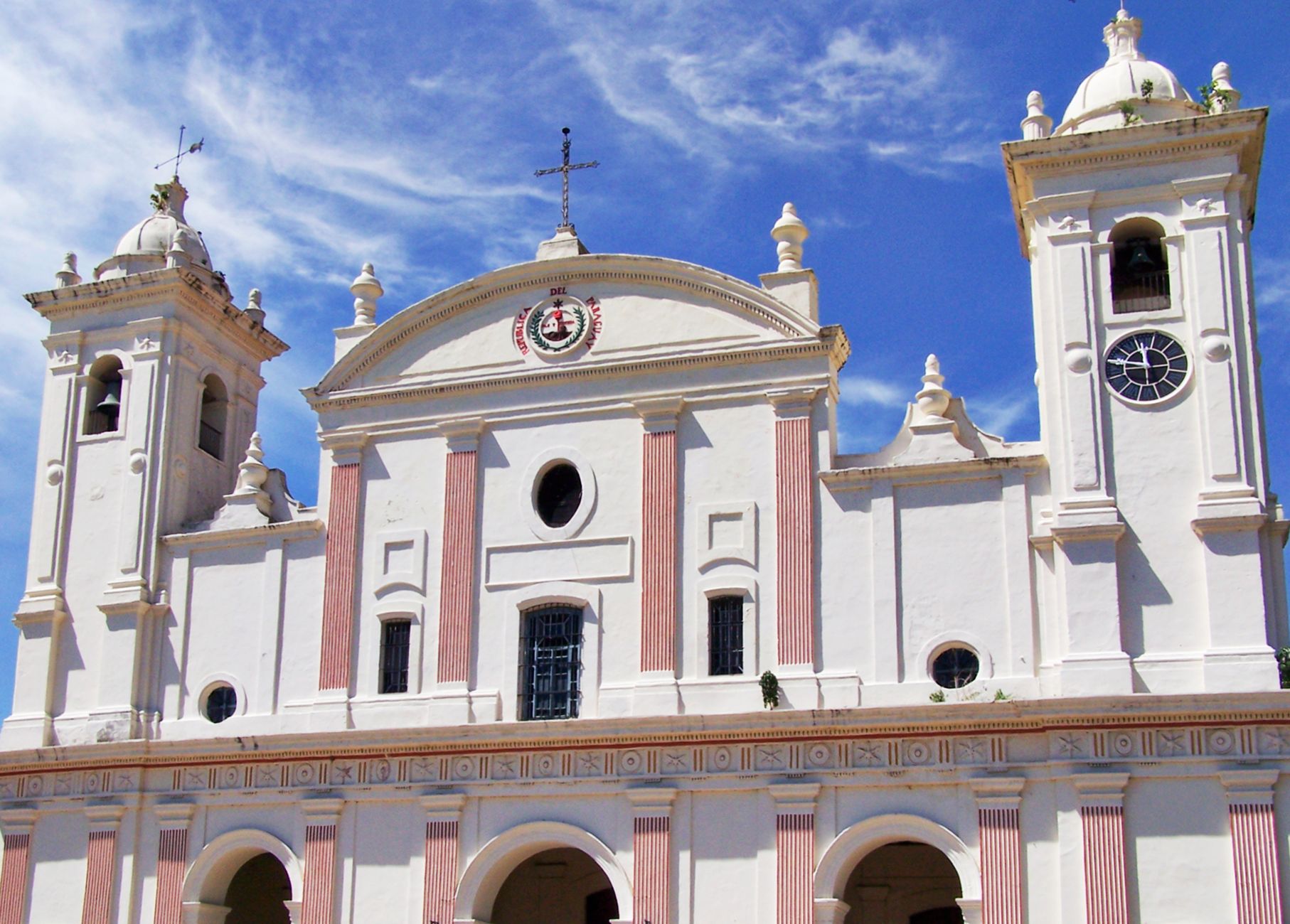
The iconic Metropolitan Cathedral stands as a historic architectural landmark in the heart of Asunción, Paraguay.
Tom D'Arby on Pexels
Yes, if you're interested in South American history beyond the usual highlights. Its 18th-century independence sites and restored 19th-century architecture offer a tangible, uncrowded connection to a continent's formative years. You won't find postcard-perfect colonial plazas, but you will find authenticity.
Two full days covers the essentials. Spend one day walking the historic microcentro, from the Panteón to the old train station. Use the second day for the Manzana de la Rivera and the Museo del Barro, which mixes indigenous, popular, and contemporary art.
Only with a specific guided tour. Ordinary walk-in tourism isn't allowed. Look for the 'Secretos del Palacio' circuit, which takes you through parts of the presidential palace not normally open to the public. Book ahead.
Aim for the Southern Hemisphere autumn or spring—April to May or September to October. You'll avoid the intense heat and humidity of summer and the cooler, sometimes rainy winter. The light is softer, better for photographing the Palacio's facade.
Generally, yes. Free attractions like the Casa de la Independencia help, and meals and local transport costs are lower than in many neighboring capitals. Your biggest expense will likely be accommodation in the more central, walkable areas.
Ready to book?
Silvio Pettirossi International Airport (ASU) is the main gateway, 15 km northeast of the city center. Major highway connections include Route PY01 from the south (Encarnación) and Route PY02 from the east (Ciudad del Este).
There's no metro. The city relies on a dense network of buses and shared taxis called 'colectivos.' For visitors, the historic core is best explored on foot. Taxis or ride-hailing apps are the most straightforward way to reach outlying neighborhoods or museums.
Summers (Dec-Feb) are hot and humid, often reaching the mid-30s°C (90s°F). Winters (Jun-Aug) are mild and dry, with average highs around 22°C (72°F). The most comfortable window is from April to September. Avoid the peak heat of January if you plan to walk.
Spanish and Guaraní are both official. You'll hear Guaraní everywhere—in markets, on the radio, between friends. The currency is the Paraguayan Guaraní (PYG). Carry small bills; large denominations can be hard to break in casual shops.
35 places to discover