Canal in Action
Stand on the Miraflores locks’ observation deck and watch 965-ft container ships rise 16 m in real time, engines humming against concrete walls that have worked since 1914.
Panama City, Panama, is the only capital with a rainforest inside city limits. The guide covers 26 attractions. The best season to visit is mid-December–April (dry season), with a suggested visit duration of 3–5 days.
At 6:47 a.m. you can stand on the Amador Causeway and watch a 350-metre container ship rise like a slow elevator through the Miraflores Locks while, three kilometres behind you, the Punta Paitilla skyline flashes pink in the dawn and a three-toed sloth yawns from a fig tree in the middle of the avenue. Panama City, Panama, is the only capital on earth where you can sip a $2 chicheme from a street cart, argue in Korean over kimchi jjigae, and still make it in time to see the Atlantic meet the Pacific through 48 million litres of gravity-fed water.
Researched from Wikidata, Wikipedia & official sources · fact-checked · How we make our guides →
PAt 6:47 a.m. you can stand on the Amador Causeway and watch a 350-metre container ship rise like a slow elevator through the Miraflores Locks while, three kilometres behind you, the Punta Paitilla skyline flashes pink in the dawn and a three-toed sloth yawns from a fig tree in the middle of the avenue. Panama City, Panama, is the only capital on earth where you can sip a $2 chicheme from a street cart, argue in Korean over kimchi jjigae, and still make it in time to see the Atlantic meet the Pacific through 48 million litres of gravity-fed water.
This city was built on a series of unlikely marriages. Spanish merchants married Afro-Caribbean canal workers; Art-Deco cinemas became boutique hotels; and the rainforest never really left — it just retreated to the hill called Ancón and waits, green and patient, for the next concrete pour. You feel the tension everywhere: glass towers grow taller, yet the air still smells with the smell of wet jungle after rain.
The secret locals keep from the brochures is that the city’s greatest monument isn’t the canal or even the 17th-century walls of Casco Viejo — it’s the Metro. For 35 cents you ride from the Caribbean-tinged alleys of Santa Ana to the mirrored cliffs of Costa del Este in 22 minutes, passing old French railway embankments, Chinese groceries, and mango vendors who set up exactly where the train doors will open. That ride tells you everything: Panama City is not a destination; it’s a moving negotiation between ocean and continent, past and future, profit and poetry.
What makes this place worth slowing down for.
Stand on the Miraflores locks’ observation deck and watch 965-ft container ships rise 16 m in real time, engines humming against concrete walls that have worked since 1914.
Cobblestone plazas built in 1673 now hide rooftop bars; you can breakfast under the same arcades where independence was declared in 1821.
Parque Natural Metropolitano keeps 573 acres of dry forest within city limits—sloths hang above the trail while the financial district glints five minutes away.
At the public fish market, skip the waterfront tables, cross the street to the green-walled Cevichería La Bendición, and eat corvina marinated the Panamanian way—no tiger’s milk, just lime and ají chombo.
Not every monument, just the ones we'd walk you past ourselves.

The Metropolitan Cathedral of Panama City, officially named the Metropolitan Archcathedral Basilica of Santa María la Antigua, stands as one of Panama's most…

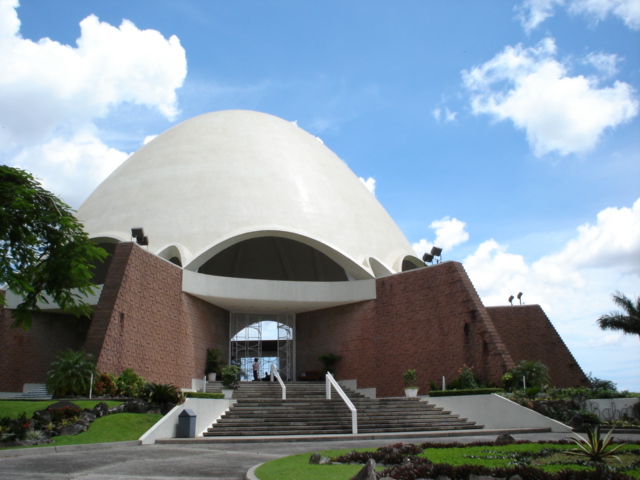
The Panamá City Panamá Temple stands as a remarkable spiritual and cultural landmark in Panama City, Panama, symbolizing the growth and deep-rooted presence…
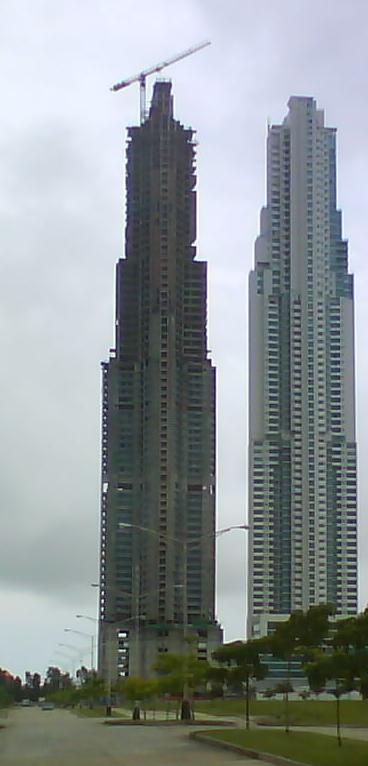
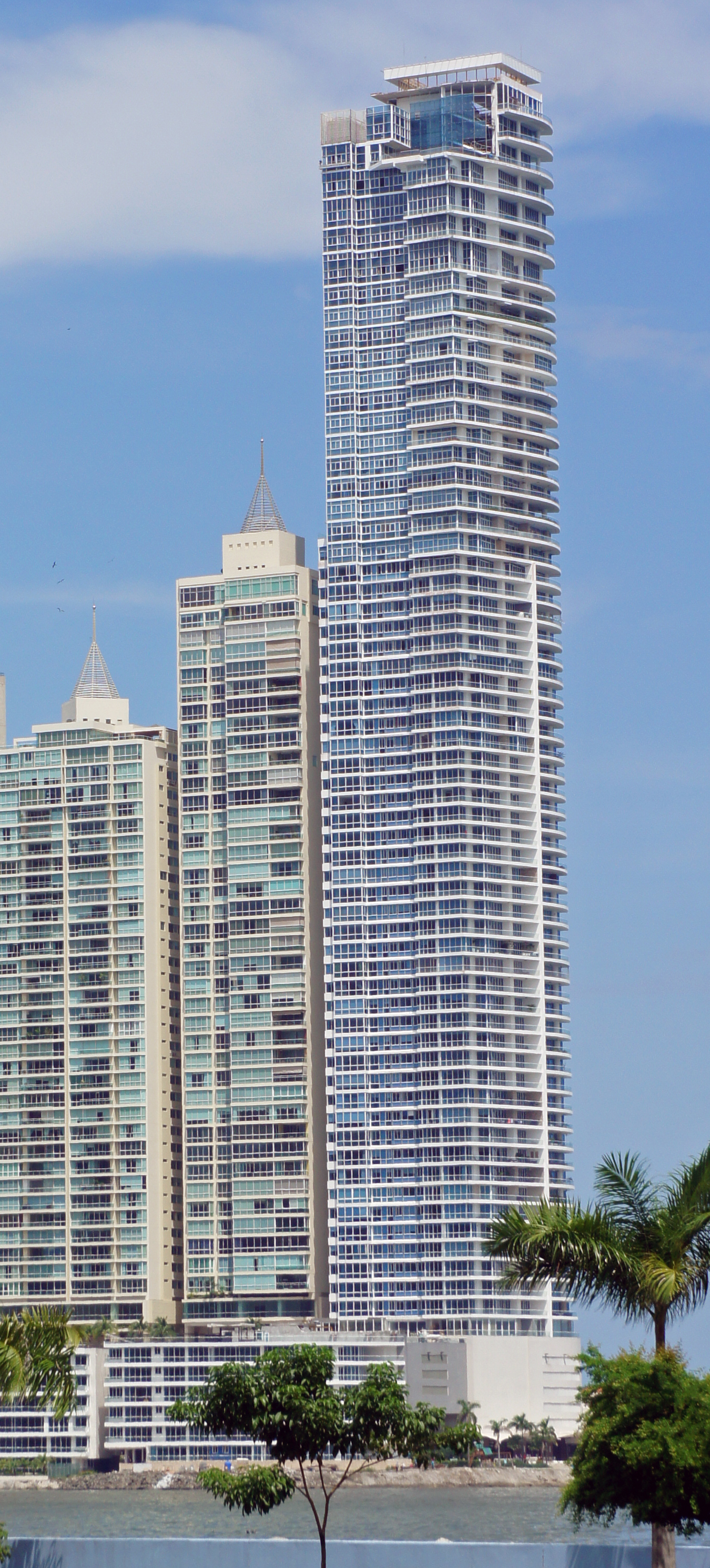
Vitri Tower stands as a remarkable emblem of Panama City’s rapid urban growth and architectural innovation in the 21st century.

Casco Viejo, also known as Casco Antiguo or San Felipe, stands as the historic heart and cultural gem of Panama City, Panama.

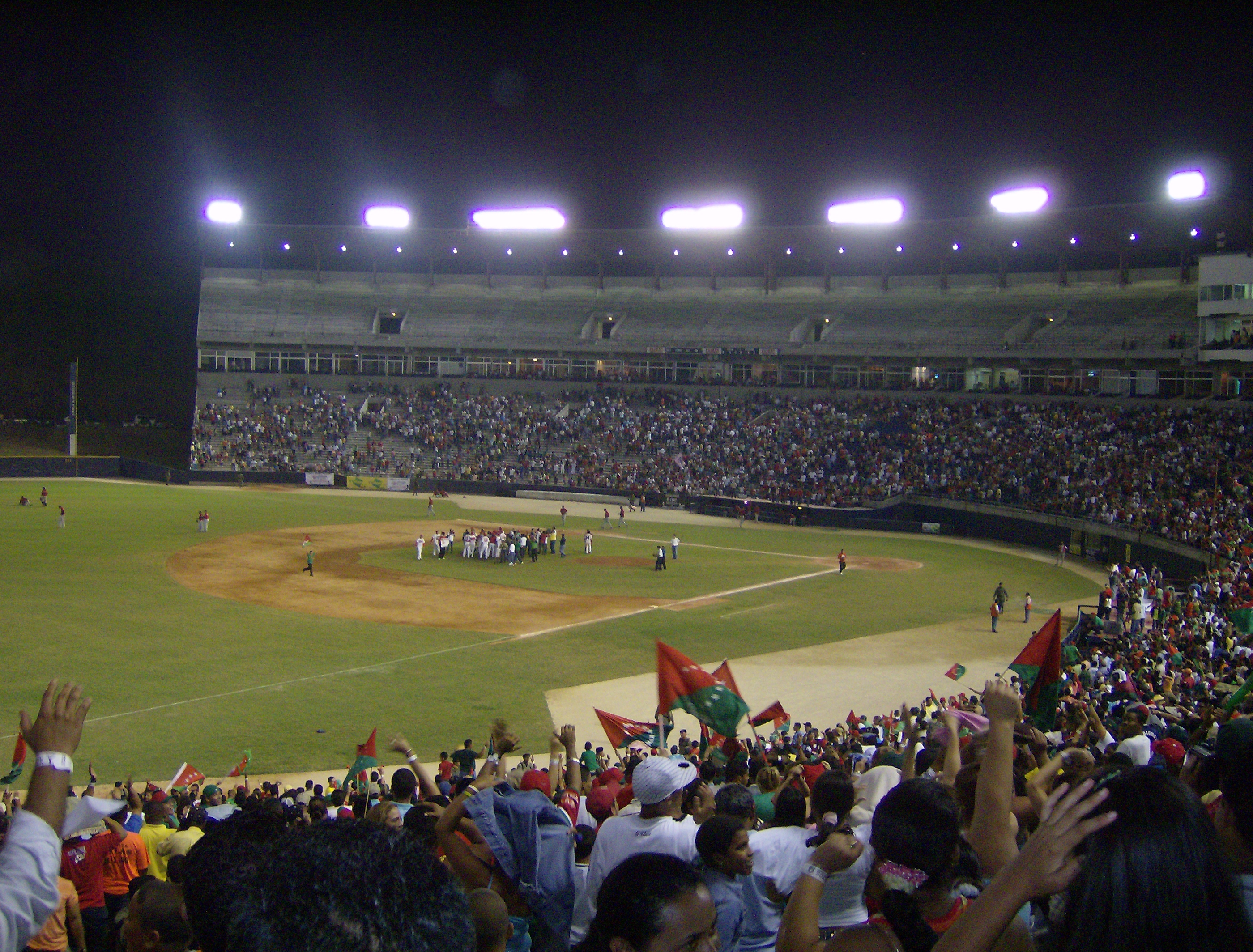
Estadio Rommel Fernández, located in Panama City’s Juan Díaz district, stands as a monumental symbol of Panama’s sporting heritage and cultural identity.

The Palacio de las Garzas, also known as the Presidential Palace or Heron’s Palace, is one of Panama City’s most historic and culturally significant landmarks.
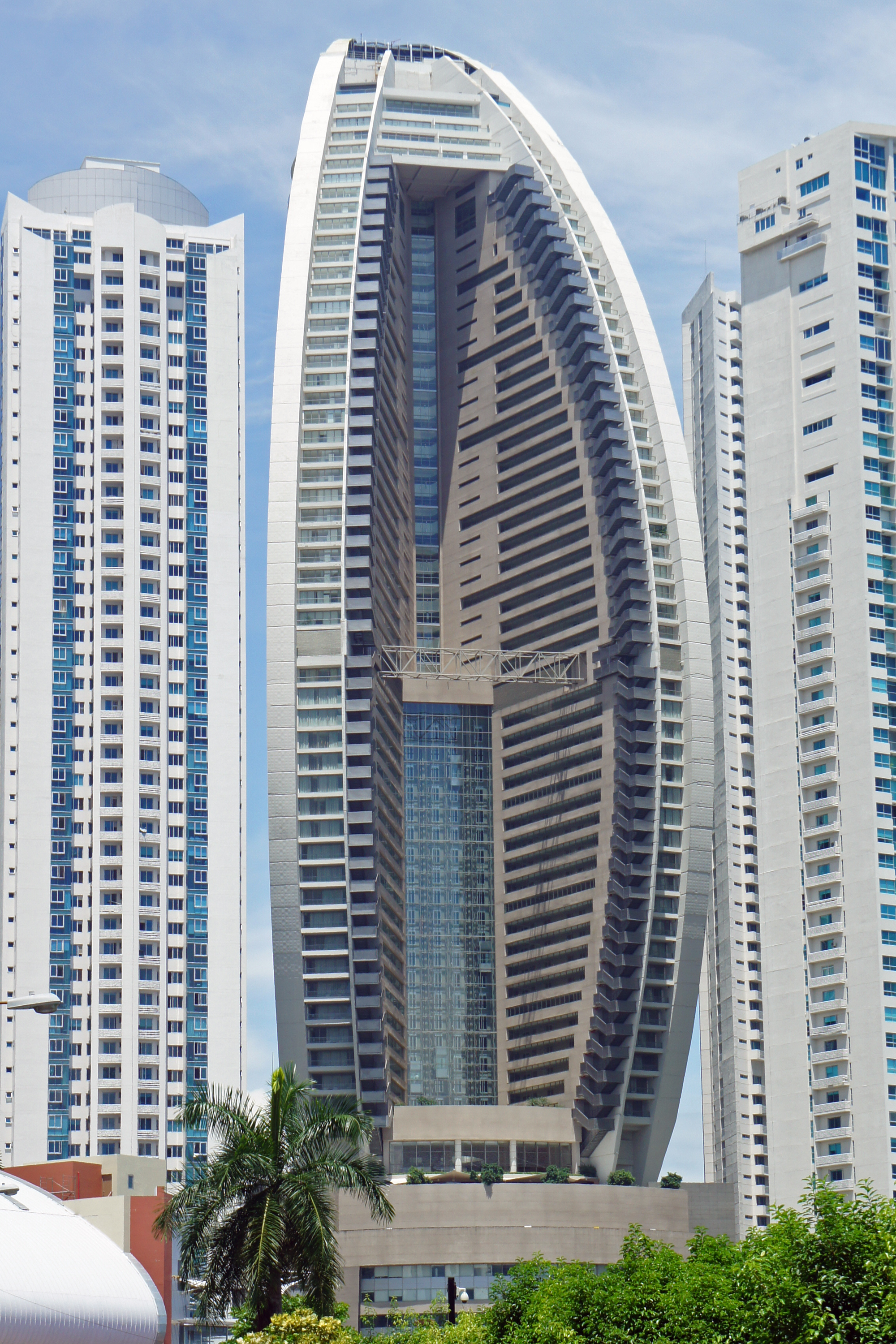
Nestled in the prestigious Punta Pacifica neighborhood of Panama City, the JW Marriott Panama stands as an iconic symbol of luxury, architectural innovation,…
Where to wander, by quarter — each with its own rhythm.
Seven square blocks of pastel façades, wrought-iron balconies, and the slow creak of ceiling fans above cocktail bars. Walk the grid at dusk: church bells echo off brick, a jazz trio leaks from the Teatro Nacional, and the garzas (white herons) in the Presidential Palace courtyard ignore the valet parking chaos outside.
Where expats, medical students, and pensioned chess masters argue over espresso along Calle 49. The Lebanese bakery opens at 5 a.m.; by midnight, reggaeton spills from a basement bar where the bouncer knows your nationality before you speak. Cheap, loud, and walkable — the city’s most honest neighbourhood.
A 6-kilometre fingertip of landfill poking into the Pacific. Roller-bladers share the lane with pelicans diving for sardines, and every restaurant terrace frames the city skyline as if someone paid for the view. At night the ferries leave for Taboga Island with their red port lights blinking like Morse code against the dark water.
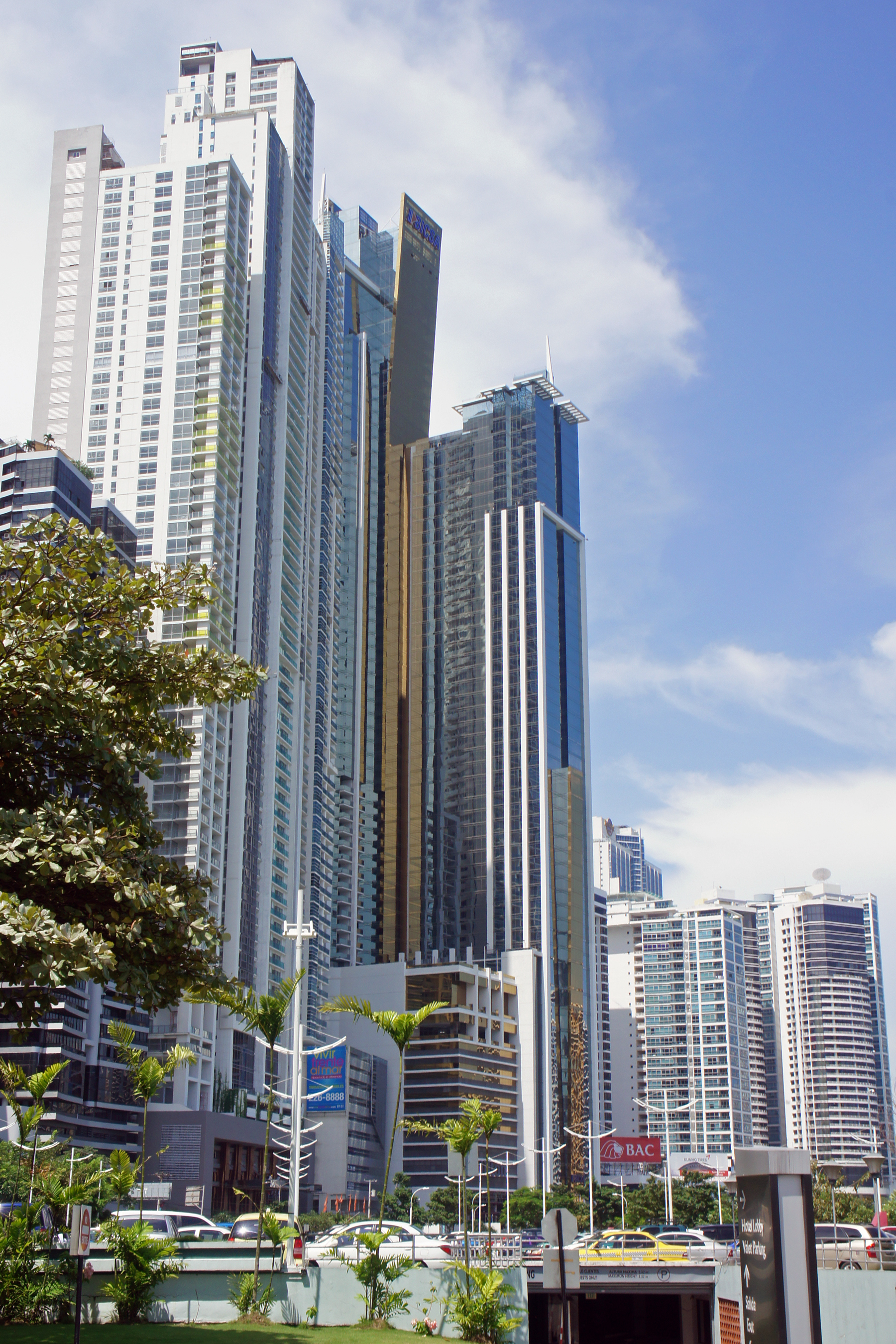
A cliff of mirrored condos where the elevators move faster than the traffic below. On the 45th floor you can watch cargo ships queue for the canal while, at sea level, retirees power-walk laps around the Punta Pacífica marina counting iguanas on the breakwater. Clinical, vertical, oddly soothing.
Real city: lottery kiosks, shoe-shine stands, the smell of fried yuca drifting from the public market. Art-Deco facades flake above juice bars selling $1 guanábana, and the plaza fills at sunset with domino games that get louder as the rum bottle empties. Tourists pass through; life happens here.
573 acres of jungle inside the city limits, 15 minutes by Uber from the Marriott. Howler monkeys drown out the traffic; a sloth blinks slowly from a cecropia tree as a banker jogs past in Lululemon. The lookout over the canal feels like cheating — rainforest, skyscrapers, and a queue of tankers waiting for gravity to do its thing.
Five centuries of gold, pirates, treaties, and transformations
Monagrillo people fire the isthmus's first pots—coils of clay thick as a thumb, painted in rust and charcoal. They live on mussels and shark teeth, burying their dead with cacao seeds that will still sprout three millennia later when archaeologists lift the lid. The bay smells of mangrove smoke and fermented corn.
Vasco Núñez de Balboa hacks through jungle for twenty-five days, climbs a ridge, and stares at an ocean no European has ever seen from this shore. He calls it the South Sea, wades in up to his knees, and claims it—and every coastline it touches—for Castile. The water is warm as blood.
Governor Pedrarias drives the first wooden stakes into tidal mud at the mouth of the Río Abajo. He names the settlement Panama, Cueva for ‘abundance of fish,’ but everyone knows the real abundance arrives on muleback from Peru. Within months the plaza rings with scales being weighed against African ivory.
Francisco Pizarro’s ships slide down the Pacific slope from Panama City, hulls low with artillery and Andean ambition. The cathedral bell rings until it cracks; crowds cheer, then fall silent as sails vanish. When the treasure galleons return three years later they carry enough silver to pave the streets.
Henry Morgan’s 1,200 buccaneers swarm across the isthmus at dusk, boots squelching through mangrove. Cannon smoke drifts over cedar rooftops; church bells clang backwards in panic. By morning the city is cinders—only the stone cathedral tower stands, hot enough to blister fingers at twenty paces.
Survivors move eight kilometres southwest to a rocky peninsula the sea guards on three sides. They lay out streets narrow enough to jump across, raise thick walls, and rename the place San Felipe. From now on every house has a water cistern and a musket above the door.
Delegates from four republics crowd the Salón Bolívar in Casco Viejo, sweat staining their collars. Simón Bolívar wants a single American alliance—one flag, one army, one voice against Europe. The talks collapse after three weeks, but the idea lingers like cigar smoke in the curtains.
The first transcontinental train whistles into Panama City station after five years of dynamite and dengue. Rails run straight through jungle where howler monkeys still outnumber men. A New Yorker can now breakfast on the Atlantic and dine on the Pacific—provided he survives the mosquitoes in between.
French engineer Ferdinand de Lesseps, fresh from Suez, raises champagne on the docks and promises a sea-level canal by 1890. Within months yellow fever empties whole wards; graves sprout like white mushrooms above Colón. The company collapses in 1889, leaving rusting dredges and 22,000 dead.
At 6 p.m. on 3 November the USS Nashville’s guns cover the sound of Colombian boots retreating toward the docks. By sunset the white-and-blue flag flaps above the customs house; by midnight the first telegram reaches Washington asking for protection. Panama is born with gunboat midwives.
August 15, dawn. The SS Ancon nudges into the first chamber at Miraflores while bands play on the hillside. Water gushes in—26 metres up, then down again—moving a ship from one ocean to another in eight hours. The bartenders in San Francisco already taste the shorter route to New York.
Born in rural Veraguas to a schoolteacher and a pharmacist, Torrijos grows up watching Yankee ships glide past hills his family cannot enter. He will trade his general’s cap for a statesman’s hat, convincing a U.S. president to hand back the watery slice of homeland that built his boyhood dreams.
High-school kids carry a single Panamanian flag toward Balboa High School, chanting ‘¡Sí, se puede!’ U.S. soldiers open fire; twenty-one bodies line the pavement by dusk. The scent of tear gas drifts across the Zone line, and Panama City stops speaking English for a generation.
On a humid September night in Washington, two men sign treaties inside a tent so mosquitoes can’t eavesdrop. The papers promise the canal—and the 10-mile-wide Zone—will revert at midnight 1999. In Panama City people bang pots in the streets; in the Zone, Marines begin packing.
AC/DC blasts from U.S. loudspeakers outside the Vatican embassy where General Noriega hides in a cassock. El Chorrillo burns for three days—wooden tenements turned to ash by tank fire. When soldiers drag him out in handcuffs on 3 January 1990, the city tastes diesel and relief.
31 December, 11:59 p.m.—the last U.S. flag is folded while fireworks bloom above Miraflores locks. At 12:00 the white-blue-red tricolor climbs the pole to the roar of half a million voices. The canal is Panama’s now; water and destiny both flow under new management.
The COSCO Shipping Panama squeezes through new Cocolí locks 40 metres wider than her predecessors. Post-Panamax giants now shoulder aside the older freighters, carrying 14,000 containers instead of 5,000. The city’s skyline—glass shards catching Pacific light—reflects in the steel sides like money turning liquid.
The Colonial Transisthmian Route—stone forts, jungle cobbles, and cannon-scarred harbours—joins the World Heritage list. Panamá Viejo’s broken cathedral, Portobelo’s rusting cannons, and the Camino de Cruces are now protected by more than legend. Tourists will walk the same stones that once echoed with mule hooves and pirate boots.
The people who shaped the city — and were shaped by it.
He waded into the bay and claimed the Pacific for Spain, never guessing the same view would one day be framed by a sushi bar on the 66th floor. Today his bronze statue on Avenida Balboa glares at cargo ships that make his 68-day march look quaint.
Morgan’s men spent three weeks looting what was then the richest city in the Americas; the fire they set still smolders in the stone foundations you can touch at Panamá Viejo. He’d smirk at the duty-free malls now standing where his cannons once roared.
Torrijos kept a small apartment above what is now the Hard Rock Café; from its balcony he watched U.S. soldiers patrol a zone that reverted to Panamanian hands in 1999. The park named after him is where locals still gather to debate the same sovereignty he fought for.
Noriega’s loudspeaker speeches echoed off the same concrete walls now painted with murals of harpy eagles. The neighborhood he militarized was leveled during his capture; today kids play basketball on a court built atop the rubble.
Where locals actually book dinner — not the tourist menus.
Small things that change how the city treats you.
Reach Miraflores locks by 4 p.m.—ships move in golden light and the visitor center empties out after the last cruise-bus departs.
Skip the fish-market tourist stands; cross the street to the green-and-white Cevichería La Bendición where locals order—same catch, half price, no ice-water dilution.
Start the Cerro Ancón footpath at 6 a.m.—sloths are still active and you beat the military guard who sometimes closes the gate for midday heat.
The rooftop of the Casa de la Iglesia Episcopal on Plaza Catedral is open to anyone who asks the caretaker—best free skyline shot over Casco’s domes.
City water is chlorinated and safe in most districts, but avoid it in El Chorrillo and Calidonia where old pipes add rust—buy a 50¢ bag at any kiosk instead.
Ride the front carriage of the metro between 10–11 a.m.—schools are in session, commuters gone, and you’ll get the driver’s wind-screen view above traffic.
The city, as it actually looks.

A stunning elevated perspective of Panama City, Panama, showcasing the contrast between the dense urban skyline and the surrounding tropical landscape.
Luis Quintero on Pexels
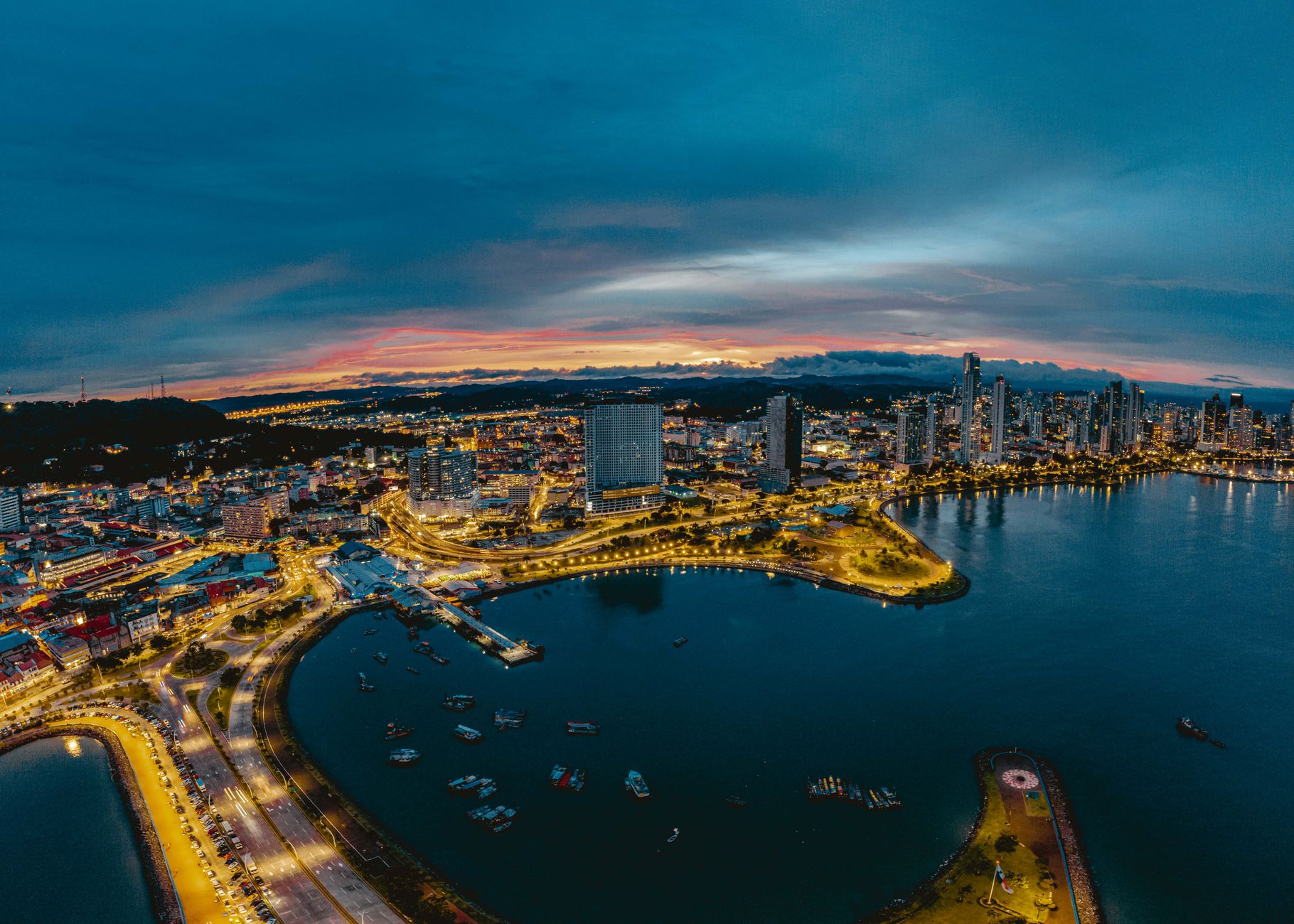
A breathtaking aerial perspective of Panama City, Panama, capturing the glowing urban skyline and the calm waters of the bay at dusk.
ZaetaFlow Sec on Pexels

The modern skyline of Panama City rises above the calm waters of the Pacific, connected by a prominent coastal bridge.
Luis Quintero on Pexels

This aerial view of Panama City highlights the dramatic contrast between the towering modern skyline and the traditional residential architecture along the coastline.
Luis Quintero on Pexels
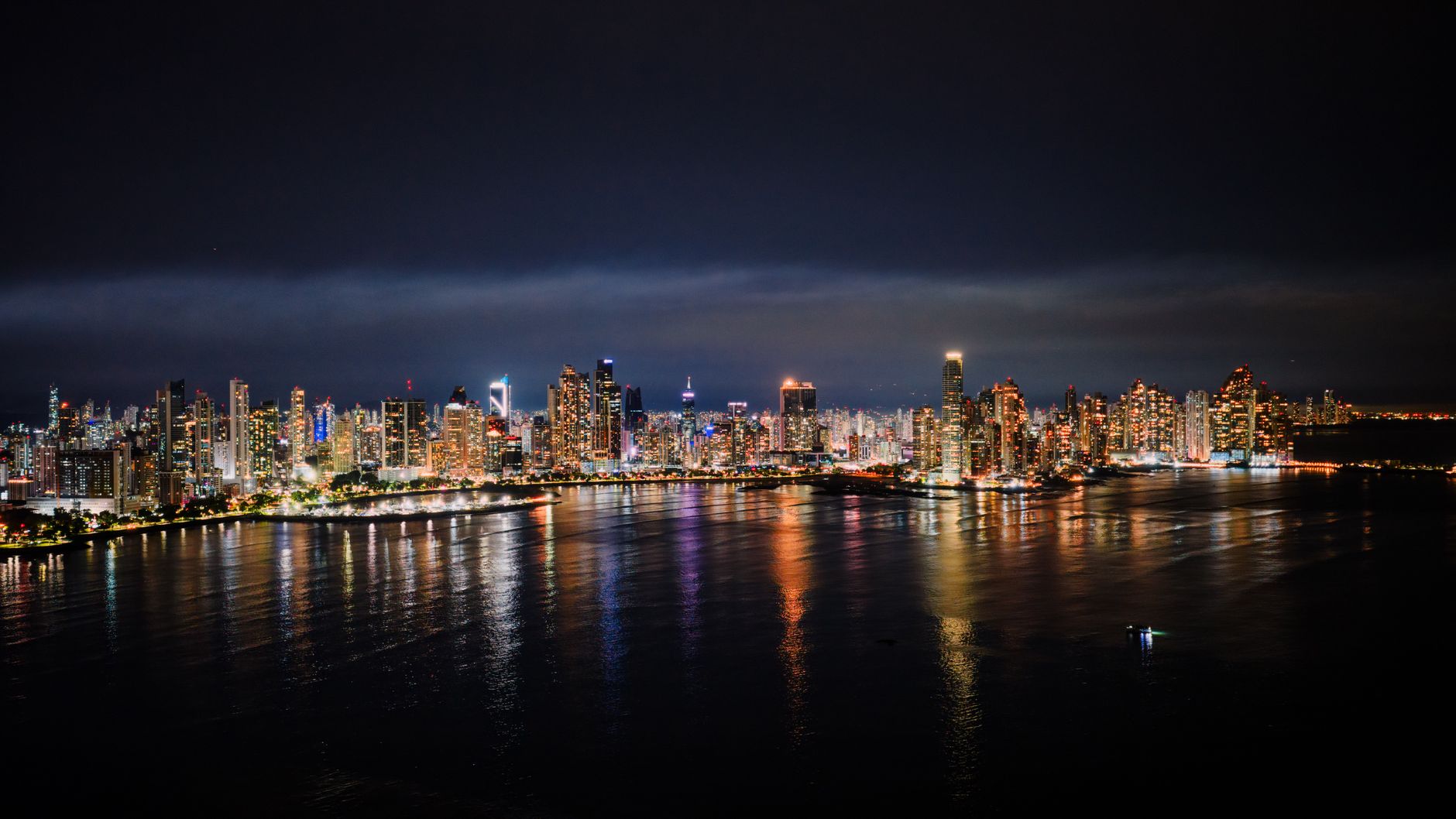
The illuminated skyline of Panama City, Panama, glows brilliantly against the night sky, casting vibrant reflections across the calm waters of the Pacific.
Kelly on Pexels

A stunning aerial perspective of the dense, modern skyline of Panama City, Panama, overlooking the Pacific Ocean.
Mariano Quintero on Pexels

The vibrant skyline of Panama City glows at night, showcasing a dense collection of modern skyscrapers and illuminated urban streets.
Kelly on Pexels
Absolutely. The canal is 90 minutes; the city layers 500 years on a sliver of land—Spanish ruins, Art-Deco markets, rooftop salsa at 2 a.m., and rainforest trails where monkeys outnumber taxis.
Three full days hits the essentials: Day 1 canal + Biomuseo + Causeway sunset, Day 2 Casco walking + folk dinner, Day 3 rainforest or Taboga ferry. Add two more if you want San Blas or coffee-region side trips.
Casco, Marbella, and Costa del Este are well-lit with tourist police until 1 a.m. Skip El Chorrillo and parts of Calidonia after dark—taxi the six blocks back to your hotel instead.
Panama uses U.S. dollars officially—no conversion needed. Carry small bills; buses and street stalls won’t break a $20. Coins look different but spend the same.
Yes in most central districts where pipes were upgraded for the 2016 canal expansion. If you’re staying in older barrios like Santa Ana, stick to bottled water to avoid the metallic after-taste.
Arrive 45 minutes before the next scheduled transit (posted on canal’s live app). Ship passages peak 8–10 a.m. and 3–5 p.m.; midday lull means empty observation decks.
Ready to book?
Tocumen International Airport (PTY) handles all long-haul flights and sits 24 km east of downtown. Albrook ‘Marcos A. Gelabert’ Airport (PAC) serves domestic hops to Bocas and Contadora. The Interamericana (Pan-American Highway) enters from the west; Corredor Norte and Sur skirt the city.
Metro de Panamá has two lines: Line 1 (Albrook–San Isidro) and Line 2 (San Miguelito–Nuevo Tocumen), both run 05:00-23:00, $0.35 a ride. The same rechargeable MetroBus card works on the extensive bus network. Uber and InDriver are ubiquitous—expect $3–5 for most inner-city hops, $15–25 to the airport.
Temperatures hover 28–33 °C year-round. Dry season (mid-Dec to April) brings blue skies and packed hotel rates. Wet season (May–Nov) means afternoon downpours, greener Soberanía trails, and lower prices. Visit January–April for canal views without steam-bath humidity.
Casco Viejo is safe day and night inside the tourist grid; walk east of Av. B after dark and you’re in El Chorrillo—taxi instead. Pickpockets work crowded Calidonia markets; keep phones zipped. Colón city has high violent crime—visit Portobelo or Agua Clara only on guided day trips.
26 places, one continuous walking route. Free with your first city.
26 places to discover