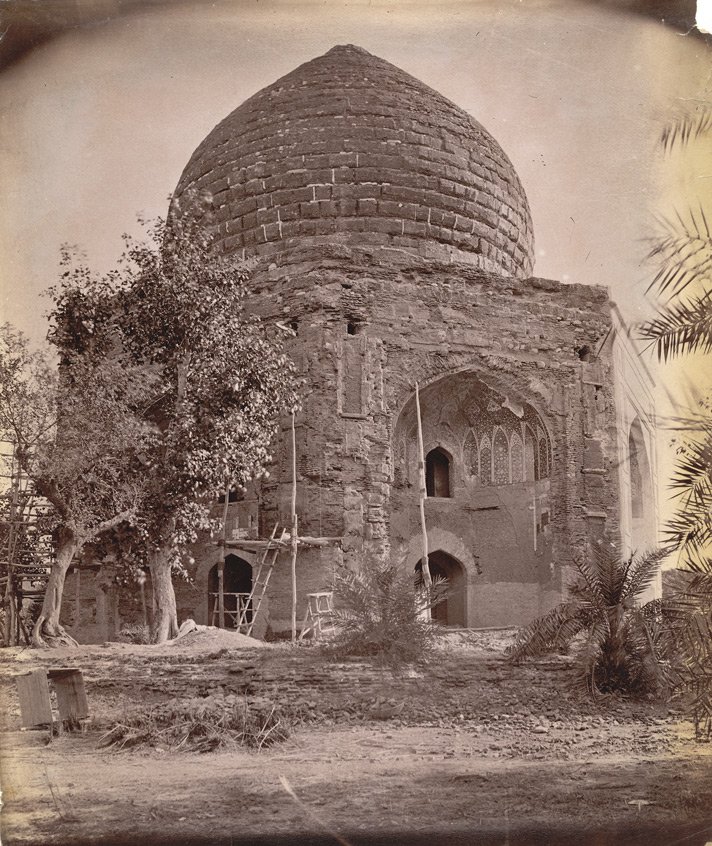
Plan and listen to Tomb Of Asif Khan with Audiala.
Audio guide in your pocket, itinerary in your browser. Built for the way you actually visit.
Introduction
Located in the historic city of Lahore, Pakistan, the مقبرہ آصف خان (Tomb of Asif Khan) is a quintessential example of Mughal architecture, reflecting the grandeur and opulence of the 17th century. Constructed in 1641 under the patronage of Emperor Shah Jahan, the tomb serves as the final resting place of Mirza Abul Hasan Asaf Khan, a significant nobleman of the Mughal Empire, brother of Empress Nur Jahan, and father of Mumtaz Mahal, for whom the Taj Mahal was built (Dawn). The tomb's octagonal design, intricate tile work, and extensive use of red sandstone and marble are exemplary of Mughal architectural innovation and aesthetic sensibilities (Archnet). Over the centuries, the tomb has faced periods of neglect and plunder, particularly during the Sikh rule and the British colonial period. However, recent restoration efforts have aimed to return the site to its former glory, preserving it as a significant cultural and historical monument (UNESCO). This comprehensive guide aims to provide potential visitors with essential information about the tomb's history, architectural significance, visiting hours, ticket prices, and practical tips to enhance their visit to this historical gem.

Tomb of Asif Khan - History, Architecture, and Visitor Guide
History of Tomb of Asif Khan
Early Construction and Patronage
The Tomb of Asif Khan, a significant historical monument located in Shahdara Bagh, Lahore, Pakistan, was constructed in 1641 during the Mughal era under the patronage of Emperor Shah Jahan. The tomb was built to honor Mirza Abul Hasan Asaf Khan, a prominent nobleman, the brother of Empress Nur Jahan, and the father of Mumtaz Mahal, for whom the Taj Mahal was built (Dawn).
Architectural Design and Influences
The tomb's architecture is a fine example of Mughal design, characterized by its octagonal layout, intricate tile work, and extensive use of red sandstone and marble. The structure is set within a large garden, following the charbagh (four-part garden) layout, a hallmark of Mughal garden design. The central chamber of the tomb houses the grave of Asif Khan, adorned with intricate marble inlay work (Archnet).
Historical Significance
Asif Khan was a key figure in the Mughal court, serving as the Grand Vizier under Emperor Jahangir and later under Shah Jahan. His political acumen and close familial ties to the royal family made him one of the most influential figures of his time. The construction of his tomb reflects his high status and the esteem in which he was held by the Mughal emperors (The Friday Times).
Decline and Restoration Efforts
Over the centuries, the tomb suffered from neglect and the ravages of time. During the Sikh rule in the 19th century, the tomb was plundered, and many of its precious materials were removed. The British colonial period saw further degradation as the site was used for military purposes. However, recent restoration efforts by the Pakistani government and international organizations have aimed to preserve and restore the tomb to its former glory (UNESCO).
Visitor Information
Accessibility
The tomb is easily accessible from Lahore, with several transportation options available, including taxis and public buses. The site is open to visitors throughout the year, although it is advisable to visit during the cooler months to avoid the extreme heat of the summer (Lahore Heritage Club).
Guided Tours and Tickets
Guided tours are available, providing visitors with detailed information about the history and architectural features of the tomb. These tours are often conducted by local historians and experts, offering valuable insights into the cultural and historical significance of the site. Tickets for entry are reasonably priced, making it accessible for most visitors. Special events and guided tours are also occasionally organized (Dawn).
Visitor Tips
- Best Time to Visit - The cooler months from October to March are ideal for visiting.
- Dress Code - Modest clothing is recommended, in line with local cultural norms.
- Photography - Photography is allowed, but it is advisable to check for any restrictions, especially inside the tomb.
Key Historical Events
- 1641 - Construction of the tomb begins under the orders of Emperor Shah Jahan.
- 19th Century - The tomb is plundered during the Sikh rule.
- British Colonial Period - The site is used for military purposes, leading to further degradation.
- 21st Century - Restoration efforts are initiated to preserve the tomb.
Architectural Features
Exterior Design
The exterior of the tomb is marked by its octagonal shape, a common feature in Mughal funerary architecture. The use of red sandstone and white marble creates a striking contrast, while the intricate tile work adds to the aesthetic appeal. The tomb is surrounded by a high wall with four gateways, each oriented towards the cardinal directions (Archnet).
Interior Design
The interior of the tomb is equally impressive, featuring a central chamber with a high dome. The walls are adorned with frescoes and marble inlay work, showcasing the artistic skills of the Mughal craftsmen. The cenotaph of Asif Khan is placed in the center of the chamber, surrounded by a marble screen with intricate lattice work (Dawn).
Restoration and Preservation
Early Restoration Efforts
Initial restoration efforts began in the early 20th century, focusing on stabilizing the structure and preventing further decay. These efforts were limited in scope and often lacked the necessary resources and expertise (UNESCO).
Recent Initiatives
In recent years, more comprehensive restoration projects have been undertaken, involving both local and international experts. These projects aim to restore the tomb's architectural features, including the tile work, frescoes, and marble inlay. The restoration efforts also focus on the surrounding garden, aiming to recreate the original charbagh layout (The Friday Times).
FAQ
Q: What are the visiting hours for the Tomb of Asif Khan? A: The tomb is open daily from 9 AM to 5 PM.
Q: How much are tickets for the Tomb of Asif Khan? A: Tickets are priced at PKR 100 for local visitors and PKR 500 for international tourists.
Q: Are there any special events at the Tomb of Asif Khan? A: Occasionally, the site hosts special events and guided tours. Check the official heritage site for updates.
Discover More
For more information, download our heritage mobile app, check out other related posts, or follow us on social media for updates and special offers.
Listen to the full story in the app
The whole Tomb Of Asif Khan,
told well.
Audio guides for 1,100+ cities across 96 countries. History, stories, and local insight — offline ready.
Verified, and shown.
Researched and written by the Audiala editorial team from historical records, architectural archives, and local expertise.
Researched from Wikidata, Wikipedia & official sources · fact-checked · How we make our guides →

