Plan and listen to Kamran'S Baradari with Audiala.
Audio guide in your pocket, itinerary in your browser. Built for the way you actually visit.
Introduction
Kamran Bara Dari, situated in Lahore, Pakistan, stands as a testament to the grandeur of the Mughal era. This historic pavilion is renowned for its architectural brilliance and cultural significance, making it an essential visit for history enthusiasts and travelers alike. Constructed in 1540 by Kamran Mirza, the son of the Mughal emperor Babur and brother to Emperor Humayun, Kamran Bara Dari is the oldest existing Mughal monument in Lahore (Wikipedia). This pavilion, characterized by its twelve arched entrances, offers insight into the opulent lifestyle and architectural ingenuity of the Mughal dynasty. Over the centuries, Kamran Bara Dari has served various purposes, from a royal summer retreat to a jail during the reign of Sikh ruler Ranjit Singh, and today it functions as a museum open to the public (Let's Travel). The restoration efforts by the Lahore Conservation Society in 2006 have helped preserve this historical gem, allowing visitors to experience a piece of Lahore's rich heritage (Youlin Magazine). This comprehensive guide aims to provide all the necessary information for a memorable visit to Kamran Bara Dari, from its historical significance to practical travel tips and nearby attractions.

History of Kamran Bara Dari
Origins and Construction
Kamran Bara Dari, also known as the Baradari of Kamran Mirza, is a historical pavilion located in Lahore, Pakistan. It was constructed in 1540 by Kamran Mirza, the son of the first Mughal emperor, Babur, and the brother of the second Mughal emperor, Humayun. This structure is considered the oldest existing Mughal edifice in Lahore (Wikipedia).
Architectural Significance
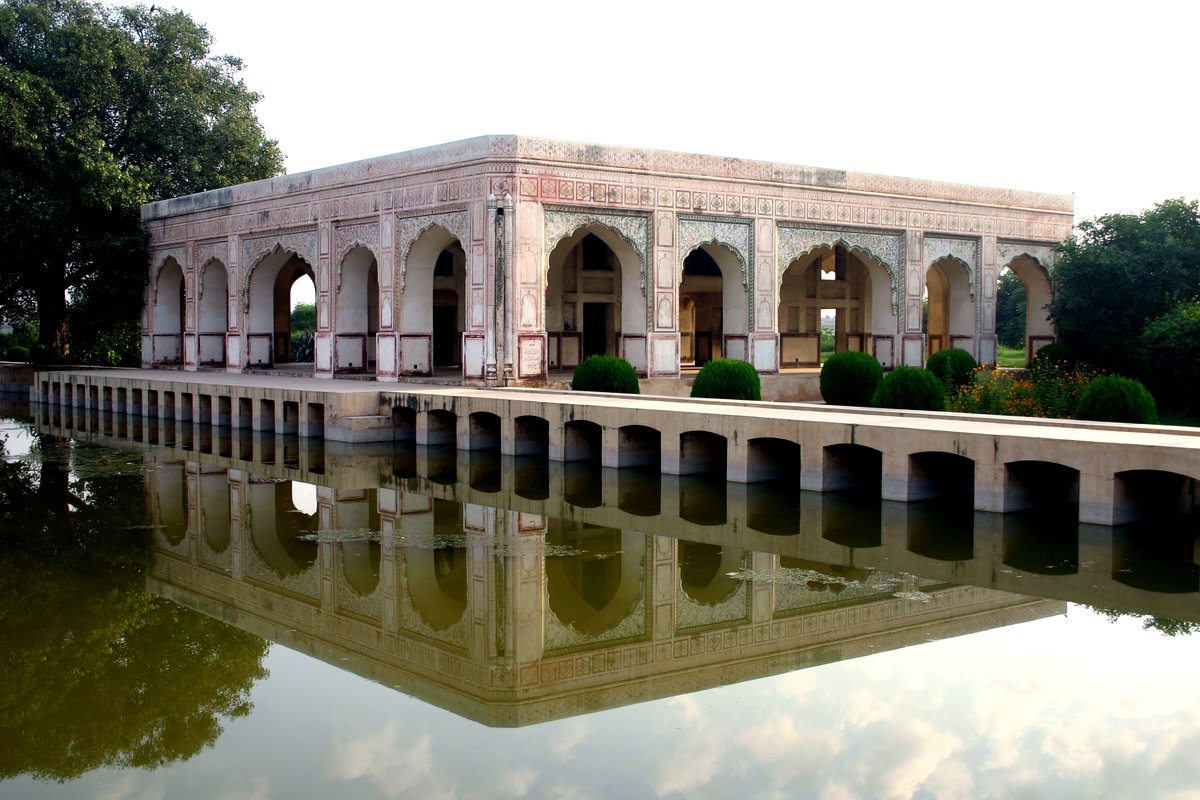
The term "Baradari" translates to "a building with twelve doors," which is a defining feature of this structure. The Kamran Bara Dari is a rectangular building with twelve arched entrances, three on each side. It has two stories and an open courtyard in the middle. The second story features a balcony running around its perimeter. The building is constructed of brick and mortar and is plastered both inside and outside. The roof is flat and made of timber (Let's Travel).
Historical Context
After the death of Babur in 1530, Kamran Mirza seized control of Lahore and laid out a garden in which the Baradari was built. Initially, the pavilion was situated on the western bank of the River Ravi in the Shahdara Bagh region. However, due to shifts in the river's course over time, the Baradari now stands on an island in the middle of the river (Wikipedia).
Usage Over the Centuries
The Kamran Bara Dari served as a summer retreat for Mughal royalty and was a place of leisure and relaxation. It remained in use by the Mughal royals until the 18th century. During the reign of the Sikh ruler Ranjit Singh in 1799, the Baradari was converted into a jail. It continued to function as a jail until 1947, when it was abandoned during the Partition of India. The structure remained in a derelict state until it was restored in 2006 by the Lahore Conservation Society (Let's Travel).
Cultural and Social Significance
The Kamran Bara Dari is not just an architectural marvel but also a symbol of Lahore's rich heritage and culture. It was once used as a reception hall for visiting dignitaries and royalty. Today, it is open to the public as a museum, offering a glimpse into the life and times of Kamran Mirza and the Mughal era. The Baradari stands as a reminder of Lahore's glorious past and its significance in the social and cultural life of the city (Let's Travel).
Restoration and Preservation
The restoration of the Kamran Bara Dari in 2006 was a significant effort to preserve this historical monument. The Lahore Conservation Society undertook the task of restoring the structure to its former glory. This restoration has allowed the Baradari to become a popular tourist attraction, drawing history enthusiasts and architecture lovers alike (Let's Travel).
Visitor Information
Ticket Prices and Opening Hours
Visitors can explore Kamran Bara Dari with an entry ticket priced at Rs25 per person. The pavilion is open from 9 AM to 5 PM daily. It is advisable to check the official website or contact local authorities for any changes in visiting hours.
Travel Tips
Visitors should be prepared for the boat ride to the island where the pavilion is located. The boats charge a fee of Rs25 per person for a round trip, but they often wait to fill up before departing, which can result in long wait times. It is recommended to visit early in the morning to avoid crowds and to enjoy the serene surroundings.
Accessibility
The pavilion's location on an island in the River Ravi can pose accessibility challenges. Visitors must take a boat to reach it, which can be inconvenient for those with mobility issues. Additionally, the surrounding water body can be smelly, detracting from the overall experience (Youlin Magazine).
Nearby Attractions
While visiting Kamran Bara Dari, consider exploring other historical sites in Lahore such as the Lahore Fort, Badshahi Mosque, and Shalimar Gardens. These sites offer a deeper understanding of the rich Mughal heritage that once flourished in the region.
Special Events and Guided Tours
Special events and guided tours are occasionally organized at Kamran Bara Dari. These events provide an in-depth look into the history and architecture of the pavilion. Check with local tour operators or the official website for upcoming events and tour schedules.
Photographic Spots
For photography enthusiasts, the Kamran Bara Dari offers several picturesque spots. The second-story balcony, the open courtyard, and the twelve arched entrances are perfect for capturing the architectural beauty of the pavilion.
FAQ
How to reach Kamran Bara Dari?
Kamran Bara Dari is located on an island in the River Ravi. Visitors need to take a boat from the western bank of the river to reach the pavilion.
What are the opening hours?
The pavilion is open from 9 AM to 5 PM daily.
Is there an entry fee?
Yes, the entry fee is Rs25 per person.
Listen to the full story in the app
The whole Kamran'S Baradari,
told well.
Audio guides for 1,100+ cities across 96 countries. History, stories, and local insight — offline ready.
Verified, and shown.
Researched and written by the Audiala editorial team from historical records, architectural archives, and local expertise.
Researched from Wikidata, Wikipedia & official sources · fact-checked · How we make our guides →

