Plan and listen to Haveli Of Nau Nihal Singh with Audiala.
Audio guide in your pocket, itinerary in your browser. Built for the way you actually visit.
Introduction
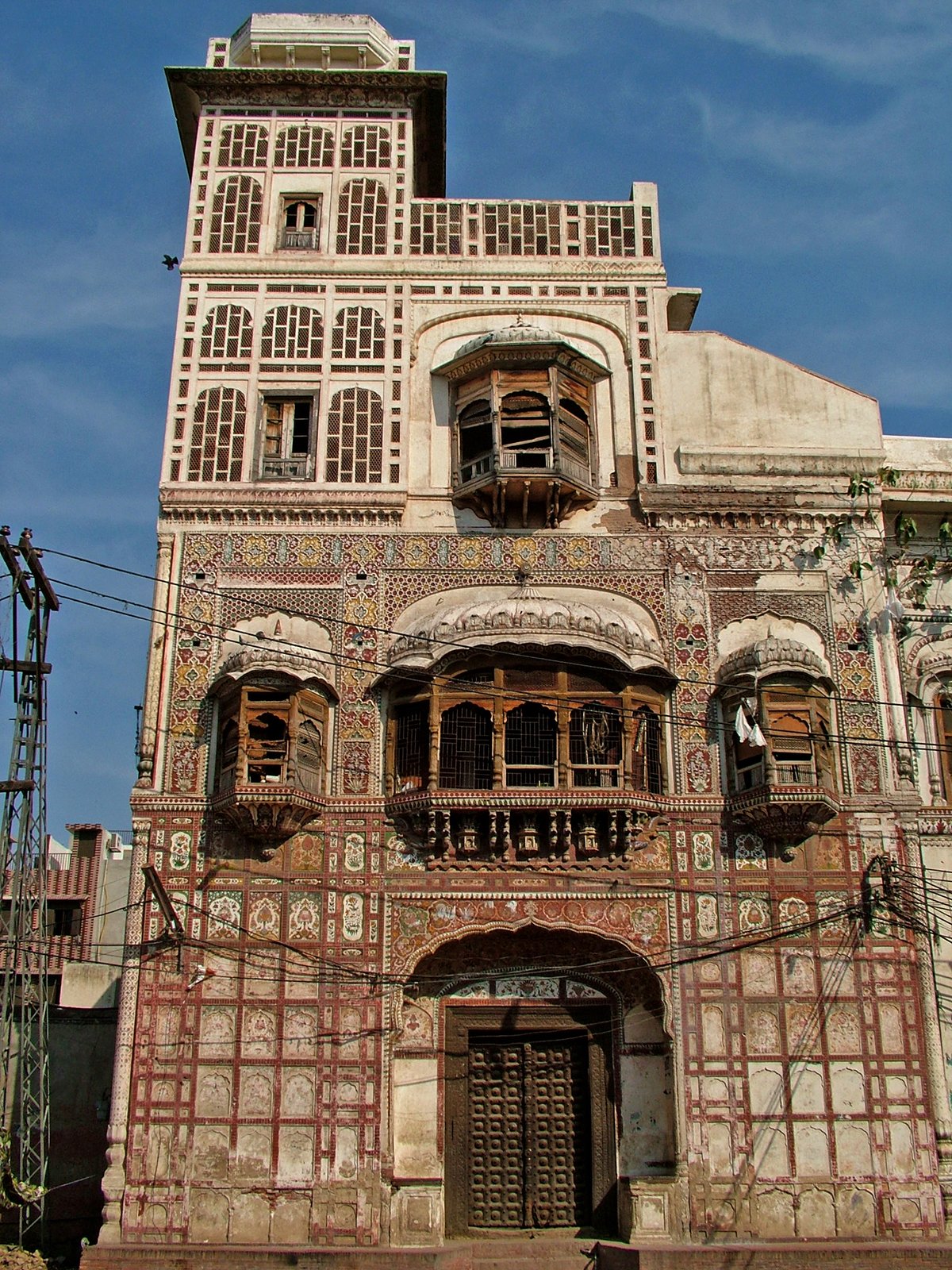
The Haveli of Nau Nihal Singh, located within Lahore’s bustling Walled City, stands as one of the most exquisite and historically significant Sikh-era monuments in Pakistan. Built in the early 19th century by Nau Nihal Singh, the grandson of Maharaja Ranjit Singh, this multi-storied haveli offers a rare window into the opulent lifestyles, artistic achievements, and multicultural ethos of the Sikh Empire’s golden age. This guide provides a detailed overview of the haveli’s history, architecture, cultural importance, visiting hours, ticketing policies, accessibility, nearby attractions, and practical travel tips, ensuring a memorable and informed visit for all heritage enthusiasts and travelers. (Local Guides Connect, Walled City Lahore Authority, Dawn, Trek Zone)

Historical Background
Origins and Patronage
Commissioned by Nau Nihal Singh during the zenith of the Sikh Empire, the haveli not only served as a royal residence but also as a center for political and cultural gatherings. Nau Nihal Singh’s brief reign was marked by artistic innovation and Lahore’s cosmopolitan milieu. The haveli, originally surrounded by lush gardens, reflects the grandeur and ambitions of its patron despite modern urban encroachment altering its surroundings. (Local Guides Connect)
Architectural Features and Artistic Influences
The haveli exemplifies a unique blend of Sikh, Mughal, and Hindu architectural traditions. Notable highlights include the Sheesh Mahal (Palace of Mirrors) on the third floor, celebrated for intricate mirror work, wooden ceilings, and elaborate frescoes. The building’s west-facing entrance and vibrant façade frescoes offer an authentic glimpse into the era’s mural art and decorative richness. (Dawn)
Cultural and Historical Significance
Constructed during Lahore’s cultural peak, the haveli embodies the city’s pluralistic and artistic spirit. Murals inside depict Sikh, Hindu, and Persian themes, underscoring the inclusive ethos of the time. The building’s continued use as the Victoria Girls’ High School has, paradoxically, aided its preservation by limiting wear and vandalism.
Architectural Style and Layout
Structural Layout
Organized around a central courtyard, the haveli spans four stories with a partial basement, employing thick brick masonry and traditional lime plaster for stability and climate control. Public and private spaces are distributed vertically, with service areas on the ground floor and private family quarters above. (The Friday Times)
Facade and Ornamentation
The monumental entrance on Mori Gate Road is framed by arched gateways, wooden jharokas (balconies), and frescoes featuring floral, mythological, and geometric motifs. Glazed Kashmiri-style tiles in vibrant hues accentuate the arches and cornices, showcasing cross-regional craftsmanship. (Youlin Magazine)
Interior Craftsmanship
The interiors are adorned with hand-painted frescoes, stucco, gilding, elaborate woodwork, and mirror panels (ayina kari). These features were executed by skilled artisans from across the Sikh Empire, blending indigenous and imported styles. (Heritage Times)
Symbolism and Identity
Many decorative elements reference Sikh iconography, such as the Khanda, and emphasize themes of prosperity, hospitality, and privacy. The haveli’s defensive features—thick walls, limited street-facing windows, and a fortified entrance—reflect the social and security concerns of the era. (The News International)
Visiting the Haveli of Nau Nihal Singh
Location & How to Reach
The haveli is located near Bhatti Gate, in the heart of Lahore’s Walled City. The nearest Metrobus stop is Bhatti Chowk; from there, visitors can walk or take a rickshaw through the narrow, lively lanes to the site (Trek Zone). Parking is limited, so public transport is recommended.
Visiting Hours & Entry
- General Public: The haveli currently houses Victoria Girls’ High School, so access is not unrestricted. Visits are typically possible during school hours (weekdays, 9:00 AM–5:00 PM) and require prior permission from the school administration or heritage authorities.
- Special Tours: Heritage organizations occasionally organize guided tours. Contact the Walled City of Lahore Authority or reputable local tour operators in advance.
- Tickets: There is usually no formal entry fee, but donations to the school or small gratuities for staff are appreciated.
Accessibility
Due to its historic structure and urban setting, access for visitors with limited mobility may be challenging (narrow lanes, stairs, and uneven surfaces). Comfortable walking shoes are essential.
Visitor Etiquette & Practical Tips
- Dress Code: Modest attire is recommended, respecting local customs and the school environment.
- Photography: Permitted in exterior and courtyard areas, but always seek permission before photographing students or staff.
- Facilities: Restrooms are limited within the haveli; public facilities are available at nearby attractions.
- Best Visiting Time: October to March, during cooler months.
Nearby Attractions and Suggested Itineraries
The haveli’s central location allows easy access to several major Lahore historical sites:
- Badshahi Mosque (16-minute walk)
- Lahore Fort (16-minute walk)
- Data Darbar (8-minute walk)
- Hazuri Bagh (16-minute walk)
- Tomb of Allama Iqbal (15-minute walk)
- Anarkali Bazaar (24-minute walk)
Combine these sites for a comprehensive heritage tour. (Trek Zone)
Preservation Efforts & Community Engagement
Despite periods of neglect and urban encroachment, the haveli remains one of the best-preserved Sikh-era mansions in Lahore. Its ongoing use as a school has protected much of its artwork. Restoration and conservation initiatives are led by the Punjab Archaeology Department and heritage organizations, often involving local communities and guided heritage walks. (Travel Pakistani)
Cultural Impact and Educational Value
The haveli is a focal point for academic study and a source of inspiration for contemporary artists, writers, and filmmakers. Its inclusion in curricula and cultural festivals ensures that its legacy endures.
Frequently Asked Questions (FAQ)
Q: What are the visiting hours?
A: Visits are possible during school hours on weekdays (9:00 AM–5:00 PM) with prior permission.
Q: Is there an entry fee or ticket?
A: No official ticket; donations or tips are appreciated.
Q: Are guided tours available?
A: Yes, through the Walled City Authority and local organizations.
Q: Is photography allowed?
A: Yes, in public areas; obtain permission for photographing people.
Q: How do I reach the haveli?
A: By Metrobus to Bhatti Chowk and a short rickshaw ride or walk.
Q: What are nearby attractions?
A: Badshahi Mosque, Lahore Fort, Data Darbar, and Anarkali Bazaar.
Responsible Tourism
As a living heritage site, visitors are encouraged to respect the structure and its current educational function. Avoid touching frescoes, minimize noise, and contribute to preservation efforts through responsible tourism.
Summary and Recommendations
The Haveli of Nau Nihal Singh remains a rare survivor of Lahore’s Sikh-era grandeur—its intricate frescoes, architectural elegance, and cultural symbolism offering a vivid link to the city’s pluralistic past. While general access is restricted due to its function as a school, special visits, guided tours, and scholarly appointments are possible and highly rewarding. The haveli, surrounded by Lahore’s iconic mosques, forts, and bazaars, forms an essential part of any heritage itinerary. Continued preservation and community engagement are vital for safeguarding this unique monument, ensuring its legacy for future generations. (Walled City Lahore Authority, Local Guides Connect, Trek Zone)
Visuals and Media

Map: Location of Haveli of Nau Nihal Singh
Related Articles
- Top Historical Sites to Visit in Lahore
- Exploring Lahore's Walled City: A Cultural Journey
- Sikh Architecture in Punjab: Heritage and Highlights
Discover More
For up-to-date information on heritage walks, guided tours, and more Lahore historical sites, download the Audiala app or follow local heritage bodies online. Contribute to preservation by sharing your experiences and supporting responsible tourism.
Listen to the full story in the app
The whole Haveli Of Nau Nihal Singh,
told well.
Audio guides for 1,100+ cities across 96 countries. History, stories, and local insight — offline ready.
Verified, and shown.
Researched and written by the Audiala editorial team from historical records, architectural archives, and local expertise.
Researched from Wikidata, Wikipedia & official sources · fact-checked · How we make our guides →

